
Rib and Pubic Pain During Pregnancy: Where Osteopathy Fits
Rib or pubic pain while pregnant: causes, warning signs, daily tips and gentle osteopathy in Côte Saint-Luc, Montréal.
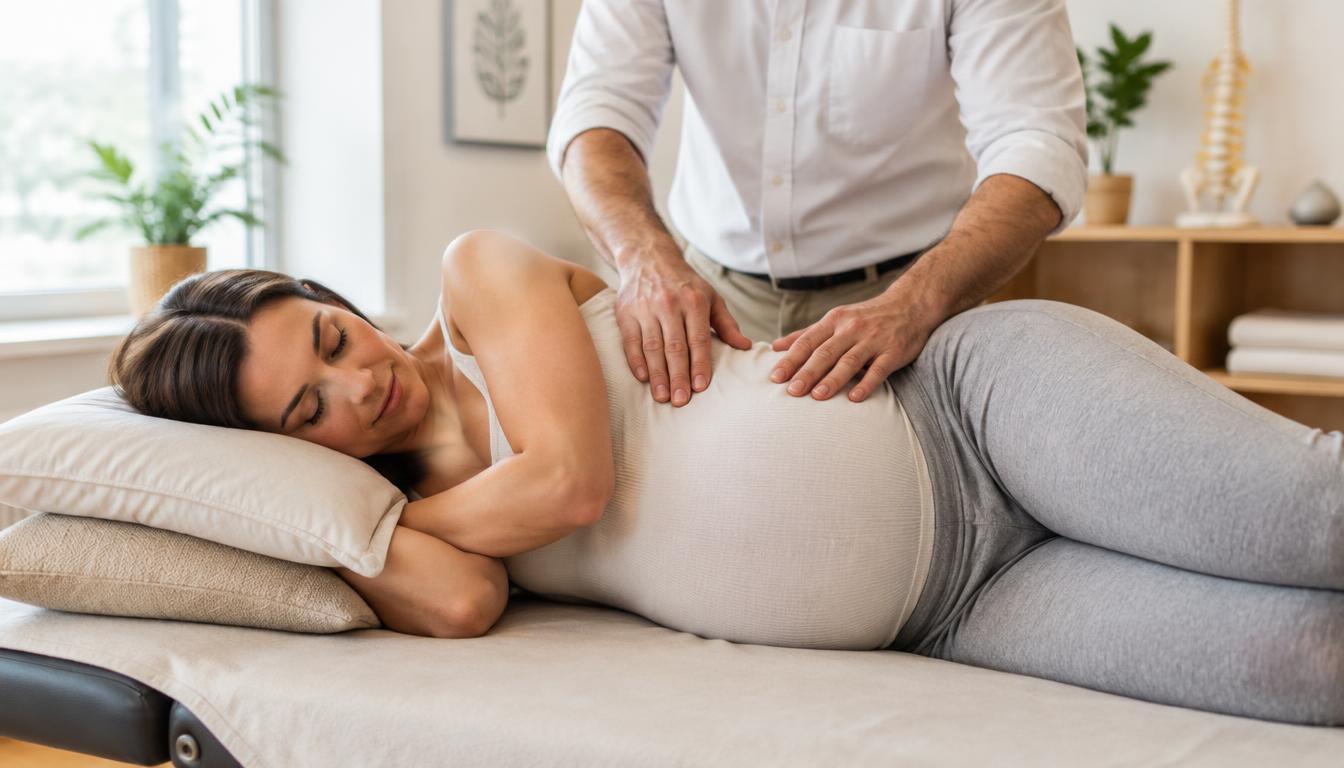
Direct answer: can osteopathy ease rib and pubic pain during pregnancy?
Yes, for many pregnant people, gentle and adapted osteopathy can help manage rib or pubic pain, provided a medical cause has been ruled out. At Réhabital, in Côte Saint-Luc on the island of Montréal, Shahram Ghasemi, MD (Iran), DOMP, assesses breathing, the rib cage, the pelvis and movement habits, then offers techniques in a comfortable position. The goal is everyday comfort and function, never a promised cure. This article connects two of our condition pages: rib pain during pregnancy and pubic symphysis pain.
Why do the ribs and pubic bone hurt in pregnancy?
Pregnancy transforms the body within months. The growing uterus gradually pushes the diaphragm upward, and the rib cage widens by several centimetres to make room for the lungs. Hormones such as relaxin and progesterone increase ligament flexibility, which prepares the pelvis for birth but also makes some joints more sensitive to load. The centre of gravity shifts forward, posture changes and the muscles that stabilize the trunk work differently.
These normal adaptations explain why two areas come up so often in clinic. Higher up, the lower ribs and diaphragm face rising mechanical pressure, especially in the third trimester or when the baby sits high. Lower down, the pubic symphysis, the joint at the front of the pelvis, can become painful when the two halves of the pelvis move unevenly. This is called symphysis pubis dysfunction or pelvic girdle pain.
Rib pain: what does it feel like?
Pregnancy rib pain is often described as pressure, burning or a sharp spot under the breast, more frequently on the right side. It worsens with prolonged sitting, bending or after a meal, and sometimes eases when standing tall with the arms raised. Some people feel mild breathlessness when the belly crowds the diaphragm. Baby movements, especially kicks, can stir it up again.
During assessment, the osteopath observes rib movement on inhalation, mobility of the upper back (the thoracic spine), tension in the muscles between the ribs and how you breathe. Your sitting posture at work and sleep position are reviewed too. To learn more about the link between breathing and chest-wall pain, see our breathing pattern and diaphragm page.
Pubic pain: recognizing symphysis pubis dysfunction
Pubic symphysis pain is felt at the centre of the pubic bone, sometimes in the inner thighs, perineum or lower back. It is typically triggered by movements that separate the legs or load one leg: turning in bed, getting out of the car, climbing stairs, putting on pants while standing or taking long strides. A click or grinding sensation is sometimes reported. It can come with sacroiliac joint pain; we also have a dedicated page on pregnancy low back pain.
The osteopath analyzes pelvic symmetry, hip and sacroiliac mobility, functional strength and the movements that provoke pain. The aim is not to “put a bone back in place”, but to understand what overloads the area and suggest more comfortable ways to move.
Warning signs: when to see a doctor first
Not every pregnancy pain is mechanical. Before considering osteopathy, promptly contact your physician, midwife or Info-Santé 811, or call 911 in an emergency, if you notice:
- pain under the right ribs or upper abdomen with headache, vision changes or sudden swelling of the face and hands (possible signs of preeclampsia);
- sudden breathlessness, chest pain or coughing blood;
- fever, chills or burning urination;
- vaginal bleeding, leaking fluid or regular contractions before term;
- reduced baby movements;
- calf pain with swelling or redness;
- severe pelvic pain that prevents walking or bearing weight.
Our When to see a doctor guide gathers these red flags. At Réhabital, the osteopath refers you to your medical team as soon as any of these signs is present.
What a prenatal osteopathy session at Réhabital looks like
The first visit lasts 60 minutes. It begins with a conversation: week of pregnancy, prenatal follow-up, history, pain location, what makes it worse or better, sleep, work and physical activity. A gentle examination of posture, breathing, pelvis and back follows.
Treatment is done side-lying with pillows, seated or slightly reclined, never flat on the belly. Depending on the assessment, the osteopath may use slow myofascial techniques, gentle mobilization of the ribs and thoracic spine, muscle energy techniques to balance the pelvis and guided breathing work. No high-velocity manipulation is imposed; each technique is explained and you can stop it at any time. The session ends with practical advice adapted to your daily life.
Practical tips for rib pain
- Take breaks every 30 to 45 minutes when sitting; stand up and stretch your arms overhead.
- Eat smaller, more frequent meals to reduce pressure under the diaphragm.
- Practise slow breathing that widens the ribs sideways, hands resting on your rib cage.
- Sleep on your side with a pillow between the knees and another under the belly.
- Avoid tight clothing or bras at the base of the ribs.
Practical tips for pubic pain
- Keep your knees together when turning in bed or getting out of the car.
- Climb stairs one step at a time, leading with the less painful leg.
- Sit down to dress and put on shoes.
- Take shorter steps and avoid carrying weight on one side.
- Discuss a pelvic support belt with your practitioner.
- Avoid wide-leg stretches and deep lunges.
What research says, and its limits
Studies on pregnancy-related low back and pelvic pain suggest that manual therapy, adapted exercise and education can reduce pain and improve function for some people. Evidence specific to osteopathy remains limited and of variable quality; it does not allow any outcome to be promised. Pregnancy rib pain has been studied even less. For this reason, we present osteopathy as a complement to prenatal care focused on comfort, not as medical treatment.
Osteopathy, prenatal massage or both?
Osteopathy mainly targets joint mobility, breathing and movement strategies. Prenatal massage focuses more on relaxation and muscle tension. Both can be combined depending on your needs. For pregnancy sciatica, also read our article on sciatica during pregnancy, and for after birth, our article on postpartum diastasis.
Questions to prepare before your appointment
To get the most from your first session, note a few details in advance: your week of pregnancy, your due date, the name of your physician or midwife, any complications (low-lying placenta, high blood pressure, gestational diabetes, risk of preterm labour) and the medications or supplements you take. Describe the pain precisely too: where it is, when it appears during the day, what triggers it and what eases it. These details help the osteopath choose adapted techniques and know when to refer you to your medical team.
Wear soft, comfortable clothing. Plan to arrive a few minutes early; parking at the Cavendish Mall is free and the clinic is accessible. If someone comes with you, your partner can attend the session and learn some useful support skills for home, such as helping you turn in bed or set up pillows comfortably.
After the session: what to expect
After a gentle osteopathy session, some people feel lighter and breathe more freely; others notice mild fatigue or temporary tenderness for a day or two. Drink water, walk gently and resume activities gradually. If pain clearly increases, changes in nature or comes with any of the warning signs above, contact your physician or midwife without waiting. Follow-up frequency is discussed together: some people return every two to four weeks through the pregnancy, while others only need one or two sessions with good advice. There are no mandatory packages.
After birth, a new assessment can be useful for the pelvis, back and any caesarean scar; see our C-section scar recovery page.
Who will care for you
Shahram Ghasemi, MD (Iran), DOMP, founder of Réhabital, is a graduate osteopath with medical training, which helps him recognize situations that need medical referral. He collaborates with your physician or midwife when needed. See also our osteopathy in Côte Saint-Luc page.
Fees, insurance and booking
60-minute initial assessment: $125; 60-minute follow-up: $110; 90-minute extended session: $150, plus applicable taxes. A private-insurance receipt is issued after every session; reimbursement depends on your plan. CNESST and SAAQ claims are not accepted for treatment. Réhabital offers 10% off your first visit to the clinic, excluding physiotherapy. All fees are listed on our fees page.
Book online through Jane App or call 438-842-3550. The clinic is located in the Cavendish Mall, D4-5800 Cavendish Boulevard, Côte Saint-Luc, close to Hampstead, NDG, Snowdon and Montréal-Ouest, with free parking.
Sources and limitations
These sources inform on pelvic pain and warning signs in pregnancy. They do not validate clinic-specific outcomes. The image is a generated illustration and does not depict an actual session or a member of our team.
Frequently asked questions
Go deeper with our dedicated osteopathy pages
Osteopathy pages with Shahram Ghasemi, MD (Iran), DOMP in Côte Saint-Luc:
Related articles
Osteopathy During Pregnancy: The Complete Guide to Natural Prenatal Pain Relief
How osteopathy relieves lower back pain, sciatica and pregnancy discomforts. Complete guide with tips from our specialized osteopaths.
Sciatica and Leg Pain During Pregnancy: Causes, Safe Relief and When to Seek Help
Leg and buttock pain is common in pregnancy and is not always true sciatica. Learn why it happens, what is safe to try and how osteopaths and physiotherapists support expectant mothers.
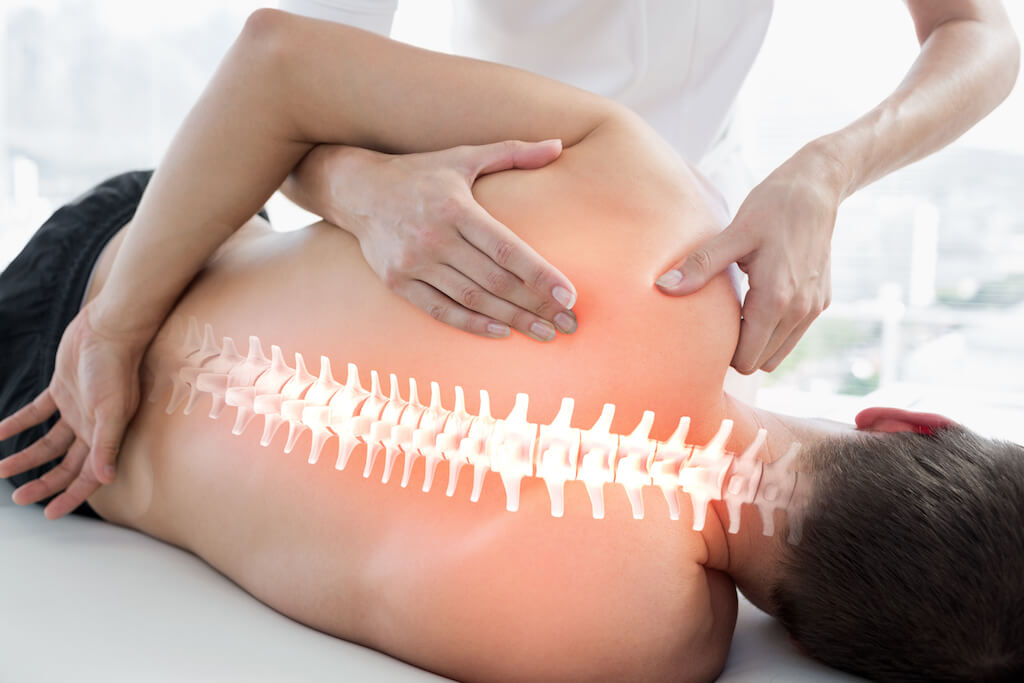
Osteopathy: 4 Conditions Where a Whole-Body Assessment May Help
SI joint dysfunction, infant torticollis, plagiocephaly and colic: understand the careful, complementary role of osteopathy in Côte Saint-Luc.
When Should You See an Osteopath? 10 Signs You Shouldn't Ignore
Persistent pain, morning stiffness, migraines? Discover 10 signs indicating you should see an osteopath in Montreal.
Chiropractor vs Osteopath in Montreal – What Should You Choose?
Understand the key differences between chiropractic and osteopathy and discover which approach best suits your needs in Côte Saint-Luc, Montreal.
Sciatica, Desk Posture and Bad Sleeping Positions: How Osteopathy Breaks the Cycle
Eight hours seated, then eight hours in a bad sleeping position: that is where most sciatica begins. Learn the exact mechanisms, the positions to correct, and how osteopathy in Côte Saint-Luc delivers lasting relief.