
Removing Warts with FreezPen Cryotherapy (DermaSpark) in Côte Saint-Luc
How the FreezPen cryotherapy pen by DermaSpark removes common, plantar and filiform warts in seconds with medical precision at Réhabital clinic in Côte Saint-Luc.
Warts, Explained in One Paragraph
Warts are small skin growths caused by the human papillomavirus (HPV). The virus infects the top layer of skin, usually through a tiny cut or crack, and triggers rapid, disorganized cell growth. The result is the familiar rough, cauliflower-like bump — sometimes a single lesion, sometimes a cluster. Warts are harmless in the vast majority of cases, but they are contagious, they spread through friction and moisture and they rarely disappear on their own within a reasonable timeframe. This is where modern in-clinic cryotherapy — and specifically the FreezPen pen distributed by DermaSpark — has changed how we treat them at Réhabital in Côte Saint-Luc.
What Is FreezPen and Why DermaSpark?
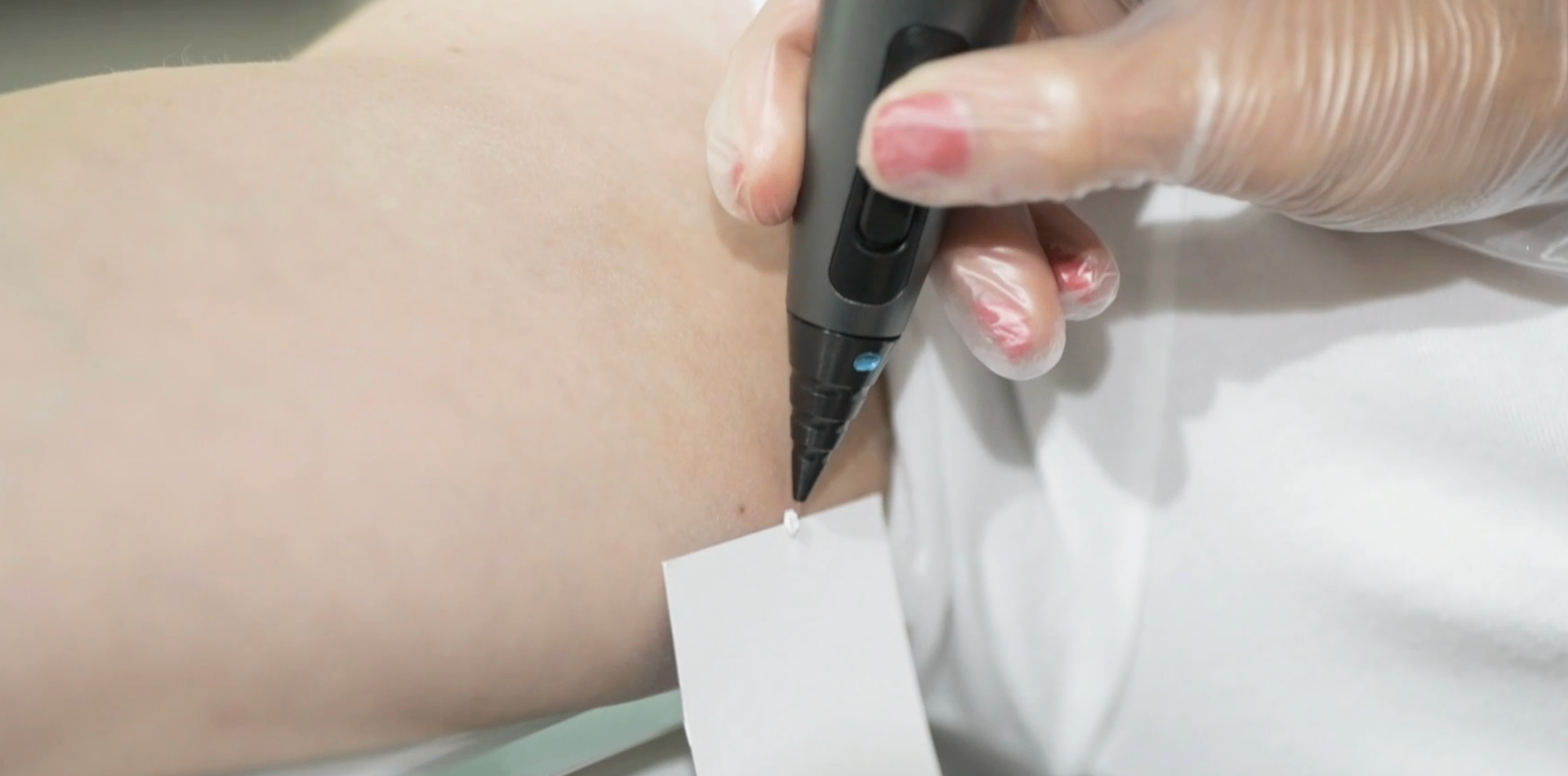
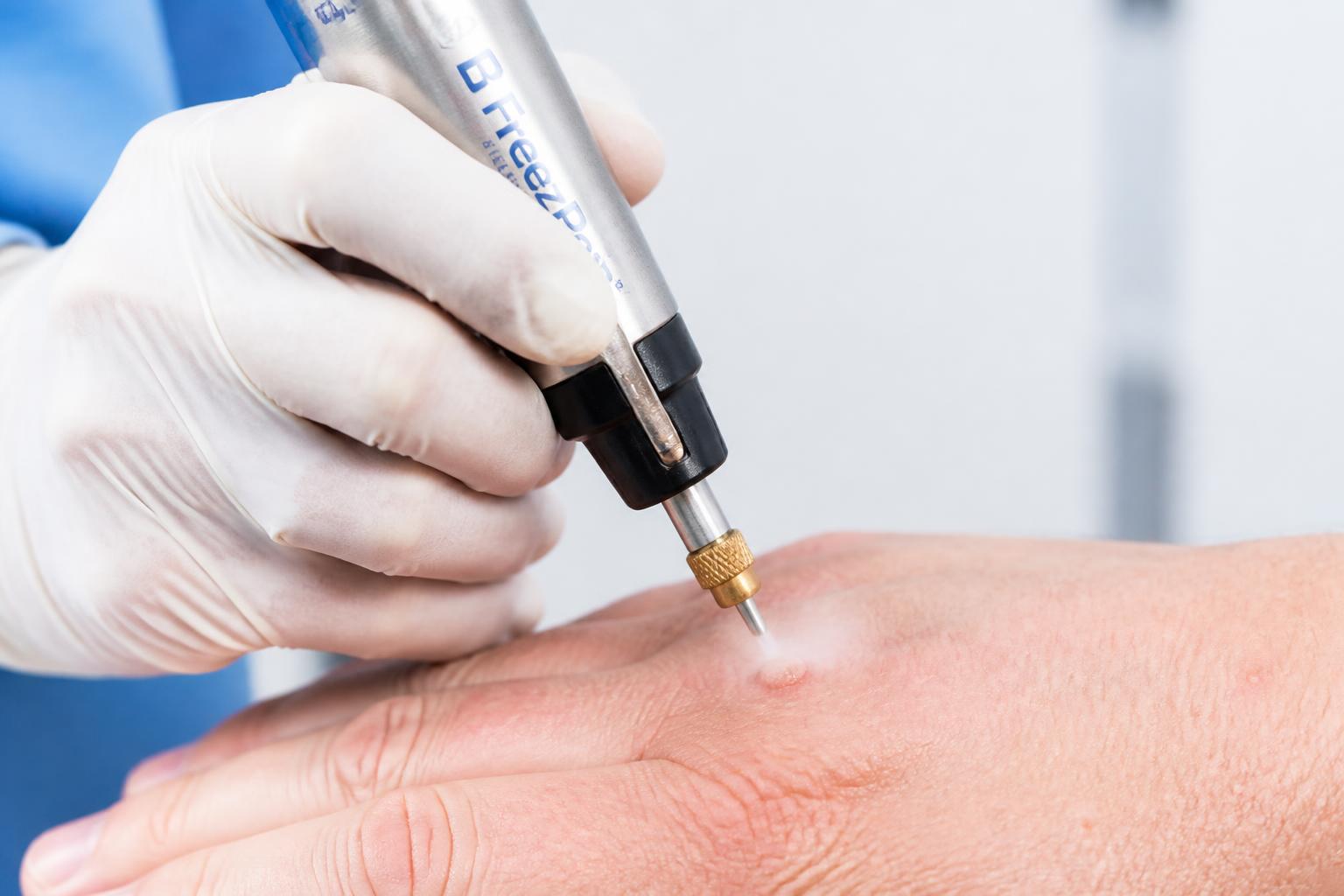
FreezPen is a professional cryotherapy device engineered to deliver a precise, controlled micro-jet of nitrous oxide (N₂O) at −89 °C directly onto the lesion. Unlike the old cotton-swab method with liquid nitrogen — messy, imprecise, and prone to freezing healthy surrounding skin — FreezPen has a series of interchangeable applicator tips (1 mm, 2 mm, 4 mm, 6 mm and 8 mm) that concentrate the cold on the wart itself and spare the tissue around it.
DermaSpark is the exclusive Canadian distributor of FreezPen and the training partner for medical and aesthetic clinics across the country. When you see the DermaSpark–FreezPen combination in a clinic, it means the practitioner has been trained on standardized protocols, uses genuine calibrated cryogen cartridges and follows Canadian best-practice guidelines. This matters: cryotherapy done poorly can either fail (wart returns) or overshoot (blister, scar, pigmentation). Done properly, it is one of the fastest and cleanest treatments in aesthetic medicine.
How Cryotherapy Actually Destroys a Wart
When the FreezPen tip is placed 5 to 10 mm above the wart and the trigger is pressed, a jet of nitrous oxide freezes the lesion to roughly −60 °C to −80 °C at the surface within 5 to 15 seconds. Three things happen inside the tissue:
- Ice crystals form inside the infected cells, physically rupturing cell membranes.
- Micro-vessels feeding the wart constrict and then thaw, cutting off blood supply and starving what remains of the tissue.
- A local immune response is triggered — your body recognizes the freeze-damaged HPV-infected cells and mounts an attack that helps prevent recurrence.
Over the following 7 to 14 days, the treated tissue dies, dries out and sloughs off, often with a small blister or scab. Underneath, new healthy skin grows.
Which Warts FreezPen Treats Best
The FreezPen protocol at Réhabital in Côte Saint-Luc addresses the four main wart categories:
- Common warts (verruca vulgaris) — the classic rough bumps on hands, fingers and knees. Typically clear in 1 to 2 sessions.
- Plantar warts (verruca plantaris) — deep, painful warts on the sole of the foot, often confused with calluses. Usually need 2 to 4 sessions and gentle debridement of the overlying callus.
- Flat warts (verruca plana) — small, smooth, flesh-coloured warts that appear in clusters, often on the face, legs or hands. Excellent responders to short, shallow freezes.
- Filiform warts — thin, thread-like warts around the eyelids, lips, nose or neck. FreezPen's fine tips are ideal for these delicate zones.
What a FreezPen Session Actually Looks Like
Your visit at Réhabital is short and structured:
1. Assessment (5 minutes). We confirm the lesion is a wart and not something that mimics one — skin tag, molluscum contagiosum, corn, seborrheic keratosis or a suspicious mole. We take a photo for the file, review your medical history and any contraindications.
2. Preparation (2 minutes). The area is cleaned. For plantar warts, we may gently pare down the overlying callus so the cold can reach the actual wart tissue.
3. Freeze cycle (5 to 30 seconds per lesion). The FreezPen is held 5 to 10 mm above the wart. You feel intense cold and a sharp stinging that peaks at the end of the freeze. A white frozen halo appears around the lesion — this is the visual endpoint we aim for.
4. Thaw and repeat. The tissue is allowed to thaw for 30 to 60 seconds. For thicker or more resistant warts, a second freeze cycle is applied — the “double freeze-thaw” is the most effective protocol in the medical literature.
5. Aftercare instructions (2 minutes). We explain what to expect over the next two weeks, when to book a follow-up and what topical antiseptic to use if a blister forms.
Total appointment: typically 15 to 20 minutes for a single lesion, longer if we are treating multiple warts across hands, feet or face.
What Happens After Treatment: Day-by-Day
- Day 0 (immediately after): the treated area is red, mildly swollen and stings for 5 to 20 minutes.
- Day 1 to 3: a small blood or fluid blister may form. Do not pop it — it protects the healing skin underneath.
- Day 4 to 7: the blister dries into a scab. Keep it clean and dry, avoid picking.
- Day 7 to 14: the scab falls off, revealing new pink skin. The wart tissue lifts off with it.
- Week 3 to 4: follow-up visit to check the result. If the wart has not cleared completely, a second freeze is performed.
How Many Sessions Will You Actually Need?
This is the single most common question we receive. The honest answer depends on three variables: wart type, wart depth and immune response. As a general guide:
- Small common wart on the hand: 1 to 2 sessions.
- Larger or older common wart: 2 to 3 sessions spaced 3 weeks apart.
- Plantar wart on the foot: 3 to 4 sessions, sometimes more if the wart is deep or a “mosaic” cluster.
- Filiform wart on the eyelid or lip: often 1 quick session with a fine tip.
- Flat warts in a cluster: 2 to 3 sessions treating multiple lesions per visit.
Patients with strong immune systems and small, superficial warts often clear in one visit. Diabetic patients, immunocompromised patients and those with plantar warts of several years' duration take longer.
Why Clinical FreezPen Beats Pharmacy Wart Kits
Over-the-counter freeze kits sold in Canadian pharmacies use dimethyl ether or propane mixtures that reach roughly −55 °C to −70 °C — significantly warmer than the −89 °C of medical nitrous oxide. Combined with imprecise applicators and shorter freeze times, home kits often deliver a sub-therapeutic freeze: uncomfortable enough to irritate the skin, but not cold enough or deep enough to destroy the wart. Studies consistently show clinical cryotherapy clears warts in fewer sessions than home kits, with a lower recurrence rate.
Salicylic acid patches can work for small hand warts over several weeks of daily use, but they are slow, require constant compliance and are ineffective for plantar warts under thick callus.
FreezPen vs. Laser vs. Electrocautery for Warts
Warts can also be treated with CO₂ or Nd:YAG laser and with electrocautery. Each has trade-offs:
- FreezPen cryotherapy: no anesthesia, no smoke, no burn, minimal downtime, low scar risk, safe on face and children. Best first-line for most warts.
- Laser ablation: requires local anesthesia, produces plume (viral aerosol) and often leaves a small scar. Reserved for resistant warts that failed multiple cryotherapy sessions.
- Electrocautery/curettage: requires injection, produces bleeding and higher scar risk. Rarely first-line.
At Réhabital, FreezPen is our default. If a wart resists three properly performed freeze cycles at appropriate intervals, we refer to a dermatologist for adjunctive options.
Safety, Contraindications and Who Should Not Get FreezPen
FreezPen is one of the safest procedures we offer, but it is not for everyone. We do not treat with FreezPen if you have:
- Cold urticaria, cryoglobulinemia or Raynaud's syndrome affecting the treatment area.
- Poorly controlled diabetes with foot ulcers (for plantar warts).
- Pregnancy (we may defer treatment; small isolated lesions can still be treated case by case).
- Any lesion suspicious for skin cancer — these must be evaluated by a dermatologist first.
- Active local infection in the treatment area.
Post-inflammatory hyperpigmentation is the most common cosmetic side effect on Fitzpatrick IV–VI skin tones. It typically fades within 3 to 6 months and can be minimized with strict sun protection during healing.
Aftercare That Actually Matters
- Do not pick or burst the blister — let it act as a natural bandage.
- Keep the area clean and dry for the first 48 hours. After that, gentle washing with mild soap is fine.
- Apply a thin layer of petrolatum if the skin feels tight or dry once the scab forms.
- Avoid soaking (long baths, pools, hot tubs) for 5 to 7 days to reduce risk of secondary infection.
- Use SPF 50+ on the treated area for 4 to 6 weeks to prevent hyperpigmentation.
- Book your follow-up at the 3-week mark so we can retreat any residual tissue before the wart has time to regrow.
Preventing Warts From Coming Back
HPV is common — most adults carry several strains. Recurrence happens when live virus remains in surrounding skin or when reinfection occurs from another site or another person. To reduce risk:
- Do not share towels, razors or nail clippers.
- Wear flip-flops in public showers, pool decks and gym locker rooms (plantar wart prevention).
- Keep feet dry — change socks daily, rotate shoes.
- Treat every visible wart on your body, not just the one that bothers you most — untreated warts continue to shed virus.
- Do not shave over facial warts — this spreads filiform warts along the beard line.
Booking FreezPen Cryotherapy in Côte Saint-Luc
Réhabital is located in Côte Saint-Luc, near Cavendish Mall, and serves clients from Hampstead, NDG, Snowdon, Montreal West, Westmount, Saint-Laurent and the wider West End of Montreal. Our team is trained on the DermaSpark FreezPen protocol and treats warts on hands, feet, face and body for adults and children alike.
Frequently asked questions
Related conditions we treat
Related articles
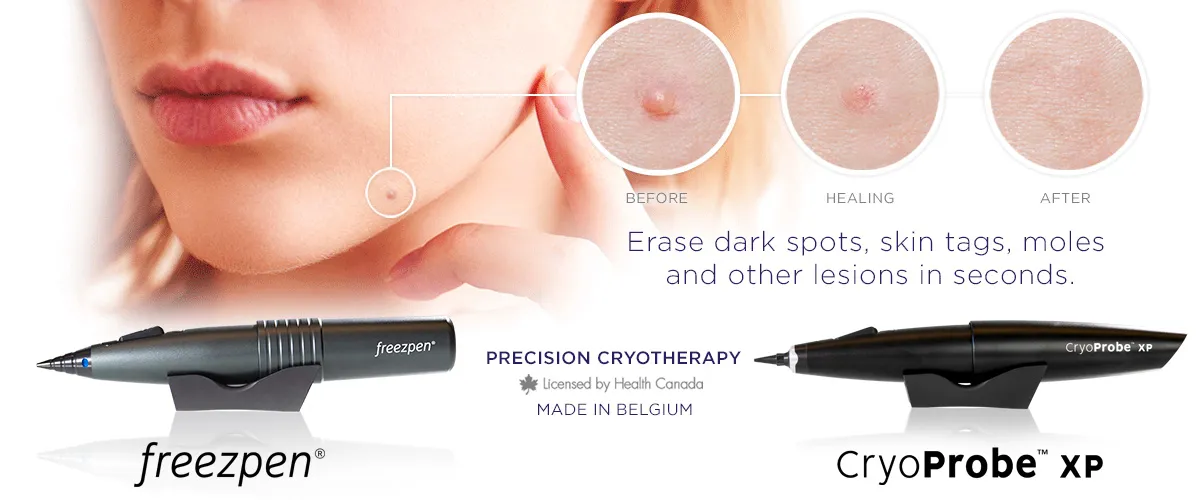
Cryotherapy for Skin Tags, Warts & Skin Lesions: A Safe Non-Invasive Solution in Côte Saint-Luc
How CryoProbe™ XP and FreezPen® technology removes skin tags, warts, molluscum, fibromas and other benign skin lesions in seconds — with Liliana Ciocoi at Réhabital.
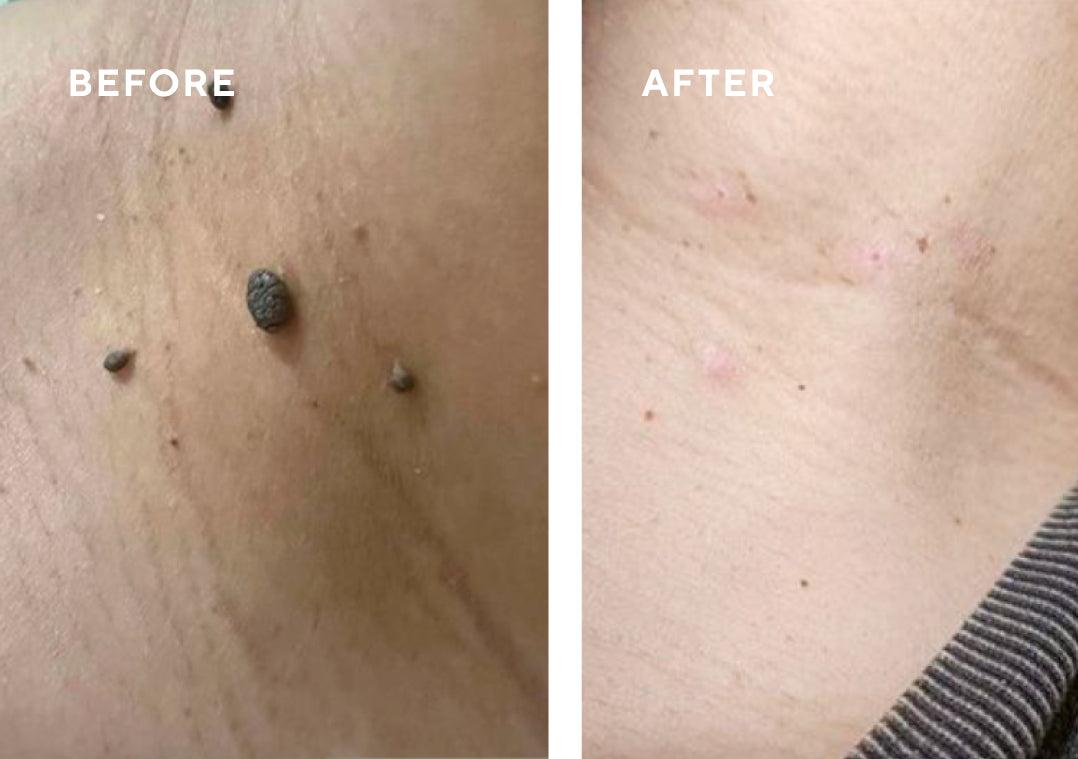
FreezPen Cryotherapy: Precise Skin Lesion Treatment in Montreal
Discover FreezPen cryotherapy, a cutting-edge technology used at Réhabital Côte Saint-Luc to gently remove warts, age spots, skin tags and benign skin lesions.
Cryotherapy vs Laser vs Electrocautery: Which Is Best for Removing a Benign Skin Lesion?
A clear comparison of the three most-used methods for removing skin tags, warts, spots and angiomas — with the ABCDE rule and the recommendations of Liliana Ciocoi in Côte Saint-Luc.
Dark Spots: How to Fade Them with Dermalogica Chemical Peels and FreezPen Cryotherapy in Côte Saint-Luc
Sun spots, lentigines, post-acne marks or melasma? A clinical guide on choosing between Dermalogica professional chemical peels and targeted FreezPen cryotherapy (DermaSpark) — and when to combine them — at Réhabital in Côte Saint-Luc.
What Skin Lesions Can Be Treated with FreezPen Cryotherapy? The Complete Guide (Montreal)
Skin tags, sun spots, seborrheic keratosis, milia, sebaceous hyperplasia and some warts: the complete guide to what FreezPen cryotherapy can treat in Côte Saint-Luc — and which lesions must be medically assessed first.
FreezPen vs. Liquid Nitrogen: What’s the Difference for Skin Lesion Removal?
Precision, treated area size, indications, treatment experience and recovery: an honest comparison of FreezPen cryotherapy and traditional liquid nitrogen for removing skin tags, spots and warts in Montreal.