
Cryotherapy for Skin Tags, Warts & Skin Lesions: A Safe Non-Invasive Solution in Côte Saint-Luc
How CryoProbe™ XP and FreezPen® technology removes skin tags, warts, molluscum, fibromas and other benign skin lesions in seconds — with Liliana Ciocoi at Réhabital.
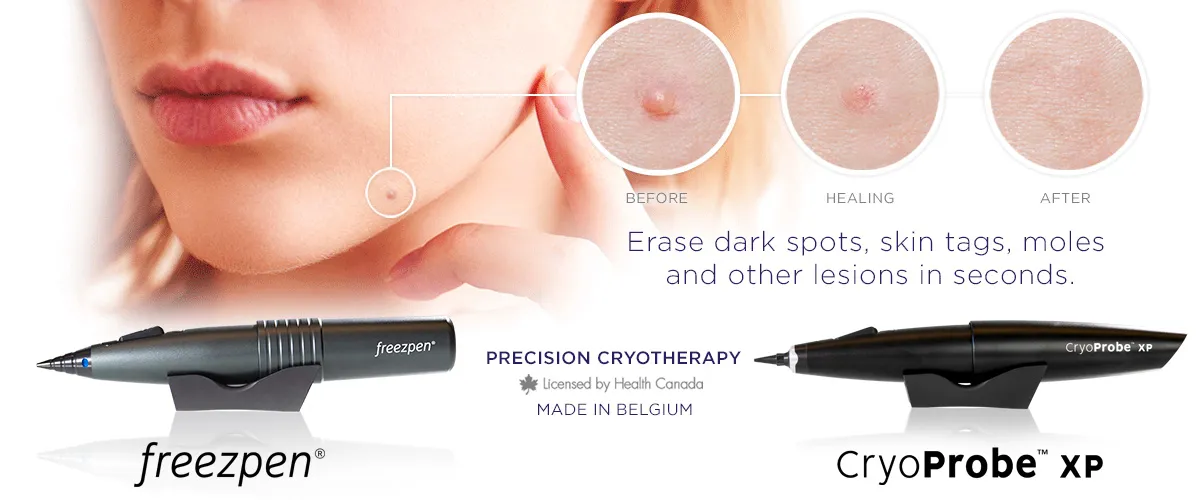
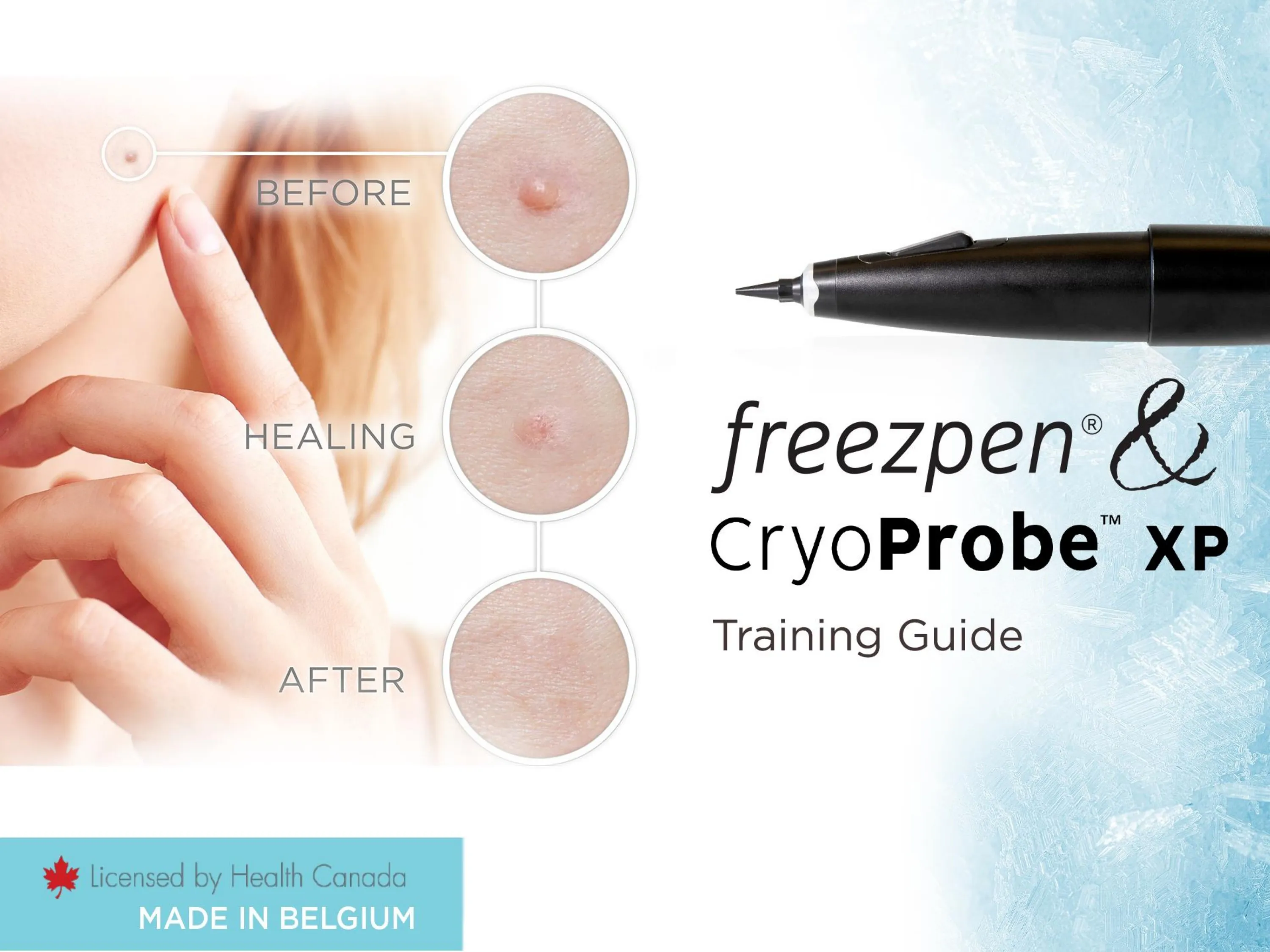
The Quiet Revolution in Benign Lesion Removal
For decades, the only way to deal with a stubborn wart, an annoying skin tag rubbing on a necklace, or a brown sun spot on the cheek was a trip to a dermatologist who reached for a scalpel, an electric needle, or — most painfully — a giant cotton swab of liquid nitrogen at -196°C that frosted everything in a three-centimetre radius. The result was effective but often disproportionate: a small lesion gone, but redness, blistering, depigmentation or a permanent mark in its place.
Today, at Réhabital in Côte Saint-Luc, we use a different generation of cryotherapy. The CryoProbe™ XP and FreezPen® devices deliver nitrous oxide (N₂O) at -89°C through a sub-millimetric jet — closer in shape to a fine pen tip than a spray. The applicator targets only the lesion. Healthy skin one millimetre away stays untouched. The result is a treatment that is faster, less painful, more cosmetic and, for the kind of benign lesions we treat, just as effective as classic dermatological methods.
This article walks you through what these devices can treat, what a session at Réhabital actually feels like, the healing timeline you should expect and why Liliana Ciocoi — our certified esthetician — is the person most of our Côte Saint-Luc clients see for these procedures.
What Is the CryoProbe™ XP?
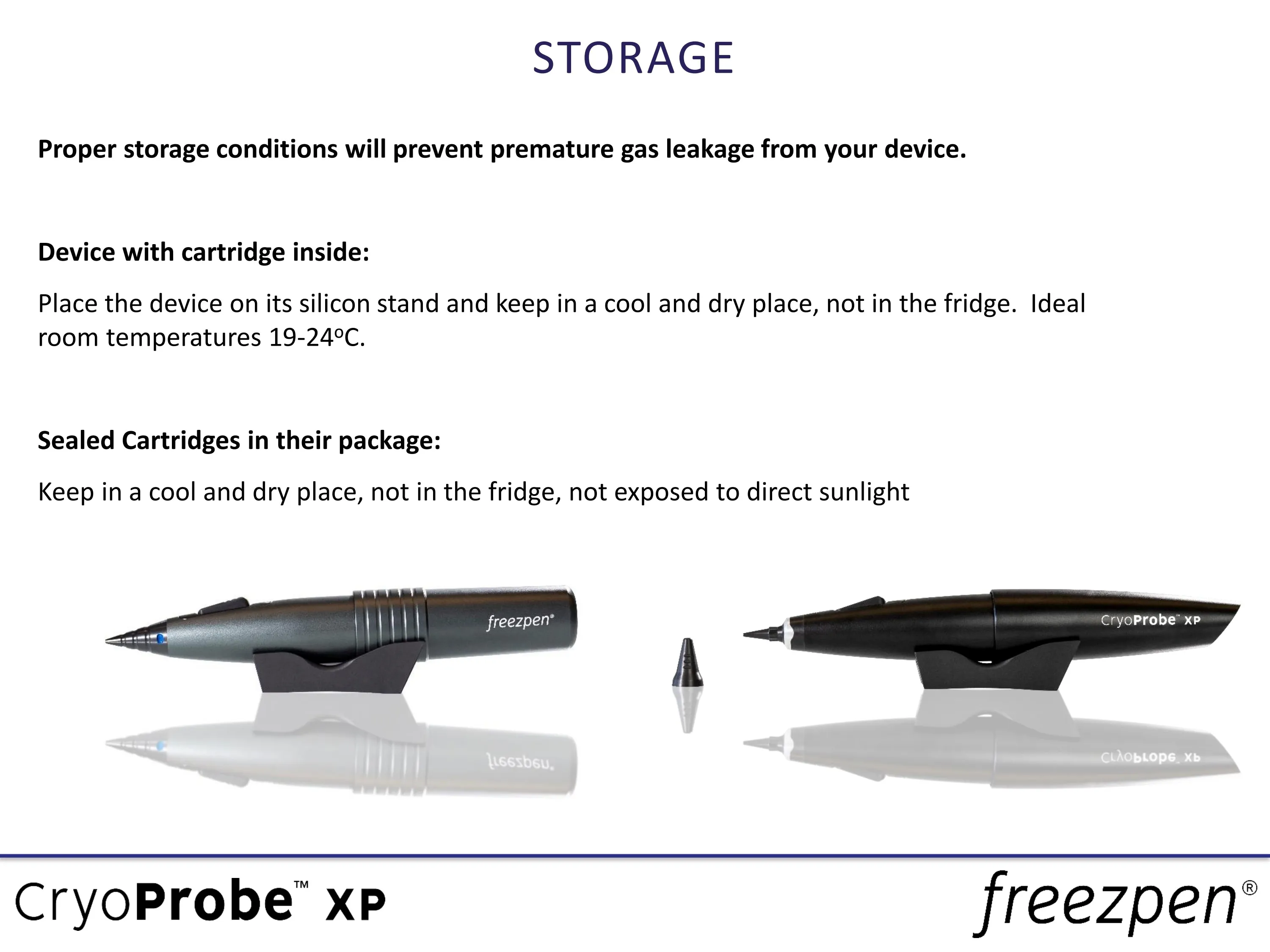
The CryoProbe™ XP is a handheld, pen-shaped cryosurgery device manufactured in Belgium and licensed by Health Canada. Inside the cartridge: medical-grade nitrous oxide pressurized to liquid form. When the trigger is pressed, the gas expands through a precision nozzle and exits at -89°C, freezing a perfectly delimited circle the size of the applicator tip — typically 1, 2 or 5 millimetres.
Compared to traditional liquid-nitrogen spray cryotherapy, this matters for three reasons:
- Precision — the freezing halo on surrounding skin is essentially zero.
- Comfort — because nerves outside the lesion are spared, the sensation is dramatically milder.
- Cosmetic outcome — lower risk of post-inflammatory hyperpigmentation, depigmentation or scarring, which matters on the face, neck and décolleté.
Skin Tags (Acrochordons): The One-Second Lesion
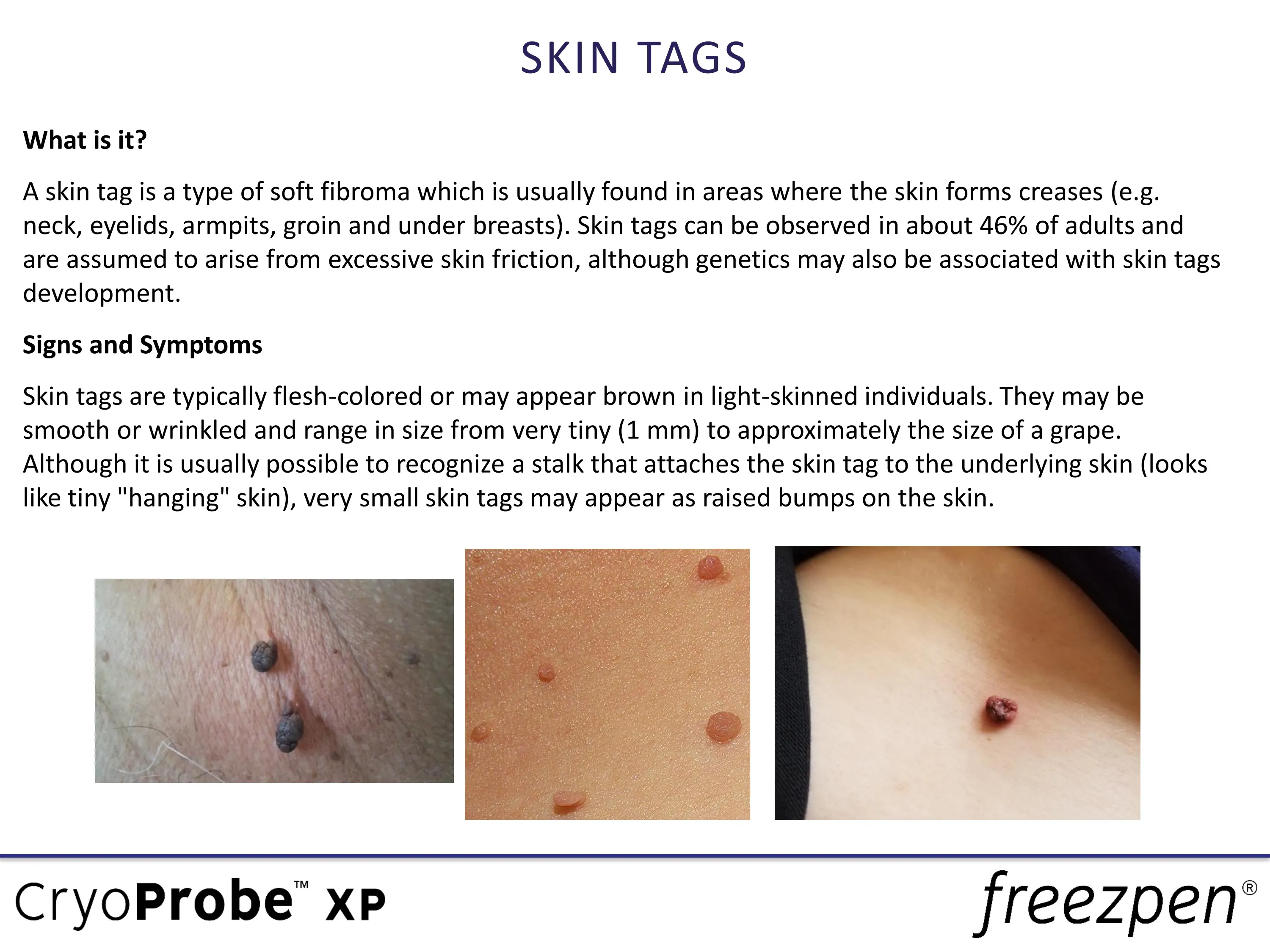
Skin tags affect roughly 46% of adults. They appear in skin folds — neck, eyelids, armpits, under the breasts, groin — and tend to multiply with age, weight changes and pregnancy. They are completely benign, but they catch on jewellery, snag on razors and, frankly, bother people every time they look in the mirror.
For Liliana, skin tags are the most satisfying lesion to treat. A 1 mm CryoProbe tip is placed directly on the tag for one to a few seconds. The tag turns white, then within hours darkens and dries and within 7 to 14 days it falls off cleanly, usually without a trace. One session is almost always enough.
Warts: A Targeted Approach to a Viral Infection
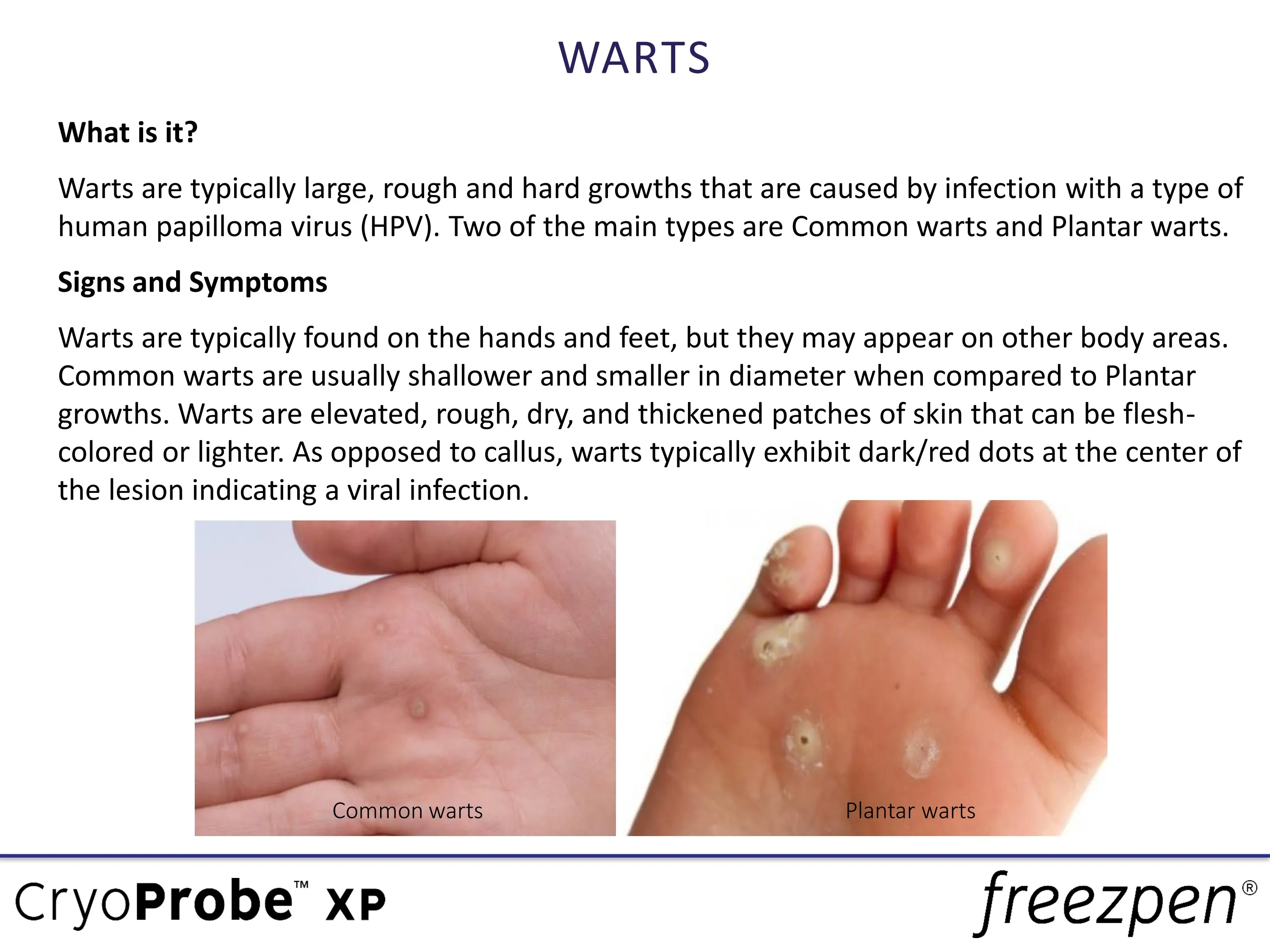
Warts are caused by HPV (human papilloma virus) and come in several forms — common warts on the hands, plantar warts on the soles, filiform warts on the face and neck, periungual warts around the nails. They are notoriously stubborn because the virus lives in the lower layers of the epidermis, protected by thick keratin.
Cryotherapy works by freezing the infected cells. The cell membranes rupture, the immune system is alerted to the viral particles released in the process and the body finishes the job over the following weeks. At Réhabital we typically schedule warts in 2 to 3 sessions, three to four weeks apart, with success rates between 85 and 95% in our experience. Plantar warts on weight-bearing zones may need a fourth session and at-home keratolytic care between visits.
Molluscum, Cherry Angiomas, Milia and Other Common Lesions
The CryoProbe is also our go-to device for several other benign lesions our Côte Saint-Luc clients ask about regularly:
- Molluscum contagiosum — small pearly bumps caused by a pox virus, common in children and immunocompromised adults.
- Cherry angiomas — bright red dots from clusters of small blood vessels, almost universal after 30.
- Milia — tiny white cysts around the eyes and cheekbones that don’t respond to extraction.
- Seborrheic keratosis — waxy “stuck-on” brown patches that appear with age.
- Sebaceous hyperplasia — small yellowish papules with a central dimple, often on the forehead and cheeks.
- Small dermatofibromas — firm benign nodules, often on the legs.
Each of these has its own freezing time, applicator size and number of cycles. None of them require anesthesia or downtime.
What a Session at Réhabital Actually Looks Like
A typical CryoProbe appointment with Liliana lasts 20 to 40 minutes depending on the number of lesions. The sequence is consistent:
1. Dermoscopic assessment. Liliana examines every lesion with a magnifier and applies the ABCDE rule (Asymmetry, Borders, Colour, Diameter, Evolution). Anything ambiguous is referred to a physician before treatment. Cryotherapy is only ever performed on lesions that are clearly benign.
2. Skin cleansing with an antiseptic solution.
3. Treatment. The CryoProbe applicator is held against the lesion for 1 to 30 seconds depending on the type. You feel a sharp cold, then numbness, then a brief sting as the area thaws. Some lesions are treated with a single freeze, others with two freeze-thaw cycles for deeper effect.
4. Aftercare instructions. Sun protection, avoid picking, optional vaseline if the area blisters.
5. Follow-up planning. A control photo is taken and the next visit, if needed, is scheduled for 3 to 4 weeks later.
The Healing Timeline: What to Expect Day by Day
Healing is predictable and follows the same pattern regardless of the lesion type:
- Hours 0-6: redness, mild swelling, a feeling similar to a sunburn limited to the treated spot.
- Day 1-3: formation of a small blister or dark crust. This is normal and expected — it means the cellular destruction worked.
- Day 7-14: the crust dries and detaches on its own.
- Week 3-6: the new pink skin underneath matures and blends back into surrounding skin tone.
The most important rule: do not pick the scab. Premature removal is the single most common cause of mild scarring with cryotherapy.
Why Liliana Ciocoi Is the Right Person for This Treatment
Liliana Ciocoi is a certified esthetician with over a decade of experience in advanced aesthetic and medical-grade treatments. She has dedicated training on the CryoProbe™ XP and FreezPen® systems and has treated hundreds of lesions across all Fitzpatrick skin types in our Côte Saint-Luc clinic. Liliana speaks English, French, Romanian and Russian — which matters in our multicultural West End clientele — and is known for the time she takes to confirm diagnosis, document each lesion photographically and explain exactly what to expect at every stage.
Book your cryotherapy consultation with Liliana →
Where We Serve
Réhabital is located in Côte Saint-Luc, near Cavendish Mall and our cryotherapy clients regularly travel from Hampstead, NDG, Snowdon, Montreal West, Westmount, Saint-Laurent and the wider West End of Montreal. To learn more about the technique itself, visit our dedicated targeted FreezPen cryotherapy page, or read our companion articles on age spots and solar lentigo and how cryotherapy compares to laser and electrocautery.
Frequently Asked Questions
1. Does cryotherapy hurt?
Most clients describe only a brief cold or pinprick sensation lasting a few seconds. Because the CryoProbe is so precise, surrounding nerves are mostly spared and no anesthesia is needed.
2. How many sessions are needed?
Skin tags and small warts usually clear in one session. Common, plantar warts and molluscum may need 2 to 3 sessions, 3 to 4 weeks apart.
3. Will it leave a scar?
Scarring is rare with CryoProbe technology. Some darker skin tones may see transient pigment change that fades over weeks to months.
4. Can I treat lesions on my face?
Yes — the precision of the CryoProbe makes it especially well suited for the face, including the eyelids, nose and around the lips.
5. How do I prepare for the session?
Arrive with clean, product-free skin on the treated area. Avoid retinoids and acids for 48 hours before. Bring a list of any medications and a complete medical history.
6. Is cryotherapy covered by insurance?
Cryotherapy for benign aesthetic lesions is not covered by RAMQ or most private insurers. We provide a detailed receipt; some employer wellness plans reimburse a portion.
Frequently asked questions
Related conditions we treat
Related articles
Cryotherapy vs Laser vs Electrocautery: Which Is Best for Removing a Benign Skin Lesion?
A clear comparison of the three most-used methods for removing skin tags, warts, spots and angiomas — with the ABCDE rule and the recommendations of Liliana Ciocoi in Côte Saint-Luc.
Goodbye Age Spots & Solar Lentigo: How CryoProbe Cryotherapy Reveals Younger-Looking Skin
Why targeted cryotherapy often outperforms laser and chemical peels for sun-induced dark spots on the face, hands and décolleté — with Liliana Ciocoi in Côte Saint-Luc.
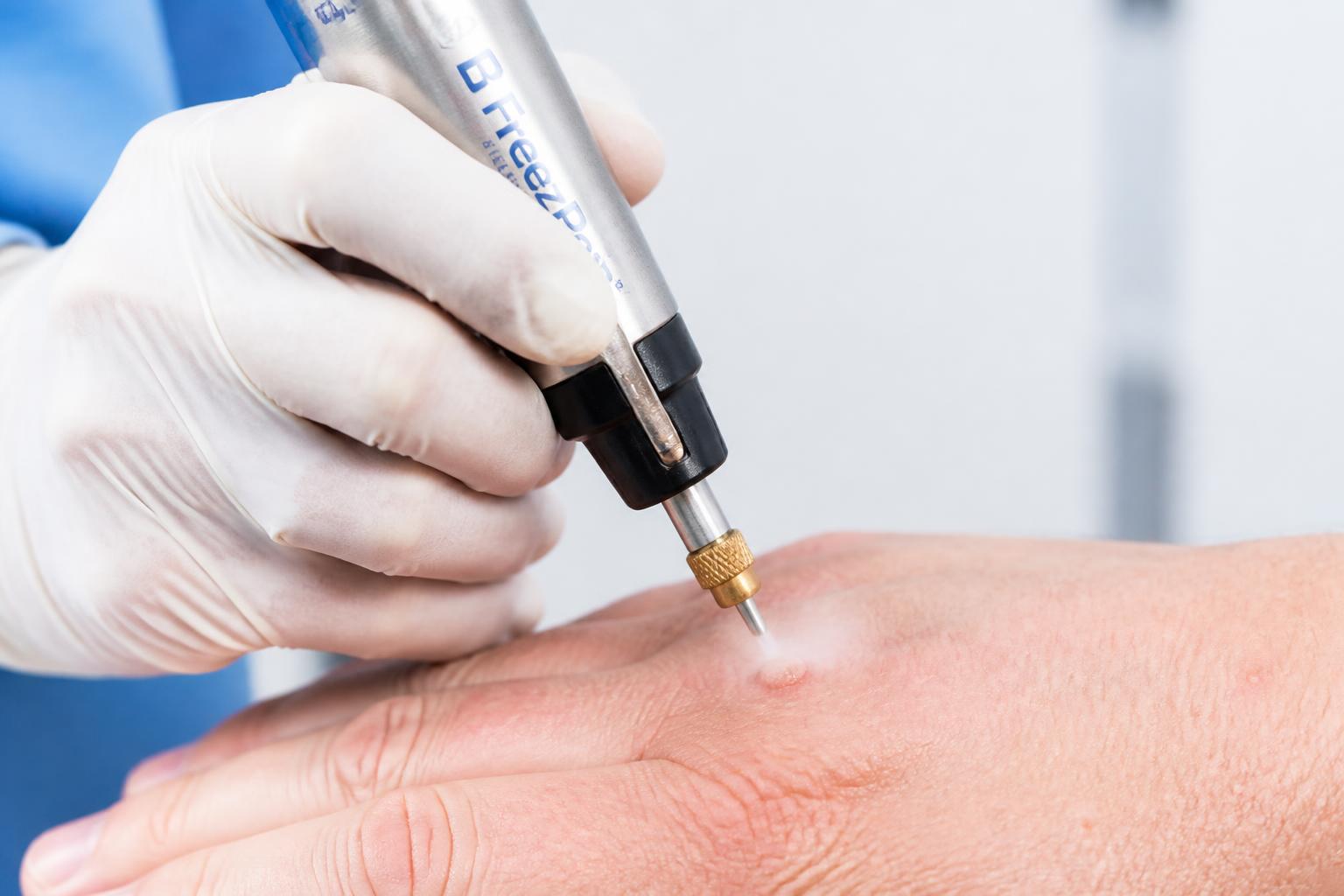
What Skin Lesions Can Be Treated with FreezPen Cryotherapy? The Complete Guide (Montreal)
Skin tags, sun spots, seborrheic keratosis, milia, sebaceous hyperplasia and some warts: the complete guide to what FreezPen cryotherapy can treat in Côte Saint-Luc — and which lesions must be medically assessed first.
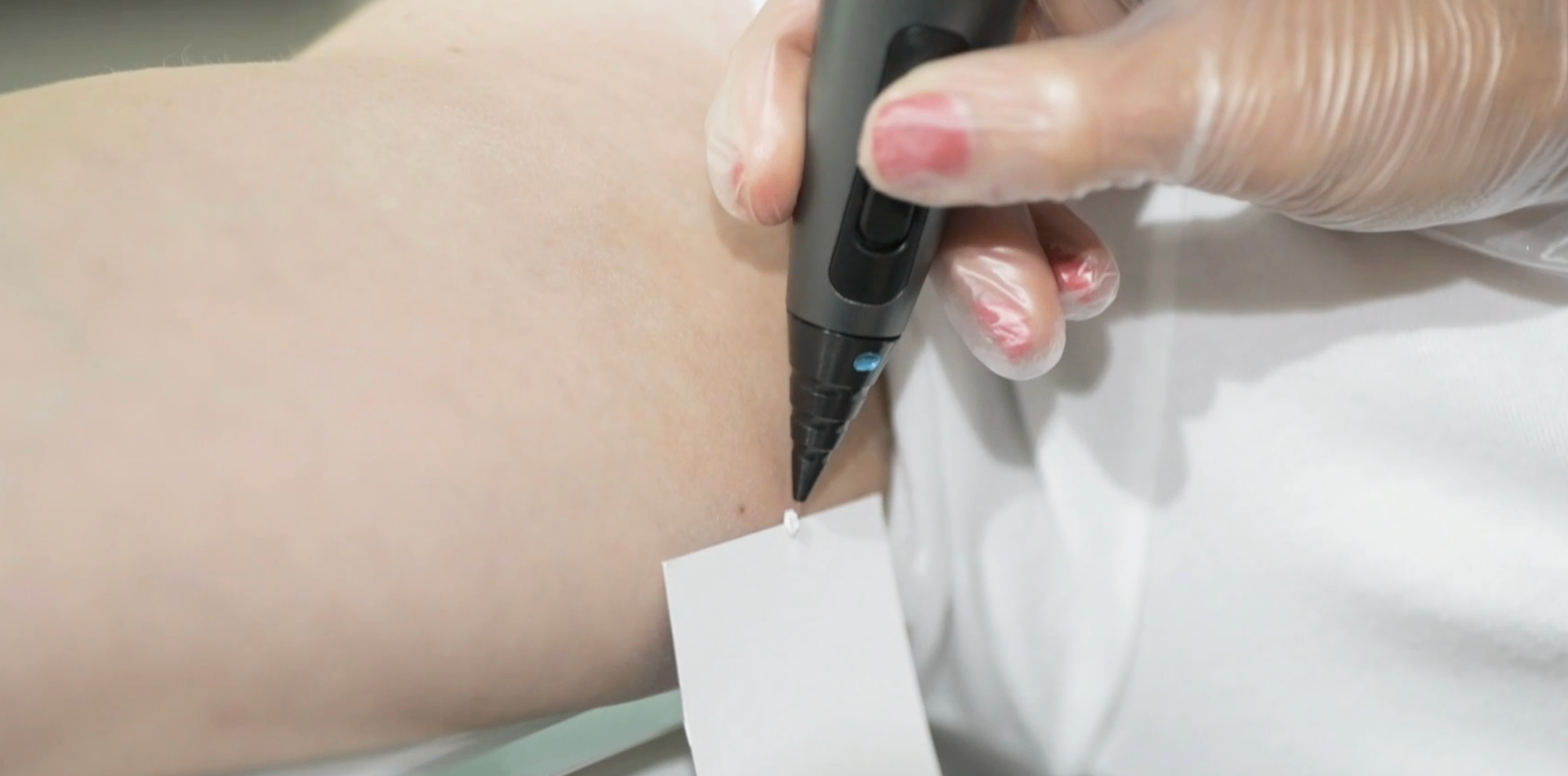
Removing Warts with FreezPen Cryotherapy (DermaSpark) in Côte Saint-Luc
How the FreezPen cryotherapy pen by DermaSpark removes common, plantar and filiform warts in seconds with medical precision at Réhabital clinic in Côte Saint-Luc.
FreezPen vs. Liquid Nitrogen: What’s the Difference for Skin Lesion Removal?
Precision, treated area size, indications, treatment experience and recovery: an honest comparison of FreezPen cryotherapy and traditional liquid nitrogen for removing skin tags, spots and warts in Montreal.
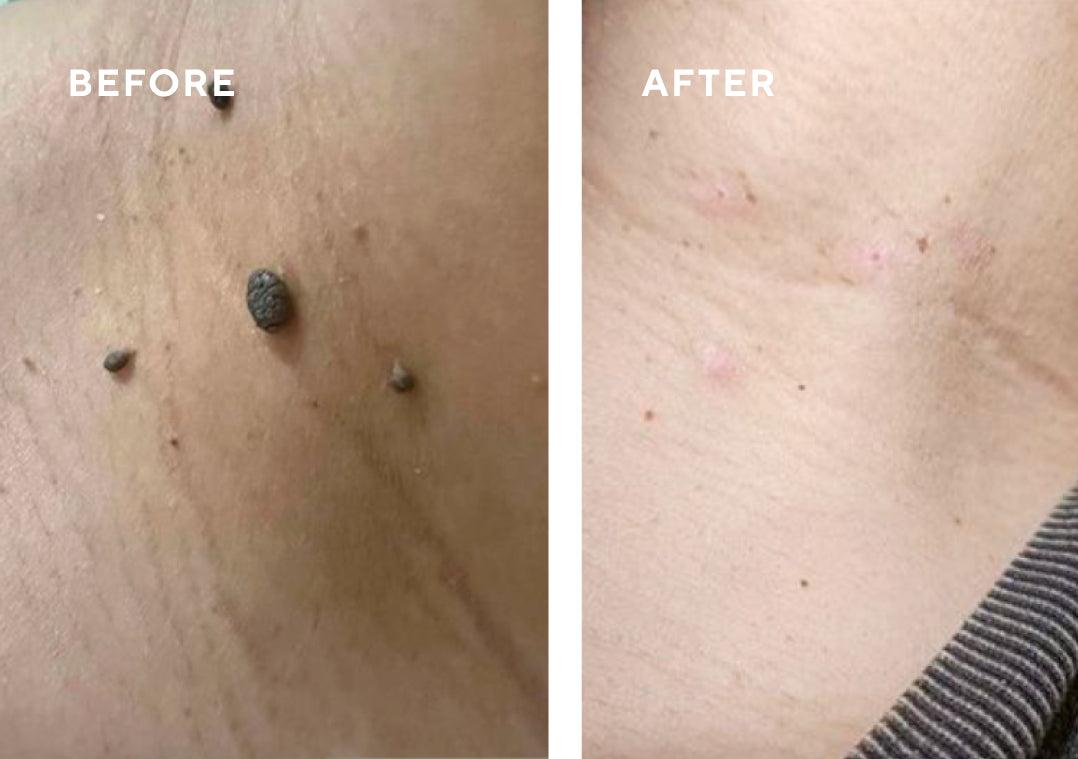
FreezPen Cryotherapy: Precise Skin Lesion Treatment in Montreal
Discover FreezPen cryotherapy, a cutting-edge technology used at Réhabital Côte Saint-Luc to gently remove warts, age spots, skin tags and benign skin lesions.