
Dark Spots: How to Fade Them with Dermalogica Chemical Peels and FreezPen Cryotherapy in Côte Saint-Luc
Sun spots, lentigines, post-acne marks or melasma? A clinical guide on choosing between Dermalogica professional chemical peels and targeted FreezPen cryotherapy (DermaSpark) — and when to combine them — at Réhabital in Côte Saint-Luc.
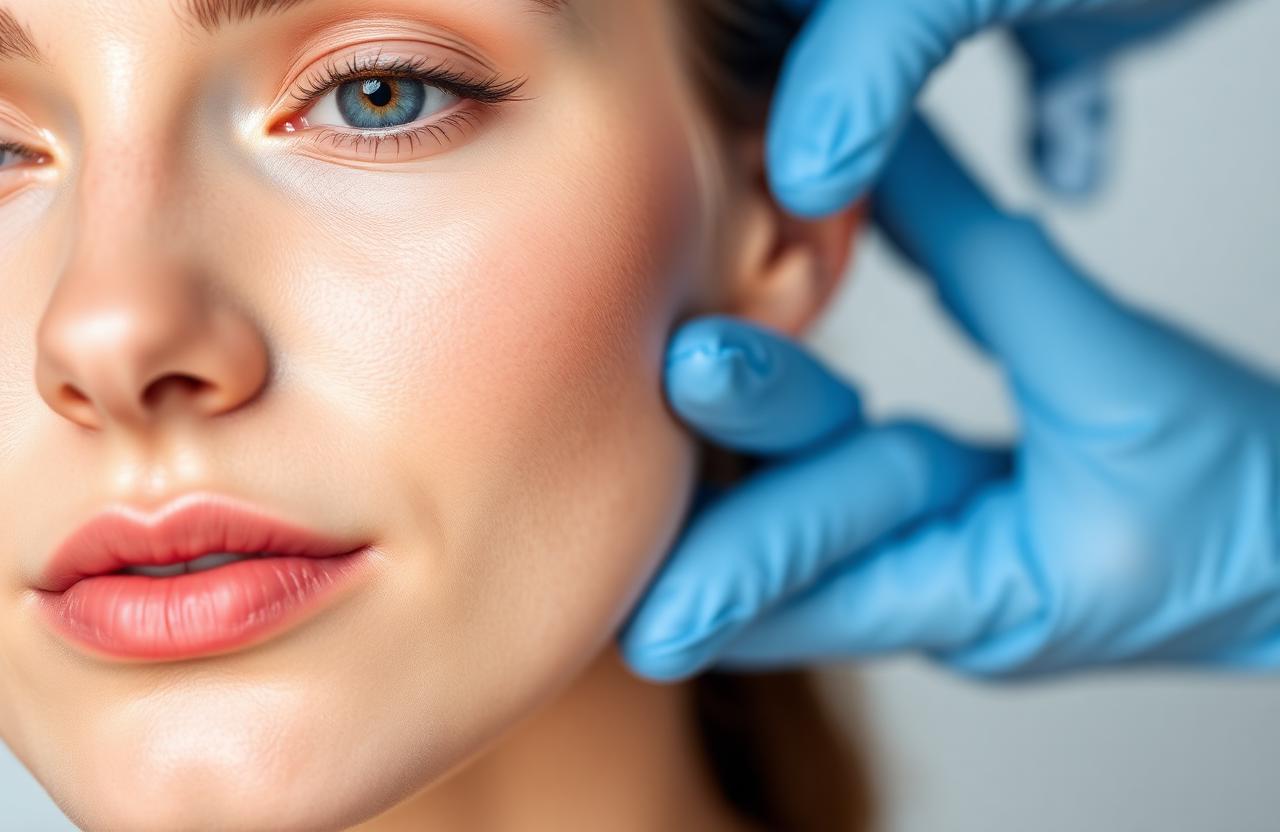
Dark spots on the face are one of the most common — and most frustrating — skin concerns we see at Réhabital in Côte Saint-Luc. A single stubborn spot on the cheekbone, a scatter of freckles across the nose, brown marks left behind by old acne, or the mask-like pattern of melasma across the forehead: they age the face, blur its clarity, and often resist the creams promised on drugstore shelves. The good news is that with the right clinical tools — professional Dermalogica chemical peels for diffuse hyperpigmentation and targeted FreezPen cryotherapy (by DermaSpark) for isolated spots — most patients see meaningful fading within a few weeks, and dramatic improvement over a full protocol.
This guide walks you through how dark spots form, when a peel is the right answer, when cryotherapy is better, and — most importantly — how to combine the two safely for the best result on your specific skin.
1. Understanding dark spots: not all pigmentation is equal
Before choosing a treatment, you have to name the enemy. In our aesthetic consultations at Côte Saint-Luc we generally sort dark spots into four categories:
- Solar lentigines (sun spots, age spots): Flat, well-defined brown patches on the cheeks, temples, backs of the hands and chest. Caused by decades of UV exposure. Isolated and stable — perfect targets for cryotherapy.
- Post-inflammatory hyperpigmentation (PIH): Brown or red flat marks left after an acne pimple, an ingrown hair, an eczema flare or a scratch. Diffuse and follow the pattern of the original inflammation.
- Melasma: Symmetrical brown patches on the upper cheeks, forehead, upper lip and jawline. Hormonally driven (pregnancy, birth control, thyroid) and worsened by heat and light.
- Freckles (ephelides): Small light-brown spots that darken in summer and fade in winter. Cosmetic more than clinical, and often loved as much as they are treated.
The reason this classification matters is simple: the same treatment can be brilliant for one type of spot and disastrous for another. Cryotherapy is excellent for a solar lentigo and dangerous for melasma. A strong peel can transform post-acne marks and worsen a fresh melasma. That's why the first step at Réhabital is always Dermalogica FaceMapping — a structured skin analysis that identifies exactly what we're treating.
2. Dermalogica Pro Peels: the science of controlled resurfacing
Dermalogica is one of the most respected professional skincare brands in the world, used in over 100 countries and trained through the International Dermal Institute. Their Pro Peel systems are not the harsh, painful peels of the early 2000s — they are layered, modular acid solutions designed to be titrated to your skin in real time.
For dark spots, we most often use:
- Glycolic acid — the smallest alpha-hydroxy acid molecule, ideal for surface pigment and sun damage.
- Lactic acid — a gentler AHA that brightens while hydrating; excellent for sensitive or drier skin.
- Mandelic acid — a larger, slower-penetrating AHA that is safer for darker phototypes and melasma-prone skin.
- Salicylic acid — a beta-hydroxy acid that penetrates oil, ideal for post-acne marks and oily, congested skin.
- Enzyme boosters — pineapple and pumpkin enzymes for the most sensitive skins that still need brightening.
A typical Pro Peel session at Réhabital lasts 45 to 60 minutes: double cleanse, exfoliation, targeted peel application, LED light therapy, calming mask, moisturizer and SPF 50. You leave with visible glow immediately, and the deeper brightening effect builds over the next 5 to 10 days.
3. FreezPen cryotherapy: precision for isolated spots
The FreezPen is a medical cryotherapy device by DermaSpark, distributed across Canada and used at Réhabital for the removal of benign skin lesions. It delivers a fine, controlled jet of nitrous oxide at −89 °C — cold enough to destroy pigmented cells without heat, laser or anesthesia.
For dark spots, we use FreezPen in short cycles of 5 to 15 seconds directly over an isolated pigmented lesion. The cold freezes the melanocytes (pigment-producing cells) concentrated inside the spot; over the next 7 to 14 days the treated tissue darkens, dries, and flakes off, revealing normal skin underneath.
Because FreezPen is precise to about 1 mm, it can treat a single spot on the cheekbone without touching the surrounding healthy skin — an accuracy that lasers and broad peels simply can't match for a well-defined lesion.
4. When to choose a chemical peel vs. cryotherapy
Think of it this way:
- Chemical peels = resurface a zone or the whole face. Great for diffuse hyperpigmentation, uneven tone, post-acne marks and prevention.
- FreezPen cryotherapy = target a single spot. Great for solar lentigines, isolated seborrheic keratoses and stubborn age spots that won't budge with topical care.
In practice, most of our patients over 35 have a mix of both — a general dullness with a couple of standout dark spots. That's exactly where our combined protocol shines.
5. The combined Réhabital protocol for dark spots
Here is what a typical 12-week plan looks like when we combine both technologies:
- Week 0 — Consultation and FaceMapping: photograph, phototype assessment, spot mapping.
- Week 1 — First Dermalogica Pro Peel (usually lactic or mandelic) to prime the skin.
- Week 2 — FreezPen session on 2 to 4 isolated, well-defined lentigines (never on the same day as a peel).
- Weeks 3–6 — Second and third Pro Peels, progressively raising the concentration if the skin tolerates it well.
- Week 8 — FreezPen touch-up on any lesion not fully cleared, and re-evaluation of the surrounding tone.
- Weeks 10–12 — Fourth Pro Peel + LED session to lock in the result and calibrate maintenance.
- Maintenance: quarterly peels + daily SPF 30–50 + targeted brightening serum at home.
6. Home care that makes or breaks the result
Even the best clinical protocol will fail without a disciplined home routine. Our non-negotiables at Réhabital:
- SPF 30 or higher, every single morning, reapplied every 2 hours if outdoors. This is not optional — UV re-triggers pigmentation faster than any treatment can fade it.
- A tyrosinase-inhibiting serum (vitamin C, niacinamide, tranexamic acid or Dermalogica PowerBright) applied morning and night.
- A gentle retinoid 2 to 4 nights per week, introduced slowly.
- No harsh scrubbing, no lemon juice, no unregulated “brightening” creams — they cause more pigmentation than they treat.
7. What results can you realistically expect?
Being honest with our patients matters more than promising miracles. Here is what we typically see:
- Isolated solar lentigines with FreezPen: 80 to 100% clearance in 1 to 2 sessions.
- Post-acne marks with Dermalogica peels: 60 to 90% fading over a 4- to 6-session course.
- General dullness and uneven tone: visibly brighter, more even skin after 2 to 3 peels.
- Melasma: 30 to 70% improvement with disciplined peels + SPF + brightening actives — and lifelong maintenance.
8. Safety, side effects and who should not be treated
Both peels and cryotherapy are very safe in trained hands, but we always screen for:
- Active infection, cold sores or open acne in the treatment area.
- Pregnancy or breastfeeding (we adjust the protocol; some peels are avoided).
- Recent use of isotretinoin (Accutane) within 6 months.
- Raynaud's disease, cold urticaria or cryoglobulinemia (contraindicate cryotherapy).
- Very dark phototype with previous PIH history (we start with the gentlest option and test).
9. How this fits with your broader aesthetic plan
Dark spots rarely arrive alone. Most patients we treat for pigmentation also want to address early lines, dullness or acne. That's why our aesthetic team works alongside the wider Réhabital clinical team — combining Dermalogica peels and FreezPen cryotherapy with LED light therapy, professional Dermalogica facials and, when relevant, general cryotherapy for skin health. For patients whose pigmentation is aggravated by inflammation or stress, we sometimes also integrate naturopathy support to work on hormonal and gut-related triggers from the inside.
10. Ready to fade your dark spots in Côte Saint-Luc?
If you have been looking in the mirror and wondering whether that stubborn spot on your cheekbone or the shadowy zone around your mouth can ever really lighten — the answer, in almost every case, is yes. With the right combination of Dermalogica Pro Peels for the overall tone and FreezPen cryotherapy for the isolated spots, and a home routine you can actually stick to, most patients at Réhabital see visible progress within 4 to 8 weeks.
Book a complimentary aesthetic consultation online 24/7 via Jane App, or call us at 438-842-3550. Réhabital is located at Cavendish Mall, D4-5800 boulevard Cavendish, Côte Saint-Luc, with free indoor parking, a bilingual team, and evening and weekend availability. Learn more on our Aesthetic Care page or explore the Chemical Peel and Laser & Cryotherapy sub-pages.
Frequently asked questions
Related conditions we treat
Related articles
Melasma: Causes, Prevention & How Deep Dermalogica Facials Also Reduce Acne in Côte Saint-Luc
Symmetrical brown patches on the cheeks, forehead or upper lip? A complete clinical guide to melasma — hormonal, UV and heat triggers, realistic prevention — and how our deep Dermalogica facials also reduce acne at Réhabital in Côte Saint-Luc.
Understanding Keratosis Pilaris (Chicken Skin): Facial & Body Treatment at Réhabital, Côte Saint-Luc
Tiny rough bumps on the back of your arms, cheeks or thighs? A complete clinical guide to keratosis pilaris — causes, myths, and how our professional Dermalogica facials, gentle chemical peels and targeted cryotherapy fade it long-term at Réhabital in Côte Saint-Luc.
Post-Acne Dark Spots: Which Treatments Actually Work on Brown Marks?
Brown marks left behind by acne can linger for months or even years. Discover which treatments actually make a difference, from professional peels to SharpLight DPC laser.
Hyperpigmentation & Dark Spots: Professional Treatments That Actually Work — Côte Saint-Luc
A clinical guide to the four types of hyperpigmentation — melasma, sun spots, PIH, freckles — and the professional treatments that deliver real results: chemical peels, microneedling, IPL and green LED therapy.
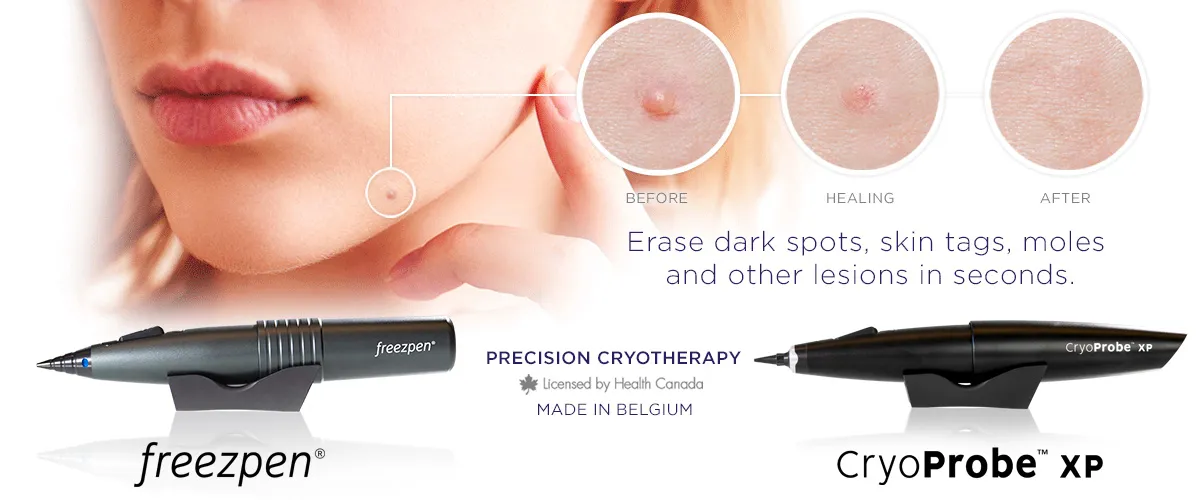
Goodbye Age Spots & Solar Lentigo: How CryoProbe Cryotherapy Reveals Younger-Looking Skin
Why targeted cryotherapy often outperforms laser and chemical peels for sun-induced dark spots on the face, hands and décolleté — with Liliana Ciocoi in Côte Saint-Luc.
Melasma or Sun Spots: How to Tell the Difference
Melasma and sun spots are both common forms of hyperpigmentation, but they don’t respond to the same treatments. Here’s how to tell them apart and what options are available in Côte Saint-Luc.