
Goodbye Age Spots & Solar Lentigo: How CryoProbe Cryotherapy Reveals Younger-Looking Skin
Why targeted cryotherapy often outperforms laser and chemical peels for sun-induced dark spots on the face, hands and décolleté — with Liliana Ciocoi in Côte Saint-Luc.
The Spots We Didn’t Earn — and What to Do About Them
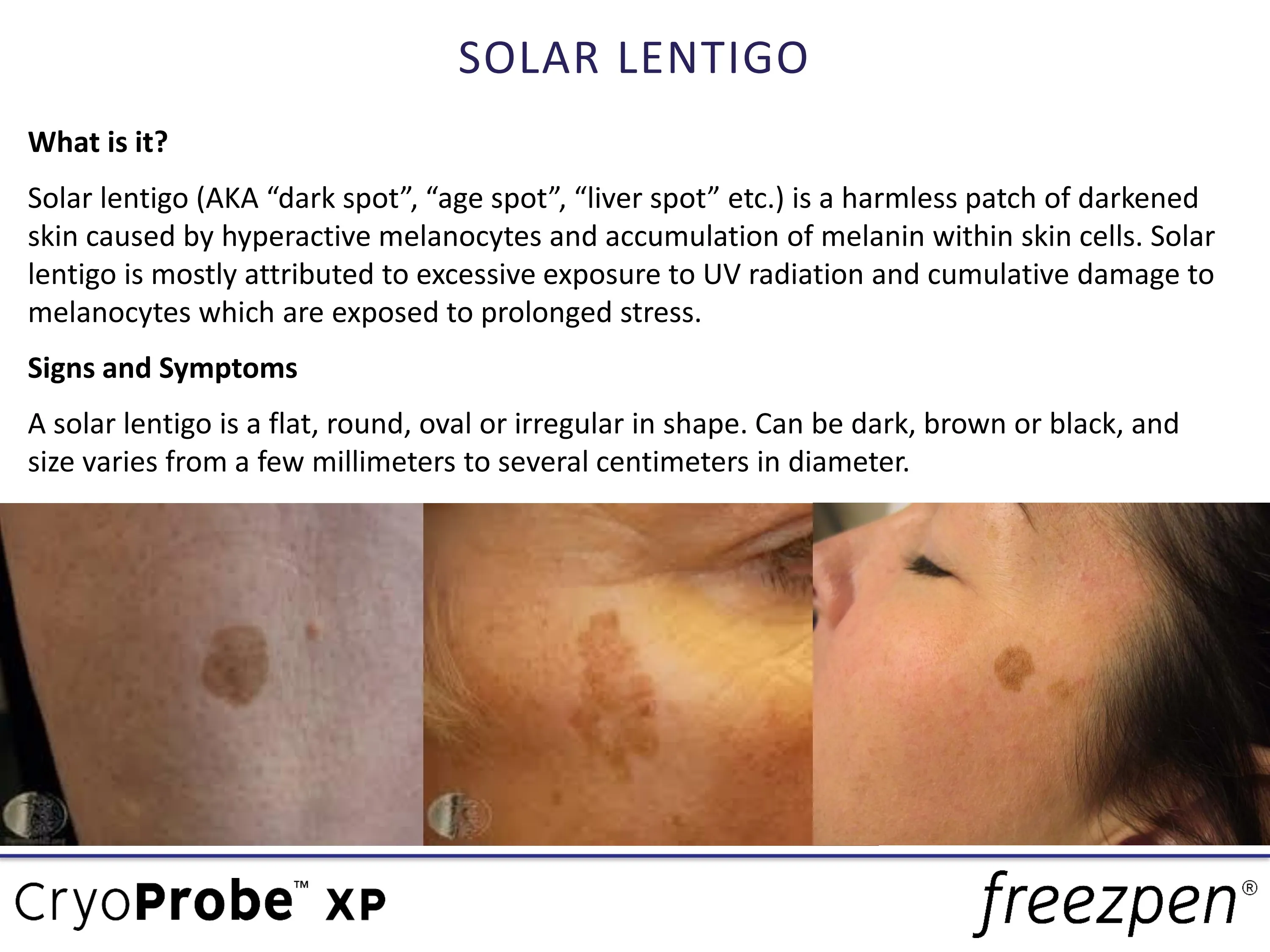
Most of the brown spots that appear on the face, décolleté and the backs of the hands after 40 are not “age” spots at all. They are solar lentigos — visible scars of decades of cumulative UV exposure. The summers at the cottage, the morning commute through the windshield, the ten years before high-SPF sunscreen became routine: every one of those days deposited a microscopic dose of melanin in your skin. The cells responsible for that pigment — the melanocytes — eventually became hyperactive in concentrated clusters. The result is a flat, oval, beige-to-dark-brown patch that nothing topical seems to fade.
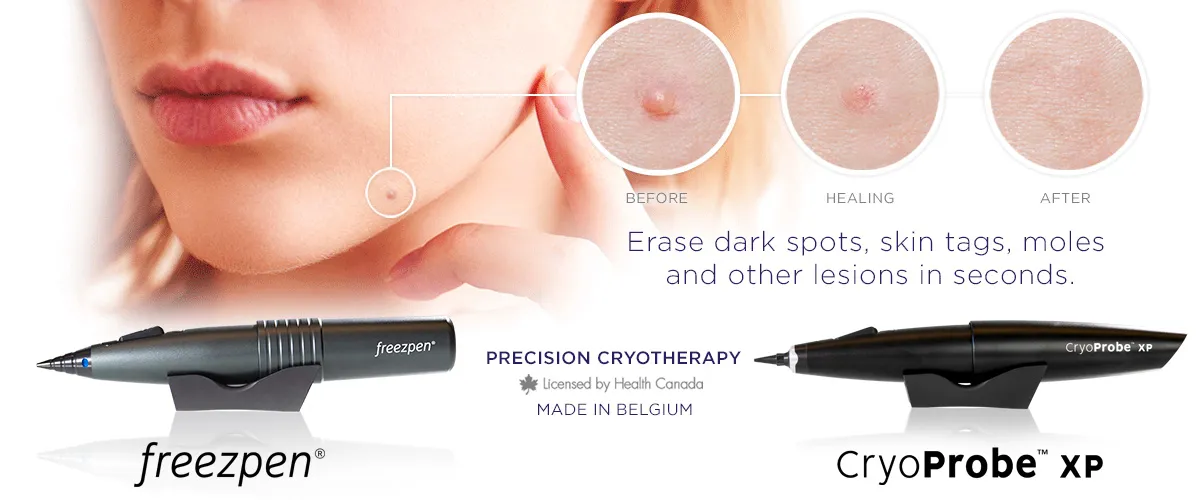
At Réhabital in Côte Saint-Luc, the most precise tool we have for these spots is targeted cryotherapy with the CryoProbe™ XP, performed by Liliana Ciocoi. This article explains why it works, how it differs from laser, what the healing weeks look like and how to make sure the spot you remove doesn’t return.
What Exactly Is a Solar Lentigo?
A solar lentigo (also called age spot, liver spot or sun spot) is a flat, harmless patch of darkened skin caused by hyperactive melanocytes and an accumulation of melanin inside skin cells. It is mostly attributed to excessive UV exposure and cumulative damage to melanocytes that have been chronically stressed. Solar lentigos are flat, round, oval or irregular in shape and can range from a few millimetres to several centimetres in diameter. They are almost always benign — but only a trained eye should confirm that. Any spot that changes colour, develops asymmetry or grows quickly should be evaluated medically before any aesthetic treatment.
Why Cryotherapy Works So Well for Pigment Spots
Melanocytes are extremely sensitive to cold. While a normal skin cell is destroyed somewhere around -20°C, melanocytes start dying at around -4°C to -7°C. This is the biological key. By delivering nitrous oxide at -89°C to a very small zone with the CryoProbe, Liliana can destroy the overactive melanocyte cluster while keeping the freezing time short enough to preserve most of the surrounding keratinocytes. The result, after one healing cycle, is new epidermis that comes in with normal pigment production — visibly lighter than the spot that was there before.
This selective vulnerability is also why cryotherapy is, paradoxically, often better tolerated by darker skin tones than aggressive intense pulsed light (IPL). When IPL is poorly calibrated for Fitzpatrick IV-VI, it can cause post-inflammatory hyperpigmentation. Precision cryotherapy, by contrast, treats only what is touched.
Cryotherapy vs Laser vs Chemical Peel
Each modality has a place. The honest comparison:
- Targeted cryotherapy (CryoProbe™ XP): best for a handful of well-defined spots, especially on hands, décolleté and the face. Per-spot pricing. Minimal downtime. Safe for most skin tones when properly performed.
- IPL / laser: best when you have dozens of small spots spread across a large surface. One session treats the whole zone. Requires a fair-skin assessment and strict sun avoidance before and after.
- Chemical peels (Dermalogica Pro, glycolic, mandelic, TCA): excellent as a complement — they refine the overall texture and brighten diffuse pigmentation, but rarely erase a defined lentigo on their own.
For most of our Côte Saint-Luc clients, the optimal protocol is a combination: cryotherapy on the defined spots, a brightening peel series for the surrounding tone and daily SPF 50 to lock everything in.
Where Solar Lentigos Show Up Most
Three zones account for the vast majority of treatments Liliana performs:
1. The back of the hands. Thin skin, constant UV exposure when driving, almost always the first zone to show age. Spots here often cluster between the knuckles and the wrist. A 30-minute CryoProbe session can address eight to fifteen spots in one visit.
2. The face, especially the cheekbones and temples. Years of weekend sun gradually create one or two larger dominant spots that the eye is drawn to in every photo. These respond beautifully to a 5 to 15 second freeze, with healing fully tucked under makeup after 10 to 14 days.
3. The décolleté and shoulders. Where summer V-neck lines decade after decade leave a sun-damaged triangle. Multiple small spots can be treated in a single session; we often pair this with LED red-light therapy to support collagen recovery in the same skin.
Inside a Session With Liliana
A pigment-spot session with Liliana begins with a dermoscopic exam. Each spot is photographed under polarized light and graded. Any spot that fails the ABCDE rule (Asymmetry, irregular Borders, multiple Colours, large Diameter, recent Evolution) is referred for medical evaluation — never frozen. For benign solar lentigos, the protocol is:
- Cleansing and degreasing of the zone.
- Tip selection — usually 2 mm or 5 mm depending on spot size.
- Application: 5 to 15 seconds of -89°C N₂O directly on the spot. You feel cold, then a brief burn during thaw.
- Optional second cycle for very dark or thicker spots.
- Aftercare — vaseline, no makeup on the spot for 48 hours, mandatory SPF 50.
A typical 10-spot session on the hands takes 20 to 30 minutes from start to finish.
The 6-Week Healing Story
What you will see, day by day:
- Days 0-2: redness, mild swelling, sometimes a small blister. The spot already looks darker than before — this is intentional and means it worked.
- Days 3-10: a dark crust forms over the spot. It is small, dry and well-delimited. Cover with a sticker or makeup if needed.
- Days 10-21: the crust detaches on its own. Pink, slightly lighter skin underneath.
- Weeks 3-6: the new skin matures and blends into surrounding tone. By week 6, the spot is typically invisible or significantly faded.
- Long term: with strict SPF 50 use, the spot stays gone. Without SPF, new spots may form nearby within a few years.
Liliana Ciocoi: Precision Aesthetics in Côte Saint-Luc
Liliana Ciocoi is the certified esthetician most of our Côte Saint-Luc clients see for pigment work. Beyond CryoProbe certification, she is trained in Dermalogica Pro brightening protocols and in professional skin analysis — which means your treatment plan accounts for skin type, history of sun exposure, hormones and lifestyle. She speaks English, French, Romanian and Russian and has treated hundreds of solar lentigos across all Fitzpatrick phototypes since joining the Réhabital team.
Book your pigment-spot assessment with Liliana →
Going Further
For the technical details of how the CryoProbe device works, visit our targeted FreezPen cryotherapy page. To understand the other lesions we treat with the same device, read our companion guide on cryotherapy for skin tags and warts and our cryotherapy vs laser vs electrocautery comparison.
Frequently Asked Questions
1. Will the spot come back?
The treated cluster is gone. New spots can form nearby without daily SPF 50.
2. Is cryotherapy painful on the face?
A brief cold, then a 1 to 2 second sting at thaw. Most clients say it is much less uncomfortable than a laser pulse.
3. How many spots in one session?
Liliana can treat 8 to 15 spots in a 30-minute session, depending on size and location.
4. Will I have a scab on my face?
Yes — small, dry, well-delimited, usually invisible under makeup after 48 hours and gone within 2 weeks.
5. Is this safe for Fitzpatrick V-VI?
Yes, with appropriate freezing times. Liliana will adapt the protocol after assessment.
6. Should I do this in summer?
We prefer to schedule pigment work in fall, winter and early spring to limit UV during healing.
Frequently asked questions
Related conditions we treat
Related articles
Dark Spots: How to Fade Them with Dermalogica Chemical Peels and FreezPen Cryotherapy in Côte Saint-Luc
Sun spots, lentigines, post-acne marks or melasma? A clinical guide on choosing between Dermalogica professional chemical peels and targeted FreezPen cryotherapy (DermaSpark) — and when to combine them — at Réhabital in Côte Saint-Luc.
Cryotherapy for Skin Tags, Warts & Skin Lesions: A Safe Non-Invasive Solution in Côte Saint-Luc
How CryoProbe™ XP and FreezPen® technology removes skin tags, warts, molluscum, fibromas and other benign skin lesions in seconds — with Liliana Ciocoi at Réhabital.
Cryotherapy vs Laser vs Electrocautery: Which Is Best for Removing a Benign Skin Lesion?
A clear comparison of the three most-used methods for removing skin tags, warts, spots and angiomas — with the ABCDE rule and the recommendations of Liliana Ciocoi in Côte Saint-Luc.
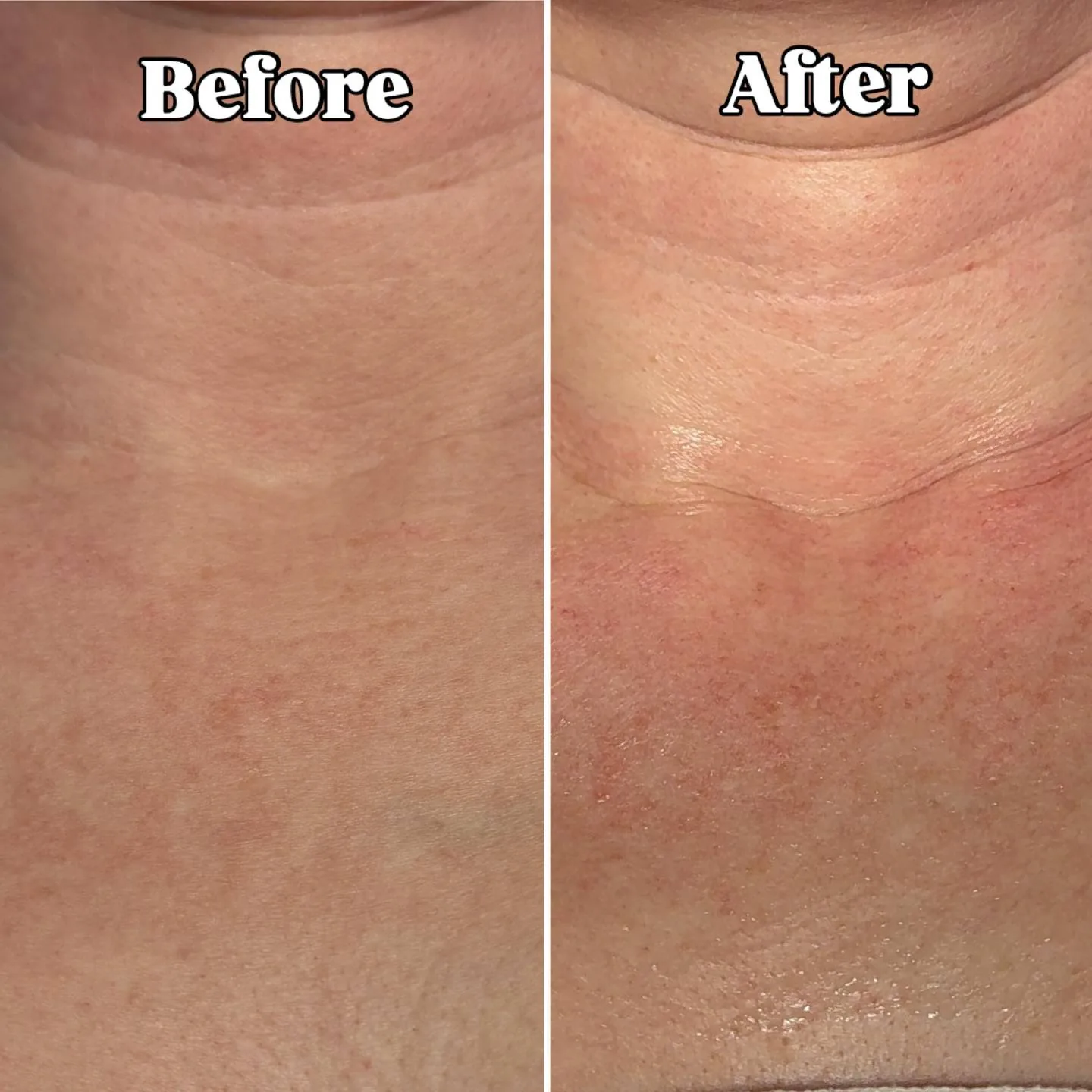
Post-Acne Dark Spots: Which Treatments Actually Work on Brown Marks?
Brown marks left behind by acne can linger for months or even years. Discover which treatments actually make a difference, from professional peels to SharpLight DPC laser.
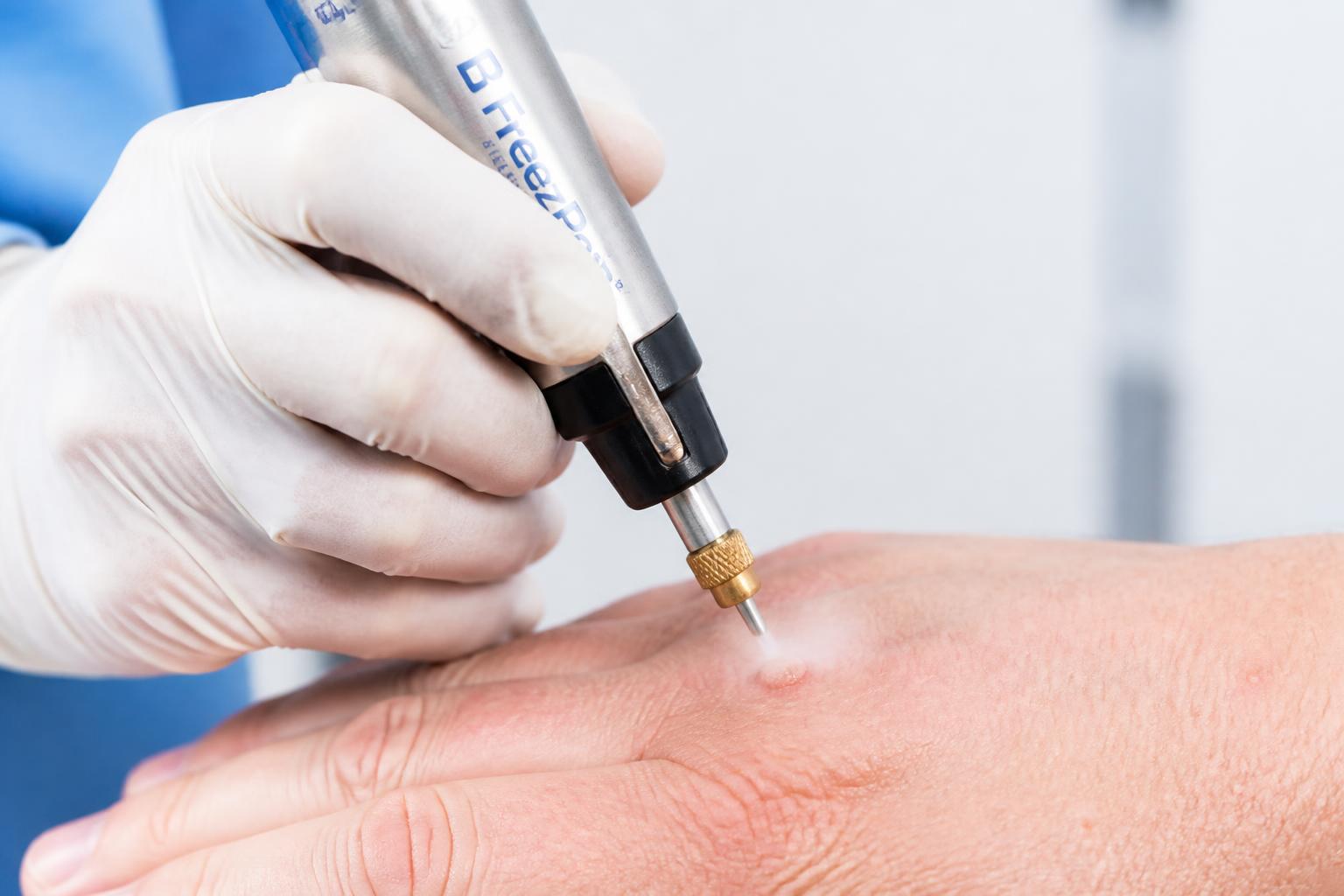
What Skin Lesions Can Be Treated with FreezPen Cryotherapy? The Complete Guide (Montreal)
Skin tags, sun spots, seborrheic keratosis, milia, sebaceous hyperplasia and some warts: the complete guide to what FreezPen cryotherapy can treat in Côte Saint-Luc — and which lesions must be medically assessed first.
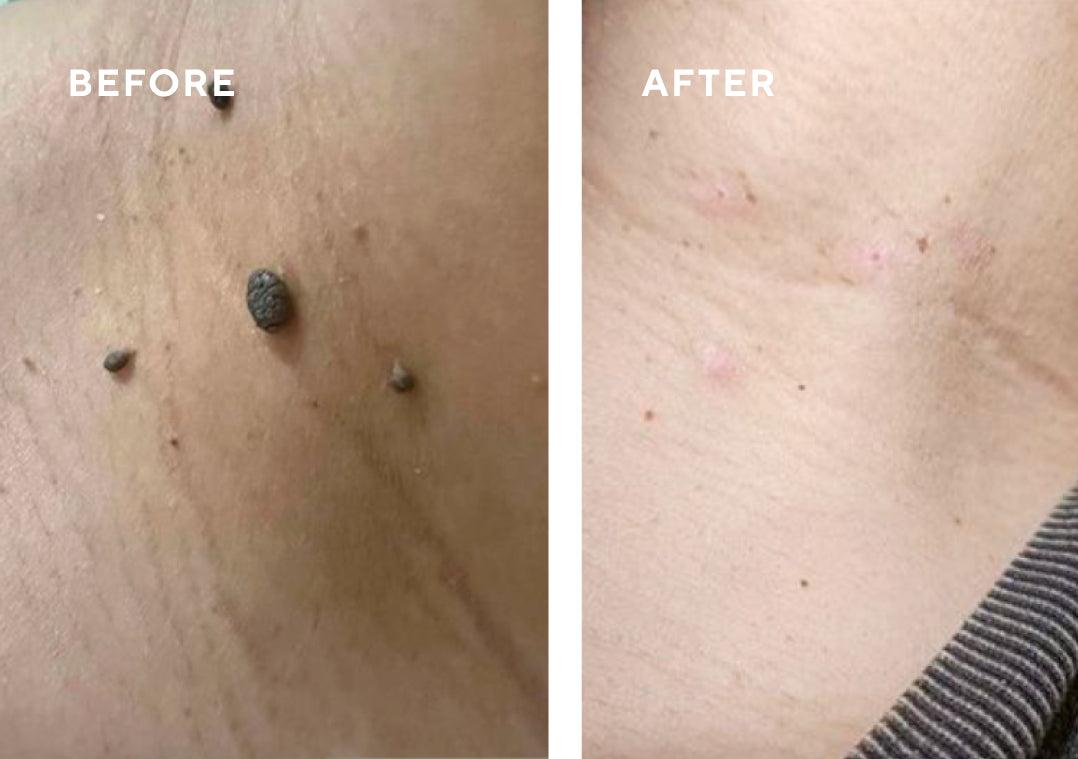
FreezPen Cryotherapy: Precise Skin Lesion Treatment in Montreal
Discover FreezPen cryotherapy, a cutting-edge technology used at Réhabital Côte Saint-Luc to gently remove warts, age spots, skin tags and benign skin lesions.