
How Long Does Sciatica Last? A Realistic Recovery Timeline
Most people want to know when the leg pain will end. This guide explains typical recovery patterns for sciatica, what speeds or slows healing, and when to seek a closer look.

The Honest Answer: It Depends on the Cause
Sciatica does not have one fixed duration. Many episodes improve significantly over a few weeks, while some take longer, particularly when a disc or a narrowed canal is involved or when daily habits keep irritating the nerve. Nobody can promise an exact date, but understanding the usual stages helps you plan.
A Typical Pattern
- Days 1 to 7: the acute phase. Pain is often at its peak. The priority is calming symptoms and staying gently active.
- Weeks 2 to 6: the settling phase. Many people notice leg pain retreating, often from the foot toward the buttock, and back pain becoming the main complaint.
- Weeks 6 to 12: the rebuilding phase. Strength, mobility and tolerance for sitting, lifting and exercise return.
- Beyond 12 weeks. If symptoms persist, the cause deserves a closer look and, sometimes, medical imaging or specialist input.
This is a general pattern, not a guarantee. Your own course may be faster or slower.
What Can Slow Recovery
- Long periods of sitting or driving.
- Staying completely inactive, or returning to heavy activity too early.
- Poor sleep, which lowers pain tolerance.
- High stress, which increases muscle tension and sensitivity.
- An unaddressed mechanical cause such as a stiff pelvis, tight deep hip muscles or a restricted lumbar segment.
What Can Support Recovery
- Staying gently active with short, frequent walks.
- A graded exercise plan from a physiotherapist.
- Hands-on care to release the mechanical contributors. See how osteopathy approaches this.
- Workstation and sleep adjustments.
How Many Sessions Might You Need?
It varies with the cause and how long you have had symptoms. Recent, mechanical cases often respond within a handful of visits, while long-standing or recurrent cases need a more structured plan with gradual spacing. We reassess regularly, and if you are not improving as expected, we revisit the diagnosis or refer you on rather than extend treatment unnecessarily.
When Slow Recovery Is a Reason to Act
- Pain not improving after 4 to 6 weeks of sensible care.
- Leg weakness that is getting worse.
- Pain that wakes you at night and is not position-dependent.
Compare your situation with our guide on red flags, and read the differences between approaches in osteopathy vs physiotherapy for sciatica.
Book a Sciatica Assessment at Réhabital
Our physiotherapists and osteopaths in Côte Saint-Luc work side by side to find what is actually irritating your sciatic nerve and build a plan around it. Book online or read more about sciatica treatment at Réhabital.
Frequently asked questions
Go deeper with our dedicated osteopathy pages
Osteopathy pages with Shahram Ghasemi, MD (Iran), DOMP in Côte Saint-Luc:
Related conditions we treat
Related articles

Pain After Sitting for a Long Time: Why Does Your Back Stiffen Up?
You stand up from your desk or a long car ride and your back is stiff and sore? Discover why this happens and how osteopathy can help.

Sciatica at Night: Why Pain Worsens After Dark and How Osteopathy Helps You Sleep Again
Tossing, turning, woken up by a burning leg at 3 a.m.? Discover why sciatica intensifies at night and how our osteopaths in Côte Saint-Luc help patients sleep deeply again.

Best Treatment for Back Pain: How Osteopathy Provides Lasting Relief
Discover why osteopathy is considered one of the best treatments for back pain. Evidence-based manual therapy for chronic and acute back pain in Montreal.
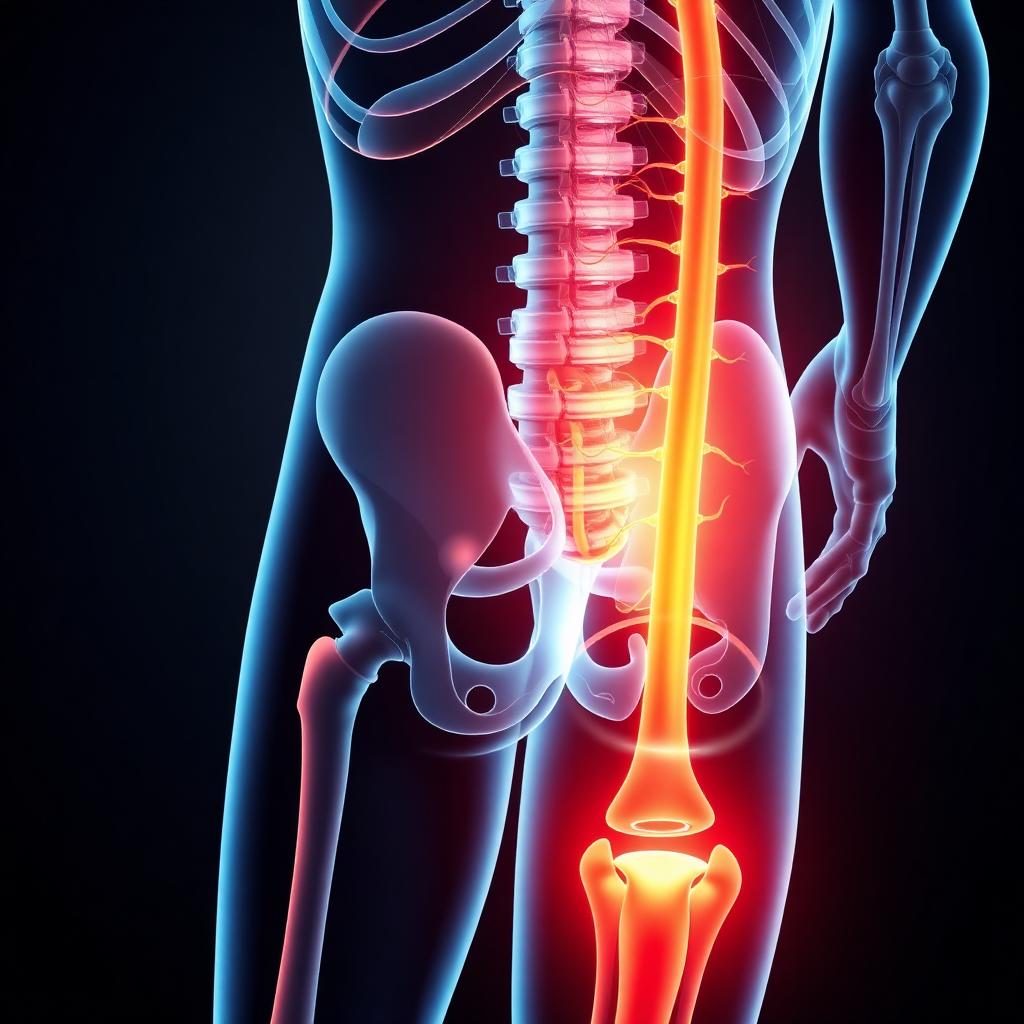
Sciatica Pain Explained: Causes, Symptoms and How Osteopathy Brings Lasting Relief
Sharp, burning pain shooting from your lower back down the leg? Discover the most common causes of sciatica and how our osteopaths in Côte Saint-Luc relieve it without medication or surgery.
Can Osteopathy Relieve Sciatica?
What an osteopath is actually looking for when you arrive with pain running down your leg: pelvis, sacroiliac joint, diaphragm, fascia. Mechanisms, session structure and realistic outcomes in Côte Saint-Luc.
Is It Really Sciatica? Sacroiliac Joint Pain and Other Causes of Leg Pain That Mimic It
Many people with buttock or leg pain are told they have sciatica when something else is behind it. We explain the look-alikes, how they differ and why the right diagnosis changes the treatment.