
Reflexology for Heavy Legs, Tired Feet and Plantar Fasciitis: What It Actually Changes
Heavy legs at the end of the day, burning feet, heel pain on your first morning step: here is how we use reflexology in Côte Saint-Luc to restore circulation, release the plantar fascia and calm the nervous system — protocol, frequency and realistic results.
By the end of a long day, a lot of our patients in Côte Saint-Luc describe the same three sensations: legs that feel heavy and full, feet that burn inside their shoes, and a heel that protests on the first steps out of bed the next morning. These complaints are so ordinary that most people never mention them to a healthcare professional. They simply buy bigger shoes, put their feet up, and accept it as part of aging or of a demanding job.
In practice, these symptoms respond well to a structured manual approach. Reflexology, delivered as a clinical treatment rather than a spa add-on, is one of the most useful tools we have for them.
Why Legs Get Heavy in the First Place
Blood travels down to the feet with the help of gravity, but it has to fight its way back up. Two mechanisms do that work: the one-way valves inside the veins, and the calf muscle pump, which squeezes the deep veins each time you push off the ground. Anything that reduces ankle motion — a desk job, a long flight, standing still behind a counter, stiff footwear, an old ankle sprain that never fully recovered — weakens that pump.
When venous return slows, fluid seeps into the surrounding tissue. That is the heaviness you feel. Heat makes it worse by dilating the vessels; hormonal shifts during the menstrual cycle, pregnancy or perimenopause make it worse by increasing fluid retention.
What Reflexology Does About It
A reflexology session for heavy legs is not passive relaxation. Our therapist works in a defined sequence:
- Ankle mobilisation: rhythmic circles and dorsiflexion-plantarflexion to reactivate the calf pump directly.
- Drainage-oriented strokes: long, slow passes from the toes toward the knee and behind the knee, where the popliteal lymph nodes sit.
- Reflex-point work: the lymphatic, kidney, adrenal and lower-back zones of the foot map, which correlate clinically with fluid regulation and stress load.
- Autonomic downshift: slow, sustained holds that shift the nervous system toward parasympathetic dominance, lowering vascular tone.
Most people stand up after a first session and notice that their shoes fit differently. That effect typically lasts two to four days at first, and longer as the series progresses.
Plantar Fasciitis: A Different Problem, the Same Foot
Plantar fasciitis is not a circulation problem — it is a load problem. The plantar fascia is a thick band running from the heel to the base of the toes. When it is repeatedly overloaded, the insertion at the heel becomes irritated and painful.
The classic sign is unmistakable: the worst pain of your day happens in the first ten steps of the morning, eases after a few minutes of walking, then returns after sitting for a while.
Reflexology helps here for three concrete reasons. First, the calf and Achilles are almost always tight in these patients, and calf tension pulls directly on the fascia. Second, sustained, graded pressure along the fascia reduces its protective guarding. Third, chronic foot pain sensitises the nervous system, and slow manual work measurably lowers that sensitivity.
What reflexology does not do is fix the mechanics that caused the overload. That is why we frequently pair it with physiotherapy for progressive loading of the calf and foot intrinsics, and with osteopathy when the ankle, knee, hip or pelvis are contributing to the problem.
What a Session Looks Like at Réhabital
You stay fully clothed and remove only shoes and socks. You lie on a heated table with bolsters under the knees. We begin with ten minutes of intake — health history, medications, standing hours, footwear, sleep and stress — followed by a hands-on foot assessment: skin integrity, temperature differences, callus patterns, swelling, nail health and range of motion at the ankle and big toe.
That assessment determines pressure depth and which zones to avoid. Sessions run 30, 45 or 60 minutes; a first visit is best booked at 60 minutes.
Realistic Expectations
We are deliberately conservative about what to expect. Reflexology reliably improves comfort, circulation sensation, sleep quality and pain tolerance. It does not cure structural disease, and it is not a substitute for medical assessment. Swelling in only one leg, swelling accompanied by heat and redness, chest symptoms, or a sudden change in foot sensation are reasons to see a physician before booking any massage.
Frequency That Actually Works
For general heaviness and fatigue, one session every three to four weeks maintains the benefit. For plantar fasciitis or persistent swelling, a series of four to six sessions spaced seven to ten days apart produces far more durable change than isolated visits, and we reassess at the end of the series rather than continuing indefinitely.
Between Sessions
- Roll the sole on a cold bottle for five minutes each evening.
- Stretch the calf against a wall, thirty seconds, three times a day.
- Elevate the legs above heart level for ten minutes after work.
- Do twenty ankle pumps every hour if you sit or stand still all day.
- Avoid completely flat unsupported shoes during an acute flare.
Book in Côte Saint-Luc
Our massage therapists see clients from Côte Saint-Luc, Hampstead, Westmount, NDG, Snowdon, Montreal West and Saint-Laurent. Explore our massage therapy services, read how reflexology works, or meet our practitioners and book directly with the therapist of your choice. Réhabital accepts private insurance and SAAQ; CNESST files are not accepted.
This article is informational and does not replace a medical diagnosis. Consult a qualified healthcare professional to assess your specific condition.
Frequently asked questions
Related articles
Hot Stone, Lymphatic Drainage & Reflexology: 3 Specialized Massages for Your Well-Being
Explore three specialized massage techniques offered at Réhabital: hot stone massage, lymphatic drainage and reflexology. Each offers unique benefits for your health.
Reflexology at Réhabital: Our Step-by-Step Protocol and Why We Use the Highest-Quality Massage Gel
See exactly how a reflexology session unfolds at Réhabital in Côte Saint-Luc: assessment, reflex-point mapping, pressure sequence, and the premium professional massage gel we use for flawless glide without irritation.
Every Type of Massage Therapy We Offer in Côte Saint-Luc — and Who Each One Is Really For
A complete guide to the 10 massage therapy modalities offered at Réhabital in Côte Saint-Luc: therapeutic, Swedish, deep tissue, prenatal, hot stone, Himalayan salt, lymphatic drainage, reflexology, belly massage and Ayurvedic. Who is each one really right for?
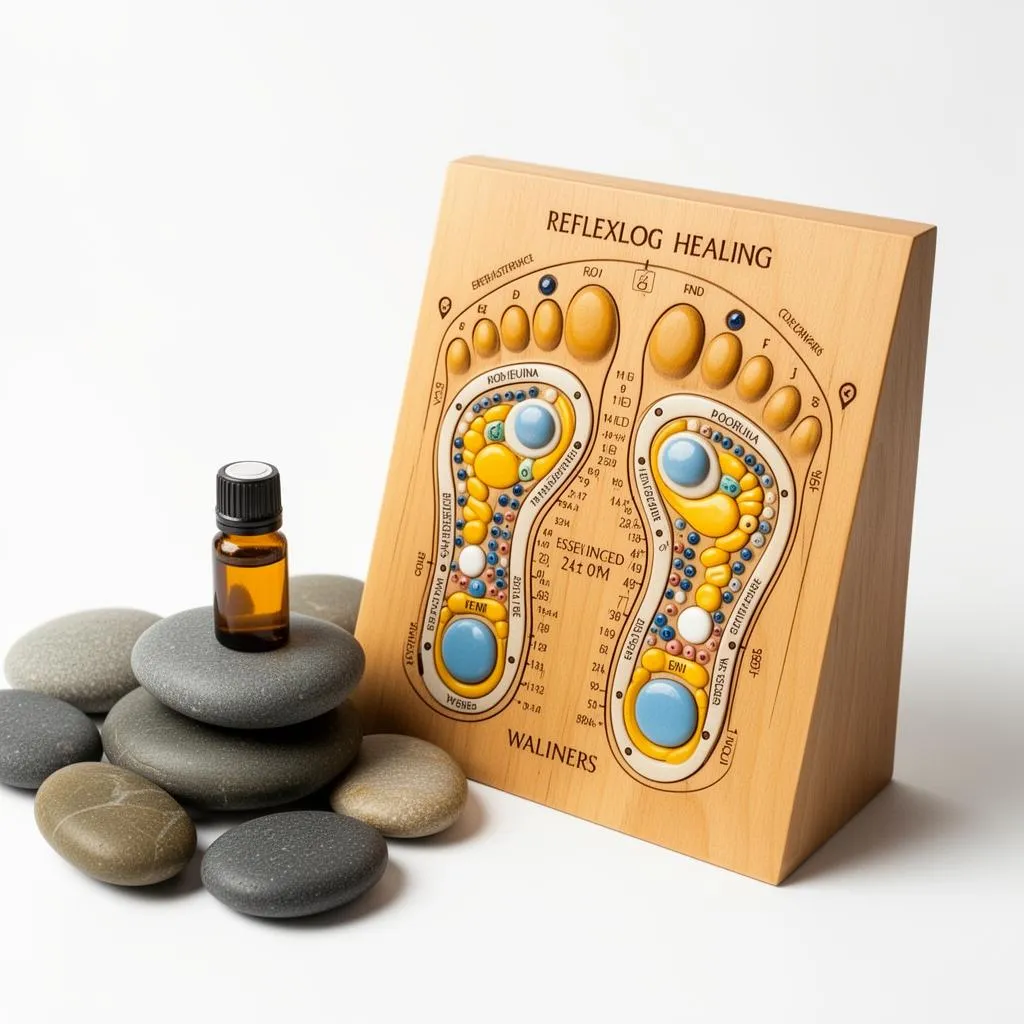
The Complete Guide to Reflexology: Unlocking Wellness in Côte Saint-Luc, Montreal
Discover the ancient healing art of Reflexology. Learn what it is, how it works, its numerous benefits and what to expect during a session at Réhabital in Côte Saint-Luc, Montreal. Reclaim your well-being with this natural therapy.
Muscle Knots and Cramps: Which Massage Type Actually Relieves Each Symptom?
A complete guide to muscle knots, trigger points and cramps: why they form, which massage types relieve them, and when to see a therapist in Côte Saint-Luc.
How Does Reflexology Work? Pressure Points Explained
Discover the science behind reflexology: how reflex points on the feet correspond to internal organs, what research actually says and what to expect at your first session.