
How Does Reflexology Work? Pressure Points Explained
Discover the science behind reflexology: how reflex points on the feet correspond to internal organs, what research actually says and what to expect at your first session.
What Exactly Is Reflexology?
Reflexology is a manual therapy that applies precise pressure to specific points on the feet, hands and ears — called reflex points — believed to correspond to different organs, glands and systems of the body. Unlike a simple foot rub, reflexology follows a structured anatomical map and uses targeted pressure techniques to elicit physiological responses far from the point of contact.
Practiced for millennia in ancient Egypt, China and India, modern reflexology was codified in the early 20th century by Dr. William Fitzgerald (zone therapy) and refined by Eunice Ingham, who mapped out the reflex zones still used today. At Réhabital in Côte Saint-Luc, our massage therapists offer reflexology as a stand-alone therapy or as a complement to broader massage sessions.
The Theory: How Reflex Points Are Said to Work
The core idea is that the body is divided into ten longitudinal zones — five on each side — running from the feet to the top of the head. Each zone contains organs and tissues connected through energetic and nerve pathways. By stimulating a specific reflex point on the foot, the reflexologist aims to influence the corresponding organ within the same zone.
For instance, the central arch corresponds to the digestive system, the heel to the lower back and pelvis, the toe tips to the head and brain and the ball of the foot to the lungs and chest. Gentle but firm pressure on these points often produces sensations of release, warmth, or even distant relief — phenomena that many patients consistently report.
What Does the Science Actually Say?
Let's be honest and nuanced: scientific research on reflexology is mixed but growing. Multiple clinical studies show measurable benefits — especially for stress management, anxiety, sleep quality, post-treatment fatigue (notably in oncology patients) and chronic pain relief.
A systematic review published in Complementary Therapies in Clinical Practice concluded that reflexology produces clinically significant reductions in anxiety and improves overall well-being. Other studies have not confirmed effects on specific organ-level diseases — suggesting that benefits likely come from neurophysiological mechanisms (vagal nerve activation, endorphin release, cortisol reduction) rather than a literal “organ-reflex” connection.
In other words: reflexology genuinely works for stress, relaxation and well-being — but it is not a substitute for medical treatment of organic disease.
The Best-Documented Benefits
Stress and anxiety reduction. One of the most consistent benefits. Rhythmic pressure activates the parasympathetic nervous system, lowering cortisol and heart rate.
Improved sleep. Many patients report deeper sleep on the night following a session — useful for stress-related insomnia.
Tension headache relief. Stimulating toe reflex points (corresponding to the head) combined with overall relaxation can reduce headache frequency and intensity.
Digestive support. Work on the arch zones is associated with improved gut motility and relief of mild bloating.
Chronic pain relief. Particularly useful as a complementary therapy for fibromyalgia, arthritis and post-surgical pain.
Oncology supportive care. Increasingly used in supportive care centres to reduce fatigue, nausea and anxiety in chemotherapy patients.
What to Expect at Your First Session
A typical session lasts 45 to 60 minutes. You stay clothed — only the feet and sometimes the hands, are exposed. You'll be comfortably positioned on a reclined treatment table. The therapist begins with a brief assessment of your feet (temperature, tone, tender areas) before applying methodical pressure to each reflex zone using thumbs, fingers and knuckles.
You may notice particularly sensitive points — this is normal and often informative. Many patients fall asleep during the session. Afterward, it's recommended to drink water and take a few minutes to reorient yourself before driving or returning to work.
Reflexology vs. Regular Massage: What's the Difference?
A foot massage primarily targets the muscles and fascia of the foot itself. Reflexology, by contrast, uses precise points and sequences to aim for systemic effects beyond the foot. The two can coexist — many patients at Réhabital combine a reflexology session with a Swedish or therapeutic massage for a more complete effect.
Is Reflexology Right for You?
Reflexology is particularly well-suited if you live with chronic stress, sleep difficulties, mild-to-moderate anxiety, general tension, or if you're seeking a gentle, non-invasive therapy. It's ideal for people who don't tolerate deep muscle pressure well or who want a deeply relaxing experience.
Curious to try it? Explore the full details on our dedicated reflexology page in Côte Saint-Luc, or book your session at Réhabital directly.
Frequently asked questions
Related articles
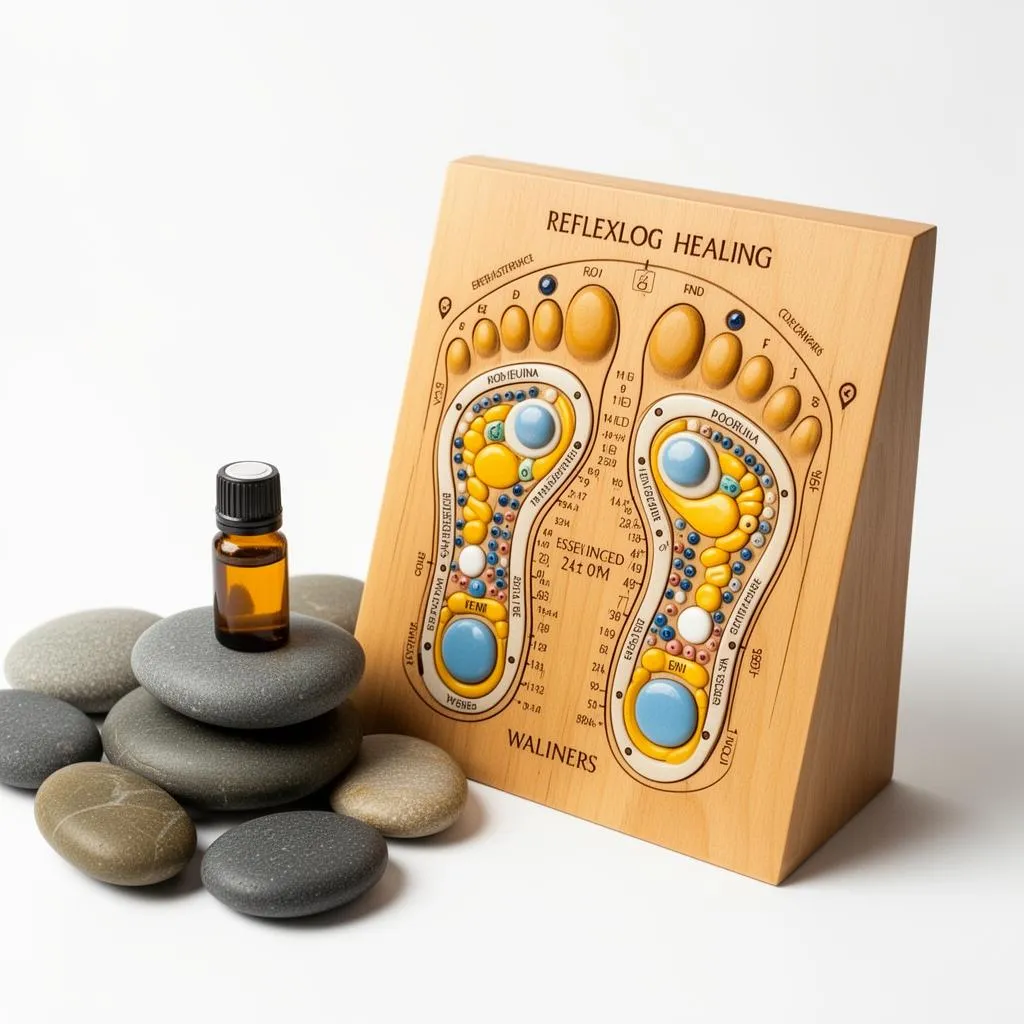
The Complete Guide to Reflexology: Unlocking Wellness in Côte Saint-Luc, Montreal
Discover the ancient healing art of Reflexology. Learn what it is, how it works, its numerous benefits and what to expect during a session at Réhabital in Côte Saint-Luc, Montreal. Reclaim your well-being with this natural therapy.
Reflexology at Réhabital: Our Step-by-Step Protocol and Why We Use the Highest-Quality Massage Gel
See exactly how a reflexology session unfolds at Réhabital in Côte Saint-Luc: assessment, reflex-point mapping, pressure sequence, and the premium professional massage gel we use for flawless glide without irritation.
The Complete Guide to Swedish Massage: Unwind and Recharge at Réhabital in Côte Saint-Luc
Discover the soothing world of Swedish Massage at Réhabital in Côte Saint-Luc. This comprehensive guide covers everything from its origins and techniques to its numerous health benefits and what to expect during your session.

The Complete Guide to Lymphatic Drainage Massage: Unlocking Your Body's Natural Healing in Montreal
Discover the profound benefits of Lymphatic Drainage Massage at Réhabital in Côte Saint-Luc, Montreal. This comprehensive guide explores how this gentle yet powerful technique can enhance your health, reduce swelling and boost your immune system, offering a path to natural wellness.
The Ultimate Guide to Hot Stone Massage: Unwind and Heal with Warmth in Côte Saint-Luc
Discover the soothing power of Hot Stone Massage at Réhabital in Côte Saint-Luc. Learn about its ancient history, how it works, its numerous benefits and what to expect during your therapeutic session.
Deep Tissue Massage: Your Comprehensive Guide to Unlocking Relief at Réhabital in Côte Saint-Luc
Explore the world of Deep Tissue Massage. Learn what it is, its benefits, who can benefit and what to expect from a session at Réhabital, your trusted clinic in Côte Saint-Luc, Montreal.