
Pain from Prolonged Sitting: What Osteopathy Can Do
Back pain, stiff neck, tight hips and chronic fatigue after long office or remote work hours? Osteopathy is your best ally for lasting postural reorganisation.
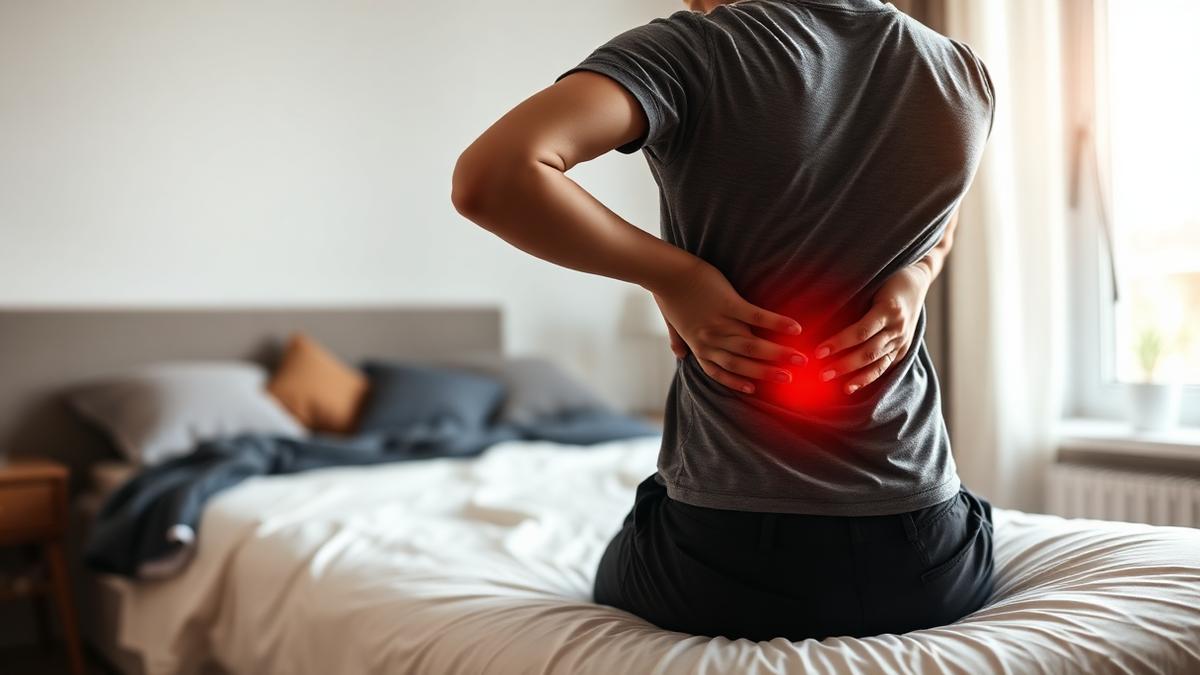
The hidden cost of prolonged sitting
Sitting 6 to 10 hours a day gradually alters your posture, compresses your spinal discs, shortens your hip flexors, deactivates your glutes, restricts diaphragmatic breathing and installs chronic forward head posture. Over time, these changes cause persistent lower back pain, morning neck stiffness, muscle tension between the shoulder blades, chronic tension headaches, even functional digestive disorders and a fatigue that never quite disappears, even after a good night.
At Réhabital in Côte Saint-Luc, many of our patients are remote-working professionals (a massive shift since 2020), university students, Montreal corporate executives, programmers, lawyers and accountants consulting for exactly these reasons. Modern sedentary lifestyles are one of the leading drivers of musculoskeletal pain we see in clinic.
What actually happens when you sit for 8 hours
Prolonged sitting is not neutral. Here is what happens physiologically, hour after hour:
- Disc compression: pressure on lumbar discs roughly doubles vs standing and rises further in flexion (leaning toward the screen).
- Psoas shortening: this powerful muscle connects the lower back to the femur. In sitting it is permanently shortened, eventually pulling on lumbar vertebrae.
- Glute deactivation: the gluteal muscles, prime movers of standing posture and walking, become lazy and lose their reflex strength.
- Forward head posture: the chin moves toward the screen, multiplying by 4 or 5 the effective load that cervical muscles must support.
- Shallow breathing: the diaphragm locks, breathing becomes thoracic and accessory cervical muscles (scalenes, SCM) compensate.
- Circulatory stagnation: heavy legs, numbness sensations, slowed venous return.
The most affected areas
- Lower back (lumbar): disc compression, psoas tension, deactivated glutes, lost lordosis.
- Neck and shoulders: forward head posture, neck stiffness, upper trapezius tightness, constant feeling of weight on the nape.
- Hips: marked flexor shortening, deactivated glutes, lost extension mobility.
- Diaphragm: shallow breathing worsening cervical and lumbar tension and contributing to digestive trouble.
- Wrists and forearms: tendinopathies from prolonged keyboard and mouse use, carpal tunnel syndrome.
- Jaws: unconscious clenching during concentration, TMJ tension, headaches.
How osteopathy reorganises your posture for the long term
A targeted session for sedentary workers is very different from a one-off session for acute lumbago. Our goal is global reorganisation, not just local relief. A typical session combines:
- Lumbar and thoracic mobilisation to release accumulated compression and restore segmental mobility.
- Stretching and release of hip flexors (psoas, iliacus, rectus femoris) to enable hip extension.
- Glute reactivation through manual techniques and specific exercises.
- Cervical and skull-base work to ease tension headaches and re-educate head posture.
- Diaphragm release to restore deep breathing and unload accessory cervical muscles.
- Personalised ergonomic advice for your workstation (screen height, keyboard position, chair type, lumbar support).
Typical clinical cases
Case 1 — The Saint-Laurent developer: 29 years old, remote work for 4 years, daily lower back and neck pain. Findings: major forward head posture, extremely short psoas, fully deactivated glutes. Plan: 6 sessions spaced 2 weeks apart, targeted home exercises, full workstation overhaul. Outcome: pain reduced by 80%, end-of-day energy markedly better.
Case 2 — The Mont-Royal lawyer: 41 years old, 10–12 hour computer days, recurring tension headaches. Plan: 5 sessions combining cervical, cranial and thoracic techniques. Outcome: headaches gone, improved sleep.
Case 3 — The NDG accountant: 50 years old, chronic lower back pain worsened by tax season. Plan: 4 sessions in March–April, then monthly maintenance. Outcome: subsequent tax seasons crossed without major crisis.
Why our osteopaths can truly help you
At Réhabital, you are cared for by seasoned, rigorously trained practitioners recognised by Quebec's leading professional associations. Here is who our osteopath is and why his expertise makes a real difference:
- Réhabital Team — Founder: over 30 years of clinical experience in physical medicine, functional rehabilitation and manual osteopathy. A former hospital PMR (Physical Medicine and Rehabilitation) department head in Iran, he ran a private multidisciplinary rehab clinic for more than 30 years before founding Réhabital in Montreal. His combined medical and osteopathic training allows him to perform a rigorous differential diagnosis: he knows when pain falls within osteopathy, when it requires further investigation and when it warrants referral to another specialist. This expertise is especially valuable for patients with complex chronic pain, post-surgical pain, or symptoms misunderstood elsewhere.
Both practitioners are members of recognised professional associations and issue official receipts valid for complementary insurance reimbursement (Sun Life, Manulife, Canada Life, Desjardins, iA Financial Group, Blue Cross, Beneva, GreenShield, Equitable). Beyond their qualifications, what really sets our team apart is the quality of listening, the time devoted to each patient (60 or 90 minutes as needed) and the rigour of the follow-up between sessions. Meet the full team on our Our Team page to learn more about their backgrounds, specialties and availability.
Osteopathy near you — 10 neighbourhoods served
Our Réhabital clinic in Côte Saint-Luc is easily accessible from across west-end Montreal. Whether you live in Westmount, Hampstead, NDG or further out, we have a dedicated page for your neighbourhood with precise directions, travel times, local notes and patient testimonials:
- Osteopathy in Côte Saint-Luc
- Osteopathy in Westmount
- Osteopathy in Hampstead
- Osteopathy in NDG
- Osteopathy in Snowdon
- Osteopathy in Côte-des-Neiges
- Osteopathy in Mont-Royal (TMR)
- Osteopathy in Montreal West
- Osteopathy in Saint-Laurent
- Osteopathy in West Island
Each neighbourhood page contains specific information about parking, public transit, hours adapted to local lifestyles and the conditions most frequently treated in the area. This lets you concretely imagine your future care journey before your very first session.
Recommended daily routine for sedentary workers
- Stand up every 45–60 minutes (use a timer if needed) — even 60 seconds standing makes a difference.
- Do 5 mobility movements per break: thoracic rotation, psoas stretch, shoulder opening, slow cervical rotation, lateral trunk flexion.
- Walk at least 20–30 minutes daily — ideally outdoors, continuously.
- Do 3 minutes of diaphragmatic breathing twice a day to release the diaphragm.
- Strengthen your glutes with pelvic bridges (3 sets of 15 reps, 4× a week).
- Stretch your psoas every evening (lunge position, 30 seconds per side).
- Invest in a good workstation: screen at eye level, keyboard at elbow height, lumbar-support chair, footrest if needed.
- Hydrate well — 1.5 to 2 litres of water per day for disc health.
Why regular follow-up changes everything
Sedentary life is a chronic mechanical stress. As long as you work 8 hours a day seated, your body keeps accumulating tension. A one-off osteopathy session can ease things temporarily, but without follow-up, tension returns. This is why many of our sedentary patients adopt a rhythm of maintenance sessions every 4–6 weeks — a preventive investment that spares them acute crises and preserves a high quality of life.
What scientific research says about osteopathy
Many clinical studies published over the past two decades have documented the effectiveness of manual osteopathy, particularly for musculoskeletal conditions. Several systematic reviews show significant pain reduction and functional improvement in chronic lower back pain patients treated with osteopathy, compared to usual care alone. For neck pain, gentle manual techniques combined with self-management advice deliver superior outcomes vs rest or medication alone at 6 and 12 weeks.
Osteopathy is recognised as complementary therapy by most Canadian health insurers and is firmly part of the therapeutic landscape in Quebec. While training and regulation vary by province, qualified osteopaths who are members of recognised professional associations (NMOS, OQ, SCO, RIO) ensure a high standard of practice and valid receipts for reimbursement.
More broadly, pain neuroscience research since the early 2000s has validated mind-body approaches like osteopathy. Gentle manual techniques activate descending pain modulation pathways, lower sympathetic nervous system activity and promote endorphin and oxytocin release — measurable effects that partly explain the deep relaxation patients report after a session.
How to prepare for your first session at Réhabital
- Bring your recent imaging (X-rays, MRI, CT) if available. They help your osteopath better understand your situation.
- List your current medications and important medical history (surgeries, accidents, hospitalisations).
- Note your symptoms in detail: how long, in what circumstances, what improves or worsens them, intensity on a 0–10 scale.
- Wear loose clothing you can move comfortably in.
- Hydrate well before and after the session to support circulation and elimination of metabolites mobilised by treatment.
- Avoid heavy meals in the 2 hours before the session, especially if visceral work is planned.
- Arrive 5–10 minutes early to fill out the intake form without stress.
Pricing and practical details
Our pricing is clear and the same for all patients regardless of Montreal neighbourhood:
- Initial session + full assessment (60 min): $125 + taxes
- Standard follow-up session (60 min): $110 + taxes
- Extended follow-up session (90 min): $150 + taxes — recommended for complex cases or multiple zones
Payment is taken on site by credit card, debit, or Interac. We immediately issue an official receipt compliant with Quebec and Canadian insurer requirements.
Osteopathy is covered by most complementary insurance plans (typically 80% up to an annual cap): Sun Life, Manulife, Canada Life, Desjardins, iA Financial Group, Blue Cross, Beneva, GreenShield, Equitable. Check with your insurer for the annual cap and reimbursement percentage of your plan.
Frequently asked questions
How long before I feel improvement? Most patients feel meaningful relief by the first or second session for recent pain. For chronic conditions established over years, improvement is more gradual — first effects usually appear between sessions 2 and 4.
Does osteopathy hurt? No. Our techniques are gentle and adapted to your tolerance. You may feel mild transient soreness for 24–48 hours after a session, which is normal and a sign of deep tissue work.
Can I consult without a medical prescription? Yes. Osteopathy is a direct-access consultation in Quebec. No prescription is required.
How many sessions in total will I need? It depends entirely on your situation. For recent acute pain: 2 to 4 sessions often suffice. For chronic conditions: 5 to 10 initial sessions then periodic maintenance. Your osteopath will give you a personalised estimate at the end of your first session.
Can I combine osteopathy with other approaches? Yes and it is strongly recommended for many conditions. Massage therapy, naturopathy and physiotherapy complement osteopathy very well — all available under one roof at Réhabital.
Is osteopathy safe for pregnant women, children and seniors? Absolutely. Our osteopaths are trained to adapt techniques to each profile. Pediatric and prenatal osteopathy are part of our daily clinical practice.
What if osteopathy does not work for my case? Our medically trained founder knows how to identify situations requiring referral to another professional (medical specialist, physiotherapist, neurologist, surgeon). We are honest and prefer to redirect you correctly rather than pursue ineffective sessions.
What is your cancellation policy? Cancellations must be made at least 24 hours in advance. Late cancellations or missed appointments may be billed at 100% of the planned session fee.
Réhabital's multidisciplinary approach: a unique advantage
Réhabital is not just an osteopathy clinic. Under our roof you will also find therapeutic massage, holistic naturopathy, rehabilitation medicine and soon acupuncture. This multidisciplinary approach is one of our greatest strengths for patients needing comprehensive care.
For example, a chronic pain patient can simultaneously benefit from osteopathy for the mechanical component, massage therapy to release muscle tension between sessions and naturopathy for the systemic inflammatory component. This care coordination, under one roof and with practitioners who actually talk to each other, dramatically accelerates outcomes compared to isolated care.
We deeply believe in this philosophy: the body is a whole and health is built on multiple levels. Our team works in synergy to give you the best possible care, tailored to your personal situation, preferences and goals.
Related articles
- Does Osteopathy Help with Back Pain? (Montreal Guide)
- Osteopathy: Complete Guide to Techniques and Conditions Treated
- Sports Osteopathy: Performance and Injury Prevention
- Osteopathy and Pregnancy: Supporting Mothers-to-Be
- Why You Wake Up with Back Pain Every Morning
- How Many Osteopathy Sessions Do You Actually Need?
Ready to take control of your pain? Book your osteopathy session at Réhabital today — full 60-minute initial assessment at $125 + taxes, follow-ups at $110.
Frequently asked questions
Go deeper with our dedicated osteopathy pages
Osteopathy pages with Shahram Ghasemi, MD (Iran), DOMP in Côte Saint-Luc:
Related articles
Sciatica, Desk Posture and Bad Sleeping Positions: How Osteopathy Breaks the Cycle
Eight hours seated, then eight hours in a bad sleeping position: that is where most sciatica begins. Learn the exact mechanisms, the positions to correct, and how osteopathy in Côte Saint-Luc delivers lasting relief.
Fascia, Lower Back Pain and Stiffness: How Osteopathy and Physiotherapy Release Your Back in Côte Saint-Luc
Fascia — the connective-tissue web that wraps muscles and organs — is often the hidden driver of lower back pain and stiffness. Learn how osteopathy and physiotherapy at Réhabital release fascial restrictions and give your back its freedom back.
Osteopathy and Neck Pain: How Visceral Osteopathy Treats the Neck Pain That Keeps Coming Back
Neck pain does not always come from the neck. The diaphragm, stomach, liver, pericardium and chest fascia can pull on the cervical spine through precise anatomical chains. Here is how visceral osteopathy fits into chronic neck pain care in Côte Saint-Luc.
Pain After Sitting for a Long Time: Why Does Your Back Stiffen Up?
You stand up from your desk or a long car ride and your back is stiff and sore? Discover why this happens and how osteopathy can help.
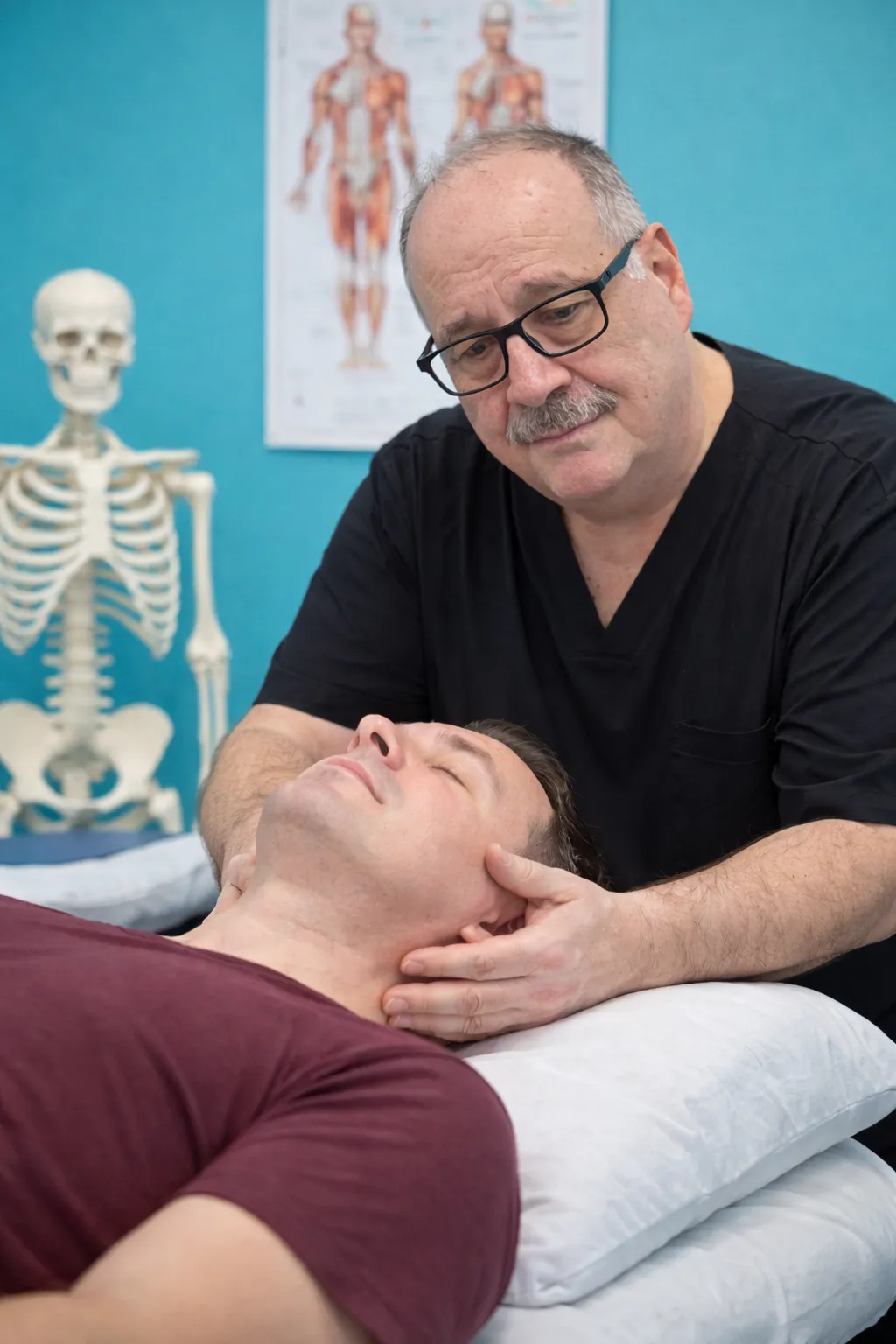
Does Osteopathy Help with Back Pain? (Montreal Guide)
Learn how osteopathy effectively treats back pain in Côte Saint-Luc. Causes, techniques, number of sessions and expected results.
Why You Wake Up With Back Pain Every Morning (And How to Fix It Without Medication)
Discover the hidden causes of your morning back pain and how osteopathy can provide lasting relief without relying on painkillers.