
Fascia, Lower Back Pain and Stiffness: How Osteopathy and Physiotherapy Release Your Back in Côte Saint-Luc
Fascia — the connective-tissue web that wraps muscles and organs — is often the hidden driver of lower back pain and stiffness. Learn how osteopathy and physiotherapy at Réhabital release fascial restrictions and give your back its freedom back.
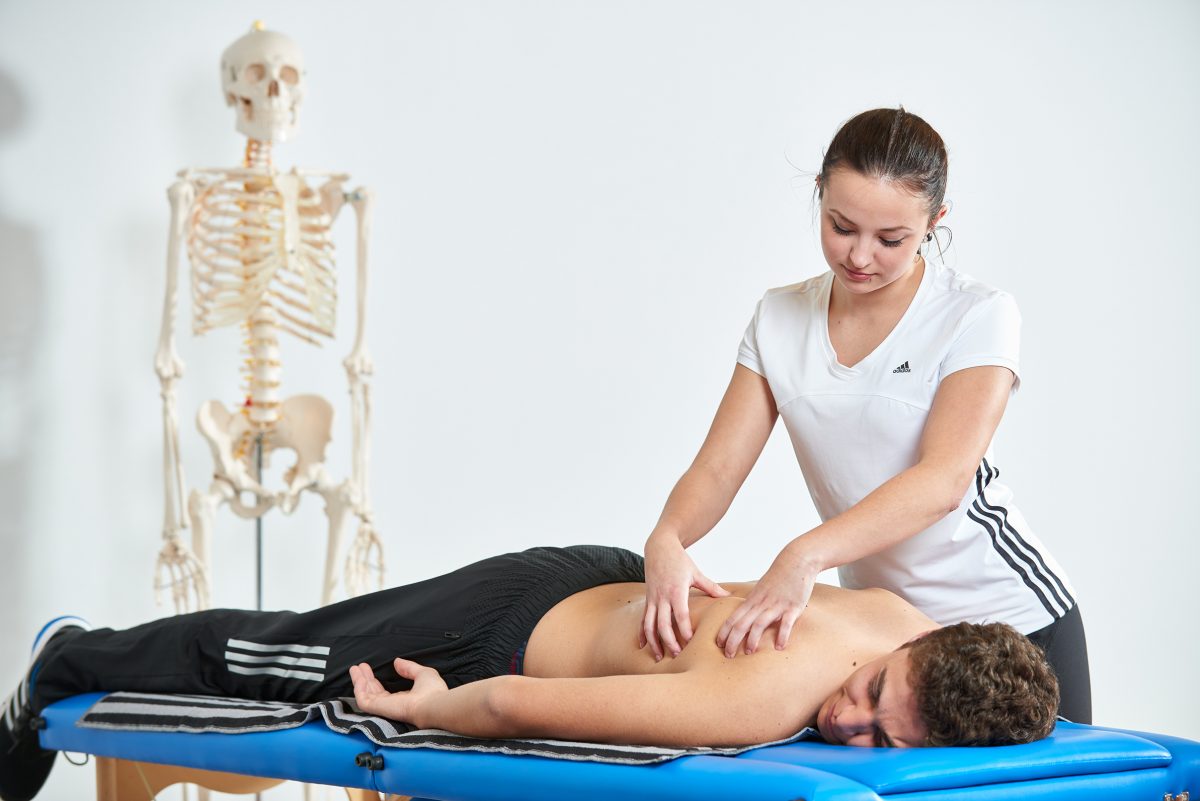
The Missing Piece in Most Lower Back Pain Stories
If you have ever had an MRI that came back “normal” while your back still felt like it was wrapped in a steel corset — this article is for you. In our Côte Saint-Luc clinic we hear the same sentence almost every week: “the imaging showed nothing, but I can barely bend forward to tie my shoes.” The reason is almost always the same, and it is almost always missed by conventional imaging: your fascia.
Fascia is the connective-tissue web that surrounds and interpenetrates every muscle, bone, nerve, blood vessel and organ in your body. In the lower back, one particular sheet — the thoracolumbar fascia — is a major driver of pain and stiffness that no scan can see. The good news: fascia is exceptionally responsive to skilled manual therapy. This is where the combined toolkit of osteopathy and physiotherapy at Réhabital consistently gives patients their movement back.
What Is Fascia, Really?
Imagine a three-dimensional cobweb made of collagen, elastin and a water-rich gel called ground substance. That web wraps around every single muscle fiber, bundles them into muscles, wraps the muscles into functional groups, then continues on to envelope bones, organs and nerves. There is no “gap” — fascia is a single continuous fabric from the top of your skull to the soles of your feet.
Three properties make fascia clinically important:
- It glides. Healthy fascia lets muscles slide against each other. When it dehydrates or scars, the glide is lost and movement becomes stiff and painful.
- It transmits force. Up to 30% of muscular force is transmitted through fascia, not tendons. A restriction in one region loads other regions abnormally.
- It is densely innervated. Fascia contains up to 10 times more nerve endings than muscle. That is why fascial dysfunction produces so much pain relative to how “healthy” the muscle looks on imaging.
The Thoracolumbar Fascia: The Command Centre of Your Lower Back
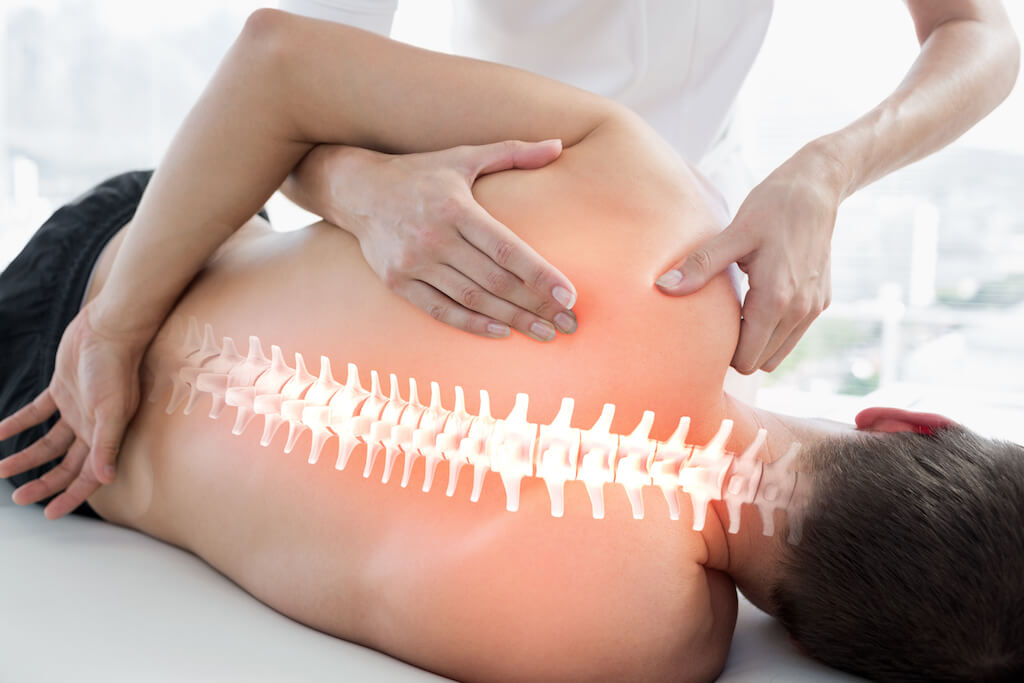
The thoracolumbar fascia (TLF) is a diamond-shaped, multi-layered sheet spanning from the mid-back down to the sacrum and iliac crests, and laterally to the ribs and hips. It is where the latissimus dorsi, gluteus maximus, transversus abdominis and erector spinae all anchor. If you draw an X across your lower back, you have drawn the TLF.
Every time you lift, twist, cough, sneeze or brace your core, the TLF is loaded. It is designed to be resilient — but modern life challenges it constantly: hours of sitting, shallow breathing, chronic stress, dehydration, old injuries never fully rehabilitated. Over months and years these micro-insults accumulate, the fascia dehydrates and thickens, the layers stop gliding, and the sheet effectively “shrink-wraps” your lower back. That is when patients start using words like tight, locked, gripped, armored, heavy.
How Fascial Restriction Actually Produces Pain and Stiffness
Three mechanisms turn a restricted fascia into a painful, stiff back:
- Loss of glide between layers. Muscles and fascia normally slide across each other during movement. When adhesions form, movement pulls on nerves and provokes pain.
- Mechanical compression of nerve endings. The high nerve density of fascia means that even small increases in tension activate pain receptors. This is why the pain often feels disproportionate to any visible damage.
- Altered proprioception. Restricted fascia sends confused signals to the brain about joint position. The brain responds by increasing protective muscle tone — which further compresses the fascia. A vicious loop is born.
This is also why patients frequently report symptoms that “make no anatomical sense”: lower back pain that radiates to the hip, the groin, the mid-back or even the neck. Fascia does not follow the neat maps of individual muscles — it follows chains.
The Fascial Chains: Why Your Back Pain May Start in Your Feet
Osteopathic and physiotherapeutic thinking increasingly recognizes that fascia organizes the body into long myofascial chains — continuous lines of tissue that transmit tension across many segments. The two chains most relevant to lower back pain are:
- The Superficial Back Line — from the soles of your feet, up the calves, hamstrings, sacrum, along the erector spinae, across the scalp, ending above the eyebrows. Tight calves or plantar fasciitis can, quite literally, pull on your lower back.
- The Deep Front Line — including the diaphragm, psoas and pelvic floor. Restrictions here explain why shallow breathers, chronic stress carriers and post-surgical abdomens so often develop lower back pain.
Our osteopaths and physiotherapists routinely find that releasing a locked diaphragm or a rigid calf resolves stubborn back pain that failed to respond to purely local treatment. This is not magic — it is fascial anatomy.
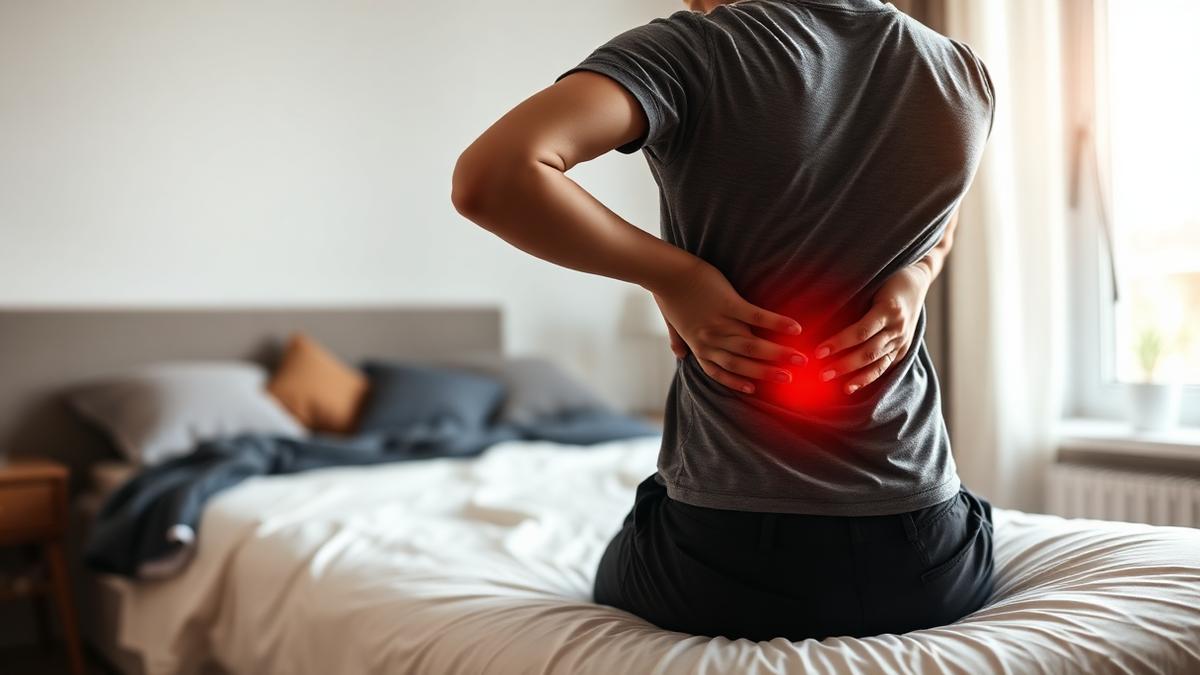
Signs Your Lower Back Pain Is Fascial
Not every backache is fascial. But when the following pattern appears, fascia is very likely involved:
- Stiffness is worst in the morning or after long sitting, and eases with 15-30 minutes of movement.
- The pain is diffuse — hard to point to one spot.
- You feel a tight band or belt across the low back rather than sharp, focal pain.
- Imaging (X-ray, MRI) shows little or no structural damage.
- Anti-inflammatories give only partial, temporary relief.
- Symptoms worsen with stress, poor sleep or dehydration and improve with heat and gentle movement.
- You have a history of old injuries, C-section, abdominal surgery or long-standing sedentary habits.
If several of these apply to you, fascial work should be part of your treatment plan.
How Osteopathy Releases the Fascia
Osteopathy was, from its very origins, a fascial medicine. Osteopaths spend years learning to palpate tissue texture, temperature, tension and glide. Techniques we use routinely at Réhabital for lumbar fascial restrictions include:
- Direct myofascial release — slow, sustained pressure applied along the fibers to melt adhesions and restore glide. Sessions may spend 20-30 minutes on a single fascial layer.
- Fascial unwinding — the practitioner follows the tissue's own movement preference, allowing the fascia to reorganize itself.
- Indirect techniques (functional, counterstrain) — placing the tissue in a position of ease until tension releases. Painless, very useful for acute flare-ups.
- Visceral work — the fascia of the intestines, kidneys and diaphragm connects directly to the lumbar spine. Adhesions from old surgeries or chronic constipation can silently pull on the lower back.
- Cranial osteopathy — the dural fascia continues from the skull all the way to the sacrum. Cranial-sacral rhythm work can settle a nervous system stuck in “guard mode”.
Most patients feel a distinct softening under the therapist's hands within a single session, and a broader improvement in mobility and pain over 3-6 visits.
How Physiotherapy Rehabilitates the Fascia
Physiotherapy brings a complementary, evidence-based toolkit that focuses not only on release but on rebuilding capacity so the fascia stays healthy long term:
- Manual soft-tissue mobilization — trigger-point release, transverse friction and layered gliding techniques.
- Instrument-Assisted Soft Tissue Mobilization (IASTM) — stainless-steel tools that detect and treat fascial adhesions with more precision than fingers alone.
- Therapeutic ultrasound — deep heat that increases fascial extensibility before manual work or exercise.
- Dry needling (where scope permits) — a fine needle inserted into a myofascial trigger point creates a local twitch response that dramatically reduces tension.
- Corrective exercise — hip hinges, dead bugs, bird dogs, McGill big-three and progressive loading to rebuild the deep stabilizers (transversus abdominis, multifidus, pelvic floor, diaphragm).
- Breathing retraining — because the diaphragm is a spinal stabilizer, restoring 360° diaphragmatic breathing is one of the most under-used tools for chronic lumbar pain.
Why Osteopathy + Physiotherapy Together Outperforms Either Alone
Osteopathy excels at opening the door — releasing global fascial tension, resetting the nervous system and giving you back range of motion you thought was gone. Physiotherapy excels at keeping the door open — retraining movement patterns and loading the tissue so the improvements stick.
At Réhabital in Côte Saint-Luc we frequently sequence care like this:
- Weeks 1-2: Osteopathy weekly to release the fascia and calm the pain system.
- Weeks 3-6: Alternate osteopathy and physiotherapy every 3-4 days. Physiotherapy begins gentle loading (isometrics, mobility, breathing).
- Weeks 7-12: Physiotherapy leads, with monthly osteopathy check-ins. Loading progresses to functional strength and return to sport or work.
- Ongoing: Maintenance every 4-6 weeks for high-risk patients (office workers, athletes, post-surgical, chronic stress).
This integrated model is why so many patients who “tried everything” finally break out of the cycle here.
What a First Combined Session Looks Like at Réhabital
Whether you start with osteopathy or physiotherapy, your first visit follows the same principles:
1. History (10-15 min). Onset, aggravators, relievers, sleep, stress, past surgeries, imaging, medications, sport and work demands. We are looking for the whole ecosystem, not just the sore spot.
2. Global observation (5 min). Standing posture, breathing pattern, gait, hip hinge, ability to bend and rotate.
3. Palpation and mobility testing (10 min). The therapist feels the thoracolumbar fascia, the psoas, the diaphragm, the sacrum. Restrictions and asymmetries are mapped.
4. Treatment (25-35 min). A blend of the techniques above, individualized to what your tissue actually needs today.
5. Home program (5 min). Two or three simple daily interventions — usually a mobility drill, a breathing pattern and a hydration reminder.
What You Can Do at Home to Keep Your Fascia Happy
Manual therapy is powerful, but 20 minutes of clinic time cannot outweigh 23 hours and 40 minutes of daily habits. The most impactful home strategies:
- Hydrate consistently — 1.5-2 L of water per day. Fascia rehydrates slowly; front-load water in the morning.
- Move every 45 minutes — even 60 seconds of walking or a hip-hinge break resets fascial glide.
- Breathe 360° — practice slow diaphragmatic breathing with lateral rib expansion 5 minutes twice a day.
- Gentle mobility over aggressive stretching — cat-cow, thread the needle, world's greatest stretch, seated rotations.
- Foam roll intelligently — slow passes on the calves, quads, glutes and lats. Avoid rolling directly on the spine.
- Sleep on a supportive mattress and address sleep quality — poor sleep dehydrates fascia and lowers pain tolerance.
- Manage stress — chronic sympathetic drive keeps psoas and diaphragm gripped. Walking, breathwork and time outdoors are free and effective.
When Fascial Work Alone Is Not Enough
Fascia is often the missing piece, but not always the whole picture. If you have true radicular pain (numbness, weakness, shooting down the leg past the knee), bowel or bladder changes, unexplained weight loss, night pain unrelated to position or severe pain after significant trauma, you need medical imaging and physician assessment first. Our clinicians will always screen for these red flags before beginning manual work, and will refer you to your family doctor or a specialist when appropriate.
Insurance, Pricing and Booking in Côte Saint-Luc
Osteopathy and physiotherapy at Réhabital are reimbursed by most private extended-health plans. Please note: we do not accept CNESST. We accept private insurance plans and SAAQ. Direct billing is available for select insurers; we provide official receipts for all others.
- Osteopathy: from $110 (60 min)
- Physiotherapy assessment: from $110 (60 min)
- Physiotherapy follow-up: from $95 (45 min)
Réhabital is located in Côte Saint-Luc, easily accessible from Hampstead, NDG, Snowdon, Westmount, Montreal West and the West End. Book online through Jane App on rehabital.ca or call 438-842-3550. Free parking on site, evening appointments available.
The Takeaway
Your lower back is not a bag of separate parts. It is a beautifully interconnected system, and its fascia is one of the most important — and most overlooked — players in that system. When your back feels locked, when imaging shows nothing, when stretching helps only for an hour, the answer often lives in the fascia. Skilled hands, targeted exercise and consistent self-care can give you a back that moves like it did years ago. That is exactly what our osteopathy and physiotherapy team at Réhabital is here to do.
Frequently asked questions
Go deeper with our dedicated osteopathy pages
Osteopathy pages with Shahram Ghasemi, MD (Iran), DOMP in Côte Saint-Luc:
Related articles
Low Back Pain and Osteopathy: The Complete Guide to Understanding, Relieving and Preventing It
Why your back pain keeps coming back, what osteopathy really does for lumbar pain, and the full treatment plan our osteopaths use in Côte Saint-Luc.
Why You Wake Up With Back Pain Every Morning (And How to Fix It Without Medication)
Discover the hidden causes of your morning back pain and how osteopathy can provide lasting relief without relying on painkillers.
Does Osteopathy Help with Back Pain? (Montreal Guide)
Learn how osteopathy effectively treats back pain in Côte Saint-Luc. Causes, techniques, number of sessions and expected results.
Lower Back Pain: How Osteopathy Can Truly Bring You Relief
Discover how our Côte Saint-Luc osteopaths treat chronic and acute lower back pain with a gentle, structured, evidence-informed manual approach grounded in 30+ years of clinical experience.
Osteopathy vs Physiotherapy: Which Approach Should You Choose in Côte Saint-Luc?
Complete comparison between osteopathy and physiotherapy: differences, indications, training, insurance reimbursement and how to choose based on your condition in Côte Saint-Luc, Hampstead, NDG and across Montreal.
Is Osteopathy Good for Back Pain? A Complete Guide
Discover how osteopathy treats lower back, upper back and neck pain. Scientific studies, techniques used and expected results in Côte Saint-Luc.