
Melasma or Sun Spots: How to Tell the Difference
Melasma and sun spots are both common forms of hyperpigmentation, but they don’t respond to the same treatments. Here’s how to tell them apart and what options are available in Côte Saint-Luc.
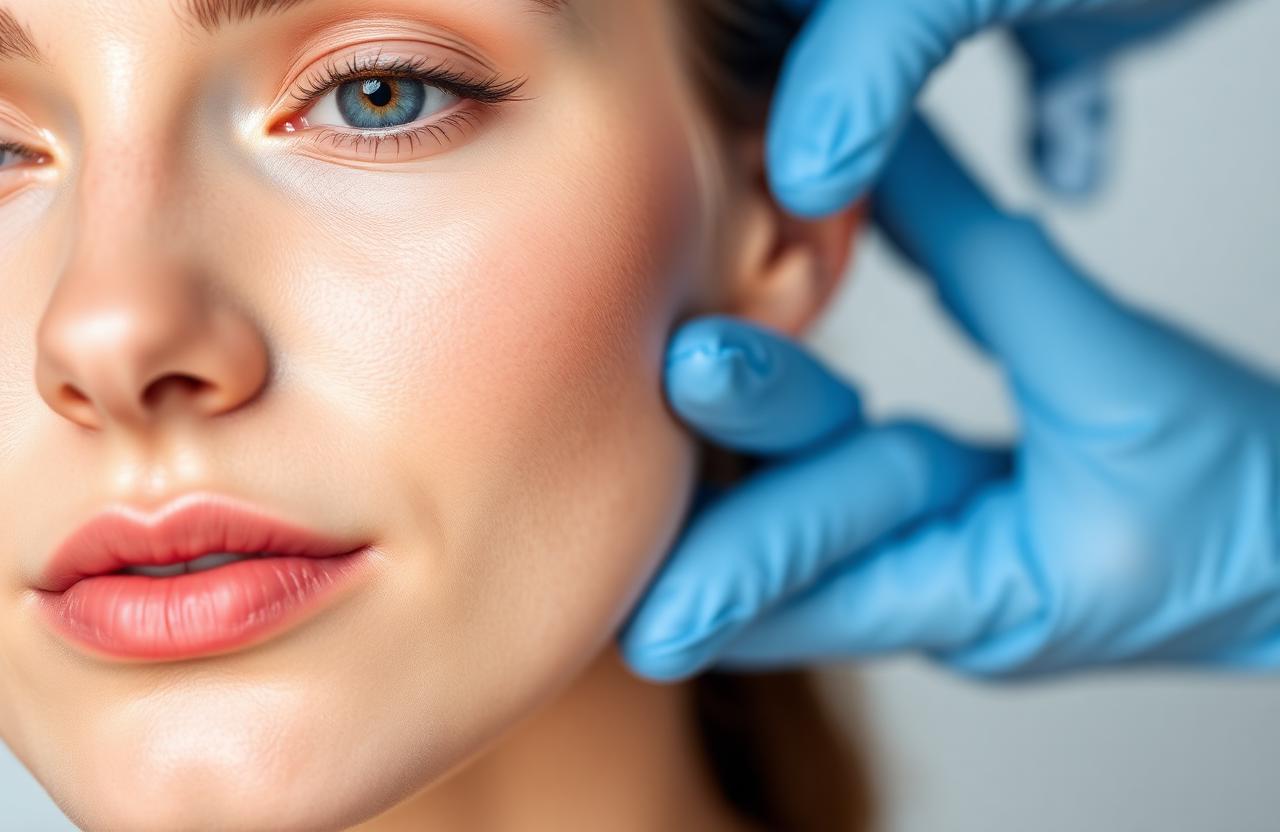
Understanding Hyperpigmentation: Two Common but Different Conditions
If you have noticed brown or discoloured patches on your face and are trying to figure out whether it is melasma or sun spots, you are not alone. Hyperpigmentation is one of the most frequent skin concerns we see at our clinic in Côte Saint-Luc, and it is also one of the most misunderstood. Many people use the terms melasma and sun spots interchangeably, but they are actually distinct conditions with different causes, appearances, and treatment approaches. Understanding which one you have is the first step toward choosing the right path forward, because what works beautifully for sun spots can sometimes make melasma worse if the wrong technique or intensity is used.
In this article, we will walk through the key differences between melasma and sun spots, explain what causes each condition, describe how our team approaches assessment, and outline the treatment options available, including Dermalogica professional peels and facials, SharpLight DPC laser technology, and general skincare strategies that support long-term results. Whether you are dealing with subtle discoloration or more pronounced patches, our goal is to help you feel confident about your next step.
What Is Melasma?
Melasma is a chronic skin condition characterized by brown or greyish-brown patches, most commonly appearing on the cheeks, forehead, bridge of the nose, upper lip, and chin. It tends to develop symmetrically, meaning the pattern often mirrors itself on both sides of the face. Melasma is frequently linked to hormonal fluctuations, which is why it is sometimes referred to as the «mask of pregnancy» when it appears during pregnancy. However, melasma can also be triggered or worsened by hormonal contraceptives, hormone replacement therapy, certain medications, and even everyday factors such as heat and visible light exposure.
One of the defining features of melasma is that it tends to be more diffuse than sun spots, with edges that can appear somewhat blurred or feathered rather than sharply outlined. It is also more common among individuals with medium to darker skin tones, though it can occur in anyone. Because melasma is influenced by internal factors such as hormones in addition to external triggers like sun exposure, it is often considered more complex to manage and typically requires an ongoing maintenance approach rather than a single fix.
Common Triggers for Melasma
- Pregnancy and hormonal changes
- Hormonal birth control or hormone replacement therapy
- Sun exposure and UV radiation
- Heat exposure, including hot yoga or saunas
- Visible light from screens and indoor lighting
- Certain medications that increase photosensitivity
- Genetic predisposition and family history
What Are Sun Spots?
Sun spots, medically known as solar lentigines, are flat, well-defined brown spots that develop as a direct result of cumulative sun exposure over the years. Unlike melasma, sun spots are generally not linked to hormones. They tend to appear on areas of the body that receive the most sun exposure over a lifetime, such as the face, hands, shoulders, and chest. Sun spots often become more noticeable with age, as the skin’s natural repair mechanisms slow down and years of UV exposure accumulate.
Sun spots are usually easier to distinguish visually because they present as individual, clearly bordered spots rather than diffuse patches. They can vary in size from a few millimetres to over a centimetre and often multiply gradually over time. Because their cause is primarily external UV damage rather than internal hormonal activity, sun spots generally respond more predictably and completely to professional treatments compared to melasma.
Common Characteristics of Sun Spots
- Well-defined, sharp borders
- Uniform brown or tan colour
- Appear in sun-exposed areas like the face, hands, and chest
- Tend to increase in number and size with age and cumulative sun exposure
- Generally not symmetrical in placement
- Do not typically fluctuate with hormonal changes
Side-by-Side Comparison: Melasma vs Sun Spots
Because both conditions fall under the broader umbrella of hyperpigmentation, it is easy to confuse them at first glance. Here are the key differentiators our team looks for during a consultation:
- Shape and pattern: Melasma tends to form larger, symmetrical, blotchy patches, while sun spots are typically small, round, and individually distinct.
- Location: Melasma commonly appears on the cheeks, forehead, and upper lip in a fairly predictable, mirrored pattern, whereas sun spots can appear anywhere sun exposure has occurred, often scattered and asymmetrical.
- Primary cause: Melasma is driven largely by hormonal activity combined with UV exposure, while sun spots are driven almost exclusively by cumulative UV damage.
- Who is affected: Melasma disproportionately affects women, especially during pregnancy or while using hormonal contraception, while sun spots affect men and women fairly equally, generally increasing with age.
- Response to treatment: Sun spots often respond well and can improve significantly with a defined treatment plan, while melasma tends to require a longer-term, more conservative management strategy due to its tendency to recur.
Why Correct Identification Matters Before Treatment
One of the most important reasons to have your pigmentation properly assessed before starting treatment is that melasma and sun spots do not always respond the same way to the same interventions. Aggressive laser treatments or high-strength peels that work wonderfully on sun spots can sometimes trigger a paradoxical worsening of melasma, a phenomenon known as post-inflammatory hyperpigmentation. This is why our team takes time during your consultation to examine your skin closely, ask about your history of hormonal changes, sun exposure, and any previous treatments, before recommending a personalized plan.
At Réhabital, our approach begins with a thorough skin assessment. We consider your Fitzpatrick skin type, the pattern and depth of your pigmentation, your medical history, and your treatment goals. From there, we can recommend the most appropriate combination of in-clinic treatments and home care to address your specific type of hyperpigmentation safely and effectively.
Treatment Options for Sun Spots
Because sun spots are caused by direct UV damage rather than internal hormonal fluctuation, they often respond very well to targeted treatments designed to break down excess melanin in the affected area.
SharpLight DPC Laser Treatment
Our clinic offers SharpLight DPC laser technology, which can be an effective option for treating well-defined sun spots. This approach targets excess pigment in the treated area, helping to gradually diminish the appearance of individual spots over a series of sessions. Many clients appreciate that this option is relatively quick and can be incorporated into a broader skincare routine.
Dermalogica Professional Peels and Facials
Our aestheticians, including Liliana, Elena, and Farzaneh, are trained to use professional-grade Dermalogica peels and facials tailored to your skin’s needs. These treatments can help exfoliate the outer layers of skin, encouraging cell turnover and gradually fading surface-level pigmentation associated with sun spots. A series of treatments, combined with diligent sun protection at home, often produces the most noticeable improvement.
Treatment Options for Melasma
Because melasma is more complex and prone to recurrence, our approach tends to be more conservative and focused on gradual improvement rather than aggressive intervention.
Gentle, Progressive Peels
Rather than using high-strength exfoliating treatments that can irritate melasma-prone skin, our team often recommends a series of gentler Dermalogica peels formulated to brighten and even out skin tone over time without triggering inflammation, which can worsen melasma.
Customized Facial Treatments
Regular professional facials can support the skin barrier, improve hydration, and incorporate brightening ingredients that help manage melasma symptoms while minimizing irritation. Our aestheticians will discuss which products and techniques are most appropriate based on your skin’s sensitivity.
Consistent Sun Protection
No melasma treatment plan can succeed without rigorous daily sun protection. Because UV exposure is one of the strongest triggers for melasma flare-ups, we always emphasize broad-spectrum sunscreen, protective clothing, and avoiding peak sun hours as a foundational part of any treatment strategy.
The Role of Daily Skincare and Sun Protection
Regardless of whether you are managing melasma, sun spots, or a combination of both, consistent daily skincare plays an essential role in achieving and maintaining results. A broad-spectrum sunscreen with adequate SPF should be applied every single day, even on cloudy days and during winter months, since UV rays can penetrate clouds and reflect off snow. In addition to sunscreen, incorporating antioxidant serums, gentle exfoliants, and brightening ingredients recommended by your aesthetician can help support the results of your in-clinic treatments.
It is also worth remembering that visible light from screens, such as phones, computers, and tablets, has been shown to contribute to pigmentation in some individuals, particularly those prone to melasma. While this does not mean you need to avoid screens altogether, using a sunscreen formulated to protect against visible light can be a helpful addition to your routine if you spend significant time in front of devices.
What to Expect During Your Consultation
When you visit our clinic for a hyperpigmentation assessment, our team will take the time to examine your skin under proper lighting, discuss your medical and hormonal history, and ask about your sun exposure habits and any previous treatments you may have tried. This helps us determine whether you are dealing with melasma, sun spots, or a combination of both, since it is common for individuals to have overlapping types of pigmentation.
From there, we will walk you through a personalized treatment plan that may include a combination of Dermalogica peels, SharpLight DPC laser sessions, and home care recommendations. We will also set realistic expectations about timelines, since melasma in particular often requires ongoing maintenance rather than a one-time fix. Our priority is to help you achieve safe, sustainable improvement in your skin’s tone and clarity.
Frequently Overlooked Factors That Affect Pigmentation
Beyond sun exposure and hormones, several other factors can influence the development and persistence of hyperpigmentation. Inflammation from acne, waxing, or aggressive skincare products can lead to post-inflammatory hyperpigmentation, which can sometimes be mistaken for melasma or sun spots. Certain medications, including some antibiotics and anti-seizure drugs, can increase photosensitivity and worsen pigmentation. Additionally, stress and poor sleep can indirectly affect hormonal balance, potentially influencing melasma severity in susceptible individuals.
Understanding these contributing factors allows our team to provide more comprehensive guidance beyond just in-clinic treatments, helping you build a complete strategy for managing your skin’s tone over the long term.
Building a Long-Term Plan for Even, Radiant Skin
Whether your primary concern is melasma, sun spots, or a mix of both, achieving lasting results requires a combination of professional treatment and consistent home care. Our team is here to guide you through every step, from your initial assessment to your ongoing maintenance plan. We understand that hyperpigmentation can affect confidence, and our goal is to help you feel comfortable and informed as you work toward a more even, radiant complexion.
If you would like to learn more about our broader range of services, visit our aesthetic care page, or explore our laser treatments for options like SharpLight DPC. You can also read more about our dedicated approach on our hyperpigmentation treatment page. To learn more about the professionals who will be caring for your skin, visit our team page, and review our policies before booking your appointment through Jane App.
Final Thoughts
Melasma and sun spots may both fall under the category of hyperpigmentation, but they require distinctly different approaches for safe and effective treatment. Taking the time to properly identify which condition you are dealing with, ideally with the help of trained professionals, can save you time, money, and frustration while helping you avoid treatments that could worsen your skin. Our team in Côte Saint-Luc is here to help you navigate this process with a personalized plan tailored to your unique skin, so you can move forward with confidence toward a clearer, more even complexion.
Frequently asked questions
Related conditions we treat
Related articles
Dark Spots: How to Fade Them with Dermalogica Chemical Peels and FreezPen Cryotherapy in Côte Saint-Luc
Sun spots, lentigines, post-acne marks or melasma? A clinical guide on choosing between Dermalogica professional chemical peels and targeted FreezPen cryotherapy (DermaSpark) — and when to combine them — at Réhabital in Côte Saint-Luc.
Hyperpigmentation & Dark Spots: Professional Treatments That Actually Work — Côte Saint-Luc
A clinical guide to the four types of hyperpigmentation — melasma, sun spots, PIH, freckles — and the professional treatments that deliver real results: chemical peels, microneedling, IPL and green LED therapy.
Melasma: Causes, Prevention & How Deep Dermalogica Facials Also Reduce Acne in Côte Saint-Luc
Symmetrical brown patches on the cheeks, forehead or upper lip? A complete clinical guide to melasma — hormonal, UV and heat triggers, realistic prevention — and how our deep Dermalogica facials also reduce acne at Réhabital in Côte Saint-Luc.
Chemical Peel vs Microneedling vs Laser: Which One Treats Pigmentation Best?
Three popular approaches to pigmentation: chemical peels, microneedling and laser. An honest comparison to help you choose with your aesthetician.
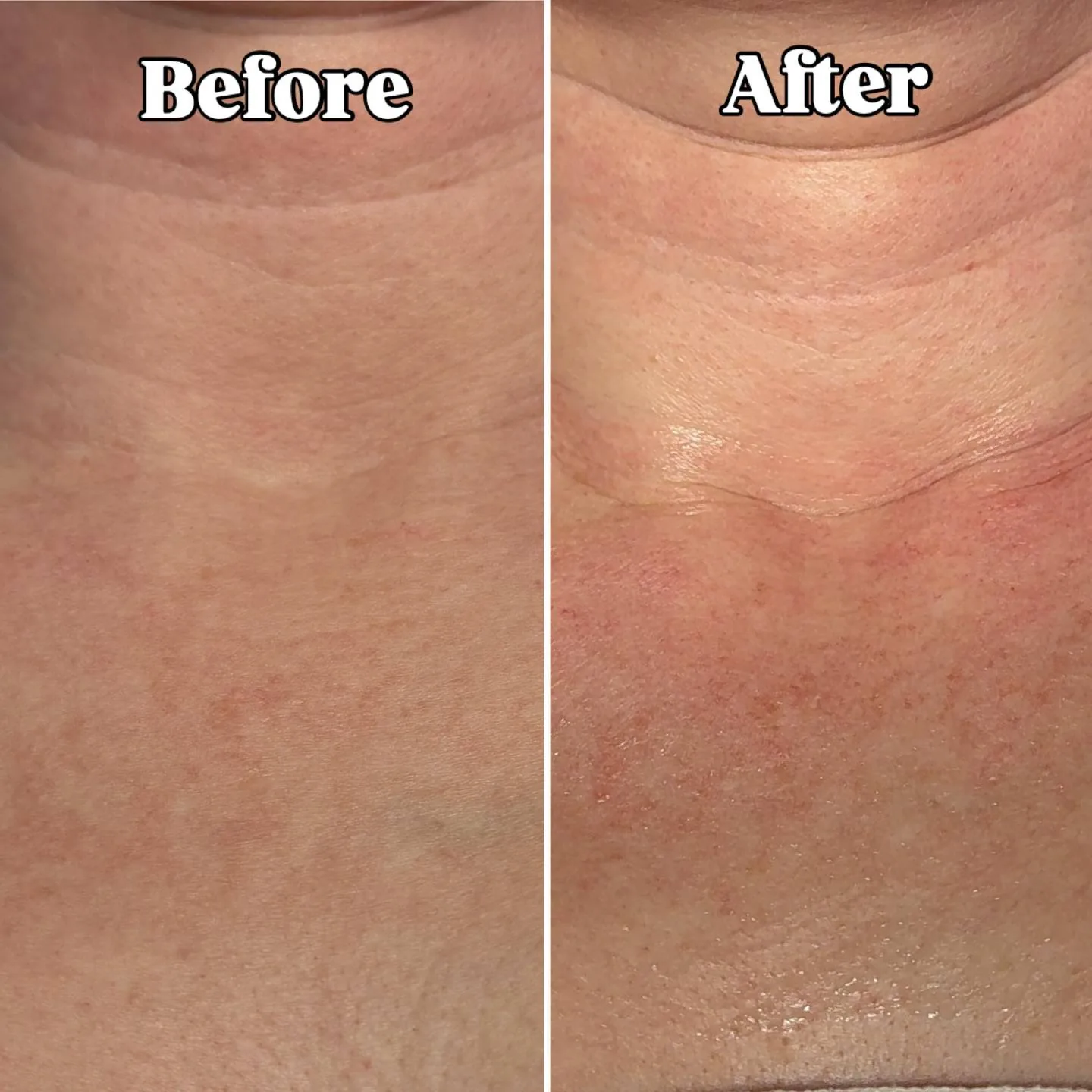
Post-Acne Dark Spots: Which Treatments Actually Work on Brown Marks?
Brown marks left behind by acne can linger for months or even years. Discover which treatments actually make a difference, from professional peels to SharpLight DPC laser.
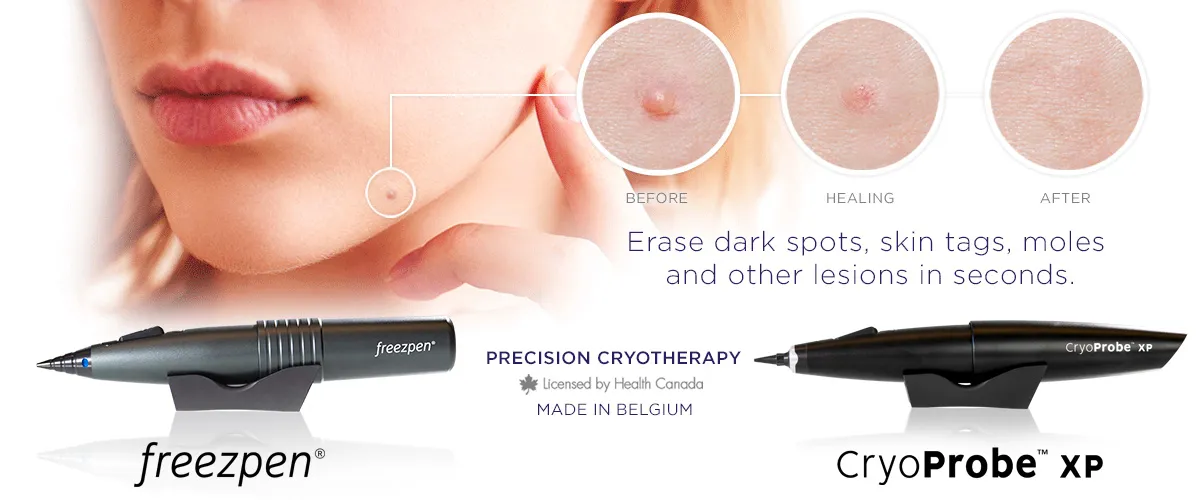
Goodbye Age Spots & Solar Lentigo: How CryoProbe Cryotherapy Reveals Younger-Looking Skin
Why targeted cryotherapy often outperforms laser and chemical peels for sun-induced dark spots on the face, hands and décolleté — with Liliana Ciocoi in Côte Saint-Luc.