
Melasma: Causes, Prevention & How Deep Dermalogica Facials Also Reduce Acne in Côte Saint-Luc
Symmetrical brown patches on the cheeks, forehead or upper lip? A complete clinical guide to melasma — hormonal, UV and heat triggers, realistic prevention — and how our deep Dermalogica facials also reduce acne at Réhabital in Côte Saint-Luc.
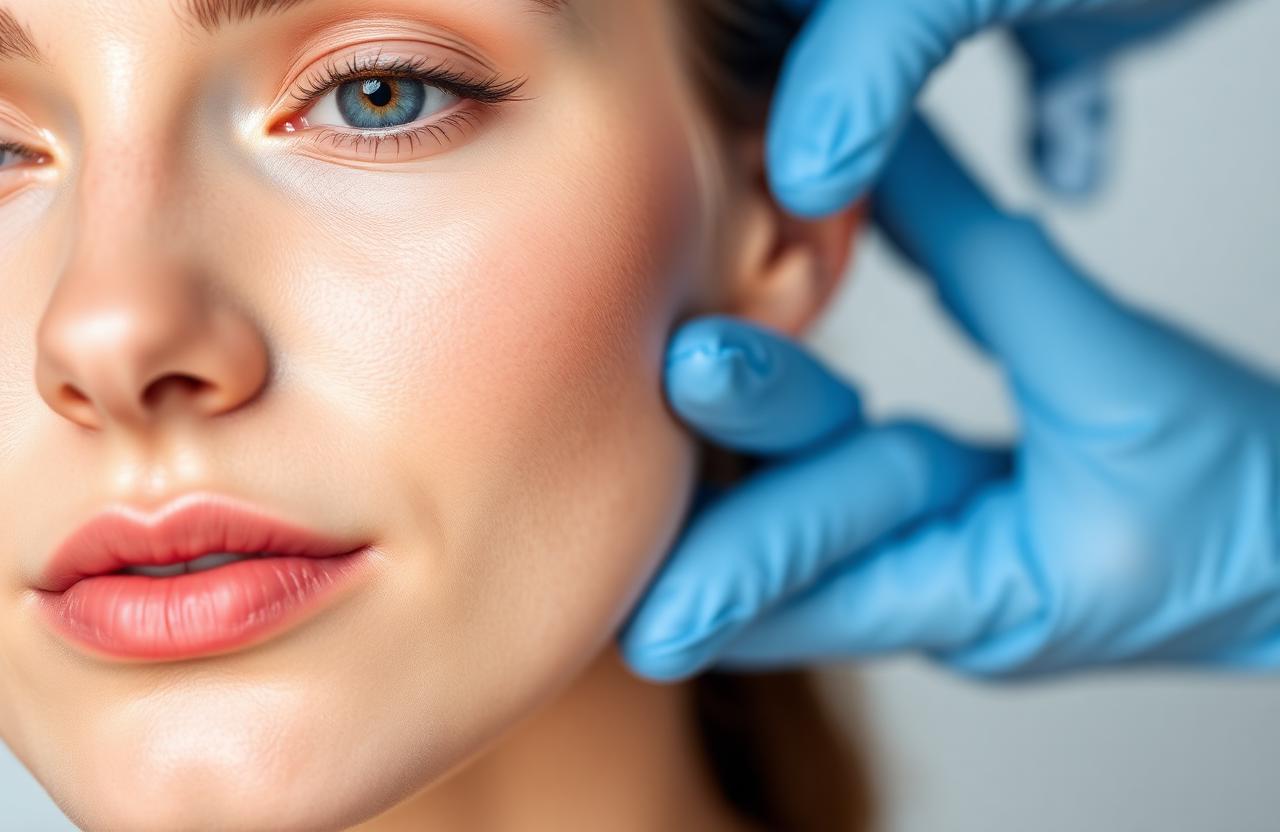
If you have watched symmetrical brown patches slowly appear on your cheeks, forehead or upper lip — often after a pregnancy, after starting hormonal birth control, or after a hot Montreal summer — you are very likely dealing with melasma. It is one of the most common, most misunderstood and most emotionally exhausting skin conditions we treat at Réhabital, in Côte Saint-Luc. And here is what makes it especially frustrating: many women who develop melasma in their 30s or 40s also still fight adult acne. Treating one condition aggressively (like acne) with the wrong products very often flares the other (melasma), and vice versa.
The good news is that a well-designed deep Dermalogica facial protocol — combining professional cleansing, low-strength Pro Peels, LED light therapy and pigment-blocking topicals — can do both jobs at once: fade melasma and calm acne. This guide walks you through what melasma really is, why it appears, how to prevent flare-ups, and exactly how our deep facials at Réhabital treat pigmentation and breakouts together.
1. What is melasma?
Melasma is a chronic, acquired disorder of pigmentation. In healthy skin, small cells called melanocytes produce a controlled amount of melanin — the pigment that gives skin its colour and protects DNA from UV damage. In melasma-prone skin, those melanocytes become hypersensitive: they overreact to hormonal signals, UV rays, visible light and even heat, and they release too much melanin into the surrounding skin cells. The result is diffuse, symmetrical brown to brown-grey patches, usually on sun-exposed areas of the face.
Three anatomical patterns are recognized:
- Centrofacial — the most common pattern, involving the forehead, cheeks, nose, upper lip and chin.
- Malar — limited to the cheeks and nose.
- Mandibular — along the jawline, more common in older patients.
Melasma can be epidermal (superficial, brown, responds faster to treatment), dermal (deeper, grey-blue, slower to fade) or mixed. Your Skin Therapist at Réhabital determines the pattern during your Dermalogica Face Mapping analysis, which then guides the peel type and strength we use.
2. Who gets melasma?
Melasma is heavily biased toward women — around 90% of cases — and disproportionately affects people with medium to darker phototypes. Common backgrounds include Mediterranean, Middle Eastern, Latin American, South Asian, North African and Southeast Asian ancestry. Family history is a major predictor: if your mother or aunt had melasma, your risk is significantly higher. Men can develop melasma too (about 10% of cases), often on the mandibular area, but usually only if there is a genetic predisposition combined with heavy sun exposure.
Melasma most commonly appears between the ages of 20 and 50, peaks during reproductive years, and can flare with each pregnancy, each change in contraception or hormone therapy, and each hot summer.
3. The three big triggers: hormones, light and heat
a) Hormones
Estrogen and progesterone directly stimulate melanocytes. That is why melasma is often called the “mask of pregnancy” (chloasma gravidarum). Common hormonal triggers include:
- Pregnancy — up to 70% of pregnant women develop some degree of melasma.
- Combined oral contraceptives, patches, vaginal rings and hormonal IUDs.
- Hormone replacement therapy in perimenopause and menopause.
- Thyroid dysfunction — patients with thyroid disorders have a much higher prevalence of melasma.
b) UV and visible light
UVA and UVB obviously activate melanocytes, but modern research has shown that visible light — including the blue light from screens and, importantly, sunlight coming through window glass — also stimulates pigment production in melasma-prone skin. This is why traditional mineral SPFs (zinc oxide, titanium dioxide) that don't include iron oxides are insufficient for melasma. Iron oxides are the pigments that give tinted sunscreens their colour, and they physically block visible light.
c) Heat
This is the most under-recognized trigger. Melanocytes in melasma respond to infrared heat. Hot yoga, saunas, steam rooms, hair dryers held close to the face, working over a hot stove, or even a long walk on a humid Montreal August afternoon can flare melasma. We routinely ask patients to lower shower temperature, temporarily skip saunas and take breaks in air-conditioned spaces during active treatment.
4. How melasma is diagnosed at Réhabital
At Réhabital, every pigmentation consultation begins with a complimentary Dermalogica Face Mapping analysis. Your Skin Therapist evaluates:
- The pattern (centrofacial, malar, mandibular).
- The depth (epidermal, dermal, mixed) using a Wood's lamp or targeted light angle.
- The severity (MASI-inspired grading — mild, moderate, severe).
- Your Fitzpatrick phototype, which dictates peel calibration.
- Your medical history, hormonal context, medications and lifestyle triggers.
- The presence of coexisting conditions — active acne, rosacea, sensitivity, post-inflammatory hyperpigmentation.
This full assessment matters because melasma is often confused with post-inflammatory hyperpigmentation (from acne, eczema or aggressive treatments) and with sun spots. The treatment strategies differ significantly — a mistake here can worsen pigmentation for months.
5. Realistic prevention: what actually works
Since melasma is a chronic condition, prevention is as important as treatment. The strongest evidence supports these habits:
- Daily broad-spectrum SPF 50 with iron oxides — this is non-negotiable, 365 days a year. A tinted mineral SPF is our first recommendation.
- Reapply SPF every 2 hours when outdoors, and after swimming or sweating.
- Wide-brimmed hat and UV-filtering sunglasses for outdoor commutes, terrasses and gardening.
- Antioxidant serum in the morning (vitamin C, ferulic acid, resveratrol) to neutralize free radicals from UV and visible light.
- Avoid known heat triggers during active treatment — sauna, hot yoga, prolonged hot showers.
- Review hormonal contraception with your doctor if melasma appeared or worsened after starting it — sometimes a switch is enough to reduce flares.
- Screen for thyroid function if melasma is severe or associated with fatigue, weight changes or hair loss.
- Avoid harsh mechanical scrubs, perfumed toners and any irritating routine — irritation triggers pigment.
6. The deep Dermalogica facial protocol at Réhabital
Dermalogica is a global professional skincare brand, taught through the International Dermal Institute. Our aesthetic team is Dermalogica-trained and designs a layered protocol that works for melasma and simultaneously improves acne.
Step 1 — Double cleanse and Face Mapping refresh
We begin with a pre-cleansing oil to dissolve sebum, sunscreen and makeup without stripping the barrier, followed by a targeted cream or gel cleanser. This alone dramatically reduces the follicular congestion that drives acne, and prepares the skin evenly for the peel.
Step 2 — Targeted Dermalogica Pro Peel
Peel selection depends on your Face Mapping:
- Mandelic acid — larger, slow-penetrating AHA, ideal for darker phototypes and mixed melasma/acne.
- Lactic acid — hydrating AHA, gentle enough for reactive melasma-prone skin.
- Salicylic acid (low strength) — lipid-soluble BHA that penetrates the follicle, ideal when acne is prominent, used sparingly on melasma zones.
Deliberately, we avoid high-percentage glycolic acid, medium-depth TCA and combination peels in melasma — they can trigger post-inflammatory hyperpigmentation and rebound flares.
Step 3 — Careful extractions
Only where truly indicated, and never on inflamed cysts. Extractions clear the comedones and blackheads that maintain adult acne without traumatizing melasma zones.
Step 4 — LED light therapy
We use blue LED to reduce acne-related C. acnes bacteria, and red / near-infrared LED to calm inflammation and support barrier repair. LED is safe for melasma when used correctly. More detail is available in our LED light therapy guide.
Step 5 — Pigment-inhibiting mask and finishing skincare
A calming, brightening mask with niacinamide and antioxidants is applied, followed by an eye contour treatment, a barrier-repair moisturizer, a targeted pigmentation serum and a broad-spectrum SPF 50 with iron oxides. Your therapist then rewrites your home routine.
7. How deep facials help acne — not only melasma
Adult acne shares much of the biology of adolescent acne (follicular plug + C. acnes + inflammation + hormones) but is often more inflammatory, deeper and slower to heal. A deep facial protocol every 3 to 6 weeks reliably improves adult acne because it:
- Removes the follicular plug through professional exfoliation and salicylic peels.
- Reduces C. acnes bacterial load using LED blue light and gentle antibacterial actives.
- Empties existing comedones through controlled extractions, preventing them from becoming inflamed pustules.
- Calms inflammation with LED red light, niacinamide and azulene.
- Rebuilds the skin barrier, which is almost always compromised in adults who have been over-treating their acne with harsh products at home.
The critical insight is that every inflamed pimple in a melasma-prone patient is a future dark spot. By reducing the acne, we are simultaneously preventing the post-inflammatory hyperpigmentation that would otherwise blend into and worsen the melasma. Treating both conditions in one protocol is more effective and more efficient than tackling them separately.
8. What NOT to do
The most common mistakes we correct in first consultations at Réhabital:
- Using aggressive at-home peels or acid pads daily to “fix” melasma faster — this triggers barrier damage and rebound pigmentation.
- Scrubbing with a physical exfoliator, brush or loofah.
- Applying “spot-fade” creams with unknown ingredients bought online.
- Skipping SPF on cloudy days or in winter.
- Using benzoyl peroxide at high concentration on melasma zones — bleaches fabric and can irritate.
- Waxing or repeated laser hair removal on melasma areas without professional guidance.
- Ignoring thyroid or hormonal symptoms.
9. A realistic 3-month treatment plan
A typical Réhabital plan for a patient with combined melasma and adult acne looks like this:
- Week 0 — Face Mapping, home routine rewrite, start of strict SPF and antioxidant morning routine.
- Week 2 — First Dermalogica Pro Skin 60 facial with a very gentle mandelic peel; azelaic acid introduced at night.
- Week 5 — Second facial with a slightly stronger peel; retinol introduced 2 nights per week if tolerated.
- Week 8 — Third facial focused on extractions and pigment brightening; LED protocol reinforced.
- Week 11 — Fourth facial, progress evaluation, before/after photos, adjustment of maintenance frequency.
By week 12, most patients see visibly lighter melasma patches, fewer breakouts, no new dark marks after old pimples, and a much healthier barrier. Maintenance then continues every 4 to 6 weeks.
10. When to add other modalities
Melasma often benefits from a multidisciplinary approach:
- Naturopathy — for hormonal, thyroid or gut-related triggers. Our naturopathy service offers targeted assessments.
- FreezPen cryotherapy — only for isolated sun spots that coexist with melasma, never for melasma patches themselves. See our dark spots guide.
- Osteopathy for stress — chronic stress worsens hormonal balance and inflammation. Cranial osteopathy sessions can be a helpful complement for high-stress patients.
11. Ready to treat your melasma and acne in Côte Saint-Luc?
Melasma is chronic, but it is highly manageable — and when combined with adult acne, treating both with the same deep Dermalogica facial protocol is more effective than tackling them separately. With Face Mapping, gentle Pro Peels, LED, iron-oxide sunscreens and a disciplined home routine, the vast majority of Réhabital patients see visibly clearer, more even skin within 3 months, and keep it that way with light maintenance.
Book a complimentary aesthetic consultation online 24/7 via Jane App, or call us at 438-842-3550. Réhabital is located at Cavendish Mall, D4-5800 boulevard Cavendish, Côte Saint-Luc, with free indoor parking, a bilingual team and evening and weekend availability. Explore our Aesthetic Care service page, or dive deeper into Chemical Peels and our complete Dermalogica facial guide.
Frequently asked questions
Related articles
Dark Spots: How to Fade Them with Dermalogica Chemical Peels and FreezPen Cryotherapy in Côte Saint-Luc
Sun spots, lentigines, post-acne marks or melasma? A clinical guide on choosing between Dermalogica professional chemical peels and targeted FreezPen cryotherapy (DermaSpark) — and when to combine them — at Réhabital in Côte Saint-Luc.
The complete guide to professional facials and daily skincare in Côte Saint-Luc
From Dermalogica Face Mapping to the in-cabin protocol, home routine, and advanced treatments — everything you need to know for healthy, radiant, long-lasting skin in Montreal.
Understanding Keratosis Pilaris (Chicken Skin): Facial & Body Treatment at Réhabital, Côte Saint-Luc
Tiny rough bumps on the back of your arms, cheeks or thighs? A complete clinical guide to keratosis pilaris — causes, myths, and how our professional Dermalogica facials, gentle chemical peels and targeted cryotherapy fade it long-term at Réhabital in Côte Saint-Luc.
Facial Rejuvenation: How the Réhabital Facial Protocol Works
Dermalogica facials, SharpLight photofacial, microneedling, mesotherapy and peels: how we build a realistic facial rejuvenation plan in Côte Saint-Luc, with transparent pricing.
Melasma or Sun Spots: How to Tell the Difference
Melasma and sun spots are both common forms of hyperpigmentation, but they don’t respond to the same treatments. Here’s how to tell them apart and what options are available in Côte Saint-Luc.
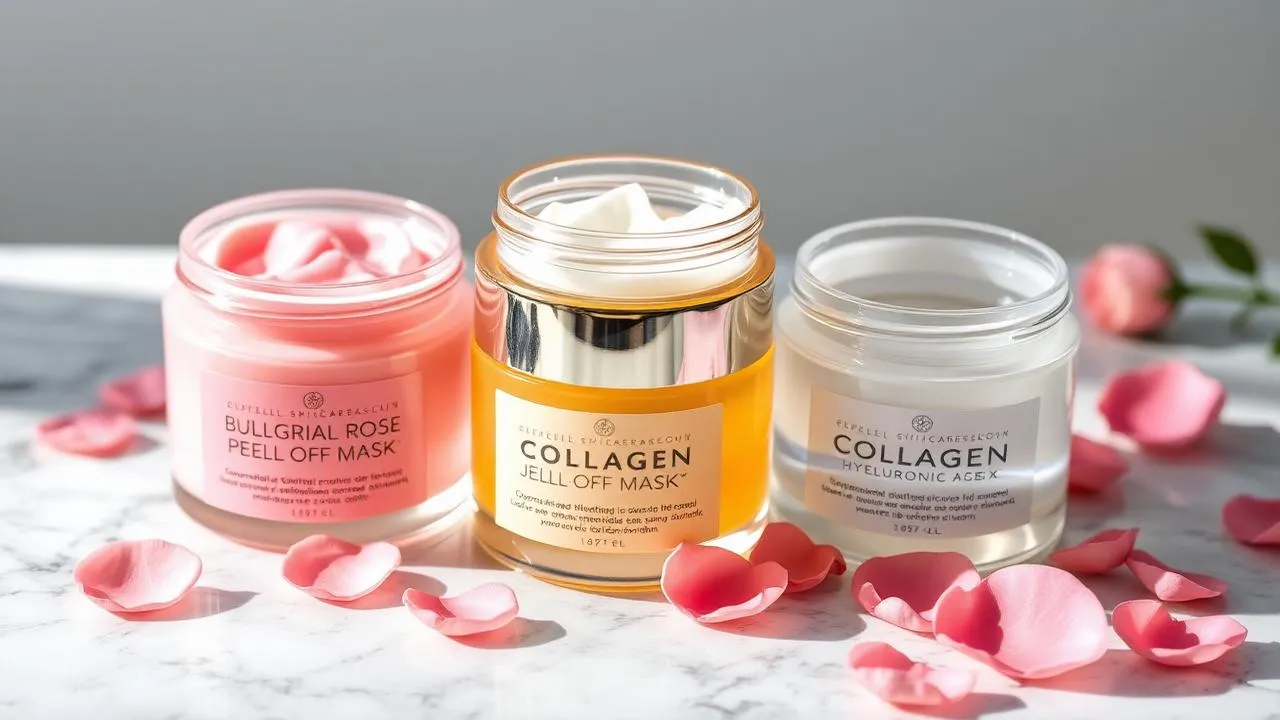
Jelly Peel-Off Masks with Bulgarian Rose, Collagen and Hyaluronic Acid: Réhabital's new signature facial finish in Côte Saint-Luc
Discover our three new jelly peel-off masks — Bulgarian Rose, Marine Collagen and Hyaluronic Acid — that refresh, plump and brighten the skin in 20 minutes, integrated into every clinical facial at Réhabital.