
Chemical Peel vs Microneedling vs Laser: Which One Treats Pigmentation Best?
Three popular approaches to pigmentation: chemical peels, microneedling and laser. An honest comparison to help you choose with your aesthetician.
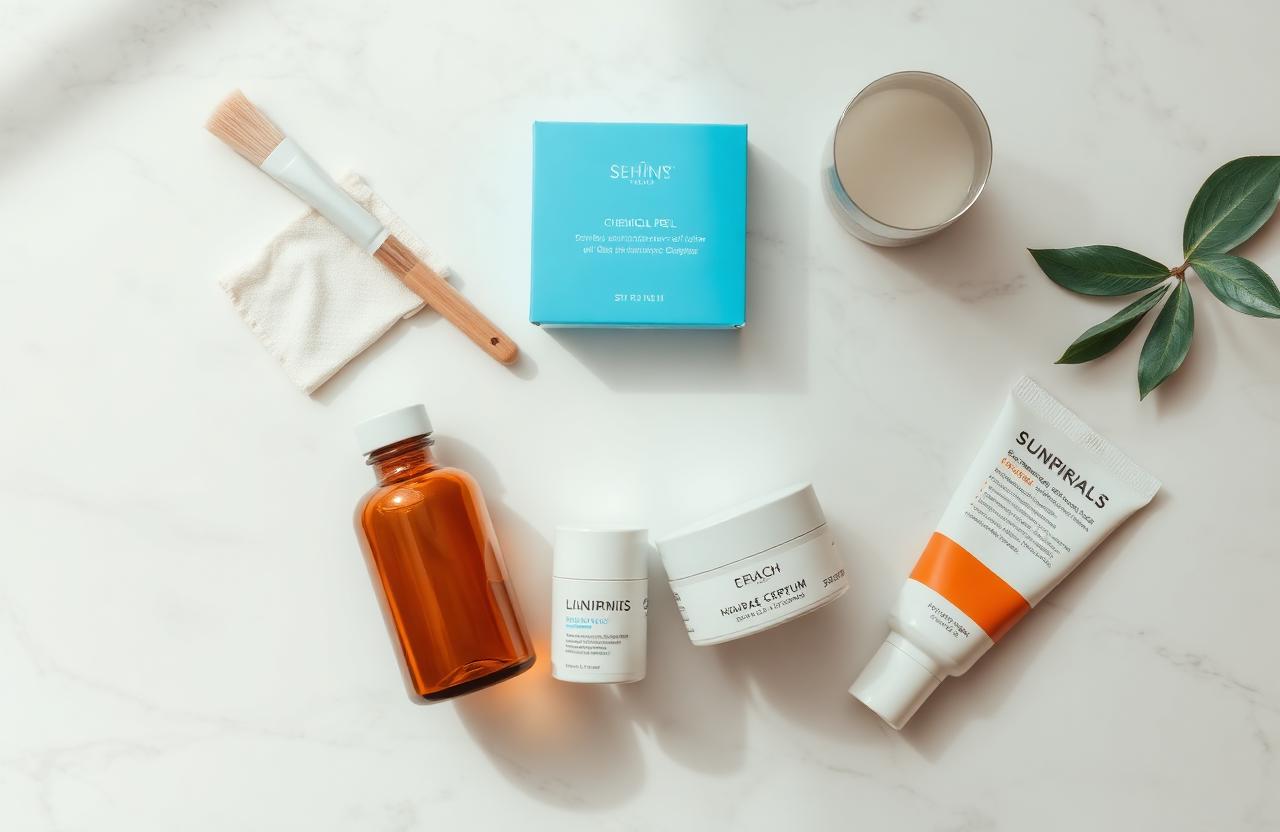
Pigmentation concerns are among the most common skin issues clients bring to our clinic, whether it's sun spots, melasma, or marks left behind by acne. When exploring solutions, three professional options come up again and again: chemical peels, microneedling, and laser. Each has distinct strengths, and the right choice depends on your skin type, the underlying cause of your pigmentation, and your goals. This article offers an honest comparison to help you have an informed conversation with your aesthetician in Cote Saint-Luc.
Understanding pigmentation before choosing a treatment
Before comparing treatments, it is essential to understand where your pigmentation is coming from. Post-inflammatory hyperpigmentation appears after an injury or inflammation, such as an acne breakout. Melasma, on the other hand, is hormonally influenced and can worsen with sun exposure or overly aggressive treatments. Solar lentigines, commonly known as sun spots or age spots, result from cumulative UV exposure over the years. To learn more about causes and solutions, visit our dedicated page on hyperpigmentation treatment.
Each type of pigmentation responds differently to treatment. Melasma, for example, is notoriously stubborn and can react negatively to overly aggressive treatments, while well-defined solar lentigines often respond very well to laser.
Chemical peels: a gradual, versatile approach
Chemical peels involve applying an exfoliating solution, based on acids like glycolic, salicylic, or lactic acid, to accelerate cell turnover and fade surface-level spots. At Réhabital, we use professional Dermalogica formulations, known for their effectiveness combined with relative gentleness compared to other brands. Learn more on our Dermalogica chemical peels page.
Peels are particularly appealing for those who want gradual improvement with minimal downtime. A series of four to six sessions, spaced two to four weeks apart, generally produces a more even complexion. Peels also address skin texture, enlarged pores, and dullness, offering benefits beyond pigmentation alone.
A notable advantage of peels is their flexibility: depth can be adjusted based on your skin's tolerance, making them a relatively safe option for sensitive or reactive skin, including certain cases of melasma treated with caution.
Microneedling: stimulating the skin for deeper renewal
Microneedling uses fine needles to create controlled micro-punctures in the skin, stimulating collagen production and cell renewal. This treatment is particularly well known for improving skin texture and acne scarring, while also helping to fade certain forms of pigmentation.
However, microneedling carries a specific risk: if not performed by a qualified professional, or if aftercare — particularly sun protection — is neglected, it can trigger post-inflammatory hyperpigmentation, especially in individuals with deeper skin tones. This is why a proper assessment by your aesthetician is essential before proceeding.
Recovery time for microneedling is generally one to three days, with redness similar to a mild sunburn. Results improve gradually over the following weeks as collagen regenerates.
Laser: speed and precision for targeted spots
Laser treatments, such as those offered with our SharpLight DPC technology, target pigment directly using a specific wavelength of light. For well-defined sun spots, laser can produce visible results after just one or two sessions, making it an attractive option for those seeking faster results. Explore our full range of laser treatments in Cote Saint-Luc.
However, laser is not appropriate for every type of pigmentation or every skin tone. Certain wavelengths carry an increased risk of pigment-related complications on darker skin, and melasma often responds poorly, or even worsens, with overly aggressive laser treatment. A thorough consultation is therefore essential before choosing this route.
Recovery time varies depending on treatment intensity, ranging from mild redness to a few days of superficial crusting depending on the settings used.
Direct comparison: which treatment for which profile?
| Criteria | Chemical Peel | Microneedling | Laser |
|---|---|---|---|
| Speed of results | Gradual | Gradual | Often faster |
| Downtime | Minimal | 1 to 3 days | Variable |
| Ideal for melasma | Yes, with caution | Caution required | Case by case |
| Additional benefits | Texture, dullness | Scarring, firmness | Targeted precision |
This comparison illustrates that there is no universal answer. The best treatment depends on your type of pigmentation, your tolerance for downtime, and professional recommendations based on an individualized assessment.
Can these treatments be combined?
Many clients achieve excellent results by combining approaches, for example alternating maintenance peels with spaced-out microneedling sessions, or complementing an initial laser treatment with follow-up peels to prolong results. This strategy should always be supervised by a professional to avoid overloading the skin and causing excessive irritation.
The importance of sun protection, regardless of the treatment chosen
Whichever treatment you choose, daily sun protection remains the cornerstone of any anti-pigmentation protocol. Without rigorous SPF application, even the best treatments can see their effects fade quickly, and the risk of recurrence or worsening increases significantly. We also recommend incorporating maintenance products recommended by your aesthetician into your home routine.
Personalized consultation at Réhabital
At Réhabital, our team of aestheticians, including Liliana, Elena, and Farzaneh, evaluates each case individually to recommend the most suitable treatment for your skin type and goals. We firmly believe that a personalized approach, rather than a one-size-fits-all solution, delivers the best lasting results. To discover our full range of services, visit our aesthetic care in Cote Saint-Luc page or learn more about our team.
Booking is easy through our Jane App platform, allowing you to select a time slot that fits your schedule. Also review our clinic policies before your first visit to be well prepared.
How do these treatments actually work on the skin?
To understand why these three treatments produce different results, it helps to look at what happens at the cellular level. Chemical peels work at the surface by dissolving the bonds between dead skin cells, accelerating their removal and revealing younger, more evenly toned cells underneath. Microneedling works deeper: the micro-channels created trigger a natural healing cascade that stimulates collagen production and new skin cell growth, a process that can also help redistribute pigment more evenly. Laser, on the other hand, directly targets melanin molecules through a phenomenon called selective photothermolysis: light is absorbed by the pigment, which then fragments into smaller particles that the body naturally eliminates. Understanding these mechanisms helps explain why certain treatments suit certain types of spots better than others.
Montreal's climate and its influence on treatment timing
In Montreal, seasonal changes play an important role in planning these treatments. Fall and winter are generally considered ideal periods to begin a peel, microneedling, or laser protocol, since sun exposure is naturally reduced and the risk of pigment-related complications decreases accordingly. Conversely, starting an aggressive treatment right before summer, when sun intensity in Cote Saint-Luc increases significantly, exposes the skin to a higher risk of recurrence or post-inflammatory hyperpigmentation. Our aestheticians often recommend scheduling a treatment series between October and March, then maintaining results with lighter maintenance care during the sunnier months.
Indoor heating during Quebec winters can also dry out the skin, which may intensify the tight sensation after a peel or worsen post-microneedling redness. Reinforced hydration during this period is often part of the recommended maintenance protocol.
At-home routine to prolong results
Regardless of the treatment chosen, at-home care plays a decisive role in how long results last. Here are some general recommendations from our aestheticians:
- Apply a broad-spectrum mineral sunscreen every morning, even on cloudy days
- Avoid strong exfoliating actives (retinol, high-concentration acids) in the days following a treatment
- Use a targeted brightening serum, such as vitamin C or azelaic acid, between in-clinic sessions
- Moisturize morning and night to support the skin barrier during the healing phase
- Avoid scratching or manually exfoliating skin that is peeling after a peel treatment
These simple habits, applied consistently, often make all the difference between a result that fades quickly and an even complexion that is maintained over time.
Common myths about pigmentation treatments
Several misconceptions circulate about these treatments. Here are some important clarifications:
- «The more aggressive, the more effective»: in reality, an overly intense treatment can trigger inflammation that worsens pigmentation rather than improving it, especially in at-risk skin.
- «Laser removes spots permanently»: laser can eliminate an existing spot, but it does not prevent new spots from forming if sun exposure is not controlled.
- «At-home microneedling gives the same results»: retail needle rollers are generally much shallower and less sterile than professional devices, which limits their effectiveness and increases infection risk.
- «Peels are only for problem skin»: peels can also benefit normal skin simply seeking a more even tone or a refreshed appearance.
When to consult a professional before proceeding
Certain situations call for a consultation even before considering an aesthetic treatment. If your spots change rapidly in shape, color, or size, a medical evaluation is recommended to rule out any more serious cause. Similarly, if you have a history of keloid scarring, very reactive skin, or are taking photosensitizing medications, it is essential to discuss this with your aesthetician before starting any protocol. Open communication about your medical history and expectations helps avoid unpleasant surprises and guides you toward the safest option.
Common scenarios: which treatment for which situation?
To illustrate these choices concretely, here are some common scenarios we encounter in clinic. A client with well-defined sun spots on the hands and face, with no history of melasma, is often guided toward a targeted laser protocol for faster results. A client with active melasma, particularly sensitive to hormonal fluctuations, will generally benefit from a more cautious approach combining gentle peels and at-home care, avoiding aggressive thermal treatments. A client seeking to improve both acne scarring and diffuse pigmentation may consider a microneedling series, potentially complemented by maintenance peels between sessions. Every case remains unique, but these examples illustrate the reasoning behind our aestheticians' personalized recommendations.
Setting realistic expectations for your pigmentation journey
Patience is an important part of any pigmentation treatment plan. Visible results often take several weeks to fully develop as the skin completes its natural renewal cycle, and stacking sessions too closely together in hopes of speeding things up can backfire by triggering irritation. Working closely with your aesthetician to track progress with photos, adjusting the plan as your skin responds, and staying consistent with sun protection between visits all contribute to a smoother, more predictable outcome over the course of your treatment series.
Conclusion
Chemical peels, microneedling, and laser each offer unique advantages in the fight against hyperpigmentation. Rather than choosing at random, a professional consultation helps identify the exact cause of your pigmentation and select the safest, most effective approach for your skin. Book an appointment today to discuss your options with our team.
Frequently asked questions
Related articles
Melasma or Sun Spots: How to Tell the Difference
Melasma and sun spots are both common forms of hyperpigmentation, but they don’t respond to the same treatments. Here’s how to tell them apart and what options are available in Côte Saint-Luc.
Hyperpigmentation & Dark Spots: Professional Treatments That Actually Work — Côte Saint-Luc
A clinical guide to the four types of hyperpigmentation — melasma, sun spots, PIH, freckles — and the professional treatments that deliver real results: chemical peels, microneedling, IPL and green LED therapy.
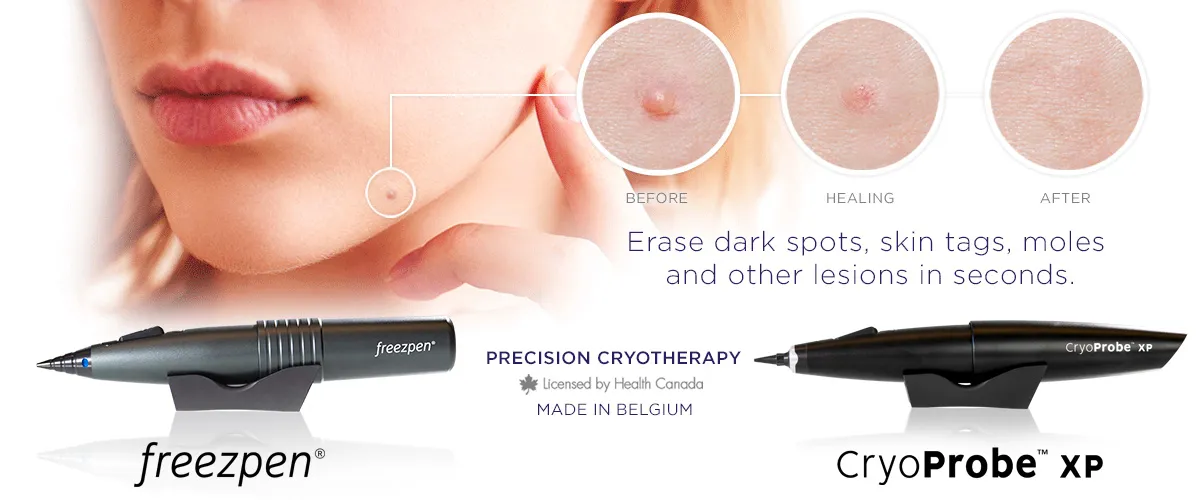
Cryotherapy vs Laser vs Electrocautery: Which Is Best for Removing a Benign Skin Lesion?
A clear comparison of the three most-used methods for removing skin tags, warts, spots and angiomas — with the ABCDE rule and the recommendations of Liliana Ciocoi in Côte Saint-Luc.
Dark Spots: How to Fade Them with Dermalogica Chemical Peels and FreezPen Cryotherapy in Côte Saint-Luc
Sun spots, lentigines, post-acne marks or melasma? A clinical guide on choosing between Dermalogica professional chemical peels and targeted FreezPen cryotherapy (DermaSpark) — and when to combine them — at Réhabital in Côte Saint-Luc.
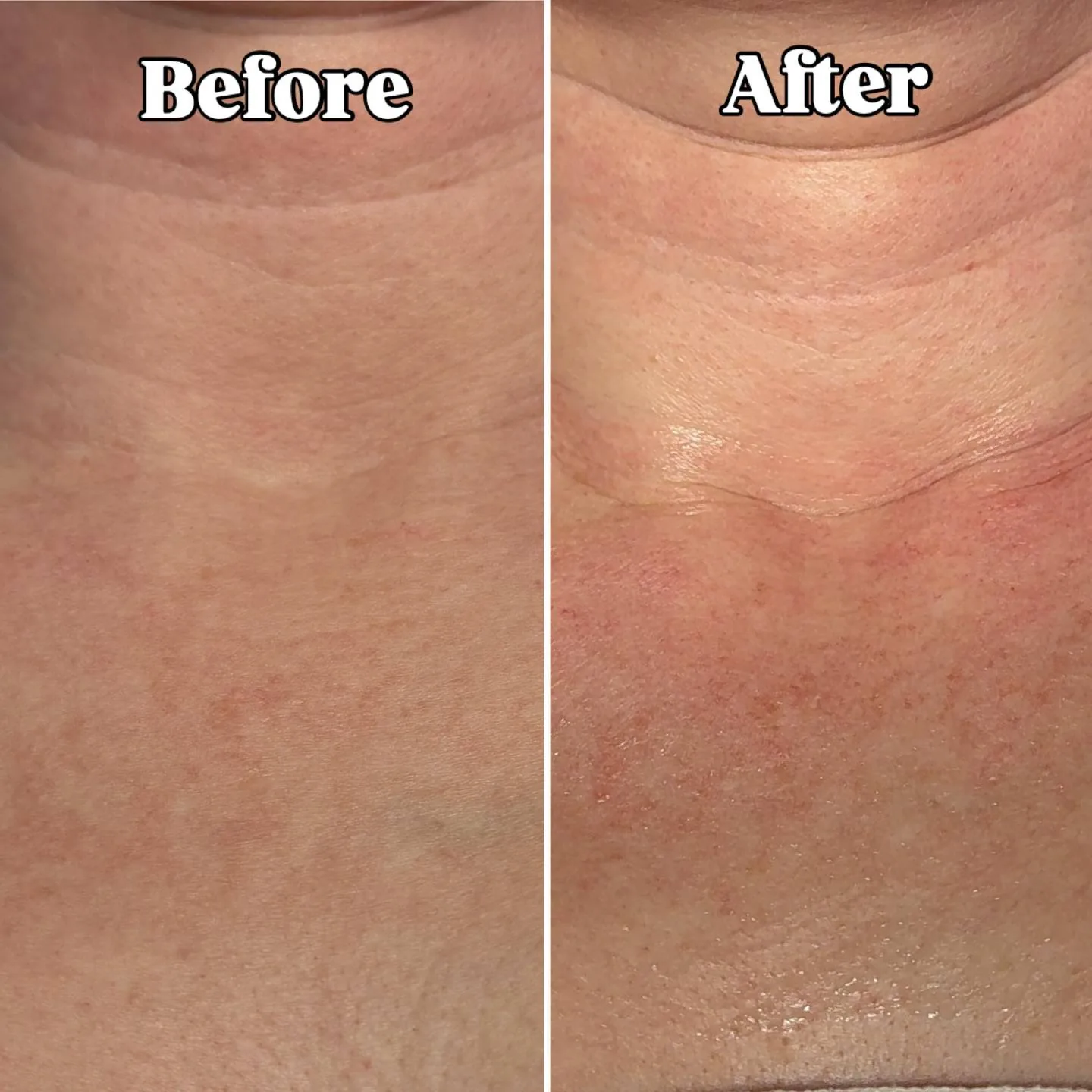
Post-Acne Dark Spots: Which Treatments Actually Work on Brown Marks?
Brown marks left behind by acne can linger for months or even years. Discover which treatments actually make a difference, from professional peels to SharpLight DPC laser.
Melasma: Causes, Prevention & How Deep Dermalogica Facials Also Reduce Acne in Côte Saint-Luc
Symmetrical brown patches on the cheeks, forehead or upper lip? A complete clinical guide to melasma — hormonal, UV and heat triggers, realistic prevention — and how our deep Dermalogica facials also reduce acne at Réhabital in Côte Saint-Luc.