
Understanding Keratosis Pilaris (Chicken Skin): Facial & Body Treatment at Réhabital, Côte Saint-Luc
Tiny rough bumps on the back of your arms, cheeks or thighs? A complete clinical guide to keratosis pilaris — causes, myths, and how our professional Dermalogica facials, gentle chemical peels and targeted cryotherapy fade it long-term at Réhabital in Côte Saint-Luc.
If you have ever run your fingers along the back of your upper arms and felt tiny rough bumps — a texture that looks like permanent goosebumps, chicken skin or fine sandpaper — you are almost certainly dealing with keratosis pilaris (KP). At Réhabital, in Côte Saint-Luc, it is one of the most common concerns our aesthetic team hears about, especially in the winter months. It's harmless, but it can be genuinely frustrating: it doesn't respond to random drugstore scrubs, it can flare with the Montreal cold, and no amount of squeezing or picking will smooth it out. The good news is that with a proper clinical protocol — professional Dermalogica facials, targeted AHA/BHA Pro Peels, gentle cryotherapy on stubborn spots, and a disciplined home routine — most patients can see a dramatic improvement in a few months.
This guide walks you through what KP really is, why the standard drugstore advice usually fails, and exactly how our Skin Therapists at Réhabital treat it on the face and the body.
1. What is keratosis pilaris?
Keratosis pilaris is a benign disorder of keratinization. Every hair on your body grows out of a tiny follicle. In KP, the body produces too much keratin — the protein that forms the outer layer of the skin — and this excess keratin plugs the follicle opening. Trapped hair, dead cells and sebum accumulate, forming a small firm bump. Multiply that bump by hundreds, spread across the upper arms, thighs, buttocks or cheeks, and you get the classic “chicken skin” appearance.
Under the microscope, the bump is called a keratotic follicular plug. Around it, there is often mild inflammation (redness, sometimes brown discoloration in darker phototypes). KP is completely benign — it is not an infection, not contagious, and never turns cancerous — but it can significantly affect self-esteem, especially in teenagers and young adults who don't want to wear short sleeves.
2. Who gets keratosis pilaris?
KP affects an estimated 40% of adults and up to 80% of adolescents worldwide, making it one of the most common skin conditions of all. It runs in families (autosomal dominant inheritance) and is more common if you have:
- Dry skin or a dry-skin family background.
- Atopic dermatitis (eczema), asthma or hay fever — the “atopic triad”.
- Ichthyosis vulgaris (another genetic dryness condition).
- Hormonal transitions such as puberty, pregnancy or perimenopause.
KP typically appears in early childhood, worsens during adolescence, and then softens gradually with age — but for many adults it never fully disappears without treatment. In Montreal, we see clear seasonal patterns: patients report smoother skin in the humid summer months and rougher, redder KP from November through March.
3. Where does it show up?
The most common locations are, in order of frequency:
- The back and outer surface of the upper arms — the classic location, symmetrical on both sides.
- The front of the thighs — especially in women, often noticed after wearing shorts or dresses.
- The buttocks — often confused with folliculitis or “razor bumps”.
- The cheeks — very common in children, sometimes with visible redness (keratosis pilaris rubra faciei).
- The eyebrows and temples — a rarer variant that can cause thinning of the outer eyebrow.
Because facial KP can be confused with rosacea, acne or eczema, an in-clinic professional assessment is important before starting any strong active ingredient.
4. Why drugstore scrubs usually fail
Most people with KP try, at some point, an aggressive body scrub, a loofah, a dry brush or a “coffee scrub”. These almost always fail — and often make KP worse. Why? Because KP is not a hygiene problem or a “dead skin cell” problem you can polish away. It is a keratinization problem happening inside the follicle. Rubbing the surface harder only inflames the skin around each plug, making the bumps look redder and more irritated, and can trigger post-inflammatory hyperpigmentation, especially in medium and darker phototypes.
The correct strategy is chemical exfoliation and hydration, not mechanical scrubbing. That is exactly what a well-designed Dermalogica protocol does.
5. The Dermalogica approach at Réhabital
Dermalogica is one of the world's most respected professional skincare brands, taught through the International Dermal Institute and used in more than 100 countries. At Réhabital, our Dermalogica-trained aesthetic team designs a KP protocol in three layers.
a) Face Mapping and diagnosis
Every treatment starts with a complimentary Dermalogica Face Mapping analysis. Your therapist grades your KP (mild, moderate, severe), notes any pigmentation or redness, checks your phototype, and rules out mimics such as folliculitis, closed comedones or eczema. This lets us calibrate the peel strength, avoid unnecessary aggression and set realistic goals.
b) Pro Skin 60 facial customized for KP
The signature Dermalogica Pro Skin 60 facial is fully customizable, which is why it works so well for KP-prone skin. For KP on the cheeks or the extended face zones, we typically use:
- A gentle cream cleanser followed by a pre-cleansing oil to remove surface build-up without stripping the barrier.
- A short, targeted Dermalogica Pro Peel using salicylic acid (BHA — penetrates the follicle), lactic acid (AHA — hydrates while exfoliating) or mandelic acid (larger, slower AHA, safer for darker phototypes).
- Careful manual exfoliation focused on the KP zones, never on inflamed areas.
- Extractions only where truly indicated.
- Calming LED light therapy to reduce redness and support healing — you can read more in our guide to LED light therapy in Côte Saint-Luc.
- A barrier-repair moisturizer, a targeted serum (often niacinamide or ceramide-based), and a broad-spectrum SPF 30–50 to finish.
c) Body Pro Peel for arms, thighs and buttocks
For body KP, the same peel actives are applied at concentrations adapted to the thicker skin of the arms and thighs. A 30–45 minute session includes a body-scale cleanse, application of the chosen peel with careful timing, neutralization, calming lotion and a rich urea-based body cream. Most patients feel a mild warmth or tingle for a few minutes but no significant pain. There is typically no visible peeling — just progressively smoother, softer skin over the following weeks.
6. When cryotherapy (FreezPen) helps
Cryotherapy is not the primary treatment for widespread KP, but the FreezPen by DermaSpark is very useful in specific situations:
- Isolated inflamed bumps that resist peels and topical care.
- Post-KP pigmented spots left on the arms after years of picking or friction.
- Stubborn thicker plugs on the buttocks or thighs.
The FreezPen delivers a very precise stream of nitrous oxide at −89 °C onto the targeted lesion for only a few seconds. The cold destroys the plug and the pigmented cells around it, and within 7 to 14 days the treated bump flakes away. Because the treatment is millimetric, the surrounding skin is untouched — a precision that no scrub can match. Our full FreezPen approach is described in this dedicated guide on dark spots and cryotherapy.
7. A realistic 90-day treatment plan at Réhabital
For a typical adult patient with moderate KP on the arms and mild KP on the cheeks, our plan looks like this:
- Week 0 — Face Mapping, photos, home routine kit and setup.
- Week 1 — First Pro Skin 60 with a gentle Dermalogica Pro Peel on the face; body Pro Peel on the arms.
- Week 3 — Second peel, slightly stronger if tolerated. LED session.
- Week 5 — Third peel + targeted FreezPen on 1–3 stubborn pigmented bumps if needed.
- Week 7 — Fourth peel, focus on the thighs or buttocks if indicated.
- Week 9 — LED + hydrating facial to consolidate results.
- Week 12 — Fifth peel + progress photos.
- Maintenance: one Dermalogica facial every 4 to 6 weeks, plus disciplined home care.
8. Home routine: what makes or breaks your result
Professional treatments create the change. Home care protects it. Our KP home protocol at Réhabital is simple and short — that's why patients actually follow it:
- Morning: gentle cream cleanser, hydrating serum, urea-based moisturizer, broad-spectrum SPF 30 on any exposed KP zone.
- Evening (2 to 4 times per week to start): body cleanser, then an AHA/BHA body lotion (lactic acid or salicylic acid at 5 to 10%) massaged into damp skin on the KP zones, followed by a rich moisturizer.
- Weekly: one soft chemical exfoliation for the face using a Dermalogica product recommended by your therapist. No physical scrubbing, no loofah, no dry brushing on active KP.
- Showering: short, lukewarm (not hot) showers, then moisturize within 3 minutes to trap water in the skin.
9. Lifestyle and prevention
Beyond skincare, small daily habits meaningfully change how KP looks over the seasons:
- Use a humidifier at home in Montreal winter — dry indoor air is a major KP trigger.
- Avoid tight, synthetic clothing that traps sweat and friction against the arms and thighs.
- Prefer soft, breathable cotton, especially at night.
- Don't pick or squeeze the bumps — it prolongs redness and creates hyperpigmentation.
- Stay hydrated, and support skin from the inside with a balanced diet rich in omega-3s and vitamin A. For patients with concurrent digestive or hormonal concerns, our naturopathy team can complement the aesthetic plan.
10. How KP interacts with other services at Réhabital
KP rarely arrives alone. Many of our patients also want to address ingrown hairs, dullness, or unwanted body hair on the same zones. That is why our aesthetic team frequently combines KP care with:
- Professional laser hair removal on the arms or thighs, which often reduces KP significantly by decreasing follicular involvement — see our Laser & Cryotherapy page.
- Chemical peels for concurrent dullness, sun damage or acne marks — read our dark spots guide.
- LED light therapy to calm redness and post-inflammatory pigmentation — see our LED therapy article.
- Complete Dermalogica facials for global skin health — reviewed in our complete guide to professional Dermalogica facials.
11. Ready to smooth out chicken skin in Côte Saint-Luc?
Keratosis pilaris is genetic, but it is absolutely not something you have to live with in silence. With the right diagnosis, the right sequence of Dermalogica Pro Peels, targeted FreezPen cryotherapy when needed, and a realistic home protocol, the vast majority of patients at Réhabital see visibly smoother, more even skin within 90 days — and, with light maintenance, keep it that way for the long term.
Book a complimentary aesthetic consultation online 24/7 via Jane App, or call us at 438-842-3550. Réhabital is located at Cavendish Mall, D4-5800 boulevard Cavendish, Côte Saint-Luc, with free indoor parking, a bilingual team and evening and weekend availability. Learn more on our Aesthetic Care page or explore the Chemical Peel and Laser & Cryotherapy sub-pages.
Frequently asked questions
Related articles
Dark Spots: How to Fade Them with Dermalogica Chemical Peels and FreezPen Cryotherapy in Côte Saint-Luc
Sun spots, lentigines, post-acne marks or melasma? A clinical guide on choosing between Dermalogica professional chemical peels and targeted FreezPen cryotherapy (DermaSpark) — and when to combine them — at Réhabital in Côte Saint-Luc.
Melasma: Causes, Prevention & How Deep Dermalogica Facials Also Reduce Acne in Côte Saint-Luc
Symmetrical brown patches on the cheeks, forehead or upper lip? A complete clinical guide to melasma — hormonal, UV and heat triggers, realistic prevention — and how our deep Dermalogica facials also reduce acne at Réhabital in Côte Saint-Luc.
Winter Dry Skin in Montreal: A Professional Dermalogica Hydration Protocol
Montreal winter drying out your skin? Discover the professional Dermalogica hydration protocol at Réhabital in Côte Saint-Luc to restore the skin barrier.
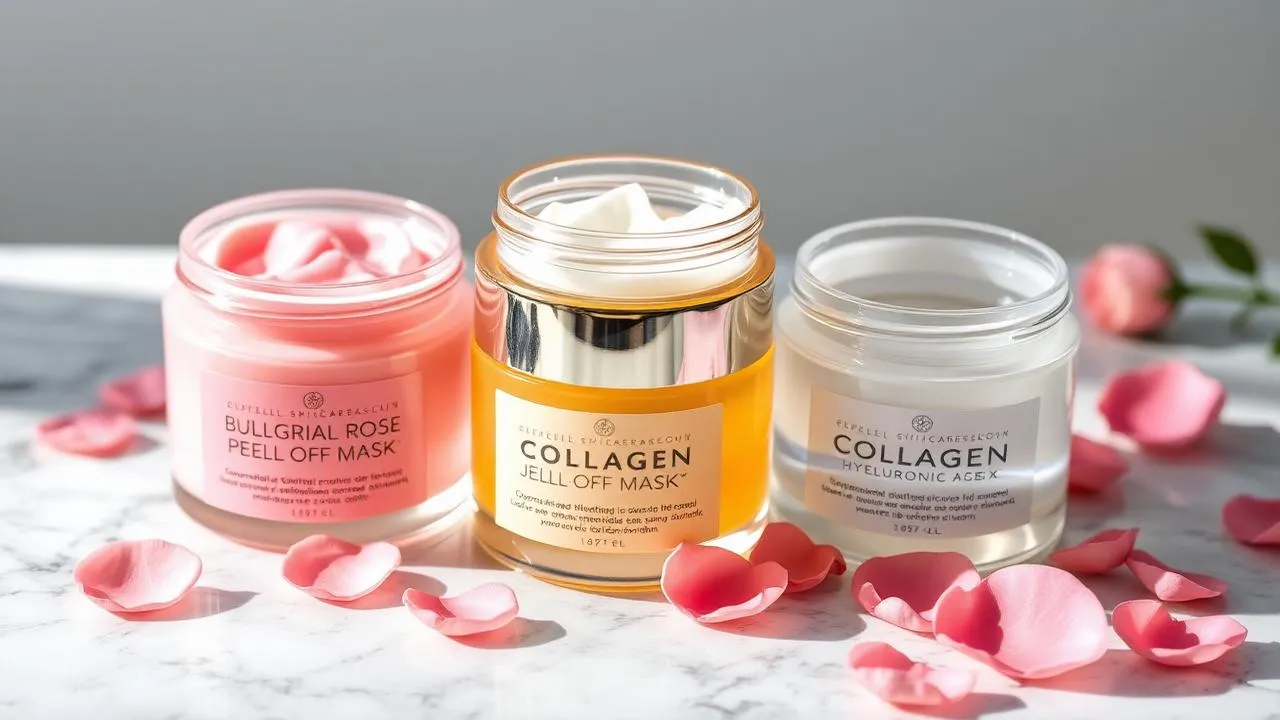
Jelly Peel-Off Masks with Bulgarian Rose, Collagen and Hyaluronic Acid: Réhabital's new signature facial finish in Côte Saint-Luc
Discover our three new jelly peel-off masks — Bulgarian Rose, Marine Collagen and Hyaluronic Acid — that refresh, plump and brighten the skin in 20 minutes, integrated into every clinical facial at Réhabital.
Facial Rejuvenation: How the Réhabital Facial Protocol Works
Dermalogica facials, SharpLight photofacial, microneedling, mesotherapy and peels: how we build a realistic facial rejuvenation plan in Côte Saint-Luc, with transparent pricing.
Teen Acne: How Our Dermalogica Essential Facial Helps Teenagers Care for Their Skin
Teen acne isn't just a cosmetic issue — it affects confidence and long-term skin health. Learn how the Dermalogica Essential Facial at Réhabital in Côte Saint-Luc helps teenagers understand their skin, control acne and build lifelong healthy habits.