
Can Cryotherapy Improve Your Skin Health? A Complete Guide in Côte Saint-Luc
Can controlled cold truly transform the skin? A clinical guide to facial and targeted cryotherapy at Réhabital in Côte Saint-Luc: benefits, protocols, results and safety.
1. Cold as a skincare tool — an idea older than you think
Long before cryotherapy became a wellness trend, humans instinctively knew that cold does something powerful to the skin. Splashing cold water on tired eyes, rolling a chilled jade stone over puffy cheeks, or stepping into an icy shower on a summer morning — all of these are versions of the same principle: controlled cold triggers a cascade of biological responses in the skin that we cannot easily reproduce with any cream. What modern cryotherapy adds is precision. Instead of relying on a cold cloth, we now deliver calibrated temperatures — from a diffuse −20 °C air stream across the whole face to a targeted −89 °C nitrous oxide jet on a single millimetre of tissue — with the exact dose the skin needs to respond without being harmed.
At Réhabital in Côte Saint-Luc, cryotherapy is not a gimmick. It sits inside a broader clinical framework alongside our Dermalogica professional facials, LED photomodulation, chemical peels and medical cryosurgery with the FreezPen. The question we hear most often at consultation is simple: Can cryotherapy actually improve my skin? The honest, evidence-informed answer is yes — for specific goals, in the right person, when properly dosed. This guide walks you through exactly what cryotherapy can and cannot do for your skin, so you can decide whether it belongs in your routine.
2. What “cryotherapy for skin” actually means
The word cryotherapy is used loosely, so let us define it clearly. In dermatology and aesthetic medicine, three very different technologies share the name:
- Cryofacial (localized cryostimulation of the face) — a diffuse jet of very cold air (typically −20 °C to −40 °C) is passed across the face and neck for 8 to 12 minutes. Comfortable, non-invasive, and used to tone, brighten and de-puff.
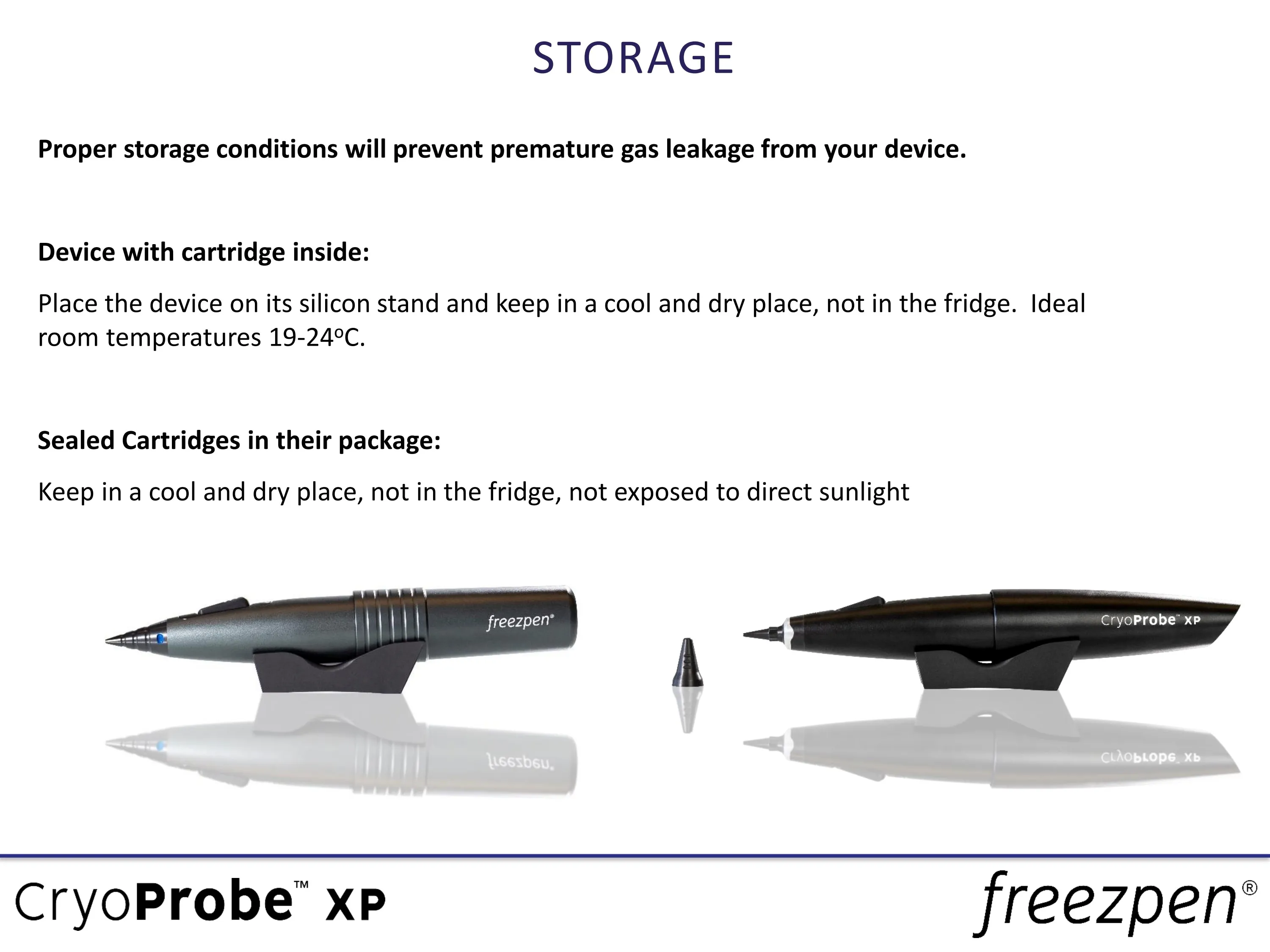
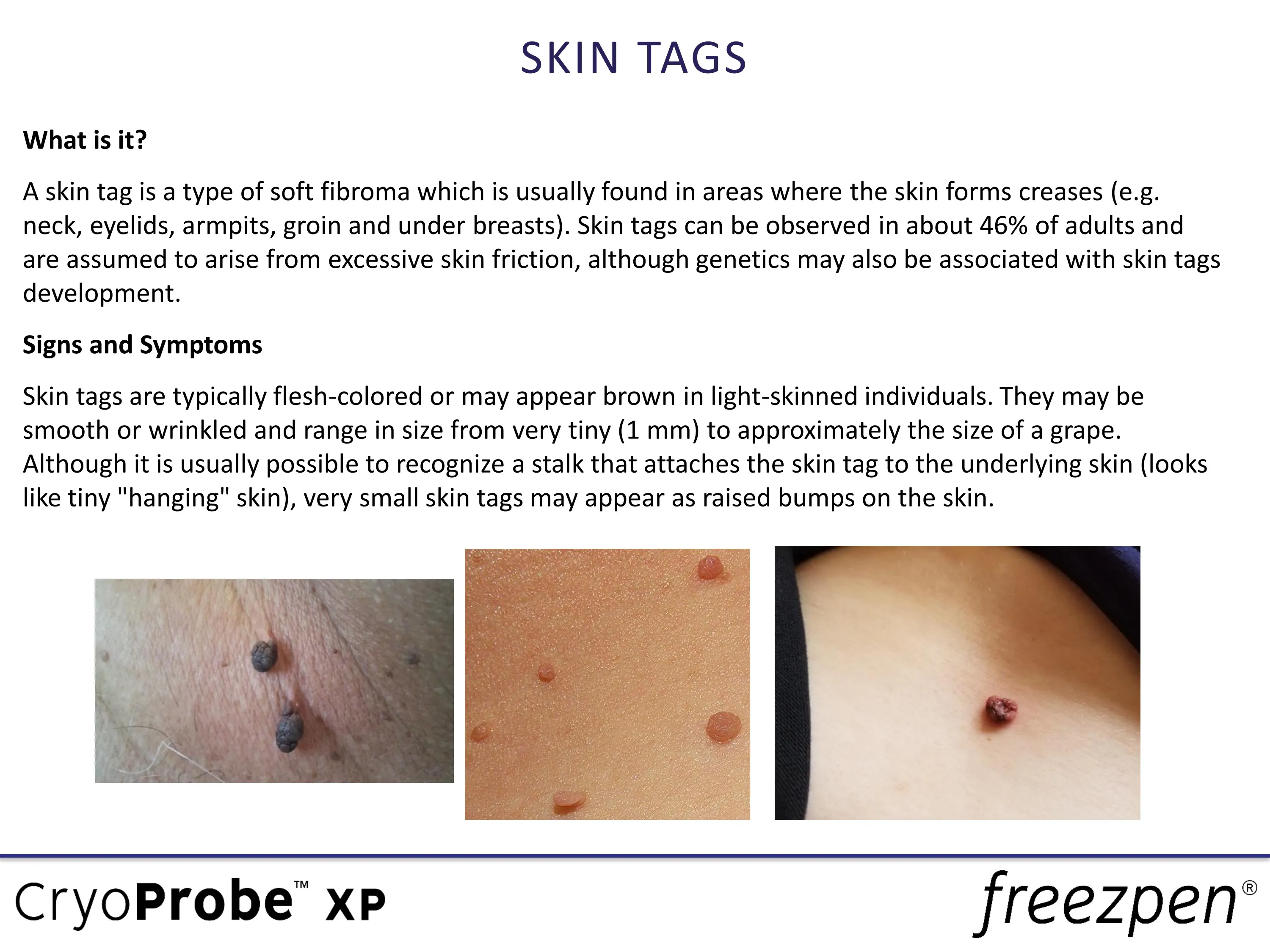
- Precision cryosurgery (FreezPen) — a pen-like probe delivers nitrous oxide at −89 °C to a specific lesion for 5 to 30 seconds to freeze and destroy it. Used for skin tags, milia, warts, age spots and other benign lesions.
- Whole-body cryotherapy (WBC) — the entire body enters a chamber at −110 °C for 2 to 3 minutes. Marketed for recovery and inflammation; the effect on the face is indirect.
When people ask “can cryotherapy improve my skin health?” they usually mean the first two. Whole-body cryotherapy is a separate conversation about systemic inflammation and recovery, not a facial protocol. In this guide we focus on the two treatments that directly touch your skin: cryofacials for global skin quality, and FreezPen for targeted lesions.
3. The science: what really happens under your skin during cryotherapy
When cold hits the skin, three physiological events happen in sequence.
Vasoconstriction (0 to 60 seconds). Superficial blood vessels tighten to protect core temperature. Redness fades, puffiness reduces, oil production slows. This is the mechanism behind the immediate “tightening” effect you see in the mirror after a cryofacial.
Reactive vasodilation (2 to 20 minutes after). Once the cold stimulus ends, vessels dilate more than they did before treatment. A wave of oxygenated, nutrient-rich blood flushes through the dermis. This is when nutrients and oxygen reach fibroblasts, keratinocytes and immune cells in unusually high concentration — the biological signal that drives skin repair.
Neurohormonal and cellular response (hours to days). Cold-shock proteins, mild release of norepinephrine and modulation of local inflammatory cytokines shift the skin toward a repair phenotype. Fibroblast activity is stimulated, low-grade inflammation is reduced, and over multiple sessions the skin barrier and vascular tone visibly improve.
In precision cryosurgery with FreezPen, the mechanism is different: intracellular ice crystals form inside the lesion, membranes rupture, and the abnormal tissue is destroyed and shed as the body replaces it with new, healthy cells. Same molecule — cold — used in two very different doses for two very different outcomes.
4. The seven benefits we see most often at Réhabital
Across hundreds of aesthetic sessions in our Côte Saint-Luc clinic, seven benefits stand out consistently:
- Immediate glow and reduced puffiness — perfect before an event, a photo shoot or a wedding.
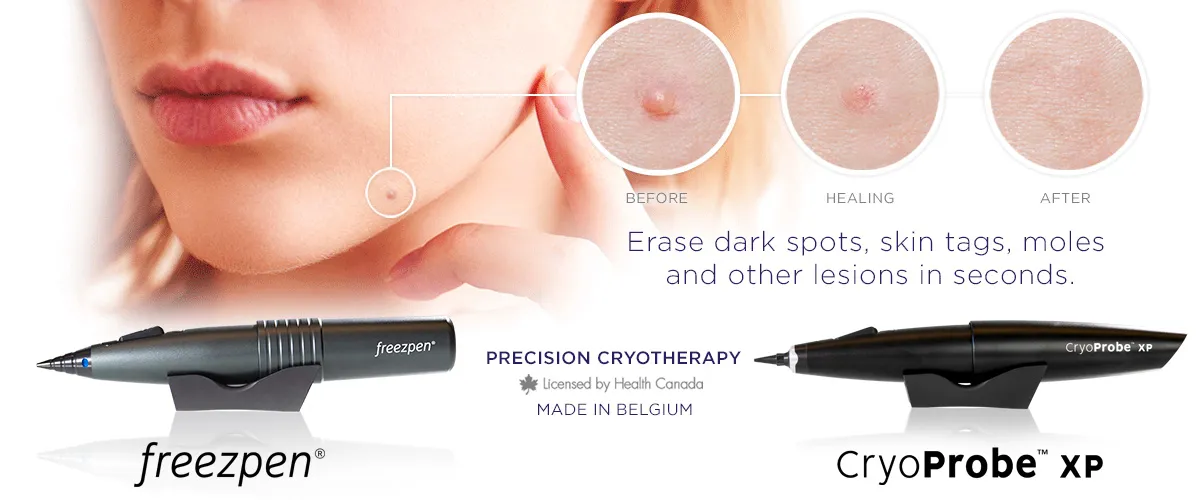
- Tighter, more toned skin along the jawline, cheeks and neck after a series of sessions.
- Reduced background redness in mildly reactive or sensitive skin.
- Fewer active acne lesions and less oiliness when combined with blue LED and professional cleansing.
- Softening of fine lines through improved microcirculation and fibroblast stimulation.
- Rapid removal of benign lesions (skin tags, milia, age spots, warts) with FreezPen precision cryosurgery.
- Improved skin barrier resilience, translating into skin that tolerates active ingredients better and reacts less to weather changes.
None of these are dramatic overnight transformations. Cryotherapy is a quiet treatment. Its power comes from repetition and thoughtful pairing with other modalities — not from a single miracle session.
5. Cryotherapy and acne: a surprisingly good match
Acne is a multifactor condition: excess sebum, inflammation, altered skin flora and, often, dilated capillaries feeding the deeper cystic lesions. Cryotherapy addresses several of these at once. Cold reduces sebum output, constricts the capillaries around active lesions, and calms the inflammatory cytokine storm that keeps acne “angry” for weeks.
Alone, cryotherapy is not a stand-alone acne cure. But paired with blue LED therapy (which destroys C. acnes bacteria via porphyrin activation) and a targeted Dermalogica professional cleansing, it becomes a serious anti-acne protocol. Many of our teenage and young adult clients in Côte Saint-Luc use this three-part combination to reduce dependence on oral or topical antibiotics.
6. Cryotherapy for redness, rosacea and sensitive skin
Redness is one of the most common concerns we treat. Whether it comes from rosacea, chronic sun damage, weather (Montreal winters are brutal), or a compromised barrier from over-exfoliation, the underlying issue is dilated capillaries and reactive inflammation. Short, gentle cryofacials train capillaries to tone up between flushes — the vascular equivalent of exercise. Over 6 to 10 sessions, many clients see a clear reduction in their baseline redness.
Important nuance: some rosacea subtypes (papulopustular, phymatous) can flare with aggressive cold. We always begin with a very short trial session, monitor the 48-hour response, and only then build the full protocol. If cryo is not the right fit, we pivot to LED, calming Dermalogica actives or gentle chemical peels — never the other way around.
7. Anti-aging: does cryotherapy really help fine lines?
Marketing claims around cryotherapy for anti-aging often overreach. Here is what the physiology actually supports: cryotherapy improves microcirculation, stimulates fibroblasts, reduces low-grade chronic inflammation and supports a more resilient barrier. Together, these effects slow visible aging and give the skin a firmer, more luminous quality.
What cryotherapy will not do is erase deep dynamic wrinkles, deflate volume loss, or replace fillers, botulinum toxin or fractional lasers. Think of cryotherapy as the “maintenance layer” of an intelligent anti-aging routine: SPF every day, retinoid or Dermalogica actives every night, one professional facial per month with LED and cryo, and periodic clinical interventions when needed for deeper concerns.
8. Precision cryosurgery: what FreezPen can eliminate in one session
Beyond global skin quality, cryotherapy is the fastest, cleanest way we have to remove certain benign lesions in the office. Using the FreezPen — a precision device delivering nitrous oxide at −89 °C through a millimetre-wide tip — we can freeze and destroy:
- Skin tags (acrochordons) on the neck, eyelids, armpits and groin.
- Milia (tiny cysts) around the eyes and cheeks.
- Cherry angiomas — those small red dots that multiply after 30.
- Seborrheic keratoses (raised, waxy, “stuck-on” brown lesions).
- Solar lentigines — the flat brown “age spots” on hands, chest, temples.
- Common warts (verrucae) on the hands, feet or face.
- Molluscum contagiosum, especially in children and young adults.
- Small benign fibromas.
Most small lesions resolve in a single 5 to 15 second freeze. Larger or resistant lesions may need a second pass 3 to 4 weeks later. Any lesion that looks even slightly atypical is not frozen — it is photographed, measured and referred to dermatology for proper evaluation before we do anything.
9. A typical cryofacial at Réhabital, step by step
A cryofacial session at our Côte Saint-Luc clinic takes about 30 to 40 minutes:
- Intake and skin analysis (5 min) — we review your goals, medical history and current routine.
- Double cleanse with Dermalogica professional products to remove sebum, sunscreen and pollution.
- Enzyme or gentle exfoliation to prepare the skin for optimal cold penetration.
- Cryofacial pass — 8 to 12 minutes of controlled cold air across the face, neck and décolleté. You feel a cool breeze; most clients say it is refreshing rather than uncomfortable.
- LED photomodulation (optional but often paired) — red or blue depending on your goal.
- Targeted serums (hyaluronic, niacinamide, peptides) applied to skin that is now maximally receptive.
- Broad-spectrum SPF before you step back into the Montreal sun.
You leave with a visible tightening, a rosy healthy flush and no downtime. Most clients book monthly maintenance after their initial series of 6 to 10 sessions.
10. Aftercare — protecting the investment
Cryotherapy is one of the lowest-maintenance aesthetic treatments in existence, but a few habits maximize results:
- Wear SPF 30+ daily — improved microcirculation makes skin more responsive to everything, including UV damage.
- Hydrate the barrier with a ceramide or hyaluronic moisturizer twice a day.
- Avoid aggressive scrubs, at-home peels or new active ingredients for 48 hours after a session.
- Stay well hydrated internally — the vasodilation response works better with a well-perfused body.
- After FreezPen lesion removal, keep the site clean and dry for 48 hours, do not pick the scab, and let it fall off naturally.
11. Contraindications and safety — the honest list
Cryotherapy is safe for most adults, but not everyone. Avoid or postpone treatment if you have:
- Raynaud's phenomenon or severe cold sensitivity.
- Cold urticaria or cryoglobulinemia.
- Active herpes simplex outbreak in the treatment area.
- Active bacterial or fungal skin infection.
- Uncontrolled hypertension (for whole-body cryo especially).
- Recent isotretinoin (Accutane) use within the last 6 months — case by case.
- Pregnancy — cryofacials are generally considered safe, but we avoid whole-body cryo.
- Suspicious pigmented lesions — these must be evaluated in dermatology first, never frozen.
Our team screens for every one of these at consultation. Nobody at Réhabital is ever pressured into a treatment that is not right for their physiology.
12. How cryotherapy compares to other aesthetic modalities
Cryotherapy is not a competitor to LED, chemical peels, microneedling or laser — it is a partner. Each modality targets a different mechanism:
- LED feeds cells specific wavelengths of light to trigger repair.
- Chemical peels renew the epidermis by controlled exfoliation.
- Microneedling creates micro-channels that stimulate collagen through wound-repair signalling.
- Laser uses selective thermal energy to target pigment, vessels or water in tissue.
- Cryotherapy uses controlled cold to constrict, rebound-perfuse, calm inflammation and — with FreezPen — destroy targeted lesions.
The magic is in the sequencing. At Réhabital we often layer cryotherapy after an active facial or LED session because the cold seals the treatment in, closes pores, and reduces post-treatment redness. Different tools, one integrated plan.
13. Realistic timeline: what to expect week by week
Session 1: immediate glow and slight tightening, lasting 24 to 72 hours.
Sessions 2 to 4 (weekly): baseline puffiness reduces, morning face looks less swollen, makeup applies more smoothly.
Sessions 5 to 8: visible improvement in tone, mild reduction in redness, fewer active breakouts if paired with LED and cleansing.
Sessions 9 to 12: firmer skin along the jawline and cheeks, better barrier resilience, more even tone.
Maintenance: monthly cryofacial keeps results stable long term.
For FreezPen lesion removal, timelines are different: 24 to 48 hours of small blister or redness, 7 to 14 days of gentle scabbing, and the treated area is smooth and clean by week 3 in most cases.
14. So — can cryotherapy improve your skin health? The honest answer
Yes, cryotherapy can meaningfully improve your skin health — but only when it is the right tool, for the right person, delivered by the right hands, and combined with the right daily routine. It is exceptionally good at brightening, toning, calming, de-puffing and, in the FreezPen form, removing benign lesions. It is not a replacement for sun protection, active ingredients, healthy sleep or professional oversight of skin conditions.
If you are looking for a low-downtime, feel-good, physiologically real skincare upgrade that plays well with everything else you are already doing, cryotherapy deserves a serious look. And if you have specific lesions that are bothering you — those tiny skin tags on your eyelids, milia that never resolve, age spots on the back of your hands — precision cryosurgery may resolve them in a single visit.
15. Booking cryotherapy at Réhabital, Côte Saint-Luc
Réhabital is located at the Cavendish Mall, D4-5800 boulevard Cavendish, Côte Saint-Luc, with free parking, a bilingual team and evening and weekend availability. We welcome clients from Côte Saint-Luc, Hampstead, NDG, Snowdon, Montréal-Ouest, Westmount, Saint-Laurent and across the West Island.
Every cryotherapy consultation starts with a full skin analysis and an honest discussion of what cryo can — and cannot — do for your specific goals. We will never sell you a package you do not need.
Ready to see what cold can do for your skin? Book online 24/7 through Jane App, call 438-842-3550, or explore our aesthetic care and cryotherapy pages to learn more.
Frequently asked questions
Related articles
Pro Peels: Advanced Skin Renewal for a Radiant Complexion
Discover our personalized professional peels that refine skin texture, target imperfections and reveal lasting natural radiance.
LED Light Therapy: A Complete Guide to Colors and Their Benefits
Discover how LED light therapy — red, blue, yellow, green and infrared — works on your skin to treat acne, wrinkles, rosacea and stimulate cellular regeneration.
Anti-Aging Skincare in Your 30s, 40s and 50s: What Actually Matters — Côte Saint-Luc
Your skin needs different things at different decades. A clinical decade-by-decade guide to anti-aging skincare, from prevention in your 30s to deep restoration in your 50s, with the professional treatments that matter most.
Facial Rejuvenation: How the Réhabital Facial Protocol Works
Dermalogica facials, SharpLight photofacial, microneedling, mesotherapy and peels: how we build a realistic facial rejuvenation plan in Côte Saint-Luc, with transparent pricing.
Cryotherapy for Skin Tags, Warts & Skin Lesions: A Safe Non-Invasive Solution in Côte Saint-Luc
How CryoProbe™ XP and FreezPen® technology removes skin tags, warts, molluscum, fibromas and other benign skin lesions in seconds — with Liliana Ciocoi at Réhabital.
What Skin Lesions Can Be Treated with FreezPen Cryotherapy? The Complete Guide (Montreal)
Skin tags, sun spots, seborrheic keratosis, milia, sebaceous hyperplasia and some warts: the complete guide to what FreezPen cryotherapy can treat in Côte Saint-Luc — and which lesions must be medically assessed first.