
Anti-Aging Skincare in Your 30s, 40s and 50s: What Actually Matters — Côte Saint-Luc
Your skin needs different things at different decades. A clinical decade-by-decade guide to anti-aging skincare, from prevention in your 30s to deep restoration in your 50s, with the professional treatments that matter most.
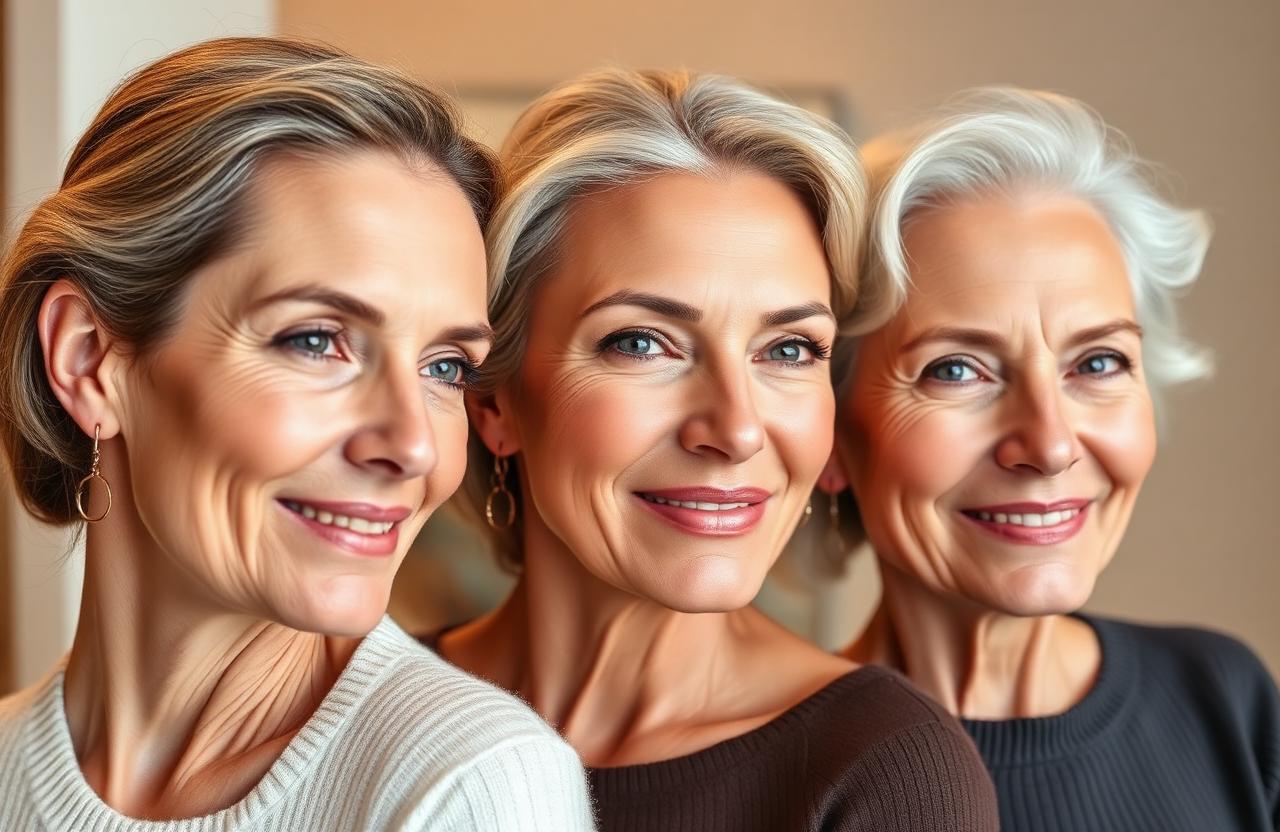
Skin Aging Is Not One Process — It Happens in Stages
The biggest mistake we see at Réhabital's aesthetic clinic in Côte Saint-Luc is people using the same skincare routine for twenty years, then wondering why it stops working. The reality is that your skin changes dramatically each decade — collagen production drops, cell turnover slows, hydration patterns shift and the underlying drivers of aging change. The most effective anti-aging strategy is to match your skincare and clinical treatments to what your skin actually needs at each stage of life.
This guide breaks down the priorities, products and professional treatments that matter most in your 30s, 40s and 50s — based on the science of skin aging and our clinical experience working with patients across every decade.
The Science: How Skin Ages, Decade by Decade
Starting around age 25, collagen production naturally declines by approximately 1% per year. By 40, you have produced roughly 25–30% less collagen than your peak. By 50, that drop accelerates dramatically due to hormonal changes — particularly the perimenopausal estrogen decline, which can cause skin to lose up to 30% of its collagen in the first five years of menopause alone.
Cell turnover also slows: in your 20s, skin renews itself every 28 days; by your 50s, that cycle stretches to 45–60 days. This is why dullness, uneven texture and slower healing become more pronounced over time. Hyaluronic acid content also drops, leading to volume loss and decreased plumpness. Understanding these underlying changes is the foundation of effective anti-aging skincare.
In Your 30s: Prevention Is Everything
Your 30s are the decade where prevention pays the highest dividends. Visible signs of aging are still subtle — perhaps the first fine lines around your eyes (often called “expression lines”), occasional dullness, the beginning of mild laxity. The cellular changes are well underway, but the visible damage is still minimal.
Home care priorities: Daily broad-spectrum SPF 30+ is non-negotiable — it remains the single most powerful anti-aging product ever created. Add a vitamin C serum every morning to neutralize free radicals before they damage collagen. At night, introduce a retinol product 2–3 times per week to maintain cell turnover. Hyaluronic acid serums maintain hydration. Products like Dermalogica's BioLumin-C Serum and Overnight Retinol Repair are excellent starting points.
Clinical treatments to start in your 30s: Quarterly Pro Power Peels to maintain cell turnover and start treating early sun damage. Hydr-O2 facials every 6–8 weeks to maintain hydration and radiance. Begin red LED therapy as a regular add-on to stimulate collagen preservation. Consider one or two microneedling sessions per year for prevention.
In Your 40s: Active Repair and Maintenance
The 40s are when most people first see real visible changes — deeper expression lines, persistent loss of firmness, dullness that doesn't go away with sleep and often the first signs of hormonal pigmentation. This is the decade to shift from prevention to active correction.
Home care priorities: Maintain SPF and morning vitamin C. Increase retinol frequency to 4–5 nights per week (or use a stronger formulation). Add peptide-rich moisturizers to support collagen synthesis. Niacinamide serums help with both pigmentation and barrier function. A nourishing facial oil at night, like Dermalogica's Phyto Replenish Oil, addresses dehydration and dullness. Eye cream becomes essential — the under-eye area shows aging fastest.
Clinical treatments to prioritize in your 40s: Monthly Pro Power Peels for serious cell turnover and pigmentation correction. A series of 4–6 microneedling sessions per year to actively rebuild collagen. Hydr-O2 facials for ongoing hydration and luminosity. Red and near-infrared LED therapy at every appointment. For sun damage and pigmentation, IPL or SharpLight DPC sessions can dramatically reset the skin's appearance.
In Your 50s and Beyond: Restoration and Resilience
The 50s bring the most significant biological shift — the menopausal transition. The drop in estrogen accelerates collagen loss, slows healing, reduces oil production (often making previously oily skin suddenly dry) and can trigger or worsen melasma. Skin becomes thinner, more fragile and more reactive. The goals shift from correction to restoration and resilience.
Home care priorities: Richer textures across the board — cream cleansers, layered hydrating serums, oils and ceramide-rich night creams. Continue daily SPF and vitamin C. Retinol may need to be reduced in frequency or formulation if irritation becomes an issue — this is when a professional can prescribe the right strength. Phyto-active and growth-factor-rich serums (like Dermalogica's Phyto Nature E2 Exosome serum) become particularly valuable, supporting cellular regeneration and barrier repair.
Clinical treatments in your 50s: Continue monthly facials but adjust the protocol — gentler peels with hydrating actives rather than aggressive resurfacing peels. Microneedling remains highly effective and may be increased to monthly during the first year of menopause. Add red and near-infrared LED therapy for deep cellular regeneration. For volume loss and skin laxity, consider combining facials with at-home massage techniques to support lymphatic drainage and circulation.
The Habits That Matter at Every Age
Beyond products and treatments, certain habits influence skin aging more than people realize. Sleep — your skin performs the majority of its repair between 11pm and 4am. Nutrition — antioxidant-rich diets (berries, leafy greens, fatty fish) provide the raw materials for collagen synthesis and protect against oxidative damage. Stress management — chronic cortisol elevation accelerates collagen breakdown. No smoking — smoking degrades collagen and elastin and is the single most aging behavioral choice you can make. Limit alcohol — it dehydrates and inflames the skin. Stay hydrated — internal hydration shows on the surface.
What Doesn't Work (No Matter Your Age)
“Miracle” creams promising 70% reduction in wrinkles in 7 days are marketing fiction. Aggressive home peels and DIY microneedling devices often cause more damage than benefit. Scrubbing harder doesn't speed up cell turnover — it disrupts your barrier and accelerates aging. Switching products constantly prevents you from seeing real results, since most formulations need 8–12 weeks to show measurable improvement.
Build Your Decade-Specific Protocol at Réhabital
The ideal anti-aging strategy combines targeted home care with consistent clinical treatments calibrated to your skin's actual biological age — which sometimes differs significantly from your chronological age. During a consultation at our Côte Saint-Luc clinic, our medical aestheticians will assess your skin, identify your specific concerns and goals and design a long-term protocol that delivers compounding results year after year. Book online via Jane App or call (438) 842-3550.
Frequently asked questions
Related articles
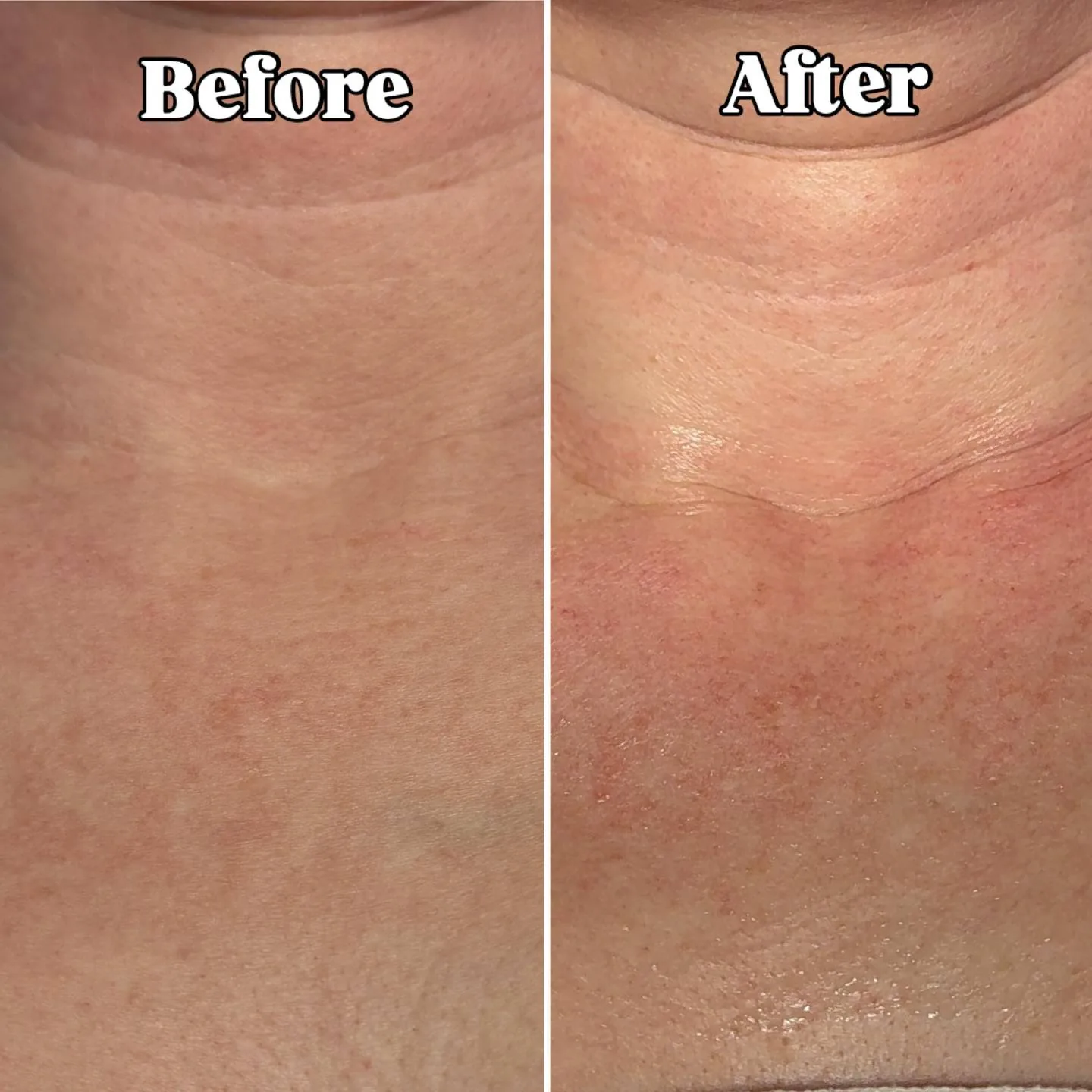
Pro Peels: Advanced Skin Renewal for a Radiant Complexion
Discover our personalized professional peels that refine skin texture, target imperfections and reveal lasting natural radiance.
Can Cryotherapy Improve Your Skin Health? A Complete Guide in Côte Saint-Luc
Can controlled cold truly transform the skin? A clinical guide to facial and targeted cryotherapy at Réhabital in Côte Saint-Luc: benefits, protocols, results and safety.
Anti-Aging Routine in Your 30s, 40s, and 50s: What Really Needs to Change
Skin evolves with each decade, and your routine should evolve too. Discover how to adapt your skincare and aesthetic treatments in your 30s, 40s, and 50s for visible results at Réhabital.
Facial Before a Wedding or Big Event: How Many Days Ahead?
Want to glow on the big day? Discover the ideal timeline for booking facials before a wedding, prom, or major event, and avoid last-minute skin mistakes.
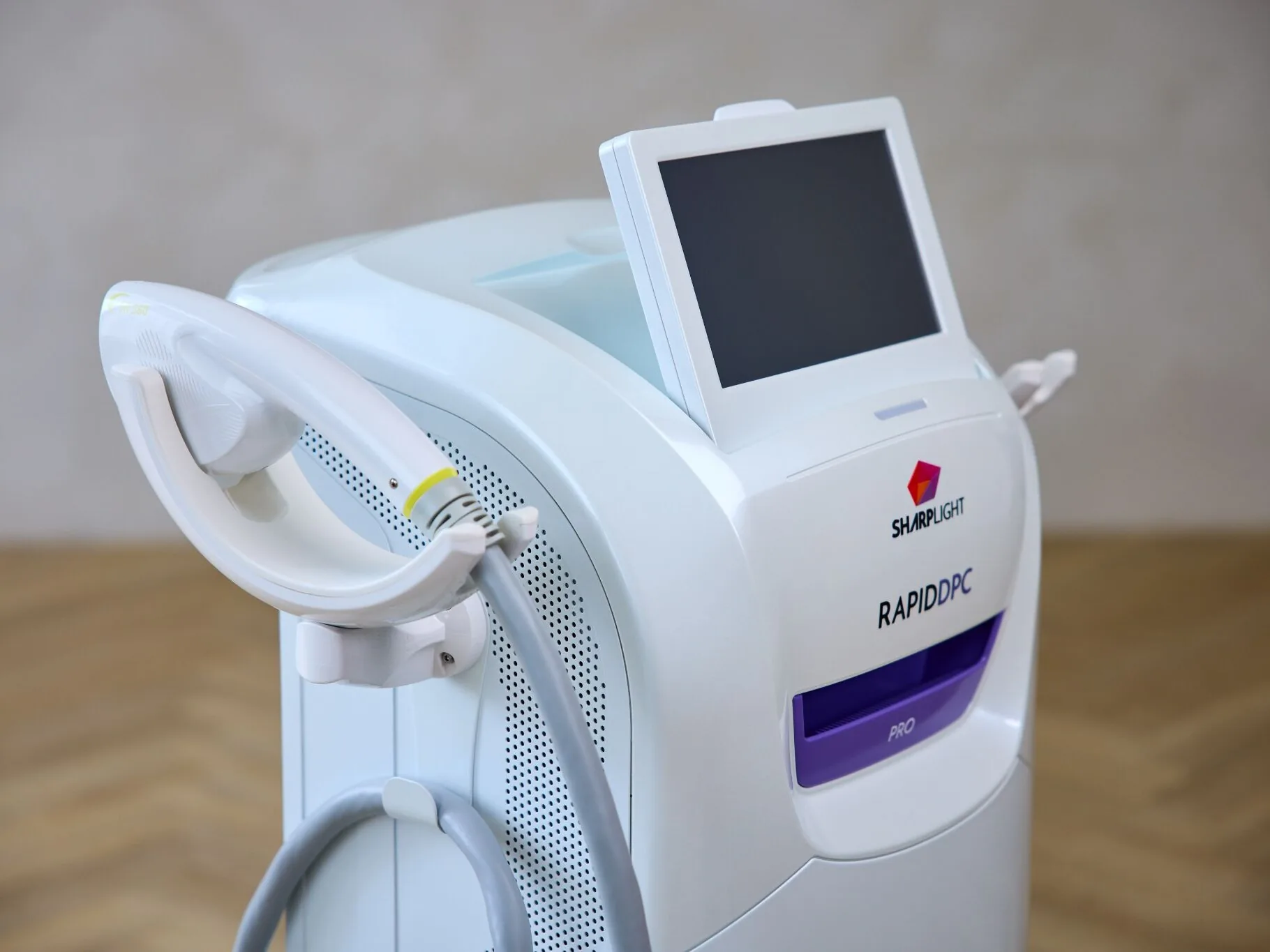
SharpLight Rapid DPC Pro: The Skin Rejuvenation Handpiece for Younger-Looking Skin
Discover the Skin Rejuvenation handpiece of the SharpLight Rapid DPC Pro: advanced DPC technology to treat wrinkles, pigmentation and skin laxity.
SharpLight Laser Skin Rejuvenation: Restore Radiant, Youthful Skin
Laser skin rejuvenation with the SharpLight SR handpiece stimulates collagen, reduces pigmentation and restores luminosity and firmness. Available at Réhabital Côte Saint-Luc.