
Jaw Pain and TMJ: Why Your Neck May Also Be Involved
Jaw joint pain rarely exists in isolation. Discover the close link between the jaw and the neck, and how osteopathy can help address both.
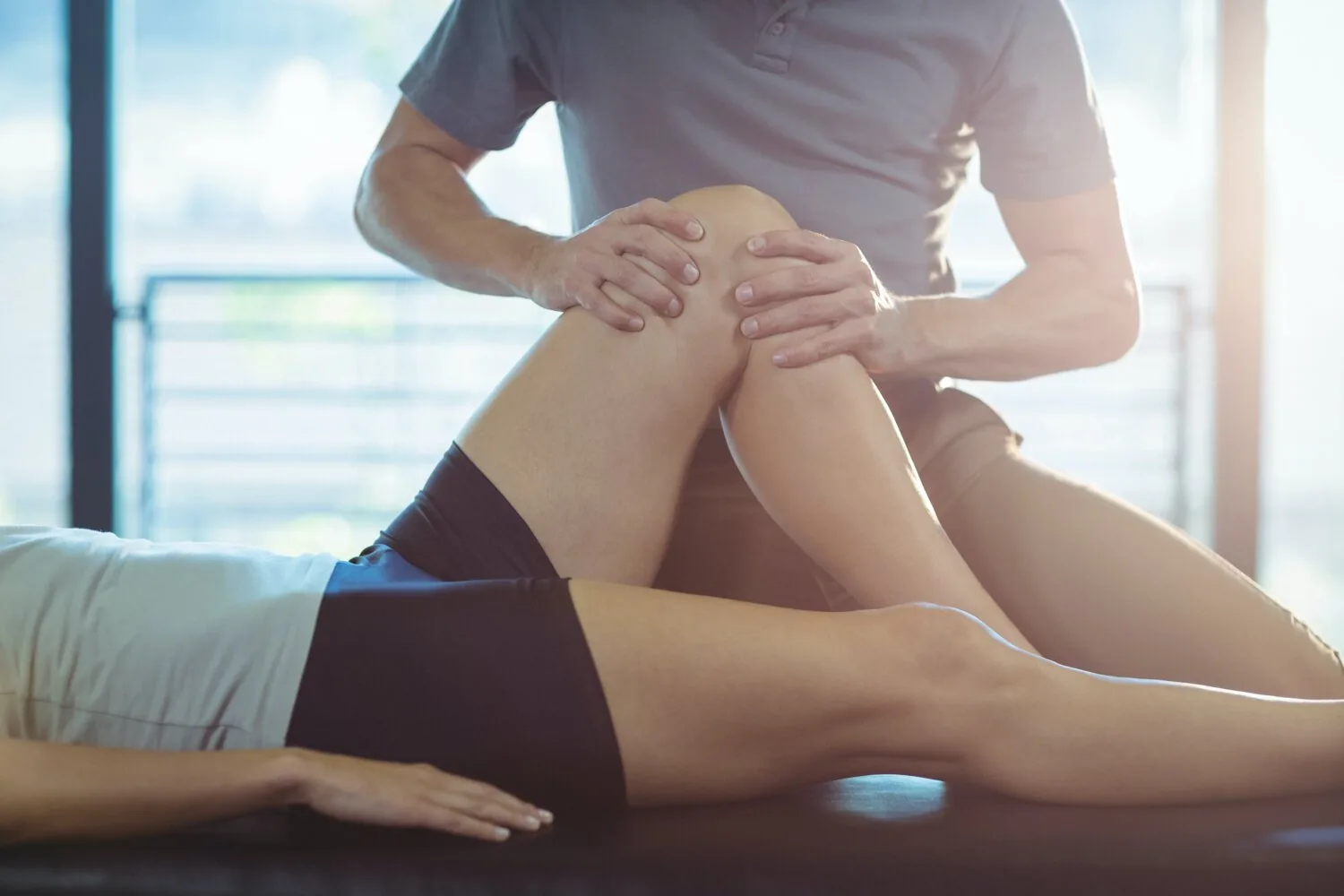
Jaw pain, often related to the temporomandibular joint (TMJ), is a surprisingly common issue affecting people of all ages. Many mistakenly believe that TMJ pain is an isolated issue, confined to the face and jaw area. Yet a thorough evaluation almost always reveals that the neck plays a significant role in the development and persistence of these symptoms. In this article, we will explore the fascinating anatomy connecting the jaw and neck, the common causes of TMJ pain, and how a comprehensive osteopathic approach can offer lasting relief for residents of Montreal and Cote Saint-Luc.
Understanding the temporomandibular joint
The TMJ is the joint connecting your lower jaw to your skull, just in front of each ear. It is one of the most heavily used joints in the entire human body, engaged every time you speak, chew, yawn, or swallow, amounting to thousands of movements each day. This complex joint includes a cartilage disc that cushions movement between the bones, along with a dense network of chewing muscles, including the masseter, temporalis, and pterygoids, which control jaw opening, closing, and side-to-side movement.
Given the constant demand placed on this joint, it is not surprising that it is vulnerable to various types of dysfunction. TMJ symptoms can include localized jaw pain, clicking or popping sounds when opening or closing the mouth, a sense of locking, difficulty chewing, headaches, ear pain or a feeling of fullness in the ear, and tension in the neck or shoulders.
The anatomical link between the jaw and neck
To understand why the neck is so often involved in TMJ pain, we need to look at the anatomical and functional connections between these two regions. The trigeminal nerve, the main sensory nerve of the face and motor nerve for the chewing muscles, shares common neurological pathways with the upper cervical spine nerves at the level of the brainstem. This neurological convergence means that irritation or tension in the neck can directly influence jaw sensation and function, and vice versa.
Additionally, several muscles run directly between the jaw, skull, and neck, creating a continuous myofascial chain. Forward head posture, extremely common in people who spend long hours in front of a computer screen or phone, shifts the head's center of gravity forward relative to the body. To compensate, the jaw often adopts an altered resting position, which increases strain on the chewing muscles and on the temporomandibular joint itself. This creates a vicious cycle: cervical tension worsens jaw dysfunction, which in turn can increase muscle tension in the neck and upper back.
Common causes of TMJ pain
Several factors can contribute to the development of TMJ dysfunction. Bruxism, the involuntary clenching or grinding of teeth, often during sleep, is one of the most common contributors. This habit, frequently linked to stress or anxiety, places considerable repetitive stress on the joint and surrounding muscles. To learn more about this condition, check out our detailed article on bruxism treatment.
Other frequent causes include direct trauma to the jaw or whiplash affecting the neck and indirectly the jaw, prolonged poor posture, arthritis affecting the joint, habits such as constant gum chewing, or imbalances in dental alignment. Psychological stress also plays a major role, as it often increases overall muscle tension, including in the jaw and neck muscles.
Why an isolated approach often fails
One of the most common pitfalls in managing TMJ pain is treating only the jaw, without considering the rest of the body. A treatment that focuses exclusively on the joint itself, without assessing and correcting cervical posture, neck and upper back muscle tension, and overall postural habits, often provides only temporary relief at best. This is why a holistic osteopathic approach, which views the body as an interconnected system, generally produces more lasting results.
Our team at Réhabital Clinic systematically evaluates the relationship between the jaw, neck, and overall posture during every consultation for TMJ symptoms. This approach allows us to identify the true sources of the problem, rather than simply treating local symptoms.
How osteopathy addresses jaw pain
During an osteopathic consultation for TMJ pain, your practitioner will begin with a detailed history, exploring your sleep habits, stress levels, work posture, and history of any facial or cervical trauma. The physical evaluation will include an assessment of jaw range of motion, palpation of the chewing muscles to detect tension points, as well as a comprehensive evaluation of cervical and thoracic mobility.
Treatment may include gentle myofascial techniques to release tension in the chewing and cervical muscles, gentle joint mobilizations to improve mobility of the TMJ and upper cervical vertebrae, as well as personalized postural guidance to reduce ongoing strain on these structures. It is worth noting that TMJ symptoms can sometimes be accompanied by headaches or even contribute to migraines, further underscoring the importance of a comprehensive approach.
The importance of a multidisciplinary approach
In some cases, a combination of care approaches can offer the best results. Physiotherapy can complement osteopathic treatment with specific strengthening and stretching exercises for the jaw and neck muscles. A dentist can also play an important role, particularly in evaluating bite alignment and recommending a nighttime occlusal splint for those with severe bruxism. Massage therapy can also provide complementary relief by releasing deep muscle tension in the neck and shoulder regions that often accompany TMJ dysfunction.
What to do at home while waiting for your appointment
While waiting for your consultation, some simple measures can help reduce discomfort: avoid hard foods or those requiring excessive chewing, apply a warm compress to the jaw to relax the muscles, be mindful of teeth-clenching habits during the day, and pay attention to your posture, especially during prolonged use of electronic devices. However, these measures do not replace a professional evaluation, especially if the pain persists or worsens.
Home Exercises and Self-Care for TMJ
In addition to in-clinic treatment, several simple exercises can be practiced at home to support healing. Gentle jaw stretches, such as controlled mouth opening to a mild, pain-free resistance, gentle cervical mobility exercises, and jaw relaxation techniques, like resting the tongue on the roof of the mouth and letting the teeth separate slightly, can help reduce tension that builds up during the day. It is also helpful to practice good postural hygiene: keeping the screen at eye level, avoiding holding the phone between the ear and shoulder, and taking regular breaks during prolonged computer work.
Stress management also plays a key role, since jaw clenching is often an unconscious response to psychological tension. Diaphragmatic breathing techniques, meditation, or simply taking regular breaks throughout the day can reduce the frequency of clenching and daytime bruxism.
Realistic Recovery Timelines
Most patients with mild to moderate TMJ dysfunction notice a meaningful improvement after four to six sessions of osteopathic treatment, spread over four to eight weeks, combined with consistent home exercises. More chronic cases, often associated with severe bruxism or prolonged neck tension, may require eight to twelve weeks or longer, with periodic reassessment to adjust the treatment plan. It is important to keep realistic expectations: TMJ dysfunction often develops over several years, and its full resolution requires patience and consistency.
Local Context: Côte Saint-Luc and Surrounding Neighborhoods
Our clinic regularly sees patients from Côte Saint-Luc, as well as Hampstead, Notre-Dame-de-Grâce (NDG), Westmount, Snowdon, and Montreal West, often referred by their dentist or family doctor for a complementary evaluation of their TMJ symptoms. The geographic proximity makes regular follow-up easier, which is particularly important in the early weeks of treatment, when frequent adjustments to the treatment plan may be needed. Our hours, Monday to Friday from 10:00 a.m. to 8:00 p.m. and Sunday from 10:00 a.m. to 4:00 p.m., closed on Saturday, offer flexibility for people working full-time in the area.
Red Flags and When to See a Doctor or Dentist
Most jaw pain is benign and mechanical, but certain signs warrant prompt medical or dental evaluation rather than osteopathic treatment alone: a jaw that suddenly locks completely and will not open or close, severe facial swelling, fever, a recent facial injury, or numbness in the face. These symptoms can indicate a fracture, infection, or other condition requiring urgent attention, and should never be self-treated.
Insurance Coverage for TMJ Treatment
Osteopathy and physiotherapy sessions for TMJ-related pain are covered by most private insurance plans, and we also accept SAAQ claims for cases related to a motor vehicle accident, such as jaw trauma sustained during a collision. Please note that we do not accept CNESST claims at this time. We recommend confirming your specific coverage details with your insurance provider before your first visit, particularly if multiple sessions are anticipated.
Mechanism Detail: How Chronic Clenching Affects the Joint Over Time
Repeated clenching or grinding places the temporomandibular joint's cartilage disc under sustained compressive load, gradually reducing its ability to glide smoothly between the jawbone and skull. Over months or years, this repetitive strain can lead to disc displacement, where the cushioning disc shifts slightly out of its normal position, often producing the clicking or popping sound many patients describe. The surrounding chewing muscles also adapt to chronic overuse by developing trigger points, small areas of persistent muscle tightness that can refer pain to the temple, ear, or upper neck, further blurring the line between a purely dental issue and a broader musculoskeletal one. This is precisely why an approach that addresses only the joint mechanics, without also releasing the overactive muscles and correcting the postural habits driving them, tends to produce only short-lived relief.
Comparing treatment approaches
If you are wondering which approach to prioritize for your condition, our comparison article on osteopathy versus physiotherapy can help you better understand the differences and complementary aspects of these disciplines. Every situation is unique, and our team can guide you toward the most appropriate approach based on your clinical presentation. You can also visit our blog for more resources on musculoskeletal health and our policies page to learn about our appointment procedures.
If you are experiencing jaw pain, TMJ clicking, or associated neck tension, do not let these symptoms affect your quality of life. Our team at Réhabital Clinic in Cote Saint-Luc is ready to provide you with a comprehensive assessment and personalized treatment plan. Book your appointment today.
This article is provided for informational purposes only and does not replace professional medical or dental consultation. If you experience severe pain, complete jaw locking, or any other concerning symptom, consult a qualified healthcare provider.
Frequently asked questions
Go deeper with our dedicated osteopathy pages
Osteopathy pages with Shahram Ghasemi, MD (Iran), DOMP in Côte Saint-Luc:
Related articles
Is It Really Sciatica? Sacroiliac Joint Pain and Other Causes of Leg Pain That Mimic It
Many people with buttock or leg pain are told they have sciatica when something else is behind it. We explain the look-alikes, how they differ and why the right diagnosis changes the treatment.
Osteopathy and Neck Pain: How Visceral Osteopathy Treats the Neck Pain That Keeps Coming Back
Neck pain does not always come from the neck. The diaphragm, stomach, liver, pericardium and chest fascia can pull on the cervical spine through precise anatomical chains. Here is how visceral osteopathy fits into chronic neck pain care in Côte Saint-Luc.
Common Causes of Sciatica: A Practical Guide to Lasting Relief Through Osteopathy
Why does sciatic pain keep coming back? Explore the everyday habits, postural patterns and structural imbalances behind sciatica — and how osteopathy at Réhabital corrects them at the source.
Tension Headaches: How Osteopathy Delivers Lasting Relief from Chronic Head Pain
Recurring tension headaches? Osteopathy at Réhabital in Côte Saint-Luc targets the real cause — neck, jaw, diaphragm and stress — for lasting relief.
Hip Pain: How Osteopathy Treats the Pelvis, Hip and Lower Back as One System
A painful hip is rarely an isolated problem. The pelvis, sacroiliac joints, psoas, diaphragm and foot all participate in hip mechanics. Here is the complete osteopathic approach, explained step by step.
Neck Pain: How Osteopathy Treats Chronic Cervical Pain
Neck pain, stiff neck, trapezius tension and tension headaches: why osteopathy is one of the most effective approaches in Montreal for lasting cervical pain relief.