
Deep Tissue Massage: Is Soreness After the Session Normal?
Feeling sore after your deep tissue massage and wondering if it's normal? Here is what you need to know about post-massage soreness and how to recover properly.
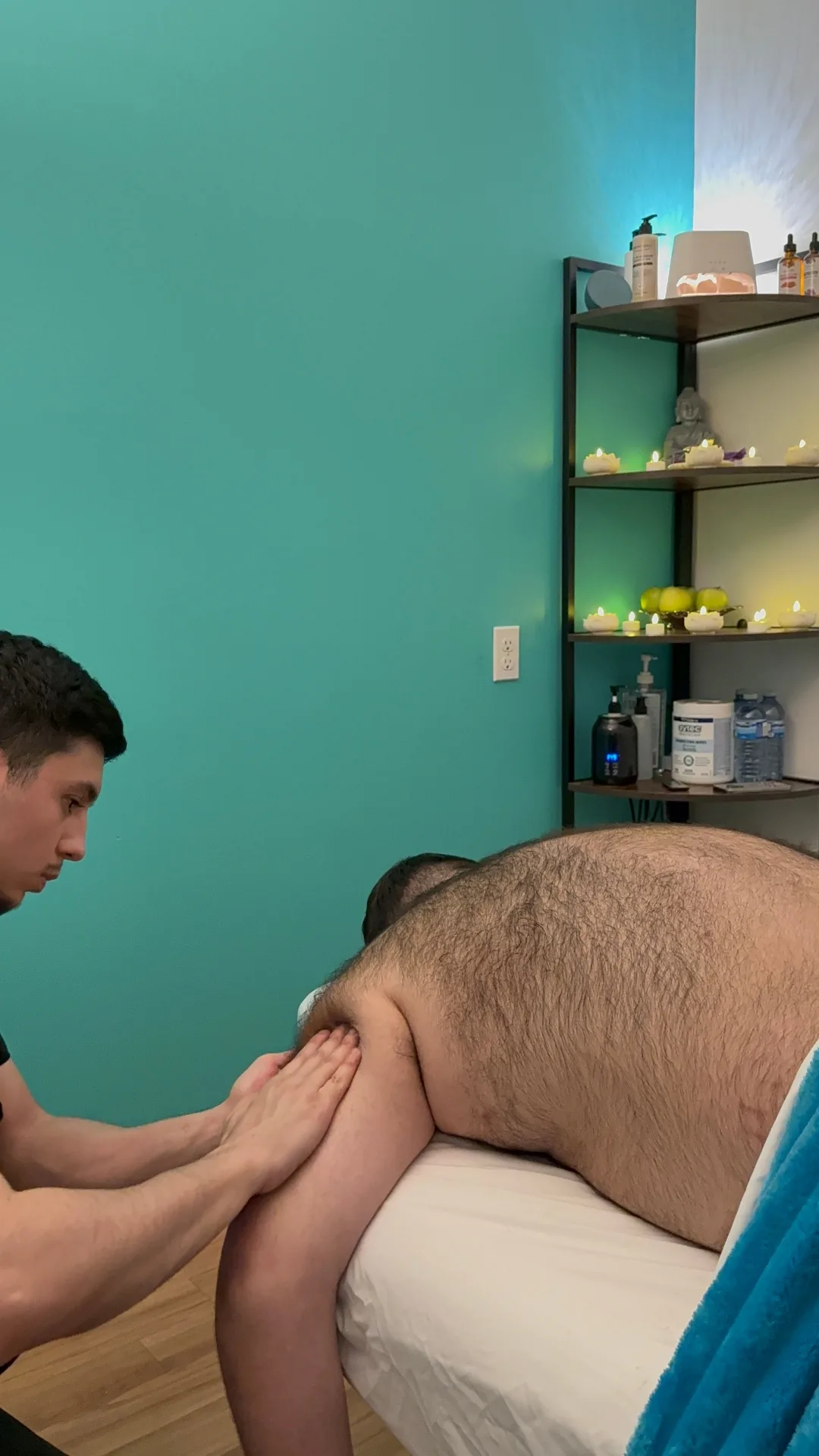
Did you just get a deep tissue massage and now feel muscle soreness, similar to what you'd feel after an intense workout? Rest assured, this is a completely normal and expected reaction to this type of treatment. At Clinique Réhabital in Côte Saint-Luc, our massage therapists get this question frequently, and we want to explain exactly what's happening in your body and how to optimize your recovery.
Why Does Deep Tissue Massage Cause Soreness?
Deep tissue massage uses firm, sustained pressure to reach the deepest muscle layers, as well as the surrounding fascia. This pressure helps release chronic tension, adhesions, and trigger points that would not be reached by a lighter massage.
This process creates small inflammatory reactions at the microscopic level in the muscle tissue, similar to those caused by intense physical exercise. It is this natural inflammatory response that causes the feeling of soreness or tenderness after your session.
How Long Should the Soreness Last?
In the vast majority of cases, post-massage soreness resolves within 24 to 48 hours. Some clients feel almost nothing, while others, particularly those with significant chronic muscle tension or who are receiving their first deep tissue massage, may feel more pronounced soreness for a day or two.
If your pain persists beyond three days, intensifies rather than easing, or is accompanied by unusual swelling, it is important to contact your massage therapist or another health professional for follow-up.
How to Optimize Your Recovery After the Session
Stay Well Hydrated
Drinking plenty of water after your massage helps flush out metabolic waste released during the treatment and can help reduce soreness.
Apply Heat
A warm compress or warm bath can help further relax the treated muscles and relieve residual discomfort.
Move Gently
Light stretching or a gentle walk can promote blood circulation and speed up recovery, without overworking the treated muscles.
Avoid Intense Activities
It is best to avoid intense workouts or demanding physical activities on the same day as your deep tissue massage.
Rest
Give your body the time it needs to recover. Good sleep also promotes muscle repair.
Is Deep Tissue Massage Right for Everyone?
While deep tissue massage is safe for most people, it is not recommended for people with clotting disorders, active infections, recent unhealed injuries, or certain specific medical conditions. This is why it is essential to disclose your full health history to your massage therapist before each session.
Communicating During the Session: The Key to a Good Experience
Never hesitate to tell your massage therapist if the pressure is too intense. The goal of deep tissue massage is to provide therapeutic benefit, not to cause unbearable pain during the treatment. Good communication allows the pressure to be adjusted in real time for an optimal result without excessive soreness afterward.
Deep Tissue Massage vs Swedish Massage
If you find deep tissue massage too intense for your current needs, our Swedish massage offers a gentler alternative, focused on general relaxation rather than treating specific muscle tension. For a good balance between the two, also check out our therapeutic massage service.
A Complementary Approach for Complete Recovery
For clients with chronic pain or persistent muscle tension, combining deep tissue massage with physiotherapy or osteopathy sessions can offer more lasting results. Check out our comparison of osteopathy vs massage therapy to learn more about these complementary approaches.
Insurance and Policies
Massage therapy performed by a licensed professional is covered by most private insurance plans, as well as SAAQ for eligible cases. Please note that CNESST claims are not accepted at our clinic. Check our policies page for our 24-hour cancellation policy.
The Physiological Process Behind the Soreness
When sustained pressure is applied to deep muscle layers, it causes small microscopic lesions in the muscle fibers, comparable to those caused by intense resistance exercise. The body responds with a natural inflammatory cascade: increased blood flow to the area, release of inflammatory mediators, and activation of pain receptors. This mechanism, similar to post-workout soreness (DOMS), explains the tenderness felt in the hours following your massage.
What Happens During a Deep Tissue Massage Session at Réhabital
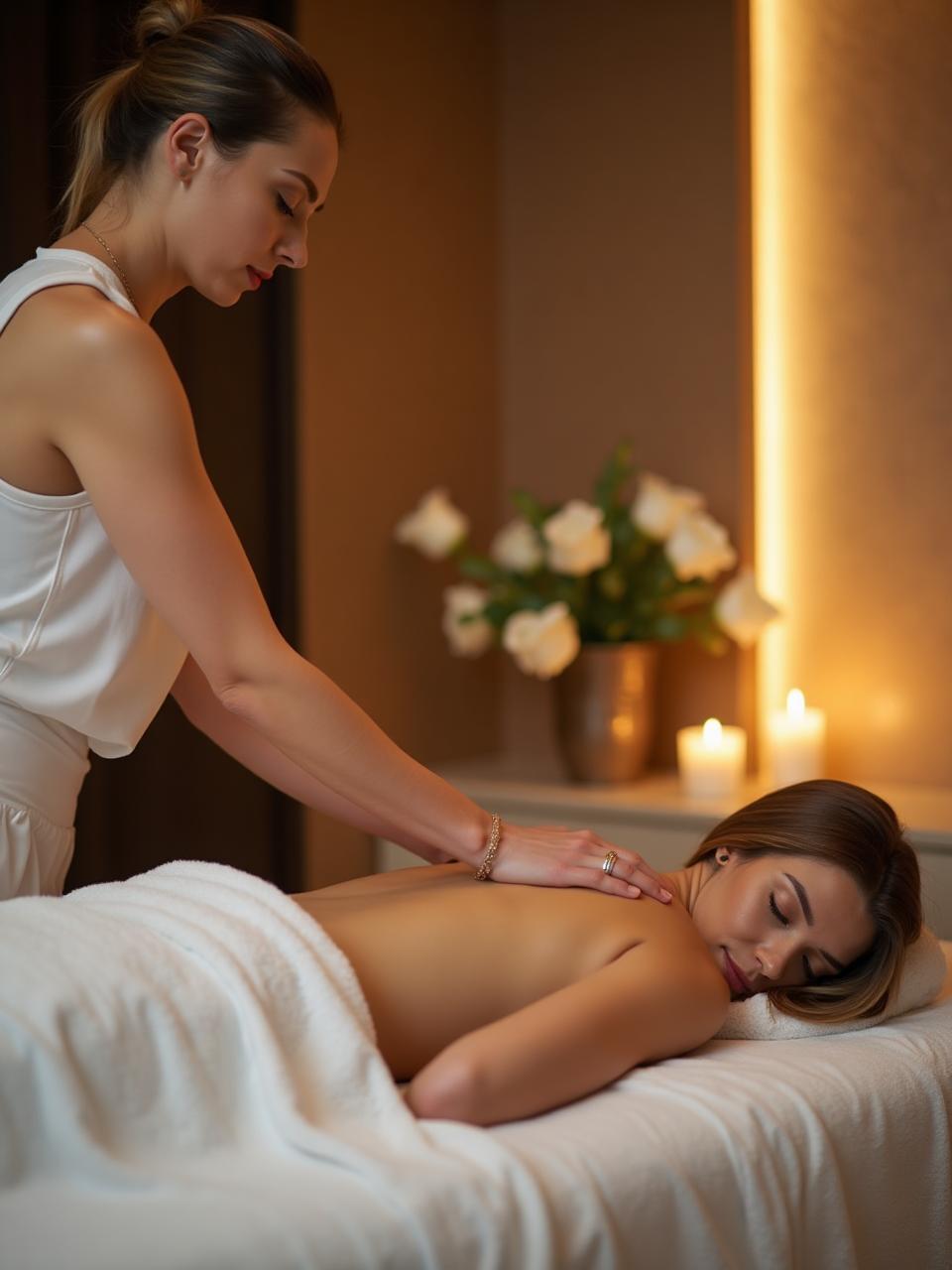
Your massage therapist begins by identifying areas of tension through palpation, then gradually applies firmer pressure, using elbows, forearms, or thumbs depending on the area being treated. Pressure is always adjusted based on your tolerance and verbal feedback. Good communication throughout the session allows for effective treatment without causing excessive pain.
Recommended Self-Care in the Days Following Your Session
- Drink plenty of water within 24 hours of your massage
- Favor heat (warm bath, heating pad) rather than ice
- Do gentle stretching, without forcing
- Avoid intense workouts the same day
- Get a good night's sleep to promote tissue repair
Realistic Recovery Timelines
The vast majority of clients feel an improvement in soreness within 24 to 48 hours. During a first deep tissue massage or after a particularly intense session, it is not uncommon for discomfort to persist up to 72 hours. Beyond that timeframe, or if pain worsens, follow-up with your massage therapist is recommended.
When to See a Healthcare Professional
While soreness is normal, certain signs deserve attention: intense and disproportionate pain, marked swelling, unusual redness, fever, or pain radiating to another part of the body. In these cases, see your massage therapist, a physiotherapist, or a doctor promptly.
Insurance and Practical Considerations
As with all our massage therapy services, deep tissue massage treatments are covered by most private insurance plans and eligible for SAAQ claims, but not CNESST claims. Our hours of operation are Monday to Friday 10:00 to 20:00 and Sunday 10:00 to 16:00, closed Saturdays, making it easy to book even with a busy schedule.
A Loyal Clientele from Across the West End of Montreal
Our Côte Saint-Luc clinic regularly welcomes clients from Hampstead, Westmount, Snowdon, NDG, and Montréal-Ouest who appreciate the rigor of our approach and the convenience of our location for easily integrating massage therapy into their health routine.
The Role of Sleep in Managing Soreness
Quality sleep supports the release of growth hormones involved in tissue repair, which can reduce the duration and intensity of soreness felt after your deep tissue massage. Prioritizing seven to nine hours of sleep in the days following an intense session can noticeably speed up your recovery.
Tracking Soreness Over Multiple Sessions
Some clients keep a simple journal noting the intensity and duration of soreness after each session, which helps identify patterns and allows the therapist to fine-tune pressure and technique over time for a more comfortable experience.
First-Time Client Tips for Deep Tissue Massage
If you are booking your first deep tissue massage at Réhabital, arrive a few minutes early to fill out a brief health history form, wear comfortable clothing, and plan to take it easy for the rest of the day afterward. Being upfront with your therapist about your pain tolerance and any areas of concern will help ensure a positive first experience.
Recommended Frequency for Deep Tissue Massage
For significant chronic tension, an initial frequency of one session every one to two weeks for a few months is often recommended, before spacing sessions out as the tissue becomes more supple. For general maintenance, a monthly or every-six-weeks session is usually enough to sustain the benefits achieved.
Deep Tissue Massage and Athletic Performance
Many athletes in Côte Saint-Luc and the surrounding area incorporate regular deep tissue massage into their training cycle to address muscle adhesions caused by repetitive movement patterns, improve tissue elasticity, and reduce the risk of overuse injuries. Timing matters: an intense deep tissue session close to a competition is generally not recommended, as some soreness could temporarily affect performance.
The Role of Nutrition in Your Recovery
A diet rich in protein, antioxidants, and natural anti-inflammatory foods, such as berries, leafy greens, and fatty fish, can support muscle repair after a deep tissue massage. Avoid heavily processed or sugary meals in the hours following your session, as they can promote systemic inflammation and potentially prolong your soreness.
Difference Between Normal Soreness and Concerning Pain
It's important to distinguish normal soreness, comparable to what you'd feel after a strength workout, from pain that indicates a problem. Normal soreness is diffuse, symmetrical, and gradually improves day by day. Concerning pain, on the other hand, is often localized, accompanied by marked swelling or skin discoloration, and may even worsen over the hours rather than ease.
Why Some People Are More Sensitive Than Others
The soreness felt after a deep tissue massage varies greatly from person to person, depending on factors such as hydration level, sleep quality, overall stress level, muscle mass condition, and even individual sensitivity to touch. People receiving their very first deep tissue massage, or those who haven't had one in a long time, generally feel more pronounced soreness than those who receive them regularly.
Alternative Techniques If Deep Pressure Is Poorly Tolerated
If you find that deep tissue massage consistently causes excessive or hard-to-tolerate soreness, your massage therapist can adapt their approach using techniques like myofascial release, which applies sustained but gentler pressure, or by gradually building up to firmer pressure over several sessions rather than all at once.
Book Your Deep Tissue Massage Today
Whether you're looking to release chronic tension or recover after intense physical exertion, our team of qualified massage therapists in Côte Saint-Luc is ready to help. Book your session now through our Jane App system and let us guide you toward lasting well-being. Also check out our blog for more tips on muscle recovery.
This article is provided for informational purposes only and does not replace professional medical advice. Please consult a qualified massage therapist for any questions regarding your specific condition.
Frequently asked questions
Related articles
Deep Tissue Massage: Your Comprehensive Guide to Unlocking Relief at Réhabital in Côte Saint-Luc
Explore the world of Deep Tissue Massage. Learn what it is, its benefits, who can benefit and what to expect from a session at Réhabital, your trusted clinic in Côte Saint-Luc, Montreal.
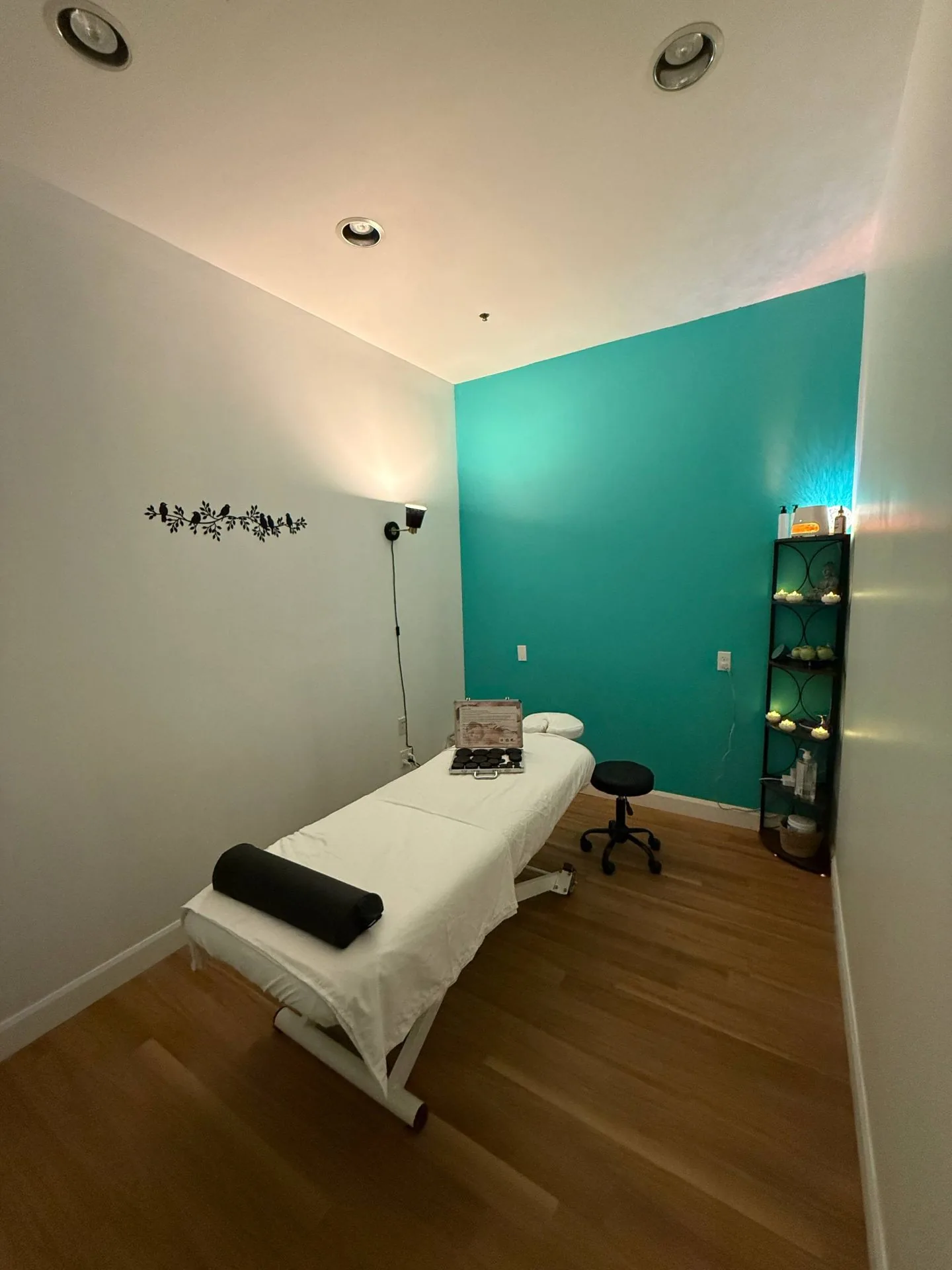
Every Type of Massage Therapy We Offer in Côte Saint-Luc — and Who Each One Is Really For
A complete guide to the 10 massage therapy modalities offered at Réhabital in Côte Saint-Luc: therapeutic, Swedish, deep tissue, prenatal, hot stone, Himalayan salt, lymphatic drainage, reflexology, belly massage and Ayurvedic. Who is each one really right for?

The Complete Guide to Swedish Massage: Unwind and Recharge at Réhabital in Côte Saint-Luc
Discover the soothing world of Swedish Massage at Réhabital in Côte Saint-Luc. This comprehensive guide covers everything from its origins and techniques to its numerous health benefits and what to expect during your session.
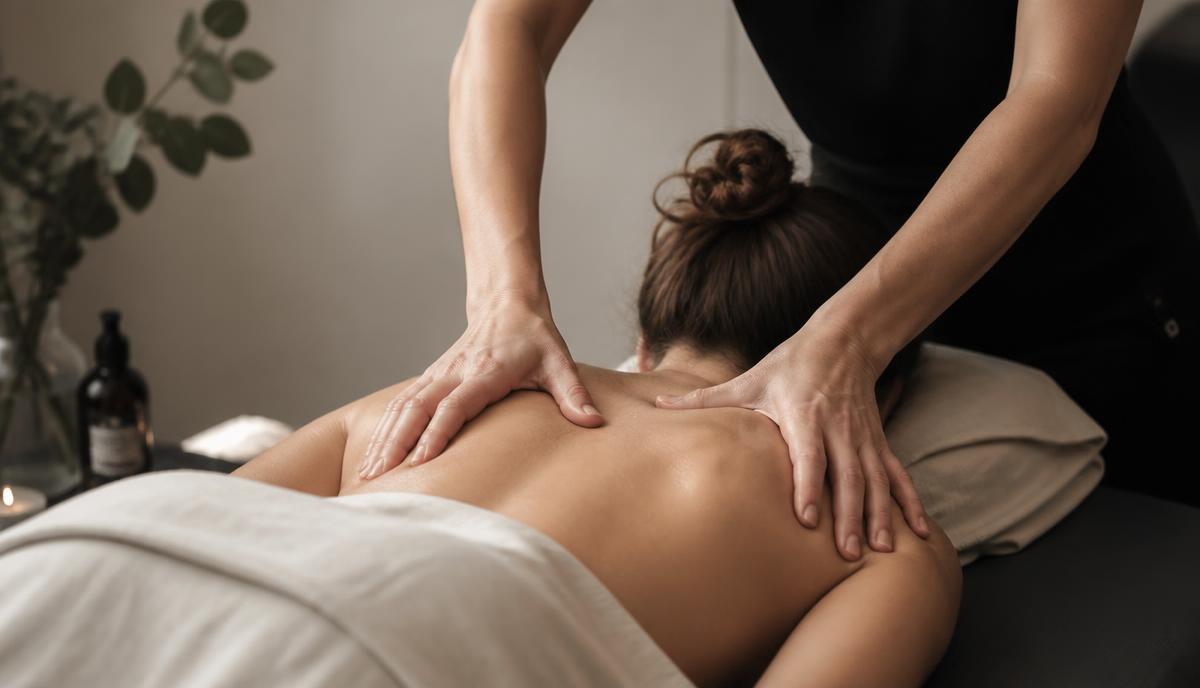
Muscle Knots and Cramps: Which Massage Type Actually Relieves Each Symptom?
A complete guide to muscle knots, trigger points and cramps: why they form, which massage types relieve them, and when to see a therapist in Côte Saint-Luc.
Therapeutic Massage in Côte Saint-Luc: Relieve Pain, Tension and Stress
Discover how therapeutic massage at Réhabital Clinic relieves muscle pain, improves circulation and restores your body's balance.
Deep Tissue Massage: Relieving Chronic Pain and Muscle Tension
Discover how deep tissue massage targets deep muscle layers to relieve chronic pain, improve mobility and accelerate recovery.