
Chemical Peel Prep & Aftercare: The Complete Pro Power Peel Guide — Côte Saint-Luc
How to prepare your skin in the two weeks before a Pro Power Peel and care for it during the critical post-peel recovery — what to use, what to avoid and how to manage flaking for the best possible results.
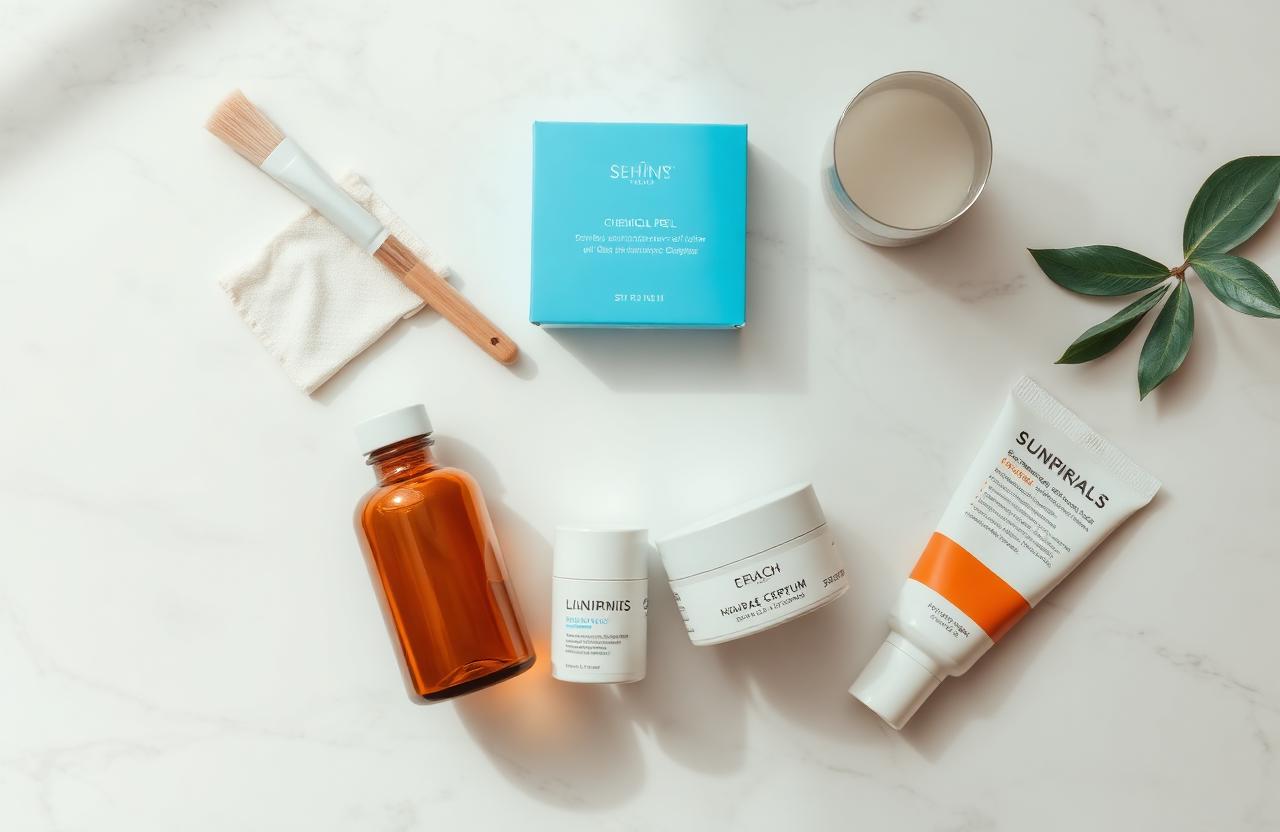
Why Prep & Aftercare Matter as Much as the Peel Itself
A chemical peel is a controlled clinical injury — your aesthetician deliberately uses acids to accelerate cellular turnover and trigger your skin's natural repair response. The treatment itself is roughly 30% of the result. The other 70% comes from how well you prepare your skin in the two weeks before and how diligently you care for it in the two weeks after. Patients who follow our prep and aftercare protocols at Réhabital's aesthetic clinic in Côte Saint-Luc consistently see dramatically better results — and avoid the complications that can come from going in unprepared or skipping critical post-peel steps.
This guide walks you through exactly what to do (and what to avoid) for our Dermalogica Pro Power Peel and similar clinical peels.
Two Weeks Before: Building a Healthy Foundation
The goal of the prep phase is to ensure your skin barrier is healthy, well-hydrated and primed to respond well to the acids — not damaged or over-stripped before treatment.
Stop all retinol products at least 5–7 days before your peel. Retinol thins the stratum corneum, which can cause an over-aggressive reaction to the peel acids. If you use prescription tretinoin, stop 7–10 days prior.
Discontinue all home exfoliation (AHAs, BHAs, scrubs, exfoliating brushes) at least 5 days prior. Your skin needs to be in its natural, undamaged state when you arrive.
Avoid all aggressive treatments — no microneedling, laser, IPL, waxing, or threading on the treatment area for at least 14 days before.
Maximize hydration for the two weeks leading up to your appointment. Use a gentle hydrating cleanser, a hyaluronic acid serum morning and night and a ceramide-rich moisturizer. Well-hydrated skin tolerates peels significantly better and recovers faster.
Wear SPF religiously in the two weeks before — broad-spectrum SPF 30+ every single morning, reapplied every 2 hours if you're outdoors. Pre-existing sun damage will react more aggressively to peel acids.
Avoid tanning (sun, beds, or self-tanner) for at least 2 weeks prior. Tanned skin cannot be safely peeled.
72 Hours Before Your Appointment
In the final three days, eliminate any remaining actives — vitamin C serums, niacinamide at high concentrations and any “brightening” treatments. Stick to: gentle cleanser, hyaluronic acid, ceramide moisturizer and SPF. Drink plenty of water. Avoid alcohol and excessive caffeine, which can dehydrate the skin. Get adequate sleep — your skin's repair processes are most efficient when well-rested.
If you have a history of cold sores (HSV-1), tell your aesthetician at consultation. We may recommend prophylactic antiviral medication starting 2 days before the peel, as chemical peels can trigger outbreaks.
Day of the Peel: What to Expect
Arrive with clean skin — no makeup, sunscreen, or product. The treatment itself takes 45–60 minutes. Your aesthetician will cleanse and degrease your skin, then apply the customized acid layers. You may feel mild stinging, tingling, or warmth — this is normal. Let your aesthetician know immediately if you experience true burning or pain.
The peel is followed by a neutralizing solution, calming serums and we always include red and near-infrared LED therapy to reduce inflammation and accelerate healing. You'll leave with a tinted SPF and clear post-peel instructions.
The First 24 Hours After Your Peel
Your skin will likely look slightly pink, similar to a mild sunburn — this is normal and typically subsides within hours. Some patients have no visible reaction at all; others have a more pronounced flush. Both are fine.
Do: Apply only the post-peel products your aesthetician recommends — typically a gentle calming cleanser, a hydrating barrier serum and a rich, fragrance-free moisturizer. Drink plenty of water. Sleep on a clean pillowcase. Use lukewarm (never hot) water on your face.
Don't: No makeup for 12–24 hours. No exercise that causes sweating. No hot showers, saunas, steam rooms, or hot yoga. No swimming pools (chlorine). Don't touch, rub, scratch, or pick at your skin.
Days 2–7: The Critical Recovery Window
This is when the magic — and the flaking — happens. Most patients begin to peel between day 2 and day 4, with peeling lasting 2–5 days. The peeling pattern varies: some people see light, almost invisible flaking; others have more dramatic sheets of skin lifting. Both are normal and depend on the depth of the peel and your skin's individual response.
The single most important rule: do not pick or peel the skin. Premature removal of partially attached skin is the #1 cause of post-peel hyperpigmentation, scarring and uneven healing. Let the skin shed when it's ready. If a piece is hanging, you can gently snip it with clean scissors at the base — but never pull.
Gentle care only: Continue your post-peel routine — gentle cleanser, barrier-repair serum, rich moisturizer. Apply moisturizer frequently throughout the day to keep flaking skin comfortable. SPF 30+ minimum, mineral preferred (zinc oxide), reapplied every 2 hours when outdoors.
What to avoid: No actives whatsoever — no retinol, no AHAs, no BHAs, no vitamin C, no exfoliation of any kind. No makeup until flaking has fully resolved if possible (around day 5–7). No swimming, hot tubs, saunas, intense exercise, or direct sun exposure. Avoid heavily scented or alcohol-based products.
Days 7–14: Rebuilding and Reintroducing
By the end of week one, your skin should be smooth, fresh and noticeably brighter. Continue gentle care for the second week. Around day 10–14, you can begin slowly reintroducing your regular skincare actives — start with vitamin C in the morning, then add back niacinamide. Wait until day 14 minimum before reintroducing retinol or any acids and always introduce one product at a time.
Common Concerns and How to Handle Them
“My skin isn't peeling — did the peel work?” Visible peeling is not a measure of effectiveness. Many of our most powerful peels produce minimal or no visible flaking but still trigger significant cellular turnover at the deeper level. Trust the process.
“Is this much redness normal?” Mild to moderate redness for 24–48 hours is expected. Persistent intense redness, swelling, or any blistering should be reported to your aesthetician immediately.
“Can I exercise?” Light walking is fine after 24 hours. Avoid sweating-intensity exercise for 3–5 days, as sweat can sting peeled skin and increase risk of breakouts.
“What about a breakout after my peel?” Some people experience a brief “purge” 5–10 days after a peel as accelerated turnover pushes congestion to the surface. This typically resolves within a week.
Maximizing Your Results: The Series Approach
A single peel produces visible improvement, but a series of 4–6 peels spaced 4 weeks apart produces transformative results. Each subsequent peel builds on the previous, progressively addressing pigmentation, texture, fine lines and acne. Most patients then maintain results with quarterly peels long-term.
Book Your Pro Power Peel at Réhabital, Côte Saint-Luc
If you're considering a chemical peel, book a consultation first. We'll assess your skin, discuss your goals and design the right peel protocol — including pre- and post-peel care tailored to your specific skin. We serve patients from Côte Saint-Luc, Hampstead, Westmount, NDG, Snowdon, Montréal-Ouest and across Montreal. Book online via Jane App or call (438) 842-3550.
Frequently asked questions
Related conditions we treat
Related articles
Dark Spots: How to Fade Them with Dermalogica Chemical Peels and FreezPen Cryotherapy in Côte Saint-Luc
Sun spots, lentigines, post-acne marks or melasma? A clinical guide on choosing between Dermalogica professional chemical peels and targeted FreezPen cryotherapy (DermaSpark) — and when to combine them — at Réhabital in Côte Saint-Luc.
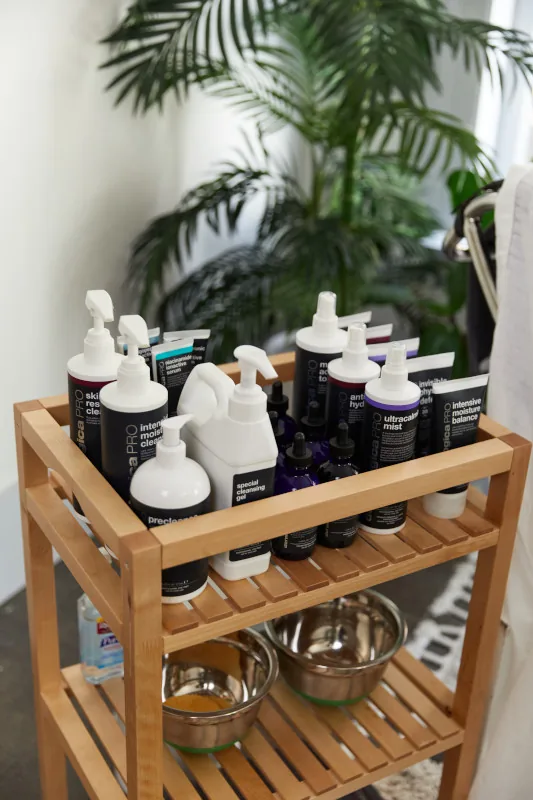
The complete guide to professional facials and daily skincare in Côte Saint-Luc
From Dermalogica Face Mapping to the in-cabin protocol, home routine, and advanced treatments — everything you need to know for healthy, radiant, long-lasting skin in Montreal.
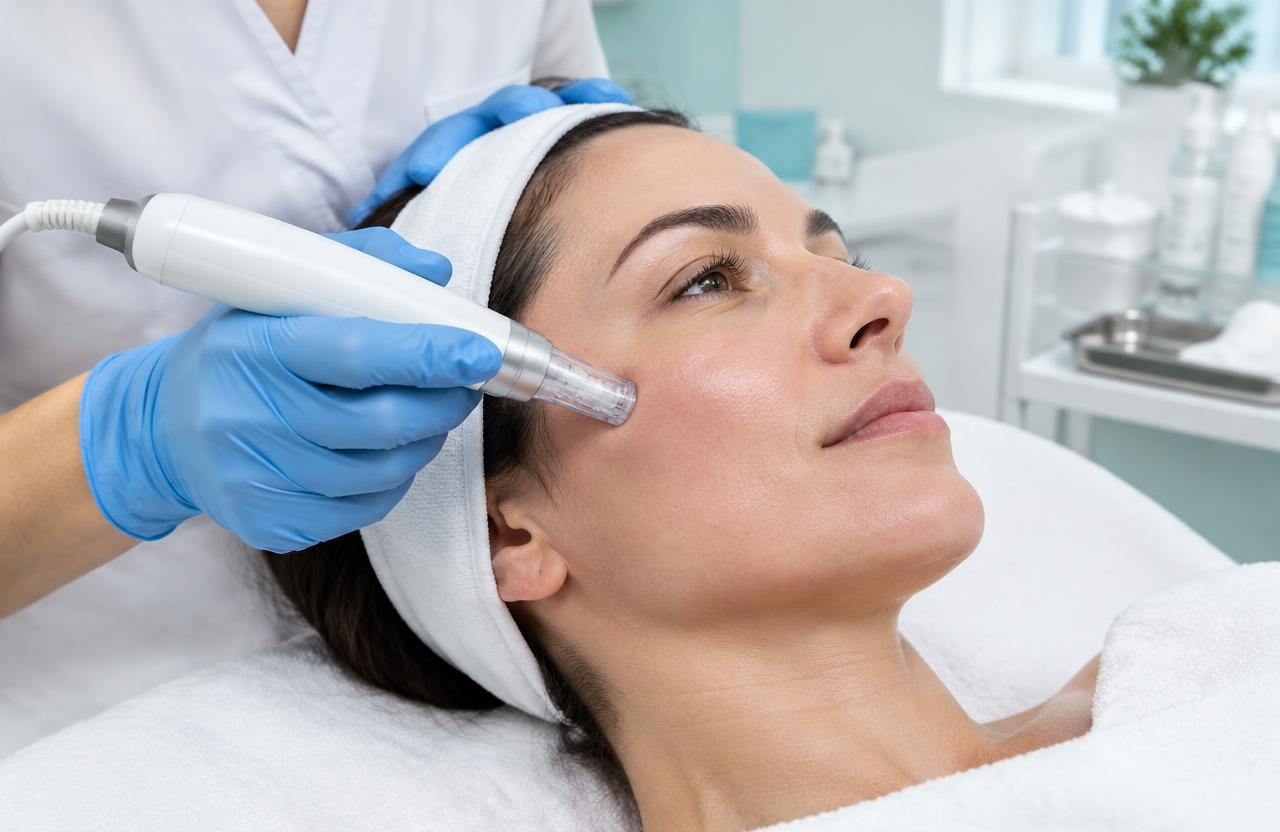
Microneedling: Preparation, Recovery and Aftercare
Prepare your skin, manage redness and recognize risks after microneedling: practical advice and care at Réhabital in Côte Saint-Luc.
Facial Before a Wedding or Big Event: How Many Days Ahead?
Want to glow on the big day? Discover the ideal timeline for booking facials before a wedding, prom, or major event, and avoid last-minute skin mistakes.
Why Professional Facial Treatments Are Essential for Your Skin
Hydr-O2 Facial, microneedling, chemical peels: discover why professional treatments outperform at-home routines. Complete guide in Côte Saint-Luc.
The Science of Exfoliation: AHAs, BHAs, PHAs & Enzymes Explained — Côte Saint-Luc
A complete guide to chemical exfoliation — what AHAs, BHAs, PHAs and enzymes actually do, who should use which acid and how to avoid the over-exfoliation epidemic damaging skin barriers across Montreal.