
The Science of Exfoliation: AHAs, BHAs, PHAs & Enzymes Explained — Côte Saint-Luc
A complete guide to chemical exfoliation — what AHAs, BHAs, PHAs and enzymes actually do, who should use which acid and how to avoid the over-exfoliation epidemic damaging skin barriers across Montreal.
Why Exfoliation Is the Most Misunderstood Step in Skincare
Exfoliation may be the single most misunderstood step in modern skincare. Done correctly, it's transformative — clearer pores, smoother texture, brighter tone, better product penetration and accelerated cell turnover that keeps skin looking youthful. Done incorrectly, it's one of the fastest ways to damage your skin barrier, trigger sensitivity, worsen acne, deepen pigmentation and accelerate aging.
At Réhabital's aesthetic clinic in Côte Saint-Luc, we see the consequences of the over-exfoliation epidemic every week — patients who layered multiple acids on top of retinol on top of harsh scrubs and now present with red, reactive, dehydrated skin that won't tolerate even basic moisturizer. This guide will help you understand the four main categories of chemical exfoliants, who should use which and how to integrate them into a routine that builds healthy skin instead of breaking it down.
What Exfoliation Actually Does (At the Cellular Level)
Your skin naturally sheds dead cells from the outermost layer (stratum corneum) every 28 days in your 20s, slowing to 45–60 days by your 50s. As cell turnover slows, dead cells accumulate on the surface, causing dullness, congestion, uneven texture and slower absorption of skincare actives. Exfoliation removes these accumulated dead cells, revealing fresher skin underneath and signaling the lower layers to produce new cells faster.
There are two fundamental approaches: physical exfoliation (scrubs, brushes, microdermabrasion) which mechanically removes dead cells and chemical exfoliation (acids and enzymes) which dissolves the bonds holding dead cells together. Chemical exfoliation is generally far gentler and more effective, which is why it has become the gold standard in clinical skincare.
AHAs: Alpha Hydroxy Acids
AHAs are water-soluble acids that work primarily on the skin surface to dissolve bonds between dead cells. They're best for dry, sun-damaged and aging skin. The main AHAs you'll encounter are:
Glycolic acid (derived from sugar cane) is the smallest AHA molecule, allowing it to penetrate deepest. It's the most potent AHA and the workhorse of professional peels. Excellent for sun damage, fine lines and dullness, but can be too aggressive for sensitive skin or darker tones.
Lactic acid (from milk) is gentler than glycolic and also acts as a hydrating humectant — making it ideal for dry, dehydrated skin. A good entry-level AHA.
Mandelic acid (from bitter almonds) is the largest AHA molecule, so it penetrates more slowly and is significantly gentler. It's also one of the safest acids for medium to deep skin tones (Fitzpatrick III–VI) and for sensitive skin. Excellent for melasma, acne and uneven tone.
Tartaric and citric acids are usually included in formulations as supporting actives rather than primary exfoliants.
BHAs: Beta Hydroxy Acids (Salicylic Acid)
BHA — almost always salicylic acid in skincare — is oil-soluble, which means it can penetrate through the sebum in your pores to exfoliate from inside. This makes it the gold standard for oily, congested and acne-prone skin. Salicylic acid dissolves the dead cells that clog pores, reduces inflammation (it's chemically related to aspirin) and helps regulate sebum production. It's also generally well-tolerated by sensitive skin in low concentrations.
BHA is appropriate for: blackheads, whiteheads, inflammatory acne, oily skin, enlarged pores and keratosis pilaris (“chicken skin” on the arms).
PHAs: Polyhydroxy Acids
PHAs (gluconolactone, lactobionic acid, galactose) are the newest generation of chemical exfoliants. Their molecules are even larger than AHAs, which means they work only on the very surface of the skin, making them dramatically gentler. They also have antioxidant and humectant properties.
PHAs are ideal for: very sensitive skin, rosacea, eczema-prone skin, post-procedure recovery, anyone who has previously over-exfoliated and beginners just starting with acids.
Enzymes: The Gentlest Option
Enzymes (papain from papaya, bromelain from pineapple, pumpkin enzymes) are proteins that selectively dissolve dead surface cells without affecting living tissue. They're pH-neutral and incredibly gentle, making them safe for nearly everyone. Enzymes are ideal as a weekly mask, for sensitive skin that can't tolerate acids, during pregnancy, or as a refreshing treatment between stronger peels.
Phytic Acid: The Bonus Player
Phytic acid (derived from rice and corn) is technically a phenolic acid that doesn't fit neatly into AHA/BHA/PHA categories. It's an excellent brightening exfoliant that simultaneously chelates metal ions, providing antioxidant benefits. Particularly valuable for melasma and PIH — it's a key ingredient in our Dermalogica Pro Power Peel.
The Over-Exfoliation Epidemic: Signs You're Damaging Your Skin
The skincare industry's relentless pushing of acids has created a generation of damaged skin barriers. Signs that you're over-exfoliating include: persistent redness or flushing, stinging or burning when applying any product, unusual shininess (a sign your barrier is thinned), increased sensitivity to sun and weather, “slick” or “tight” feeling skin, sudden appearance of small bumps or breakouts and dehydration that no moisturizer seems to fix.
If you have any of these symptoms, stop all exfoliation, retinols and active treatments immediately. Use only the gentlest cleanser, a barrier-repair serum and a ceramide-rich moisturizer for 4–8 weeks while your skin barrier rebuilds. Recovery is possible, but it takes longer than you'd expect.
How to Use Exfoliants Safely
Pick one chemical exfoliant appropriate for your skin type and use it 2–3 times per week to start. Never combine multiple acids at home — that's professional territory. Don't layer acids with retinol on the same night. Always use SPF 30+ the morning after exfoliating — chemically exfoliated skin is significantly more sun-sensitive. Listen to your skin — if it feels irritated, scale back. Build slowly — start with PHAs or low-percentage AHAs, increase only when your skin tolerates the lower level comfortably.
When to Choose Professional Exfoliation Instead
Home exfoliation is excellent for maintenance, but it cannot replicate clinical results. Professional Pro Power Peels use medical-grade acid concentrations (often 3–5x higher than retail products) in carefully customized layering systems that no consumer should attempt at home. The key advantage is depth: professional peels can address concerns at the dermal level — pigmentation, acne scarring, deep wrinkles — that home exfoliants cannot reach. The combination of weekly home exfoliation with monthly to quarterly professional peels delivers dramatically better results than either approach alone.
Find Your Right Exfoliation Strategy at Réhabital
The right exfoliant for you depends on your skin type, current barrier health, sun exposure, hormonal status and goals. During a consultation at our Côte Saint-Luc clinic, our medical aestheticians will assess your skin, identify whether you're over- or under-exfoliated and design a customized weekly routine plus clinical peel schedule. Book online via Jane App or call (438) 842-3550.
Frequently asked questions
Related articles
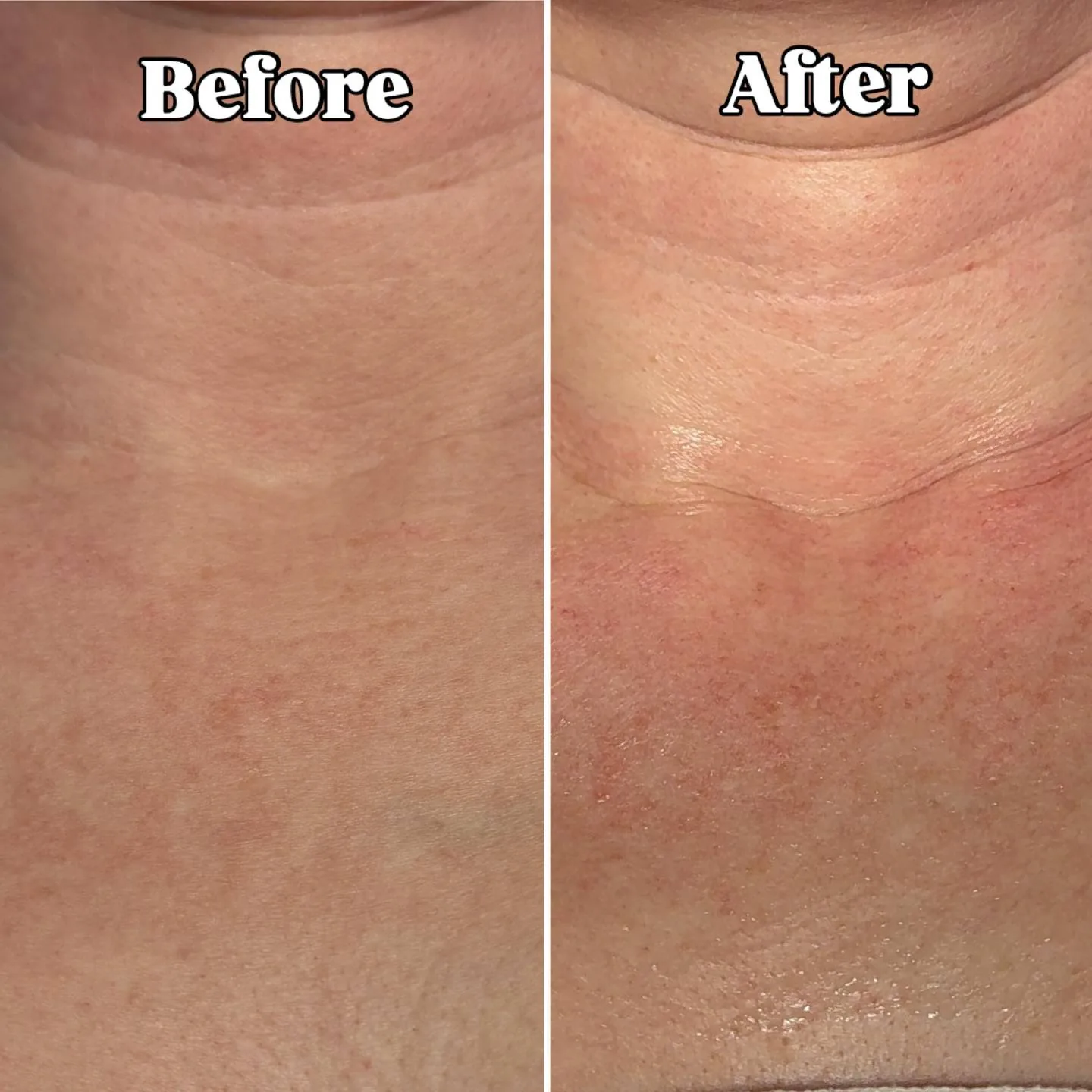
Pro Peels: Advanced Skin Renewal for a Radiant Complexion
Discover our personalized professional peels that refine skin texture, target imperfections and reveal lasting natural radiance.
Why Professional Facial Treatments Are Essential for Your Skin
Hydr-O2 Facial, microneedling, chemical peels: discover why professional treatments outperform at-home routines. Complete guide in Côte Saint-Luc.
Understanding Keratosis Pilaris (Chicken Skin): Facial & Body Treatment at Réhabital, Côte Saint-Luc
Tiny rough bumps on the back of your arms, cheeks or thighs? A complete clinical guide to keratosis pilaris — causes, myths, and how our professional Dermalogica facials, gentle chemical peels and targeted cryotherapy fade it long-term at Réhabital in Côte Saint-Luc.
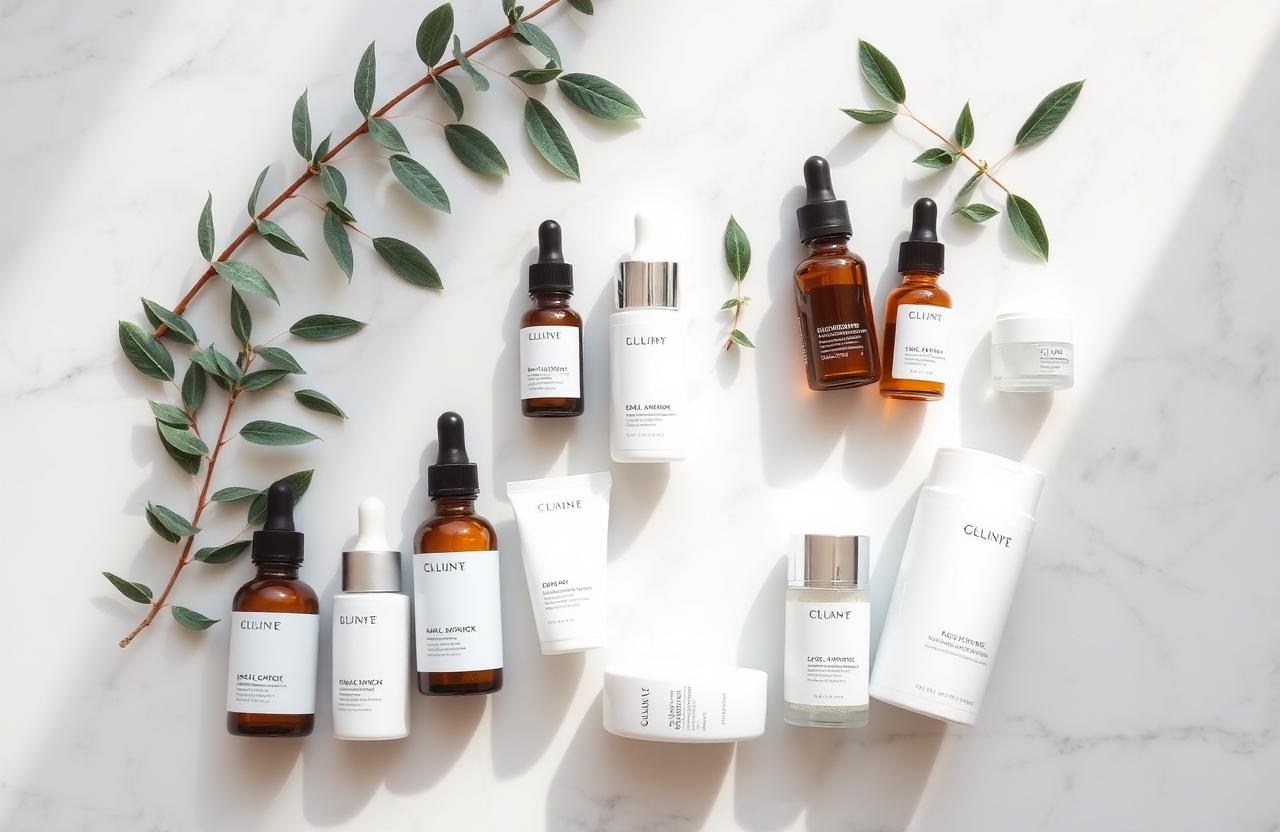
Skincare Routine by Skin Type: A Professional Guide with Dermalogica — Côte Saint-Luc
A complete morning and evening skincare routine for dry, oily, combination, sensitive and acne-prone skin — built around Dermalogica Pro products and clinical recommendations from our Montreal aestheticians.
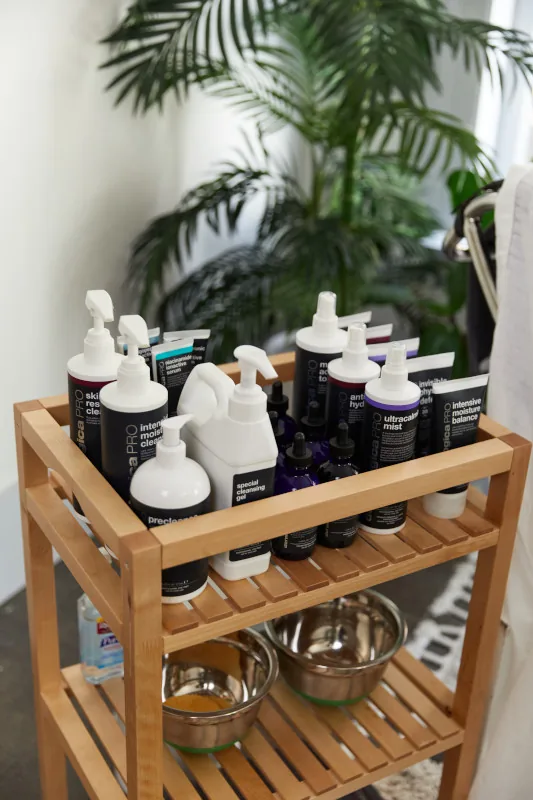
Winter Dry Skin in Montreal: A Professional Dermalogica Hydration Protocol
Montreal winter drying out your skin? Discover the professional Dermalogica hydration protocol at Réhabital in Côte Saint-Luc to restore the skin barrier.
Melasma or Sun Spots: How to Tell the Difference
Melasma and sun spots are both common forms of hyperpigmentation, but they don’t respond to the same treatments. Here’s how to tell them apart and what options are available in Côte Saint-Luc.