
Microneedling: Preparation, Recovery and Aftercare
Prepare your skin, manage redness and recognize risks after microneedling: practical advice and care at Réhabital in Côte Saint-Luc.
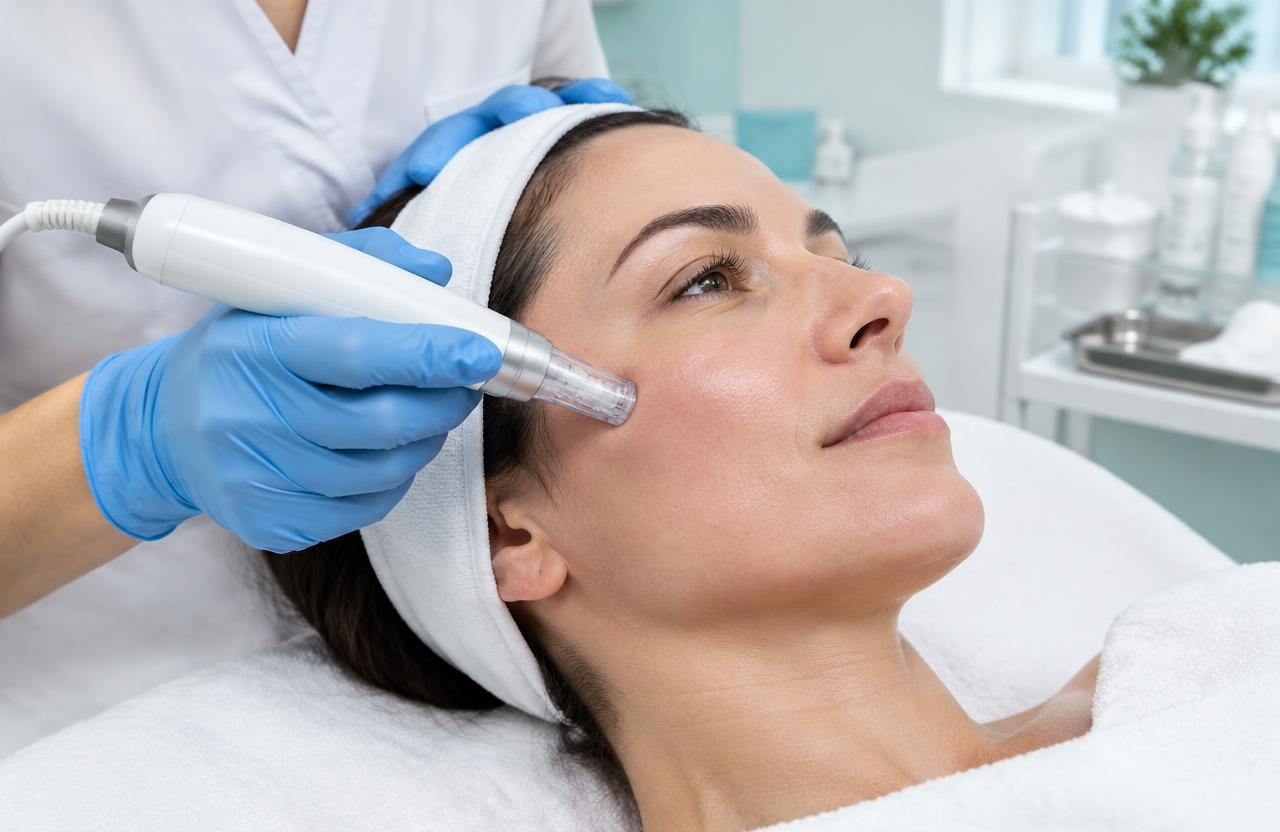
Direct answer: how should you prepare and recover after microneedling?
Microneedling creates small punctures in the skin to trigger a repair response. It may improve the appearance of certain scars and texture concerns, but it cannot guarantee perfect skin or complete removal of a mark. Appropriate preparation, careful product selection and following personalized aftercare instructions matter as much as the procedure itself. Temporary redness and sensitivity can occur; an unexpected worsening needs professional advice rather than another treatment.
At Réhabital in Côte Saint-Luc, on the Island of Montréal, clinical microneedling is part of the aesthetic care offering. This guide explains useful questions before an appointment and practical ways to plan recovery. It is not a do-it-yourself needling protocol and does not replace a dermatologist’s assessment when a skin disease or suspicious lesion is present.
Distinguish scars, pigmentation and active acne
An indented scar changes the skin’s surface, while a brown or red mark mainly changes colour. These concerns can exist together and do not necessarily respond to the same treatment. Our acne scar information page explains why an assessment should consider the shape of the scars, how long they have been present and your skin history before choosing a procedure.
Active inflammatory acne needs discussion before any appointment. Passing a device across painful spots, infection or broken skin is not a way to cleanse the skin. Medical treatment to control inflammation may need to come first. The decision is therefore not simply about requesting a deeper setting: the actual concern must be identified, and the skin must be suitable for the proposed procedure.
What collagen stimulation actually means
The small punctures initiate a tissue repair response. The remodelling that follows takes time; swelling immediately after a procedure is not evidence of lasting new collagen. General research cannot predict an individual result precisely, and outcomes vary with scar type, treatment area, skin tone and the device being used. A clear explanation of those limits helps you judge the procedure without relying on a dramatic photograph.
Pores cannot be erased because they are part of normal skin structure. Improving their appearance or overall texture may be a reasonable goal, but permanent closure is not. A deeper scar may also require dermatological advice and other approaches. An aesthetic treatment should not be presented as a universal solution for every skin change, especially when an underlying condition has not yet been assessed.
Prepare for a useful consultation
Bring a list of medications, supplements and skincare products, together with the dates of recent procedures. Mention isotretinoin, medicines affecting bleeding, allergies, cold sore outbreaks and previous healing difficulties. Never stop a prescribed medicine simply to make an aesthetic appointment possible. Any change to medication needs discussion with the clinician responsible for it, not an instruction copied from an online preparation checklist.
Describe specific goals, such as reducing the appearance of selected scars, improving texture or exploring an alternative. Disclose pregnancy, breastfeeding, chronic illness and immunosuppressive treatment. These details may lead to postponement or a request for medical advice. A consultation that recommends waiting can be more valuable than proceeding immediately. Suitability is a decision about your skin and health, not merely your willingness to book.
Retinoids, exfoliation and sun exposure before the appointment
Retinoids, exfoliating acids and irritating products can change skin tolerance. Ask for instructions based on the exact products you use instead of assuming that everyone needs the same pause. Skin that is already irritated or sunburned needs time to recover before a procedure temporarily disrupts its barrier. Tell the practitioner about both prescription creams and products purchased without a prescription.
Avoid tanning and introducing aggressive new routines around the appointment. If you recently had a peel, laser treatment or another procedure, provide its name and date. The appropriate interval depends on actual healing, not just a fixed number of days. An intense scrub the night before does not improve preparation and may increase irritation. Arriving with calm skin is more useful than trying to maximize exfoliation beforehand.
What happens during a Réhabital appointment?
The service description includes skin assessment, preparation and use of a microneedling device with a sterile cartridge. Settings are a professional decision based on the treatment area and the limits of the proposed service. This article does not recommend a depth to reproduce at home and does not describe bleeding as a necessary sign of effectiveness. More aggressive treatment is not automatically better treatment.
The aesthetic team includes Liliana Ciocoi, Elena Caliniuc and Farzaneh Badakhshan. Confirm practitioner and service availability when booking. Ask about training, single-use cartridges, contraindication screening and written aftercare. The clarity of those answers matters more than a dramatic promise or a setting chosen from a social media video.
The first hours: simplify rather than add more products
After the appointment, follow the instructions provided about permitted products and cleansing. Touch your face as little as possible and use clean hands when necessary. Do not apply a collection of serums, essential oils or homemade mixtures to recently treated skin. A product tolerated on intact skin is not automatically appropriate after punctures have temporarily altered the skin barrier.
Plan a day without another aesthetic procedure. Do not add a home needle roller to extend the effect. If sensations concern you, contact the clinic instead of testing several corrective products. A short, familiar routine also makes it easier to identify an unexpected reaction. Recovery is not a competition in which a greater number of active ingredients necessarily produces a better result or faster healing.
Makeup, work and important events
The American Academy of Dermatology advises waiting at least twenty-four hours before applying makeup after microneedling. A more cautious individual instruction may be appropriate for your skin and the intensity of treatment. The absence of pain does not prove that the barrier has fully recovered. Ask what to do if you need to return to work in an environment where makeup is normally expected.
Redness, warmth or swelling may last several days. Some people resume usual activities quickly, but that does not guarantee a redness-free face the next morning. Avoid scheduling your first session immediately before a wedding, photographs or an event where appearance must be predictable. Allow a recovery margin and ask which changes are expected for your situation instead of treating minimal downtime as a promise of no visible reaction.
Sun, heat and exercise during recovery
Sun protection is important for limiting unwanted colour changes. Discuss when to resume sunscreen and which protection fits your aftercare instructions. Shade, a hat and avoiding direct exposure are useful practical measures. Sunscreen does not turn a long tanning session into a risk-free activity, and skin that feels comfortable may still need protection while it recovers.
Ask when to resume intense exercise, sauna, swimming and activities that expose the skin to heat, friction or potentially irritating water. Timing varies with the treatment and your response. A hot yoga class is not a test of successful healing. Adjust your schedule to the instructions you receive rather than a universal rule from social media, especially when your skin remains red, tender or unusually sensitive.
Recognize a reaction that needs help
Moderate redness that gradually settles may be part of recovery. Increasing pain, pus, spreading redness, fever or blisters need prompt assessment. Report an allergic reaction or a cold sore outbreak as well. Breathing difficulty or significant facial swelling requires urgent help. Do not assume that every reaction is a normal part of collagen stimulation or proof that the procedure is working.
Do not conceal these symptoms with makeup or continue a planned series while waiting for them to disappear. Contact a healthcare professional when the reaction goes beyond expected discomfort. Photographs may help describe changes over time, but they cannot replace an examination. Skin that reacts badly needs reassessment rather than an automatic recommendation for a stronger treatment or an additional serum.
Darker skin tones and pigmentation: keep the risk discussion
Microneedling may be considered across several skin tones, but that does not mean there is no risk. Inflammation can leave persistent pigment changes, particularly in someone who has previously developed dark marks after irritation. Mention that history and ask how it affects treatment selection, alternatives and monitoring. Safety depends on appropriate assessment, technique and follow-up rather than a blanket statement about suitability.
Melasma deserves a cautious assessment. Treating colour is not interchangeable with treating an uneven surface. Our comparison of peels, microneedling and laser for pigmentation offers additional context. A pigmented lesion that changes, bleeds or looks like an unusual mole requires medical advice before an aesthetic procedure. Do not needle over it in an attempt to lighten it.
Results, session spacing and comparison with micro-mesoneedling
Judge results after recovery and over the remodelling period, not only on the treatment day. Compare photographs taken in similar lighting without filters. The clinic describes courses involving multiple sessions, but the number and spacing still need individualization. No series guarantees the same outcome for everyone. Agree on a reassessment point so the plan can change if improvement is limited or side effects occur.
Our guide to micro-mesoneedling and MCCM options explains another clinic offering built around targeted product protocols. It is not automatically superior to standard microneedling. The useful question is which approach fits your goal, tolerance and the available evidence. A higher-priced option is not, on its own, proof of a better or more appropriate result.
Fees, booking and reliable sources
Use the aesthetic fees catalogue for current prices, packages and tax information. Aesthetic treatments are not covered by private insurance at the clinic. Compare a realistic total cost for the proposed course instead of selecting a package before assessment. Book through Jane App or call 438-842-3550. The clinic is located in Cavendish Mall with ground-floor access and free parking.
This guide draws on American Academy of Dermatology patient information and FDA microneedling safety advice. These general sources do not establish Canadian authorization for a specific device or a Réhabital-specific outcome. They help explain benefits, risks and questions to ask before making an informed decision.
Frequently asked questions
Related conditions we treat
Related articles
Chemical Peel Prep & Aftercare: The Complete Pro Power Peel Guide — Côte Saint-Luc
How to prepare your skin in the two weeks before a Pro Power Peel and care for it during the critical post-peel recovery — what to use, what to avoid and how to manage flaking for the best possible results.
Micro-Mesoneedling: Understanding the Four MCCM Options and Their Limits
Skin Repair, MelanoOut, PDRN + HA and Premium Exosome: understand Réhabital’s micro-mesoneedling options and essential safety questions.
The complete guide to professional facials and daily skincare in Côte Saint-Luc
From Dermalogica Face Mapping to the in-cabin protocol, home routine, and advanced treatments — everything you need to know for healthy, radiant, long-lasting skin in Montreal.
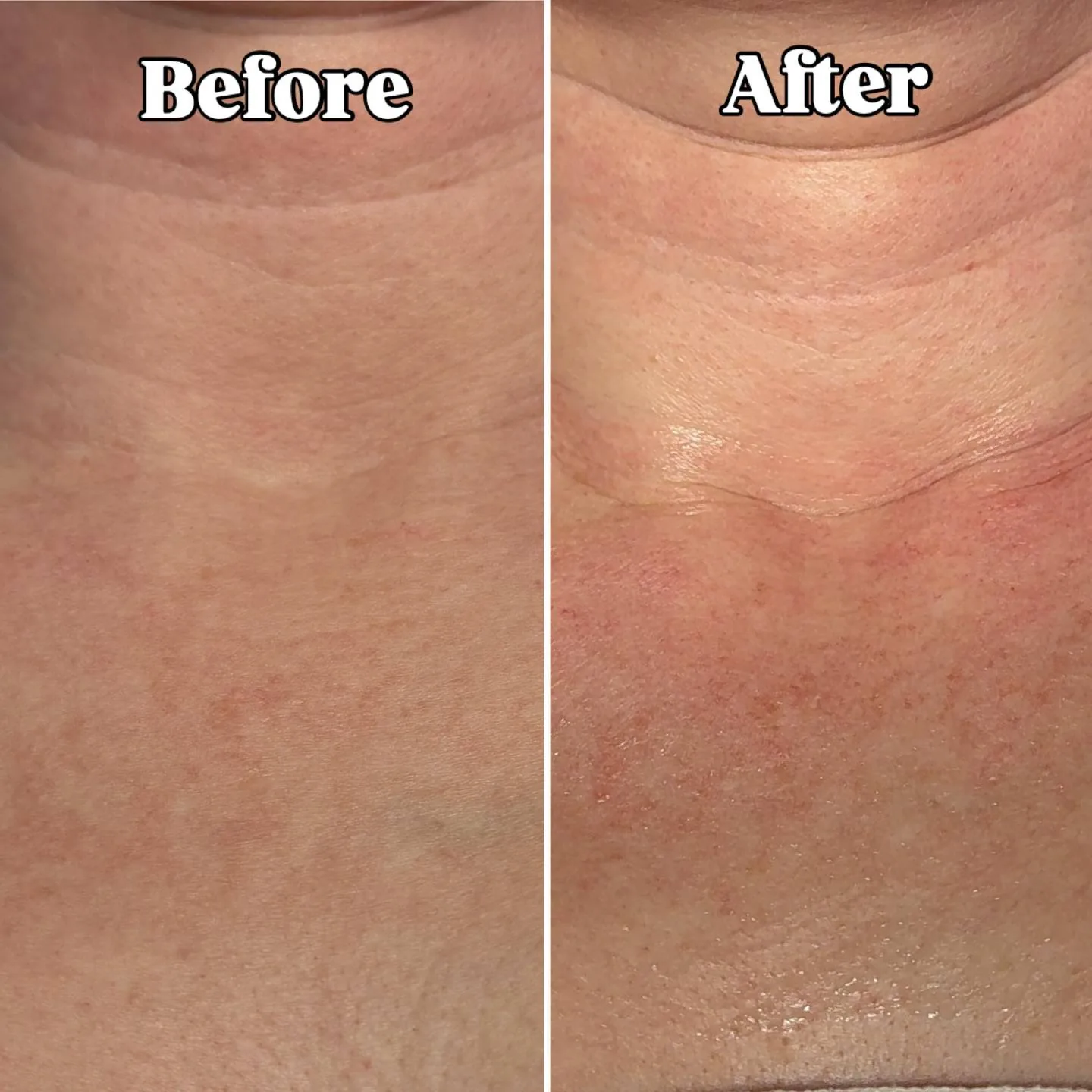
Why Professional Facial Treatments Are Essential for Your Skin
Hydr-O2 Facial, microneedling, chemical peels: discover why professional treatments outperform at-home routines. Complete guide in Côte Saint-Luc.
Teen Acne: How Our Dermalogica Essential Facial Helps Teenagers Care for Their Skin
Teen acne isn't just a cosmetic issue — it affects confidence and long-term skin health. Learn how the Dermalogica Essential Facial at Réhabital in Côte Saint-Luc helps teenagers understand their skin, control acne and build lifelong healthy habits.
Facial Rejuvenation: How the Réhabital Facial Protocol Works
Dermalogica facials, SharpLight photofacial, microneedling, mesotherapy and peels: how we build a realistic facial rejuvenation plan in Côte Saint-Luc, with transparent pricing.