
Why Does Hair Grow Back After One Laser Session?
It’s normal to see hair regrow after a single laser hair removal session. Réhabital explains the science of the hair cycle and why consistency matters.

Regrowth After One Session: A Normal and Expected Phenomenon
After their first laser hair removal session at Réhabital in Côte Saint-Luc, many clients are surprised — sometimes even worried — to notice hair continuing to appear in the following weeks. The question comes up often: « Did the treatment actually work? » The answer is almost always yes, and this partial regrowth is actually proof that the process is working exactly as it should, not a sign of failure.
To fully understand this phenomenon, we need to look at the biology of hair and how laser energy interacts with the follicle at different stages of its life cycle.
Understanding the Hair Growth Cycle
Every hair moves through three distinct phases: anagen, the active growth phase where the follicle is richly supplied with blood and pigment; catagen, a shorter transitional phase; and telogen, a resting phase where the hair eventually sheds naturally. Laser technology, including the SharpLight DPC system used at Réhabital, targets light energy toward melanin present in the hair, which is then converted into heat to damage the producing follicle.
The challenge is that only hairs in the anagen phase contain enough melanin and vascular connection to be effectively affected by this energy. Hairs in the telogen phase, on the other hand, are practically invisible to the laser: they no longer have an active connection to blood supply and contain far less pigment.
At any given moment, only about 20% to 30% of follicles in a body area are in the anagen phase. This means that a single session, no matter how well executed, necessarily leaves the majority of follicles untreated — not because the treatment failed, but simply because those follicles are not in a receptive state at the time of treatment.
Why Regrowth Sometimes Looks More Noticeable Than Expected
Some clients even notice regrowth that at first glance appears just as abundant as before their first session. Several factors explain this perception:
- Treated hairs that were affected often continue to visually « grow » before shedding naturally, a process that can take one to three weeks.
- Previously very fine or lightly pigmented hairs can become temporarily more visible as other hairs shed around them.
- Follicles that naturally complete their cycle produce new hairs, independent of the laser treatment.
It is therefore essential not to judge treatment effectiveness after a single session. Laser hair removal should be evaluated across a full treatment series, typically between six and ten sessions, spaced according to the specific hair growth cycle of each body area.
The Role of SharpLight DPC Technology
At Réhabital, we use SharpLight DPC technology, which combines pulsed light and radiofrequency energy for precise, safe targeting of hair follicles. This technological combination allows for effective treatment across a variety of skin tones while minimizing discomfort. However, even the most advanced technology cannot bypass the fundamental biology of the hair growth cycle — which is why consistency in the session schedule remains essential, regardless of the device used.
Factors That Influence the Speed and Appearance of Regrowth
Hair Colour
Dark, melanin-rich hair generally responds better to laser treatment, producing a more visible reduction from the earliest sessions. Light, fine, or peach-fuzz hair is harder to target and may therefore appear to « grow back » more, simply because it was not as effectively affected in the first place.
Hormonal Factors
Conditions such as polycystic ovary syndrome (PCOS), as well as hormonal changes related to pregnancy, menopause, or certain medications, can stimulate new hair growth independent of laser treatment. If you notice unusually dense regrowth, it’s important to discuss this with your aesthetician, as an adjustment to your treatment plan may be needed.
The Treatment Area
Every body area has its own hair growth cycle. The face, for example, tends to have a faster cycle, which means regrowth may appear to show up sooner after treatment compared to the legs or back, where the cycle is longer.
What Regrown Hair Actually Reveals
Contrary to a common belief, laser hair removal does not make hair thicker or darker. In fact, many clients notice the opposite effect over the course of their sessions: regrown hairs progressively become finer, sparser, and lighter, as follicles are cumulatively damaged across multiple treatment cycles.
This is precisely why closely following the session schedule recommended by your aesthetician — whether Liliana or Elena — is so important. Each session builds on the progress of the previous one, targeting new follicles that were previously dormant.
When to Discuss Regrowth With Your Aesthetician
While some regrowth is normal and expected between sessions, certain signs warrant a discussion with your aesthetician:
- Unusually dense or rapid regrowth that seems to increase rather than decrease over the course of sessions.
- The appearance of new hairs in areas where treatment had previously shown good results.
- Recent hormonal changes, including pregnancy, menopause, or a new medical diagnosis.
In these cases, our team can reassess your treatment plan and adjust settings or session spacing accordingly.
Distinguishing True Regrowth from Increased Visibility
It’s useful to distinguish between two phenomena often confused by our clients: true regrowth of a treated hair — which is rare when treatment was effective on that specific follicle — and the appearance of hairs that were already present but not targeted during the previous session. In the vast majority of cases, what is perceived as « regrowth » is actually this second phenomenon: hairs simply following their natural cycle independent of treatment.
The Role of Progress Photography
At Réhabital, we often encourage clients to visually document their treated area before each session. This simple practice helps better visualize actual progress from one session to the next, beyond subjective perception, which can be influenced by the temporary regrowth of untargeted hairs.
Why Some Hairs Seem to Return Darker
Another common misunderstanding concerns hairs that appear darker after a session. In reality, this phenomenon is generally explained by fine, less visible hairs becoming temporarily more apparent once thicker, darker hairs in the same area have been effectively reduced, creating a contrast that did not exist before.
The Importance of Consistency in Scheduling
Strictly respecting the recommended interval between sessions remains the most determining factor for progressively reducing perceived regrowth. Skipping appointments or spacing them irregularly can significantly extend the time needed to observe satisfying hair reduction, since some follicles may complete a full cycle without ever being exposed to treatment during their active phase.
Safety and Expected Side Effects After a Session
It is also useful to distinguish normal regrowth from temporary skin reactions that can occur after a session. Mild redness, a sensation of warmth, or slight swelling around treated follicles are common and expected reactions with SharpLight DPC technology, typically fading within a few hours to a few days. These reactions should not be confused with hair regrowth: they concern the skin itself, not the appearance of new visible hairs.
If you instead notice pigmentation changes, blistering, or persistent discomfort, it’s important to contact your aesthetician promptly, as these signs are not part of the normal regrowth process and could indicate that settings need to be adjusted at your next visit.
Common Myths About Hair Regrowth
Many clients arrive at the clinic with preconceived ideas about regrowth that deserve clarification. A widespread belief is that regrowth after a session means the treatment was ineffective overall, when in fact it simply reflects the natural hair cycle affecting follicles that were not targeted during that particular session. Another myth suggests that spacing sessions further apart gives hair time to « come back stronger » — in reality, it’s the opposite: too long an interval can allow some follicles to complete a full cycle without ever being exposed to the laser during their active phase, prolonging treatment rather than speeding it up.
Finally, some clients believe that regrowth observed after several sessions means they are not good candidates for laser hair removal. In the vast majority of cases, this simply reflects a normal pace of progress specific to their hair colour, skin type, or hormonal factors, rather than a sign that the treatment isn’t working.
Tracking Your Real Progress Across Sessions
To ease doubts related to perceived regrowth, many clients find it helpful to keep a visual journal of their treated area, taking a photo before each session under similar lighting conditions. This practice allows for an objective comparison of hair density from one visit to the next, rather than relying solely on a subjective impression that can be skewed by the temporary regrowth of untargeted hairs from previous sessions. Our aestheticians can also keep these observations on file to track your progress throughout the recommended series.
Setting Realistic Expectations From the Start
One of the most valuable things Liliana and Elena do during your initial consultation is set realistic expectations for how regrowth will look and feel throughout your series. Rather than promising an instantly hairless result after the first appointment, our team walks you through exactly what to expect at each stage: noticeable shedding within the first few weeks, some visible regrowth of untargeted follicles, and a gradual, cumulative thinning that becomes more pronounced with each subsequent session. Clients who understand this pattern in advance tend to feel far less discouraged when they notice hair reappearing after their early appointments, and are more likely to complete their full recommended series rather than stopping prematurely out of unnecessary concern.
In short, partial regrowth after a single session is never a sign of failure — it simply proves that the hair growth cycle is following its normal course, and that patience through a complete series remains the key to lasting, satisfying hair reduction.
Comparing Notes: What to Expect at Each Milestone
Clients often find it reassuring to know roughly what to expect at each stage of their series. After session one, some shedding and noticeable regrowth from untargeted follicles is typical. By sessions three and four, most clients begin to see a genuine reduction in overall density, even though some regrowth remains visible between appointments. By sessions five and six, many areas show substantial, lasting thinning, with regrowth becoming progressively finer and sparser. Keeping these general milestones in mind can help you evaluate your own progress more objectively, rather than comparing your results appointment-by-appointment against an unrealistic standard of immediate, total hair removal.
Book Your Appointment at Réhabital
Understanding the science behind hair regrowth can greatly help manage your expectations throughout your laser hair removal journey. To learn more about our treatments, visit our dedicated page on laser hair removal or explore our full range of laser treatments. You can also learn more about our team and review our policies before booking your next session through Jane App.
Frequently asked questions
Related conditions we treat
Related articles
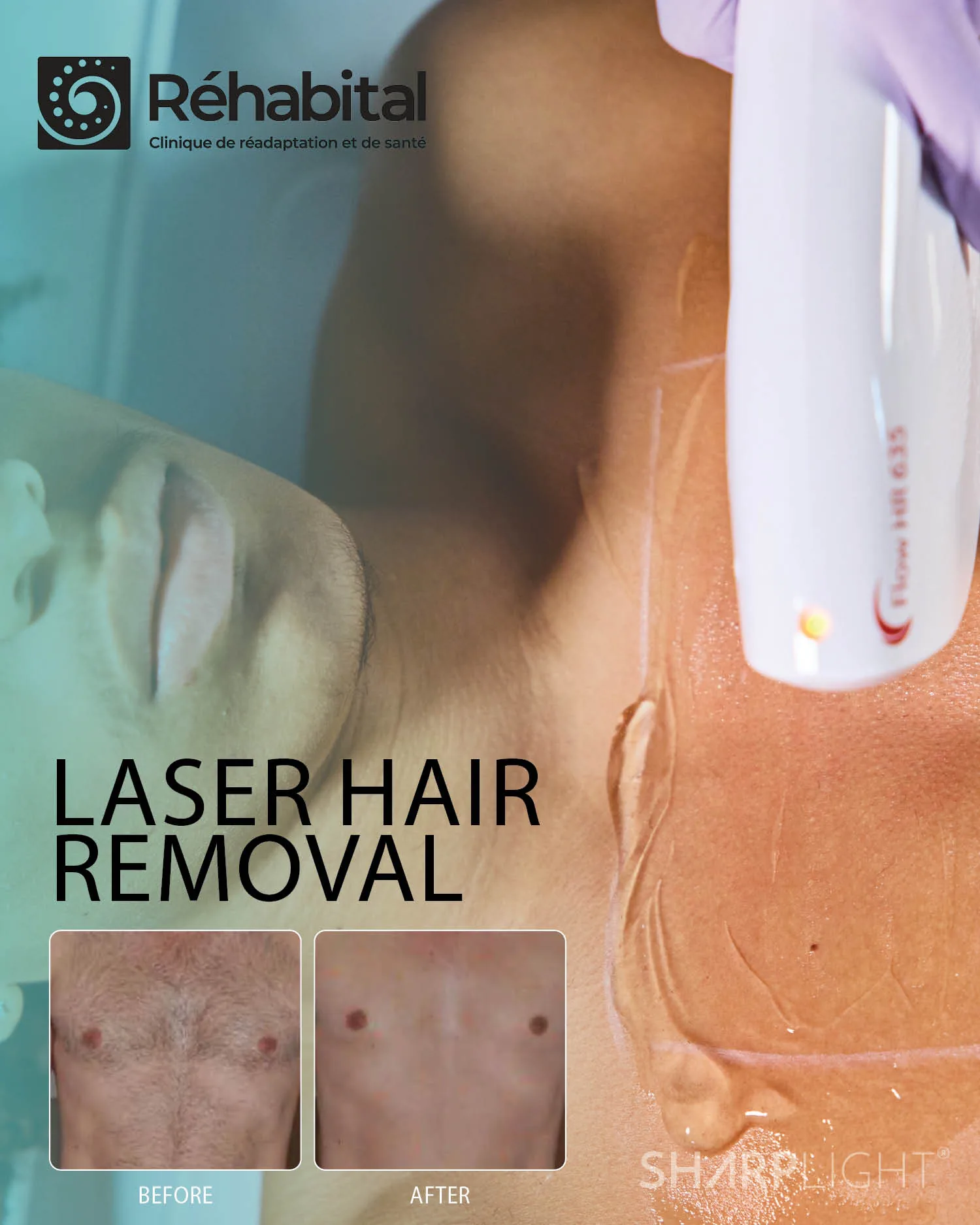
How Many Laser Hair Removal Sessions Are Needed for Optimal Results?
Discover why laser hair removal requires multiple spaced sessions, how the hair growth cycle affects results, and what to expect at Réhabital in Côte Saint-Luc.
How Many Laser Hair Removal Sessions Are Needed for Optimal Results?
Discover why laser hair removal requires multiple spaced sessions, how the hair growth cycle affects results, and what to expect at Réhabital in Côte Saint-Luc.
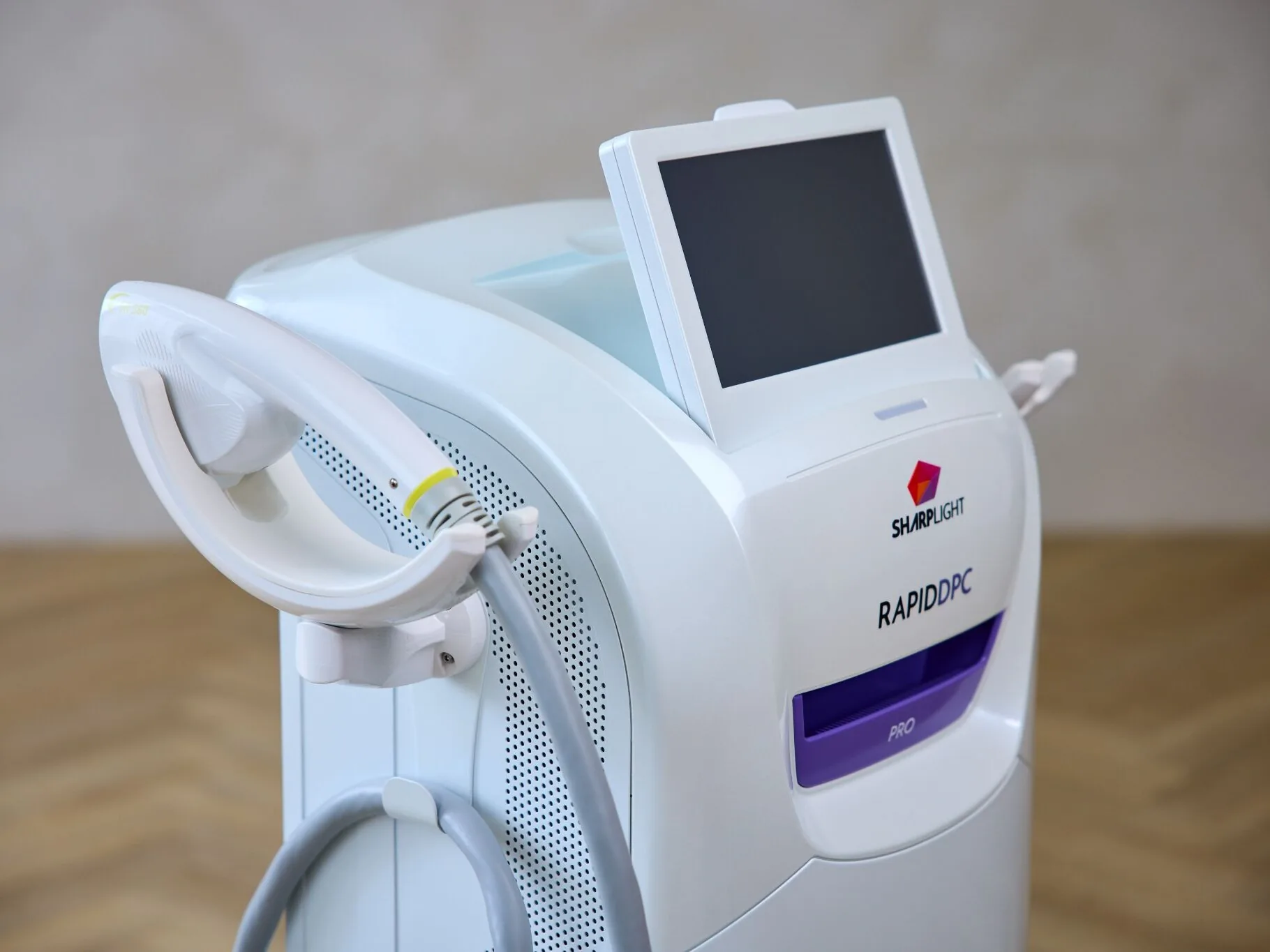
Laser Hair Removal Before Summer: When Should You Start Your Sessions?
Want smooth skin for summer without the constant hassle of shaving? Here is why winter and early spring are the best times to start your laser hair removal journey, and how to plan your sessions at Réhabital.
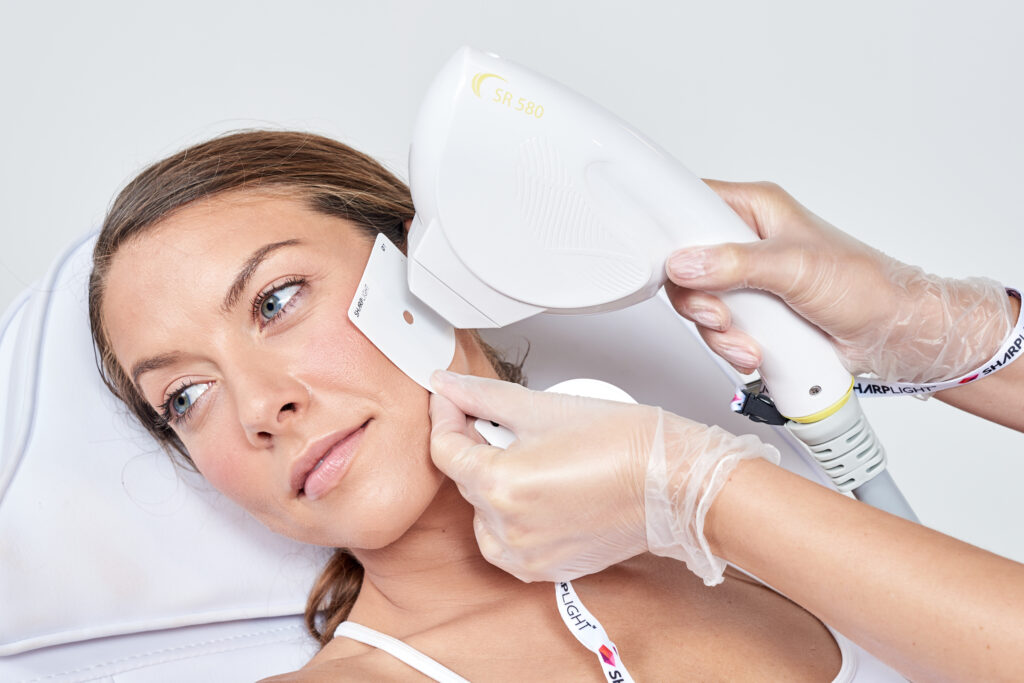
Laser Hair Removal by Skin and Hair Colour: Who Is a Good Candidate?
Skin and hair colour greatly influence laser hair removal results. Réhabital in Côte Saint-Luc explains the Fitzpatrick scale and how SharpLight DPC adapts to each profile.
Is Laser Hair Removal Safe? Myths vs. Reality
Side effects, contraindications, SharpLight technology safety. Everything you need to know about laser hair removal safety in Montreal.
Laser Hair Removal Montreal: Complete Guide to Safe, Permanent Results
Everything about laser hair removal: how it works, session count, pain levels, costs and which skin types are best suited. Expert guide from our certified technicians.