
Laser Hair Removal by Skin and Hair Colour: Who Is a Good Candidate?
Skin and hair colour greatly influence laser hair removal results. Réhabital in Côte Saint-Luc explains the Fitzpatrick scale and how SharpLight DPC adapts to each profile.
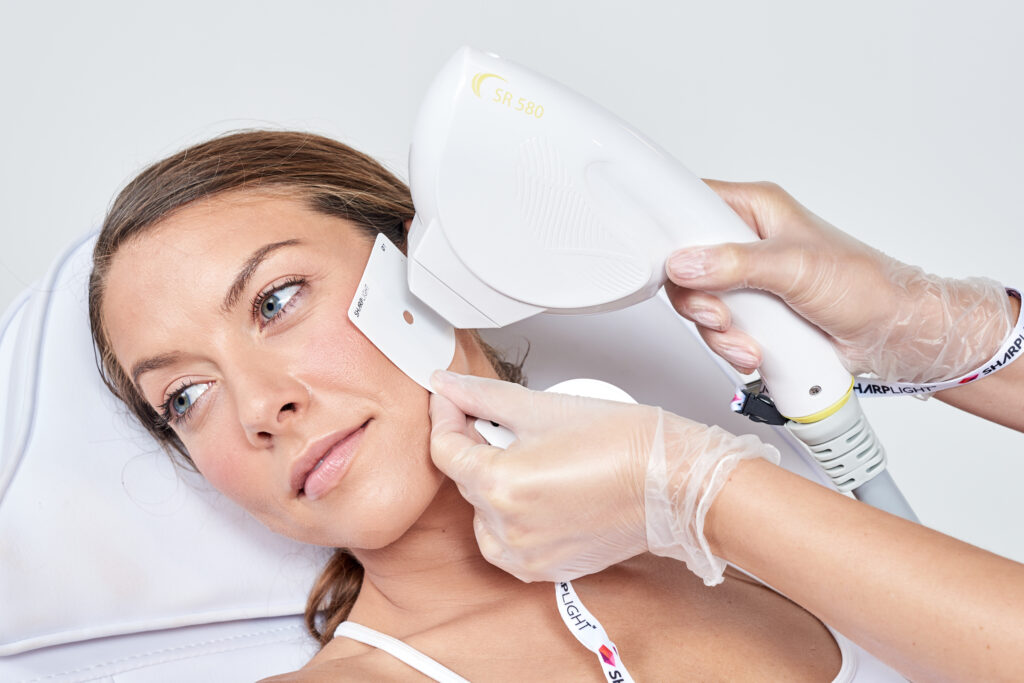
Who Is a Good Candidate for Laser Hair Removal?
One of the first questions our aestheticians, Liliana and Elena, address during a consultation at Réhabital in Côte Saint-Luc concerns your skin and hair colour. Contrary to what many believe, laser hair removal is not a one-size-fits-all solution that works identically for everyone. The specific combination of your skin tone and hair colour plays a determining role in treatment effectiveness, the safety of settings used, and the number of sessions needed to achieve satisfying results.
This article explores in detail how the Fitzpatrick classification and hair colour influence candidacy for laser hair removal, as well as how SharpLight technology, used at our clinic, adapts to a wide variety of profiles.
Understanding the Fitzpatrick Scale
The Fitzpatrick scale is a classification system developed to categorize skin types according to their melanin content and typical reaction to sun exposure. It includes six categories, ranging from Type I (very fair skin that burns easily and rarely tans) to Type VI (deeply pigmented skin that burns very rarely).
- Type I and II: fair skin, often accompanied by freckles, which burns easily in the sun.
- Type III and IV: intermediate skin, which tans moderately and burns occasionally.
- Type V and VI: dark to very dark skin, which tans easily and rarely burns.
This classification helps our aestheticians determine the safest and most effective power settings for each client, since melanin present in the skin itself can absorb some laser energy — a crucial factor to consider to avoid unwanted side effects while maximizing treatment effectiveness.
Why Hair Colour Matters Just as Much
While skin type is essential for determining treatment safety, hair colour remains the most determining factor for laser targeting effectiveness. The fundamental principle of laser hair removal relies on selective photothermolysis: light energy is absorbed by the melanin present in the hair, then converted into heat, which damages the producing follicle.
Dark hair — black, dark brown — generally contains a high amount of melanin, making it particularly responsive to laser treatment. Conversely, blonde, red, grey, or white hair contains very little melanin, making it much harder to target with most laser technologies currently available, including systems used in clinics.
The Ideal Combination: Fair Skin and Dark Hair
Historically, the combination considered most ideal for laser hair removal is fair skin paired with dark hair. This marked contrast allows the laser to precisely target the hair pigment without the surrounding skin absorbing a significant amount of energy, reducing the risk of side effects while maximizing treatment effectiveness on the follicle.
That said, technological advances have considerably expanded the range of profiles that can achieve satisfying results. Modern systems, such as the SharpLight DPC and SR580 technology used at Réhabital, combine pulsed light and radiofrequency energy, allowing for more adaptable and safer treatment across a wider range of skin tones.
Treating Darker Skin Tones Safely
Clients with darker skin can absolutely benefit from laser hair removal, but their treatment requires a more cautious approach. Since the skin itself contains more melanin, there is an increased risk that laser energy may be partially absorbed by the surrounding skin rather than solely by the targeted hair, which could lead to temporary pigmentation changes or other undesirable effects if settings are not properly adjusted.
This is why a thorough assessment during the initial consultation is absolutely essential. Our aestheticians carefully adjust treatment intensity and parameters based on each client’s specific skin type, relying on the capabilities of SharpLight technology to deliver a treatment that is both safe and effective.
Current Limitations for Light-Coloured Hair
Despite technological advances, blonde, red, grey, or white hair remains a significant challenge for laser hair removal, regardless of the client’s skin type. The near-total absence of melanin in these hairs means there is very little pigment available to absorb light energy and effectively transfer it to the follicle.
In these cases, results may be limited, inconsistent, or require significantly more sessions without a guarantee of optimal results. During your consultation, our team will be transparent about realistic expectations based on your specific hair profile, and can discuss alternative options if laser hair removal does not appear to be the most appropriate solution for you.
Other Factors Considered During the Consultation
Hair Thickness and Density
In addition to colour, hair thickness plays a role in treatment effectiveness. Thick, coarse hair generally offers a surface richer in melanin, promoting more effective absorption of laser energy compared to very fine hair, even of similar colour.
Recent Tanning
Recent tanning, whether natural or artificial, temporarily increases melanin concentration in the skin. This can increase the risk of side effects and generally requires postponing treatment until the tan fully fades, in order to ensure safe treatment.
Medical History and Medications
Certain medical conditions and medications, particularly those increasing skin photosensitivity, can influence candidacy for laser hair removal. It’s essential to disclose your full medical history during the consultation so our team can properly assess risks and adapt the treatment plan accordingly.
SharpLight Technology at Réhabital
At Réhabital, we use SharpLight DPC and SR580 technologies, which combine pulsed light and radiofrequency energy to offer adjustable, safer treatment across a variety of skin tones. This versatile approach allows us to safely treat a larger number of clients while maintaining high standards of effectiveness and comfort.
Common Misconceptions About Laser Hair Removal Candidacy
Several misconceptions circulate about who can or cannot benefit from laser hair removal. Some people mistakenly believe that only very fair skin can be treated, when in reality, technological advances like SharpLight now allow for the safe treatment of a much broader range of skin tones. Others think that eye colour or the hair on one’s head determines candidacy, when only the colour of the hair in the specific area being treated actually matters for laser effectiveness.
The Evolution of Laser Technologies Over the Years
Early generations of laser hair removal technology were indeed limited in their ability to safely treat darker skin tones, which contributed to the spread of the idea that laser hair removal was only suitable for fair skin. Newer systems, including those combining pulsed light and radiofrequency like SharpLight, have significantly expanded this accessibility by offering more precise control over delivered energy.
What a Thorough Consultation Reveals
A thorough consultation is not limited to a simple visual glance. Our aestheticians carefully examine hair texture, its distribution across the treatment area, as well as the client’s history of skin reactions to other aesthetic treatments or sun exposure, in order to build a complete picture before recommending a treatment plan.
Managing Expectations Realistically
Our approach at Réhabital always prioritizes transparency. If your particular combination of skin and hair colour suggests more modest results or a higher-than-average number of sessions, we will discuss this openly with you from the initial consultation, so you can make an informed decision about proceeding with treatment.
Pre- and Post-Treatment Care Based on Your Skin Profile
Regardless of your Fitzpatrick skin type or hair colour, certain precautions remain universal before and after each session. Before your appointment, avoid tanning, whether natural or artificial, for at least two weeks, and shave the treatment area the day before to allow the laser to effectively target the follicle without being obstructed by surface hair. After the session, mild sensitivity is normal, and it’s recommended to apply a soothing cream, avoid direct sun exposure, and postpone activities that cause heavy sweating for twenty-four to forty-eight hours.
For clients with darker skin according to the Fitzpatrick scale, these precautions are even more important, since the skin may be temporarily more sensitive to pigmentation changes. Our aestheticians will provide personalized recommendations based on your specific profile during your consultation.
Safety Protocols Based on Skin Type
At Réhabital, safety remains an absolute priority, particularly for clients at either end of the Fitzpatrick scale. For very fair skin (types I and II), the main risk is increased sensitivity, managed by adjusting pulse duration and performing a tolerance test before full treatment. For dark to very dark skin (types V and VI), the focus is on more conservative settings and longer intervals between pulses to minimize energy absorption by the surrounding skin.
In all cases, a patch test may be performed before the first full session, allowing your aesthetician to observe your skin’s reaction and adjust parameters accordingly before treating the entire target area.
Why an Individual Assessment Beats General Rules
While general guidelines about skin tone and hair colour are useful for understanding the science behind laser hair removal, they should never replace an individual, in-person assessment. Two clients with the same Fitzpatrick skin type can have very different hair characteristics, and two clients with similar hair colour can have meaningfully different skin undertones that affect how conservatively energy settings must be applied. This is why Réhabital never relies on a one-size-fits-all protocol: every treatment plan begins with a hands-on evaluation by Liliana or Elena, who consider the full picture of your skin, hair, and history before recommending a course of treatment.
This individualized approach also means that candidacy is rarely a simple yes-or-no answer. Many clients fall somewhere in the middle of the spectrum — perhaps with moderately pigmented skin and medium-toned hair — and for these profiles, careful calibration of the SharpLight system’s settings makes the difference between a treatment that is merely adequate and one that delivers truly satisfying results over the course of a full series.
Ultimately, skin and hair colour should never discourage anyone from exploring laser hair removal without first speaking to a professional. With the right technology and a carefully personalized approach, most profiles can achieve safe, meaningful, and lasting results at Réhabital.
Book Your Candidacy Consultation in Côte Saint-Luc
The best way to know whether you are a good candidate for laser hair removal is to consult our team. During your initial appointment, Liliana or Elena will assess your Fitzpatrick skin type, hair colour and density, and medical history, in order to offer you a realistic, personalized treatment plan. Discover our laser hair removal services or explore our full range of laser treatments and our other aesthetic care services. Learn more about our team and review our policies before booking through Jane App.
Frequently asked questions
Related conditions we treat
Related articles
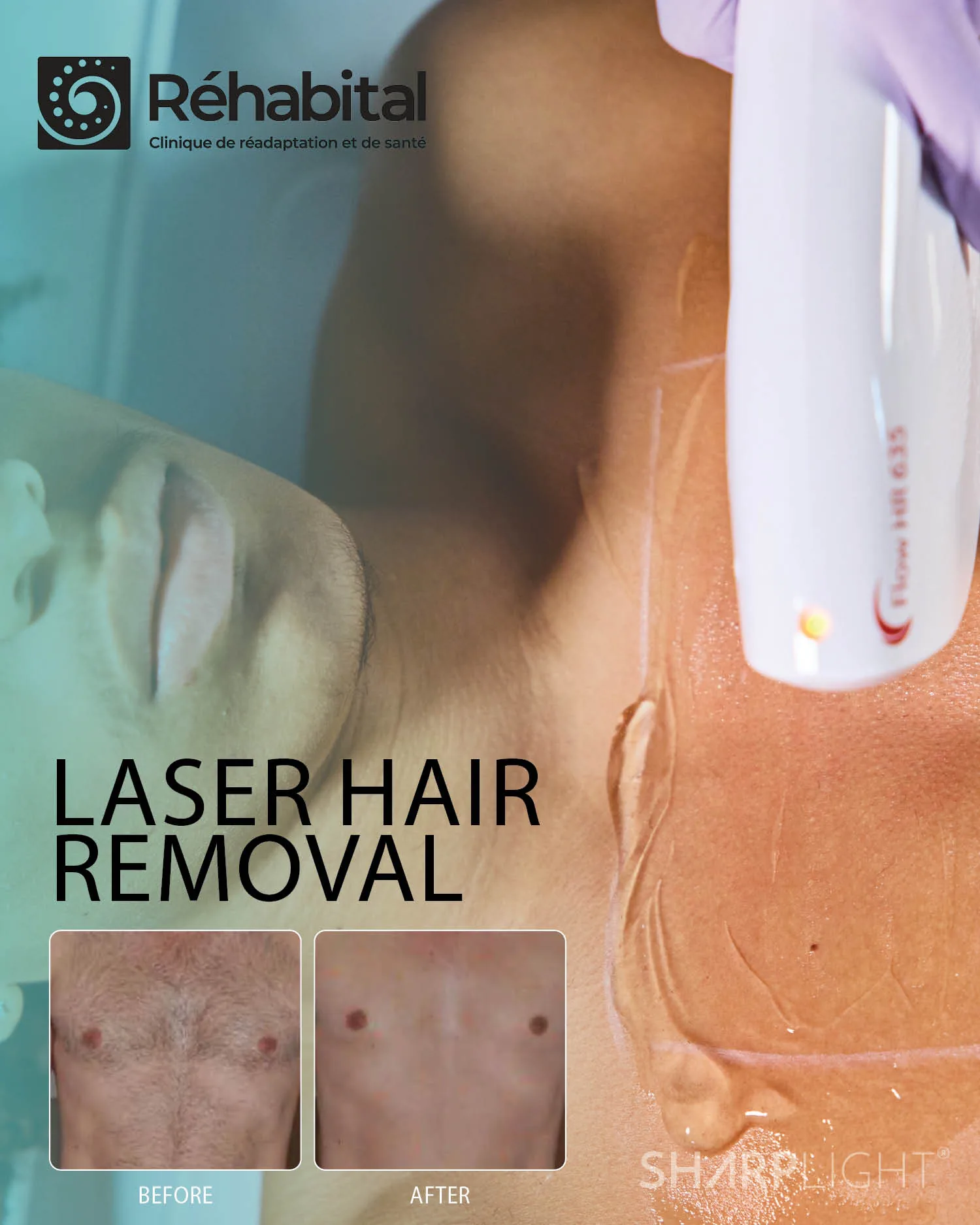
How Many Laser Hair Removal Sessions Are Needed for Optimal Results?
Discover why laser hair removal requires multiple spaced sessions, how the hair growth cycle affects results, and what to expect at Réhabital in Côte Saint-Luc.
How Many Laser Hair Removal Sessions Are Needed for Optimal Results?
Discover why laser hair removal requires multiple spaced sessions, how the hair growth cycle affects results, and what to expect at Réhabital in Côte Saint-Luc.
Why Does Hair Grow Back After One Laser Session?
It’s normal to see hair regrow after a single laser hair removal session. Réhabital explains the science of the hair cycle and why consistency matters.
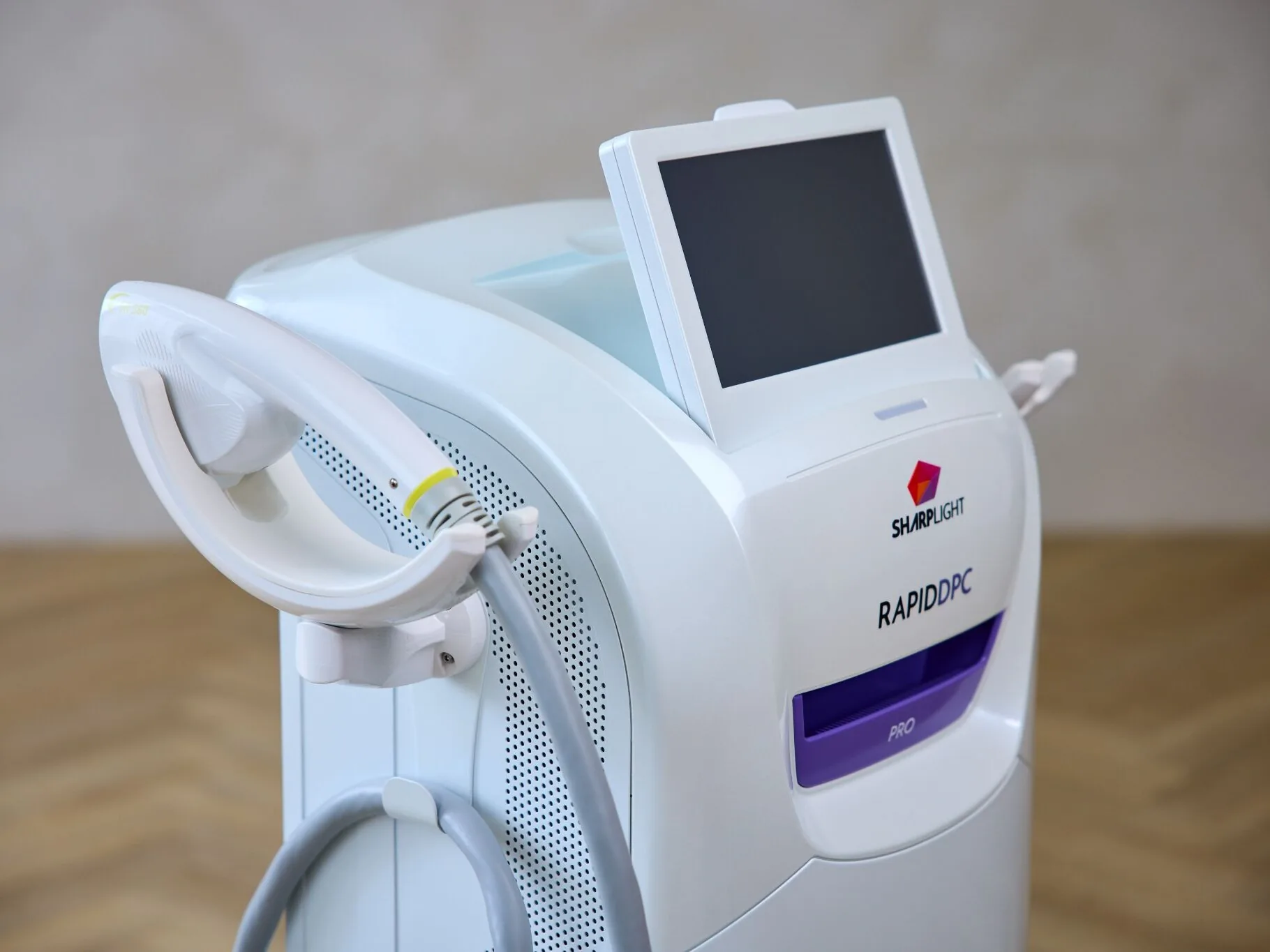
Laser Hair Removal Before Summer: When Should You Start Your Sessions?
Want smooth skin for summer without the constant hassle of shaving? Here is why winter and early spring are the best times to start your laser hair removal journey, and how to plan your sessions at Réhabital.
Is Laser Hair Removal Safe? Myths vs. Reality
Side effects, contraindications, SharpLight technology safety. Everything you need to know about laser hair removal safety in Montreal.
Laser Hair Removal Montreal: Complete Guide to Safe, Permanent Results
Everything about laser hair removal: how it works, session count, pain levels, costs and which skin types are best suited. Expert guide from our certified technicians.