
How Many Laser Hair Removal Sessions Are Needed for Optimal Results?
Discover why laser hair removal requires multiple spaced sessions, how the hair growth cycle affects results, and what to expect at Réhabital in Côte Saint-Luc.
Why Does Laser Hair Removal Require Multiple Sessions?
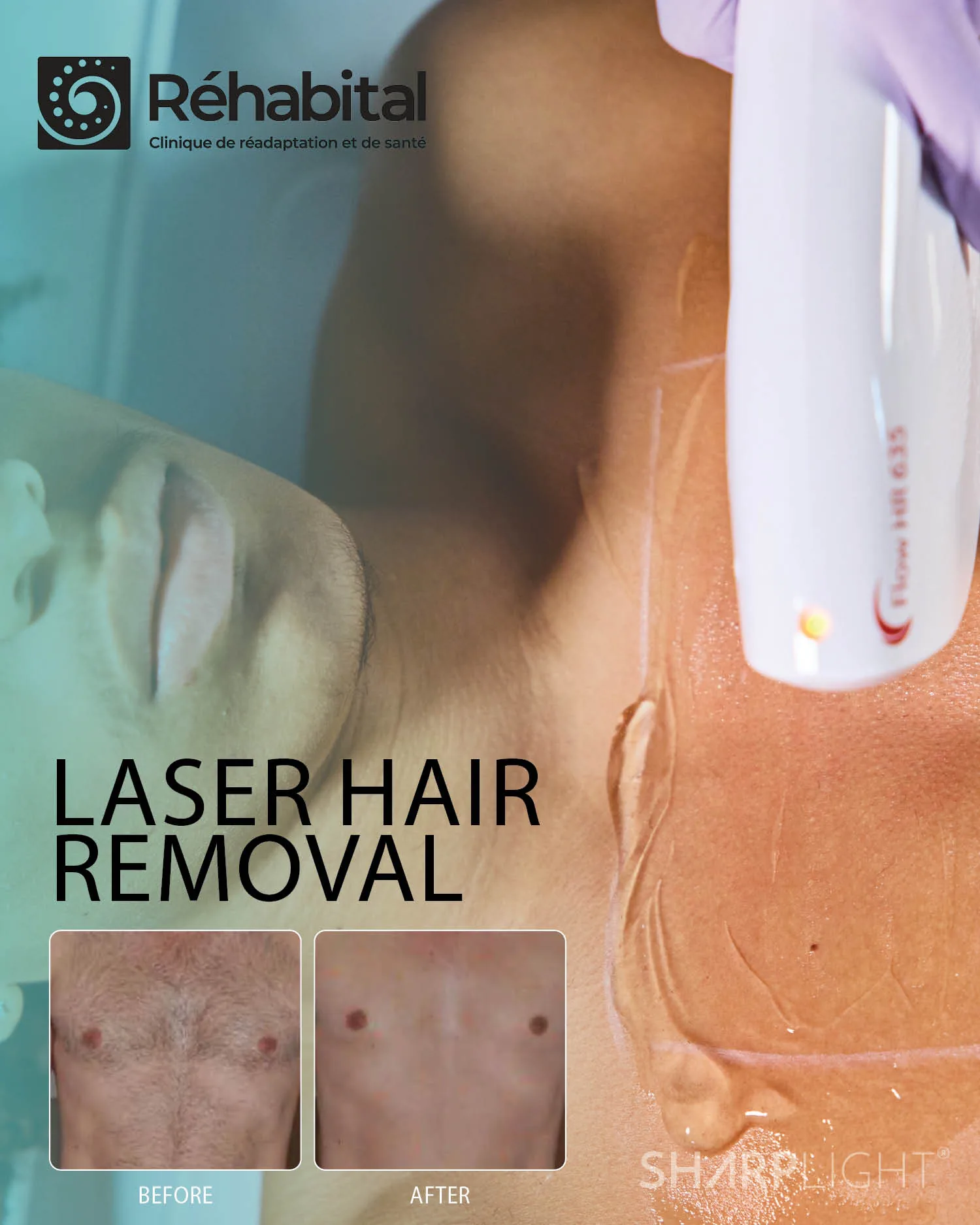
This is one of the most common questions our aestheticians, Liliana and Elena, hear at Réhabital in Côte Saint-Luc: « How many laser sessions will I actually need to see lasting results? » The short answer is that there is no universal number, but most clients complete between six and ten sessions spaced four to eight weeks apart. The long answer requires understanding how hair grows, how laser energy interacts with the follicle, and why patience and consistency are essential to achieving optimal outcomes.
Contrary to what many people assume, laser hair removal is not a one-time treatment. It relies on a fundamental biological principle: the hair growth cycle. Understanding this cycle helps explain why patience — and consistent appointment spacing — are the keys to success.
The Hair Growth Cycle: Anagen, Catagen, and Telogen
Every hair on the body moves through three distinct phases throughout its lifespan. The anagen phase is the active growth phase, during which the follicle is firmly anchored and well supplied by blood vessels. It is during this phase that the hair contains the most melanin, making it the ideal target for laser energy, since pigment absorbs light and transfers heat down to the follicle.
Next comes the catagen phase, a shorter transitional stage during which the follicle begins detaching from its blood supply. Finally, the telogen phase is a resting period during which the hair is no longer actively nourished and eventually sheds naturally.
The challenge for laser hair removal is that not all of your body’s hairs sit in the same phase at the same time. At any given moment, only a portion of your follicles — often between 20% and 30%, depending on the treatment area — are in active anagen phase. Hairs in the telogen or catagen phase are far less responsive to laser treatment because they lack the pigmentation and blood supply needed for the energy to be effectively absorbed.
That is why a single session, no matter how precise, can only target a fraction of your hair follicles. Subsequent sessions are strategically scheduled to intercept hairs that were previously dormant and have since entered their active growth phase.
Typical Session Timeline at Réhabital
At Réhabital, we use SharpLight DPC technology, which combines pulsed light and radiofrequency energy to effectively target hair follicles across a range of skin tones and hair colours. During your initial consultation, Liliana or Elena will assess your treatment area, hair density and colour, and your skin type according to the Fitzpatrick scale, in order to determine the optimal settings and the most appropriate treatment timeline.
Generally speaking, here is what you can expect:
- Face (upper lip, chin): sessions roughly every four weeks, since the hair cycle in this area is faster.
- Underarms: every four to six weeks.
- Arms and legs: every six to eight weeks, due to a longer growth cycle.
- Back and denser hair-growth areas: sometimes eight weeks or more between sessions.
This timeline is not arbitrary — it is directly tied to the length of the hair growth cycle specific to each body area. Treating too soon would mean targeting follicles that haven’t yet had time to re-enter the anagen phase, reducing treatment effectiveness. Treating too late could allow some hairs to complete a full cycle without ever being exposed to the laser during their active phase.
Factors That Influence the Total Number of Sessions
While the hair growth cycle is the primary factor determining session spacing, several other elements influence the total number of treatments needed to reach your goals:
Hair Colour and Texture
Dark, thick, coarse hair generally contains more melanin and responds more quickly to laser treatment. Fine, light, or peach-fuzz-type hair is naturally more difficult to target, since it contains less pigment to absorb the light energy. In these cases, a higher number of sessions may be needed, and results may progress more gradually.
Skin Type According to the Fitzpatrick Scale
The Fitzpatrick scale classifies skin types from I to VI based on their reaction to sun exposure and melanin content. This classification helps our aestheticians determine safe and effective energy settings for each client. While skin type does not necessarily extend the total number of sessions, it directly influences the intensity of treatment that can be safely applied at each appointment, which can indirectly affect the pace of progress.
The Treatment Area
Certain areas, such as the upper lip or underarms, tend to show faster results due to the nature of their hair growth cycle. Other areas, such as full legs, the back, or the bikini area, often have higher hair density and may require a longer series of sessions.
Hormonal Factors
Conditions such as polycystic ovary syndrome (PCOS), as well as hormonal changes related to pregnancy, menopause, or certain medications, can stimulate new hair growth. In these cases, additional sessions or ongoing maintenance treatments may be recommended.
What Happens If I Stop Treatment Too Early?
It is very tempting, after noticing a noticeable thinning of hair following three or four sessions, to want to stop treatment. However, this thinning often reflects only the follicles that were in the anagen phase during previous sessions. The remaining follicles, which were in a resting phase, will continue their normal cycle and eventually produce new visible hair.
Completing the full series recommended by your aesthetician allows for the interception of a maximum number of follicles across several complete cycles, leading to a more durable and uniform reduction across the entire treated area.
Maintenance Sessions: What to Expect Afterward
Even after completing a full series, it is normal for some fine or dormant hairs to reappear over time, particularly in areas sensitive to hormones such as the face or bikini area. This is why many of our clients at Réhabital choose to return for a maintenance session once or twice a year to preserve optimal results.
Laser hair removal should be understood as a long-term hair reduction method rather than a guaranteed permanent elimination. Results vary from person to person, and our team is committed to providing realistic expectations based on your individual profile.
Tips to Optimize Your Results Between Sessions
- Shave the treated area between sessions rather than waxing or plucking, to preserve the follicle for the next treatment.
- Avoid direct sun exposure and artificial tanning in the weeks before and after each session.
- Respect the recommended interval between appointments to maximize the effectiveness of each treatment.
- Communicate any hormonal or medication changes to your aesthetician, as this can influence your treatment plan.
Comparing Laser Hair Removal to Other Hair Removal Methods
Many of our clients arrive at the clinic after years of shaving, waxing, or using depilatory creams, looking for a more lasting solution. Unlike these temporary methods, which only act on the visible portion of the hair, laser hair removal directly targets the producing follicle, which explains why its effects persist well beyond a single shaving or waxing cycle. Shaving, for instance, must be repeated every few days, while waxing offers only a few weeks of relief before hair reappears at the surface. Laser hair removal, on the other hand, works progressively across multiple hair cycles to cumulatively reduce overall hair density.
Why Patience Pays Off Long-Term
It’s easy to compare the upfront cost of a laser session series to a monthly waxing subscription and conclude that traditional hair removal is more economical in the short term. However, over a period of several years, most clients find that investing in a complete laser series proves more advantageous, both financially and in terms of time spent on regular hair maintenance.
Preparing Your Skin Before Each Session
To maximize the effectiveness of each session and respect the recommended schedule, it’s important to arrive with clean, recently shaved skin, free of products such as scented lotions or self-tanner. Well-prepared skin allows laser energy to optimally reach the follicle without interference from surface residue.
The Role of Personalized Follow-Up
At each appointment, Liliana or Elena assess your treatment progress and adjust settings or the interval between sessions as needed. This personalized follow-up ensures your treatment plan remains adapted to the evolution of your skin and hair throughout the series, rather than following a generic, rigid schedule.
Approximate Number of Sessions by Treatment Area
While every treatment plan is personalized, here is a general overview of the number of sessions our clients typically complete depending on the treated area, for reference purposes only:
- Upper lip and chin: typically six to eight sessions, spaced about four weeks apart.
- Underarms: typically six to eight sessions, spaced four to six weeks apart.
- Classic or Brazilian bikini: typically seven to nine sessions, spaced five to seven weeks apart.
- Full arms: typically six to eight sessions, spaced six to eight weeks apart.
- Full legs: typically eight to ten sessions, spaced six to eight weeks apart, due to the larger surface area and hair density.
- Back and shoulders: typically eight to ten sessions, spaced six to eight weeks apart.
These figures represent averages observed in clinic rather than guarantees: hair colour, density, skin type, and individual hormonal factors can shift this number up or down. Liliana and Elena continually adjust your plan at each visit based on the progress observed.
Preparing Your Skin Before Each Session
Proper skin preparation directly contributes to the effectiveness and comfort of each treatment. Before your appointment, we recommend shaving the treatment area the night before or the morning of, rather than waxing or plucking, since the follicle must remain intact for the laser to target it. It is also important to avoid unprotected sun exposure or artificial tanning sessions in the two to four weeks leading up to treatment, since tanned skin increases the risk of an adverse reaction and can limit the intensity of the laser setting that can be safely applied. Arrive with clean skin as well, free of scented lotion, deodorant, makeup, or self-tanner on the treated area.
What to Do After Your Session
Post-treatment care is just as important as preparation. After each session, the skin may show slight redness or a warm sensation similar to a mild sunburn, which usually fades within a few hours. We recommend applying a soothing cream, avoiding very hot water, saunas, and intense exercise for twenty-four to forty-eight hours, and protecting the treated area from the sun with a broad-spectrum sunscreen for the entire duration of your treatment series. Avoiding scratching or rubbing the area, even if it itches slightly as treated hairs begin to shed, also promotes optimal healing and reduces the risk of irritation or pigmentation changes.
Common Myths About the Number of Sessions Needed
Several misconceptions circulate about laser hair removal, and they can create unrealistic expectations about how many sessions are required. Here are a few common myths our aestheticians take the time to debunk with every client:
Myth: One Session Is Enough for Completely Smooth Skin
As explained above, the hair growth cycle makes this biologically impossible. Even the most advanced technologies, such as SharpLight DPC, can only treat follicles that are currently in the anagen phase.
Myth: Spacing Sessions Further Apart Makes Results Last Longer
In reality, spacing sessions too far apart allows follicles to complete a full cycle without ever being exposed to the laser during their active phase, needlessly extending treatment rather than improving it.
Myth: The Number of Sessions Is the Same for Everyone
Every person has a unique hair and hormonal profile. The exact number of sessions varies depending on hair colour, density, skin type, and factors like PCOS, which is why a personalized consultation is essential.
Myth: Stopping After Seeing Good Results Doesn’t Change Anything Long-Term
Stopping prematurely often allows remaining dormant follicles to reactivate over time, which can make the treatment appear less effective than it actually was.
Frequently Asked Scheduling Questions
Our clients often ask specific questions about the logistics of their treatment series. For example, many wonder whether it’s possible to treat multiple body areas simultaneously within the same series. The answer is yes: many clients combine, for instance, the underarms and bikini area, or the legs and arms, into a single treatment plan, which often saves time while still respecting the spacing specific to each area. Others ask whether it’s necessary to restart the series from scratch after a long break, such as a move or a pregnancy; in most cases, a full restart is not necessary, but a reassessment of the area by your aesthetician is recommended before resuming the regular schedule.
Book Your Consultation in Côte Saint-Luc
Every laser hair removal journey is unique, and the best way to know exactly how many sessions you will need is to consult our team. Discover our laser hair removal services or explore our full range of laser treatments offered at the clinic. You can also learn more about our team and review our policies before your first appointment, easily booked through our Jane App system.
Frequently asked questions
Related articles
Laser Hair Removal Montreal: Complete Guide to Safe, Permanent Results
Everything about laser hair removal: how it works, session count, pain levels, costs and which skin types are best suited. Expert guide from our certified technicians.
Laser Hair Removal Before Summer: When Should You Start Your Sessions?
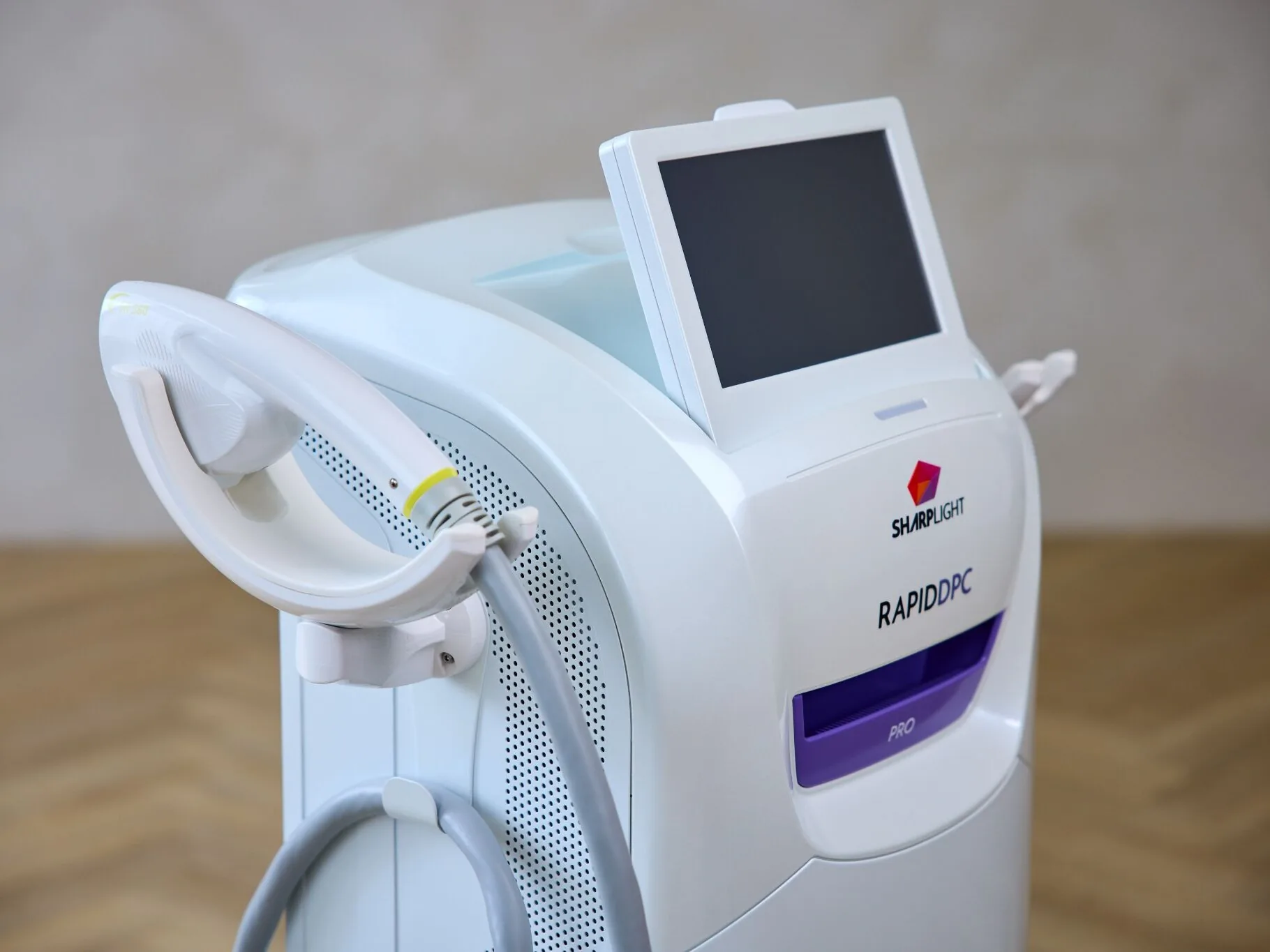
Want smooth skin for summer without the constant hassle of shaving? Here is why winter and early spring are the best times to start your laser hair removal journey, and how to plan your sessions at Réhabital.

Why Does Hair Grow Back After One Laser Session?
It’s normal to see hair regrow after a single laser hair removal session. Réhabital explains the science of the hair cycle and why consistency matters.
Laser Hair Removal by Skin and Hair Colour: Who Is a Good Candidate?
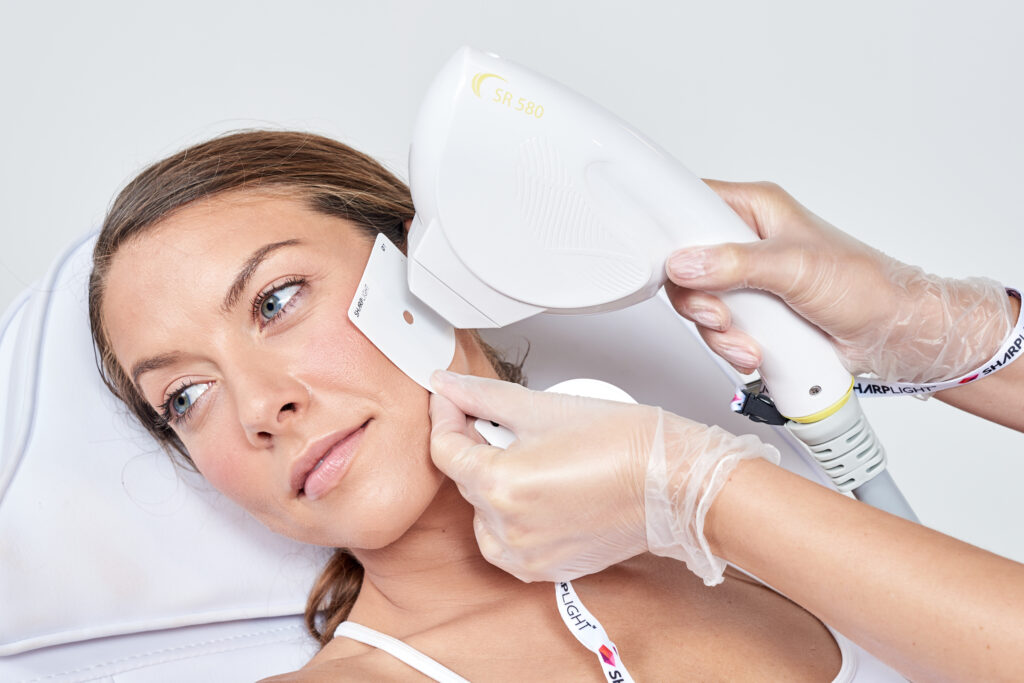
Skin and hair colour greatly influence laser hair removal results. Réhabital in Côte Saint-Luc explains the Fitzpatrick scale and how SharpLight DPC adapts to each profile.
Is Laser Hair Removal Safe? Myths vs. Reality
Side effects, contraindications, SharpLight technology safety. Everything you need to know about laser hair removal safety in Montreal.

How Many Osteopathy Sessions Do You Need? (What to Expect)
Learn how many osteopathy sessions you need based on your condition and what to expect at your first appointment in Côte Saint-Luc.