
Therapeutic Massage or Relaxation Massage: Which One Should You Book?
Unsure whether to book a therapeutic massage or a relaxation massage? Discover the key differences and how to choose the right type of massage for your needs in Côte Saint-Luc.
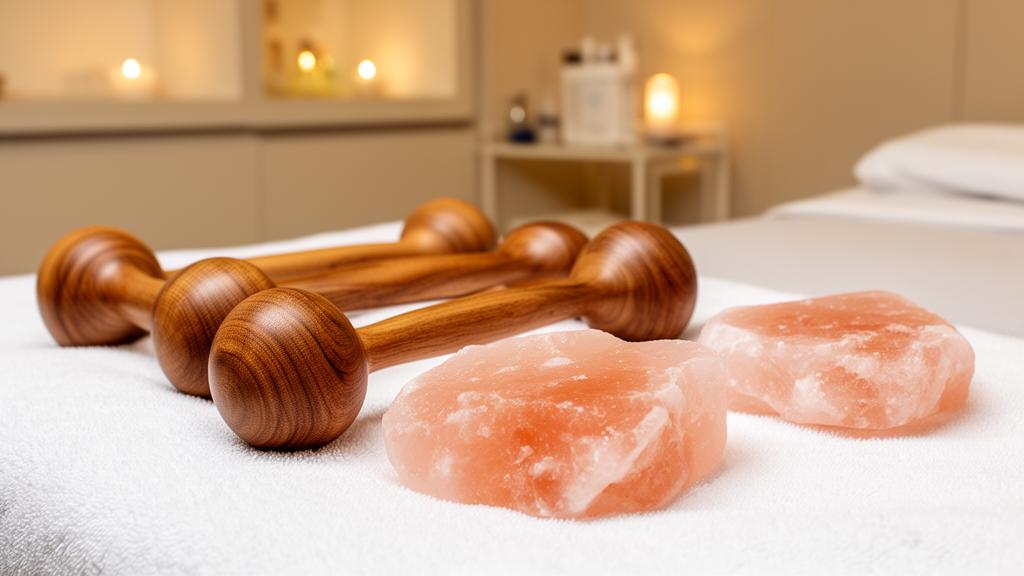
Booking a massage should be simple, but with so many options available, it is easy to feel overwhelmed. Should you choose a therapeutic massage or a relaxation massage? The answer depends entirely on your current needs, and at Clinique Réhabital in Côte Saint-Luc, our team of qualified massage therapists can help you make the right choice.
In this article, we explore the fundamental differences between these two approaches and give you practical tips for booking the ideal session.
What Is Therapeutic Massage?
Therapeutic massage is a targeted approach designed to treat specific musculoskeletal issues: chronic muscle tension, postural pain, recovery after an injury, or stiffness related to work or sports. The massage therapist first assesses your condition, then uses firmer, more precise techniques, such as deep tissue massage, to release deep-seated tension.
This type of massage is often recommended as a complement to a physiotherapy or osteopathy treatment plan, as it helps prepare soft tissue for other interventions or speeds up recovery between sessions.
What Is Relaxation Massage?
Relaxation massage, with Swedish massage as the most classic example, uses long, flowing, rhythmic movements to soothe the nervous system, reduce stress, and improve blood circulation. While it does not target specific pain, it offers real physiological benefits: reduced cortisol, improved sleep, and an overall sense of well-being.
How to Choose Between the Two?
Choose Therapeutic Massage If:
- You have persistent or recurring muscle pain
- You are recovering from an injury or surgery
- You feel tension related to poor work posture
- You are following a physiotherapy or osteopathy treatment plan
- You practice intense sport and want to prevent injuries
Choose Relaxation Massage If:
- You are looking to reduce stress and anxiety
- You simply want a moment of relaxation for yourself
- You do not have a specific pain to treat
- You want to improve your sleep quality
Can You Combine Both Approaches?
Absolutely. Many clients book a therapeutic massage when they feel specific tension, then alternate with relaxation sessions for general wellness maintenance. Our team can advise you on the ideal frequency based on your personal goals.
Deep Tissue Massage: A Variant of Therapeutic Massage
Deep tissue massage is an intense technique that targets the deepest muscle layers, often used to treat chronic tension or tissue adhesions. It is more intense than a standard therapeutic massage and is not recommended for those seeking a purely relaxing experience.
Swedish Massage: The Gold Standard for Relaxation
Swedish massage remains the gold standard technique for relaxation. With its gentle, enveloping movements, it is perfect for those looking to release the week's accumulated stress without experiencing discomfort during the session.
In-Depth Therapeutic Massage
For those looking for a middle ground between therapeutic and relaxation, our therapeutic massage service offers a personalized approach that adapts to your precise needs at each visit.
What to Expect During Your Visit
No matter which type of massage you choose, your massage therapist will take the time to discuss your needs, health history, and goals before starting the session. You will always be properly draped and can communicate your comfort level at any time during the treatment.
Insurance and Policies
Massage therapy performed by a licensed therapist is covered by most private insurance plans and is also eligible for SAAQ claims. CNESST claims are not accepted at our clinic. Check our policies page for our 24-hour cancellation policy.
What Happens in Your Tissue During a Massage
Physiologically, massage acts on several systems at once. Manual pressure stimulates blood and lymphatic circulation, which helps flush out metabolic waste accumulated in tense muscles. It also activates mechanoreceptors in the skin and muscles, sending signals to the nervous system that promote muscle relaxation and reduce pain perception. In therapeutic massage, the massage therapist specifically targets tension points (often called "trigger points") and tissue adhesions that limit normal gliding between muscle layers.
What a Typical Session at Réhabital Looks Like
Your appointment always begins with a short discussion about your needs for the day, your areas of tension, and relevant health history. The massage therapist then adapts the pressure, rhythm, and techniques used based on your real-time feedback. For a therapeutic massage, expect the practitioner to spend more time on identified problem areas, sometimes using techniques like myofascial release or trigger point work. For a relaxation massage, movements will be more general, flowing, and enveloping over the entire body.
Self-Care Tips Before and After Your Massage
- Avoid a heavy meal right before your appointment for greater comfort
- Drink water before and after your session to promote toxin elimination
- Avoid alcohol and intense physical activity on the same day as your therapeutic massage
- Take time to gently stretch in the hours following your session
- Communicate any discomfort to your massage therapist during treatment
How Often Should You Book a Massage?
For general wellness maintenance, a relaxation massage every four to six weeks is often sufficient. For chronic muscle tension or active recovery, a therapeutic massage every one to two weeks for a few months can yield better results, before spacing out sessions once your condition stabilizes.
When Massage Alone Is Not Enough
If your pain persists despite several massage sessions, or is accompanied by numbness, muscle weakness, or radiating pain, it is time to see a professional for a more thorough assessment, such as a physiotherapist or osteopath. Massage alone cannot correct deep postural imbalances or significant joint restrictions.
A Trusted Service in Côte Saint-Luc and Beyond
Our clients come not only from Côte Saint-Luc, but also from Hampstead, Westmount, Snowdon, NDG, and Montréal-Ouest. Many combine their massage therapy appointments with other services offered at the clinic for a holistic approach to health, tailored to a lifestyle often busy between work and family.
What a First Massage Therapy Assessment Reveals
During your first visit, the massage therapist evaluates your posture, range of motion, and areas of tension before recommending the frequency and type of massage best suited to your current situation. This baseline assessment also helps track your progress over subsequent visits, especially if you are addressing a specific chronic issue rather than seeking pure relaxation.
Booking Tips for Repeat Clients
Many long-term clients find it helpful to book their next appointment before leaving the clinic, especially if they are following a recommended frequency for chronic tension management, since our schedule fills up quickly during busy periods.
Combining Massage With Your Overall Wellness Plan
Massage therapy works well alongside other lifestyle habits that support musculoskeletal health, such as regular movement breaks during the workday, adequate hydration, quality sleep, and stress management techniques. Our team at Réhabital often discusses these complementary habits during your session to help you extend the benefits of your massage well beyond the treatment table.
Massage and Mental Health
Beyond the physical benefits, many clients report a noticeable improvement in mood and anxiety levels after a massage session, whether therapeutic or relaxation-focused. Caring human touch, combined with a moment dedicated solely to yourself without distractions, has a soothing effect that pairs well with other stress management approaches like exercise or meditation.
Choosing the Right Session Length
Réhabital offers massage sessions in various lengths, typically 30, 45, 60, or 90 minutes. A shorter session can be effective for targeting one specific area of tension, such as the neck and shoulders, while a full 60- or 90-minute session allows for a more thorough, full-body treatment. Your massage therapist can recommend the ideal length based on your goals and the areas you want addressed.
Signs You May Need a Therapeutic Massage Soon
Certain signals from your body indicate it may be time to book a therapeutic massage rather than wait: frequent headaches linked to tension in the neck and shoulders, stiffness upon waking despite a good night's sleep, pain that consistently returns to the same area after a long day, or difficulty turning your head fully to one side. Ignoring these signals for too long can lead to postural compensations that worsen the initial problem.
Training and Expertise of Réhabital Massage Therapists
Our massage therapists hold recognized massage therapy training and pursue ongoing education to master a range of techniques, from classic Swedish massage to more specialized approaches like lymphatic drainage or myofascial release. This expertise allows them to precisely tailor the technique and pressure to your specific needs, whether for relaxation or the treatment of a musculoskeletal condition.
The Proven Physiological Benefits of Massage
Scientific research confirms several measurable benefits of massage: reduced cortisol (the stress hormone), lower resting heart rate, improved heart rate variability (an indicator of autonomic nervous system health), and increased local blood circulation in treated tissue. These effects explain why even a purely relaxing massage can have a lasting positive impact on your overall health, beyond the simple comfort felt during the session.
Special Cases: Prenatal and Sports Massage
For pregnant clients, a properly adapted prenatal massage can relieve the low back tension and heavy legs common during pregnancy, with positioning and pressure safely adjusted. For athletes, a targeted sports massage before or after competition can help prepare muscles for effort or speed up recovery, depending on the timing within the training cycle.
Book Your Massage Today
Whether you need to relieve specific pain or simply want to treat yourself to some well-deserved relaxation, our team in Côte Saint-Luc is here to help. Book your session online now through our Jane App system and discover why so many clients trust us for their well-being. Also explore our blog for more health and wellness tips.
This article is provided for informational purposes only and does not replace a professional assessment. Please consult a qualified massage therapist to determine the treatment best suited to your condition.
Frequently asked questions
Related conditions we treat
Related articles
Muscle Knots and Cramps: Which Massage Type Actually Relieves Each Symptom?
A complete guide to muscle knots, trigger points and cramps: why they form, which massage types relieve them, and when to see a therapist in Côte Saint-Luc.
Swedish Massage & Heated Himalayan Pink Salt Massage: Relaxation Meets Healing
Discover the benefits of classic Swedish massage and heated Himalayan pink salt therapeutic massage — two complementary approaches for your well-being.
Every Type of Massage Therapy We Offer in Côte Saint-Luc — and Who Each One Is Really For
A complete guide to the 10 massage therapy modalities offered at Réhabital in Côte Saint-Luc: therapeutic, Swedish, deep tissue, prenatal, hot stone, Himalayan salt, lymphatic drainage, reflexology, belly massage and Ayurvedic. Who is each one really right for?
Therapeutic Massage in Côte Saint-Luc: Relieve Pain, Tension and Stress
Discover how therapeutic massage at Réhabital Clinic relieves muscle pain, improves circulation and restores your body's balance.
Benefits of Massage Therapy for Stress and Anxiety Relief
How massage therapy reduces cortisol, improves sleep and relieves anxiety. Recommended massage types in Côte Saint-Luc.
The Complete Guide to Swedish Massage: Unwind and Recharge at Réhabital in Côte Saint-Luc
Discover the soothing world of Swedish Massage at Réhabital in Côte Saint-Luc. This comprehensive guide covers everything from its origins and techniques to its numerous health benefits and what to expect during your session.