
Spider Veins or Varicose Veins: What to Check Before Light Treatment
Visible vessels: spider versus varicose veins, urgent signs, SharpLight limitations and targeted treatment fees in Côte Saint-Luc, Montréal.
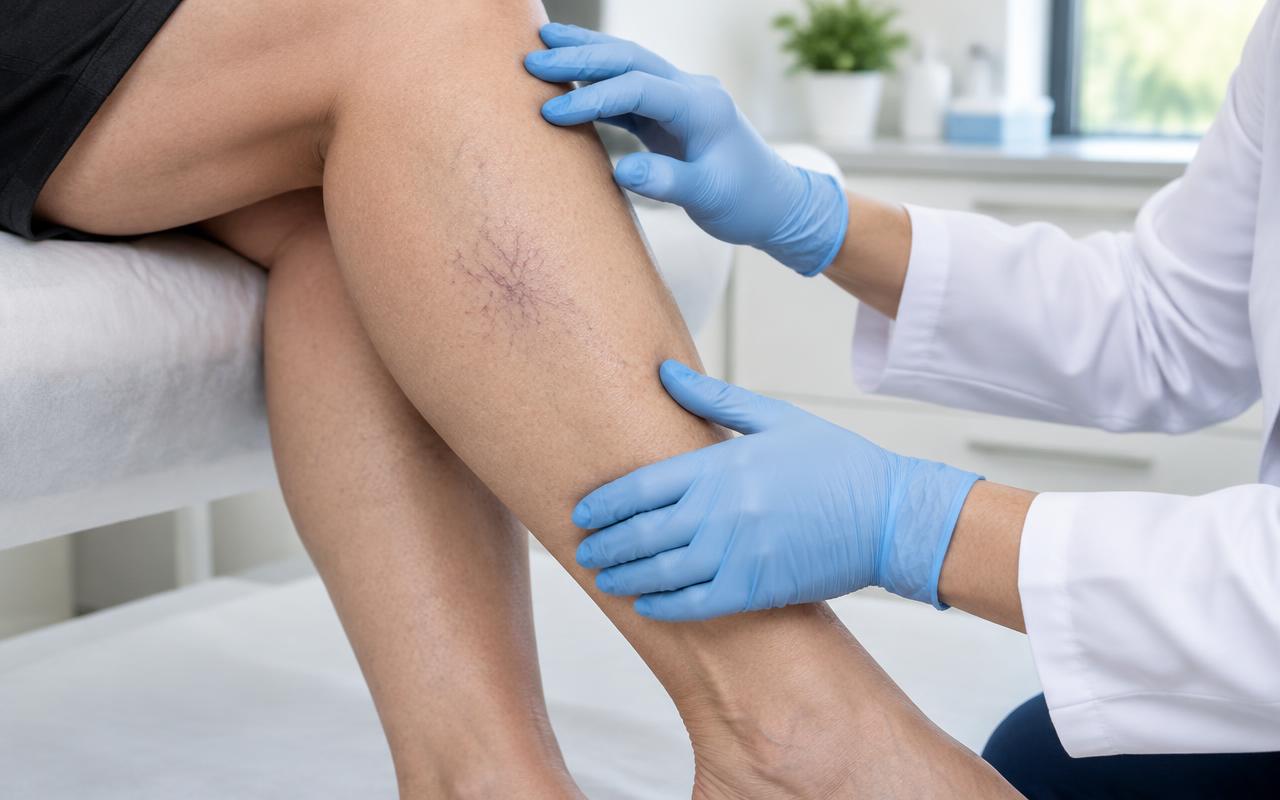
Direct answer: do spider veins and varicose veins need the same treatment?
No. Spider veins are small vessels visible near the skin surface. Varicose veins are larger, often raised and twisted. Facial redness may involve yet another condition. Before choosing a light-based procedure, distinguish a cosmetic concern from a circulatory symptom and decide whether medical assessment should come first. A photograph alone cannot make that decision reliably.
Our spider veins condition page introduces small visible vessels at Réhabital in Côte Saint-Luc, on the Island of Montréal. This guide helps you prepare for an assessment, understand treatment limitations, and recognize signs that should not wait for a cosmetic appointment. It is educational information rather than a diagnosis or a promise that every visible vein can be treated at the clinic.
Three appearances that mean different things
Telangiectasias, commonly called spider veins, are fine red, purple or bluish vessels. They may appear on the legs or face. Reticular veins tend to be larger and visible beneath the skin. Varicose veins may form raised contours and be associated with heaviness or other symptoms. These terms describe different patterns, not simply different shades of the same cosmetic problem.
Location, vessel size, symptoms, progression and clinical examination all matter. Red skin does not automatically mean that a particular vessel needs treatment. Inflammation, irritation or an unexplained lesion requires another line of assessment. Describing what you have noticed is useful, but selecting your own diagnosis can lead to an unsuitable procedure. A clear explanation of the suspected target should precede any discussion about equipment or packages.
Why vessels may become more visible
Family history, age, pregnancy and long periods of standing or sitting can contribute to visible leg veins. The American Academy of Dermatology explains that venous circulation and valve function can play a role. Sun exposure, hormonal changes or injury may also be associated with some spider veins. More than one factor is often involved, and the same appearance can arise in different contexts.
You have not necessarily caused the problem through one habit. Understanding the background is more helpful than looking for blame. Mention recent changes, your work, pregnancies, previous procedures and family history. For facial vessels, also discuss flushing, irritating products and sun exposure. That information allows an assessment to consider the overall pattern instead of focusing only on one small visible detail that bothers you in a mirror.
On the legs, symptoms matter as much as appearance
A small stable painless area may mainly be a cosmetic concern. Persistent heaviness, ankle swelling, significant itching, brown skin changes or a wound that does not heal deserve medical discussion. A healthcare professional can investigate venous disease and decide whether additional examination is useful. Light applied to the surface does not replace that process or address every potential cause of the symptoms.
A raised varicose vein should not automatically be included in a small-capillary package. Medical assessment may lead to appropriate care, sometimes including a venous ultrasound. Not every spider-vein network needs imaging, but symptoms change the decision. A responsible clinic should be able to explain why it recommends treatment, postpones a procedure, or suggests another professional rather than treating all visible vessels as equivalent cosmetic targets.
Urgent signs: do not massage a suspicious calf
New calf pain, especially with swelling in one leg, warmth or a colour change, requires prompt medical assessment to consider a blood clot among other causes. The NHS explains that deep vein thrombosis cannot be recognized solely by the appearance of surface veins. Do not request deep massage to improve circulation in a leg that has suddenly become painful and swollen.
If these symptoms occur with shortness of breath, chest pain or feeling severely unwell, call emergency services. Significant bleeding from a vein or a concerning wound also needs medical attention rather than a cosmetic appointment. Small-vessel procedures are planned care; a possible acute circulatory problem has a different priority. The absence of a large visible varicose vein does not rule out a deeper problem that needs timely investigation.
Facial vessels, rosacea and irritation
Small vessels around the nose or cheeks may accompany rosacea, but an aesthetic consultation does not replace its diagnosis. Persistent redness, inflammatory spots, burning or eye symptoms should be discussed with a medical professional. Our rosacea and facial redness page distinguishes comfort-oriented skincare from situations requiring dermatological care. A visible vessel is only one part of that wider picture.
Targeting vessels does not automatically remove every contributor to flushing. Gentle skincare and sun protection may complement suitable care without being a cure. If multiple products have irritated your skin or you recently had sunburn, adding a procedure may be inappropriate. The current condition of the skin matters more than a schedule set around an event. A quieter-looking complexion is not the same as control of an inflammatory condition.
Intense pulsed light and laser are not identical
A laser uses light with particular characteristics; intense pulsed light uses a filtered spectrum. Réhabital groups SharpLight applications on its laser and light treatments page, but that does not mean every handpiece suits every vessel. Selection depends on the target, skin characteristics, depth and the applicable protocol. Broad language about a platform should not replace a specific explanation of what is being proposed.
Light energy can target blood components in selected small vessels. That mechanism does not guarantee complete clearance. A skin-focused device does not correct deep venous insufficiency. The difference between a fine facial vessel and a larger leg vein is precisely why assessment should come before choosing a technology. Ask what the treatment is intended to change and what it cannot reasonably address in your case.
When sclerotherapy or other medical care may be more suitable
The American Academy of Dermatology describes sclerotherapy as a commonly used option for leg veins. It involves injection into the vessel within an appropriate medical setting. Other medical procedures address larger veins. An external procedure without injections is not necessarily the best choice for every visible network. The relevant comparison is between indications and expected benefits, not only whether needles are involved.
Réhabital does not present sclerotherapy or deep-vein interventions as services it provides. When that expertise is needed, the useful next step is medical referral. Compare approaches by what they treat, their limitations and their risks rather than price alone. An honest recommendation may be not to perform an aesthetic procedure at the clinic. A referral is a positive safety decision, not evidence that an assessment has been wasted.
What to discuss with Liliana before a SharpLight procedure
Liliana Ciocoi, a SharpLight-certified laser technician, is part of the team assessing aesthetic applications of the technology. Discuss the area, your goals, changes over time, symptoms, previous procedures and medical history. Mention medications, recent tanning and past skin reactions. This background can change whether treatment is appropriate and which precautions must be considered before proceeding.
An aesthetic assessment is not an ultrasound and cannot independently rule out deep venous disease. Medical signs require suitable evaluation before a cosmetic procedure. For an eligible target, the practitioner can explain the protocol, precautions and whether a small test area is appropriate. Never stop a prescribed medication without consulting its prescriber. Bringing an accurate medication list is more helpful than trying to adjust treatment on your own before an appointment.
Skin tone, sun exposure and safety
Skin pigmentation influences how light is absorbed and may affect the risk of an unwanted reaction. Recent tanning, an active skin lesion or some medications can change eligibility. A general claim about all skin types does not replace assessment for the exact protocol being considered. A person may be suitable for one application of a platform and unsuitable for another. Safety decisions must reflect that distinction.
Discuss burns, temporary or persistent pigmentation changes, redness and other potential reactions. Pregnancy or breastfeeding should be disclosed so timing can be considered within the relevant precautions. Instructions should be understandable and specific to your circumstances. A brand reputation, a before-and-after photograph or someone else’s positive experience does not establish that the same procedure is appropriate for your skin and treatment target.
Results, repeat sessions and recurrence
Improvement may be gradual and more than one session may be proposed for a suitable target. Facial and leg vessels do not always respond in the same way. A treated vessel may temporarily look more visible or the skin may react before possible fading. The extent of improvement, timing and required number of sessions should not be guaranteed without individual assessment and follow-up.
Even when treated vessels fade, new ones can appear over time. Treatment does not remove family predisposition or every circulatory factor. Ask how results will be judged, when comparable photographs will be useful and when the plan would be stopped or changed. Lack of progress should prompt reconsideration of the indication instead of automatic additional sessions. A useful plan includes a reason to reassess, not only a schedule to keep purchasing procedures.
What home care can realistically do
Moving regularly and interrupting prolonged immobility may support comfort and circulation. Elevating the legs may help some people. Compression stockings should be selected with professional guidance when indicated; they do not make every visible vessel disappear. Arterial disease or other medical conditions can require additional precautions. Buying the strongest compression available without advice is not a substitute for understanding why your legs feel uncomfortable.
Moisturizer or a facial may improve skin comfort but does not close a dilated vein. Massage should not be sold as spider-vein removal and is inappropriate on a leg with possible thrombosis. Useful habits complement assessment; they are not a reason to delay medical advice when a new symptom develops. If someone promises that a cream, supplement or massage will erase all vessels, ask what evidence supports that specific claim.
After a procedure, follow your own instructions
Advice varies with the area and technology. Sun protection, avoiding friction and temporarily limiting particular heat exposures may be included. Ask when you can resume your activities, which products to use and which reactions are expected. Do not automatically apply instructions from a facial to a vascular procedure on the legs. Written guidance should also explain whom to contact if something does not seem right during recovery.
Significant pain, blisters, a worsening reaction or signs of infection should not be ignored. Contact the clinic and seek medical attention according to severity. A reaction is not automatically normal just because it followed a procedure. Keep the written instructions and take a photograph if it helps describe a change, but do not rely on an online opinion as the sole basis for a medical decision.
Costs and preparing for an appointment
Check the complete Réhabital price list. Targeted broken-capillary treatment is listed at $59 for a 15-minute session, before applicable taxes. This targeted fee is not a quote to treat all spider veins on a leg or to treat varicose veins. The extent of the area, suitability and proposed plan must be clarified before booking a series of appointments.
These aesthetic treatments are not covered by insurance. Réhabital is at D4-5800 Cavendish Boulevard, Cavendish Mall, Côte Saint-Luc, on the Island of Montréal, with ground-floor access and free parking. Book through Jane App or call 438-842-3550. Explain whether your concern is appearance alone or includes symptoms so the appropriate next step can be identified before a procedure is arranged.
Sources and the limits of this guide
The American Academy of Dermatology guide to spider and varicose veins describes distinctions and medical treatment options. The NHS deep vein thrombosis guide explains warning signs. These sources do not validate every clinic device or procedure, and they do not replace an assessment of your symptoms.
For related information about light-based skin applications, read our SharpLight skin rejuvenation article. The best decision begins with the correct indication: recognize a suitable small cosmetic target, explain the limits honestly, and avoid delaying medical care when the visible appearance may be part of a different problem. You should leave an assessment understanding both the potential benefit and the reason a referral may be safer.
Frequently asked questions
Related articles
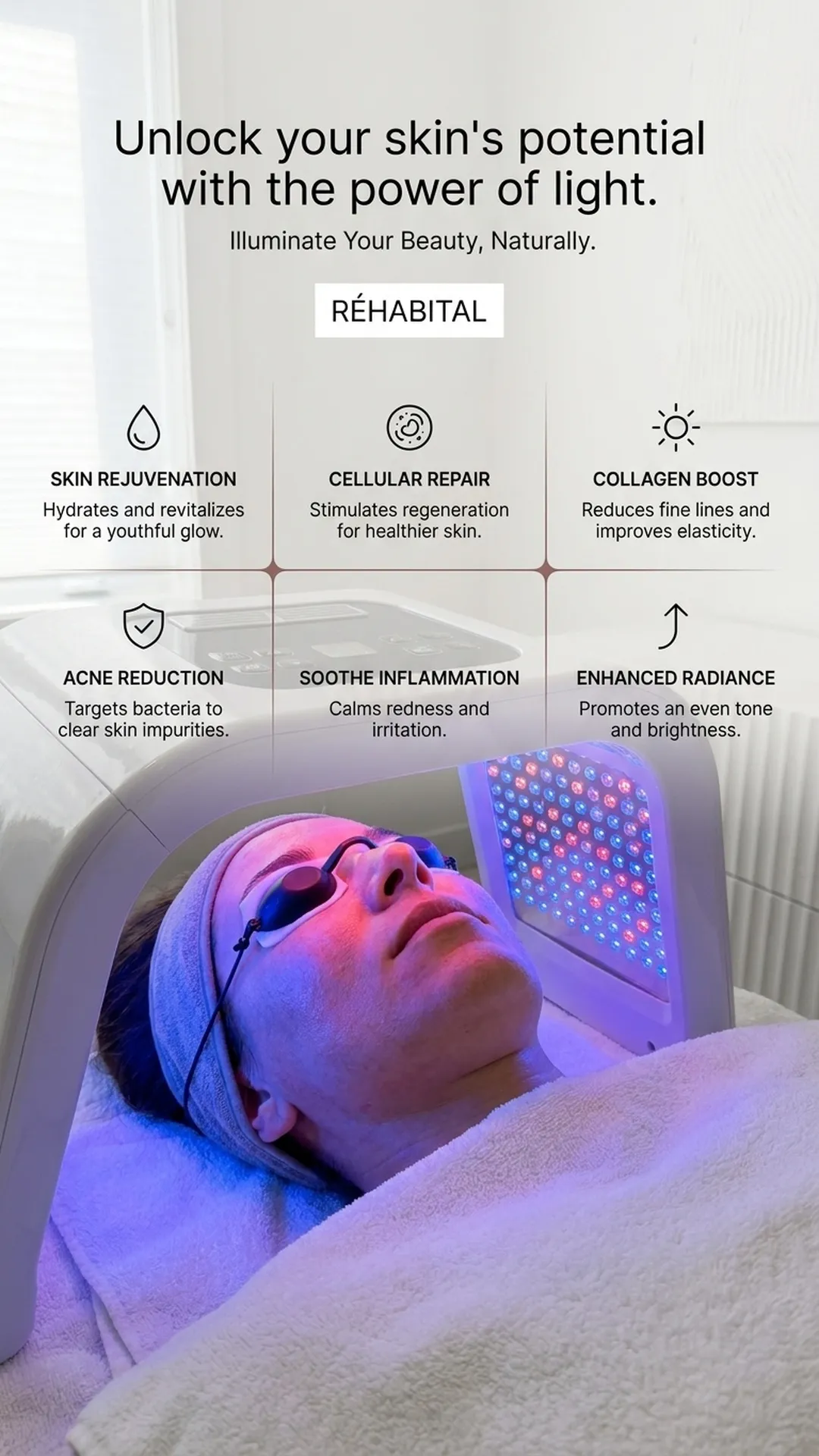
LED Light Therapy: unlock your skin's potential with the power of light in Côte Saint-Luc
How LED light therapy — red, blue and near-infrared — boosts collagen, calms acne and brightens the skin, integrated into every clinical facial at Réhabital.
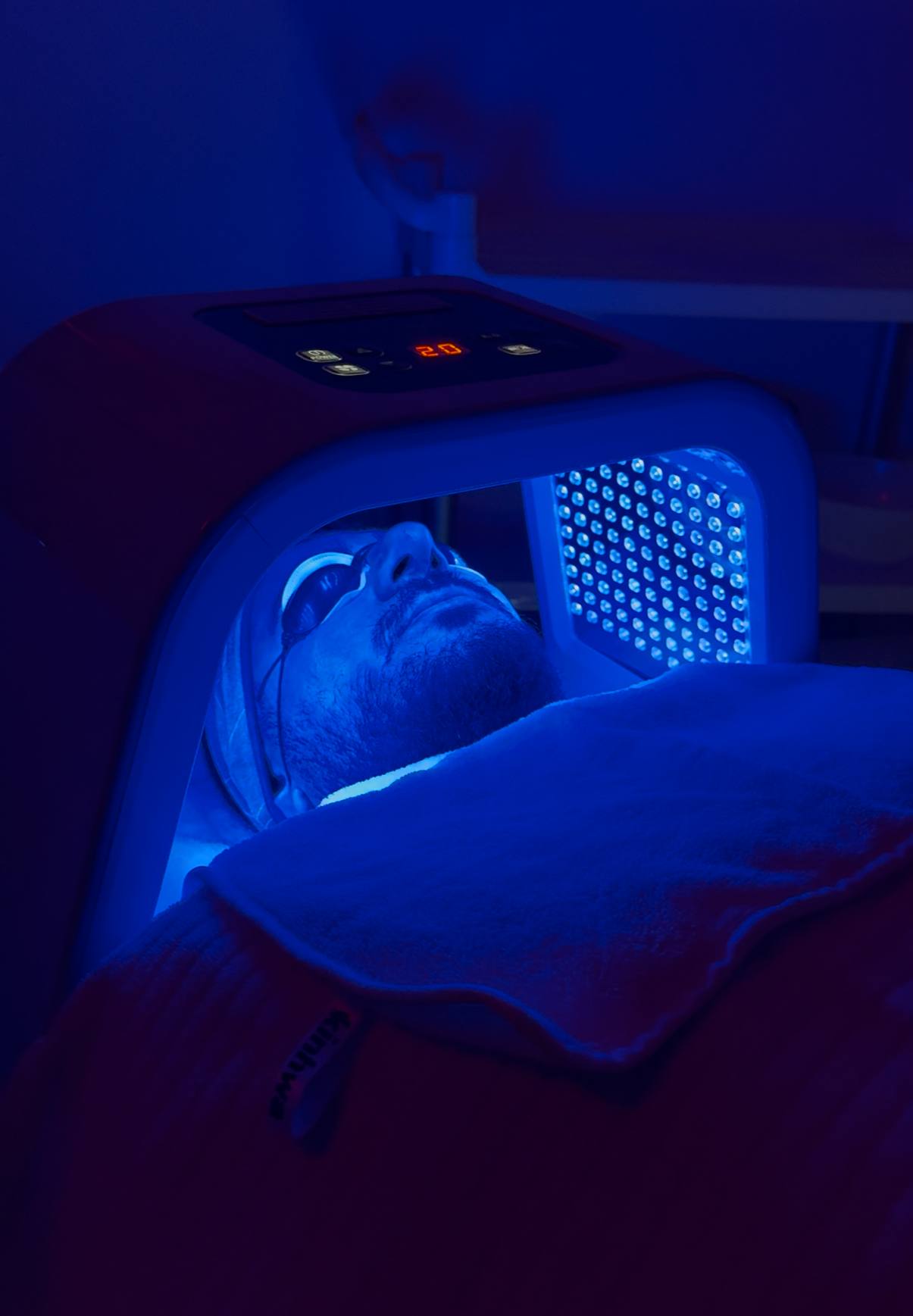
LED Light Therapy: A Complete Guide to Colors and Their Benefits
Discover how LED light therapy — red, blue, yellow, green and infrared — works on your skin to treat acne, wrinkles, rosacea and stimulate cellular regeneration.
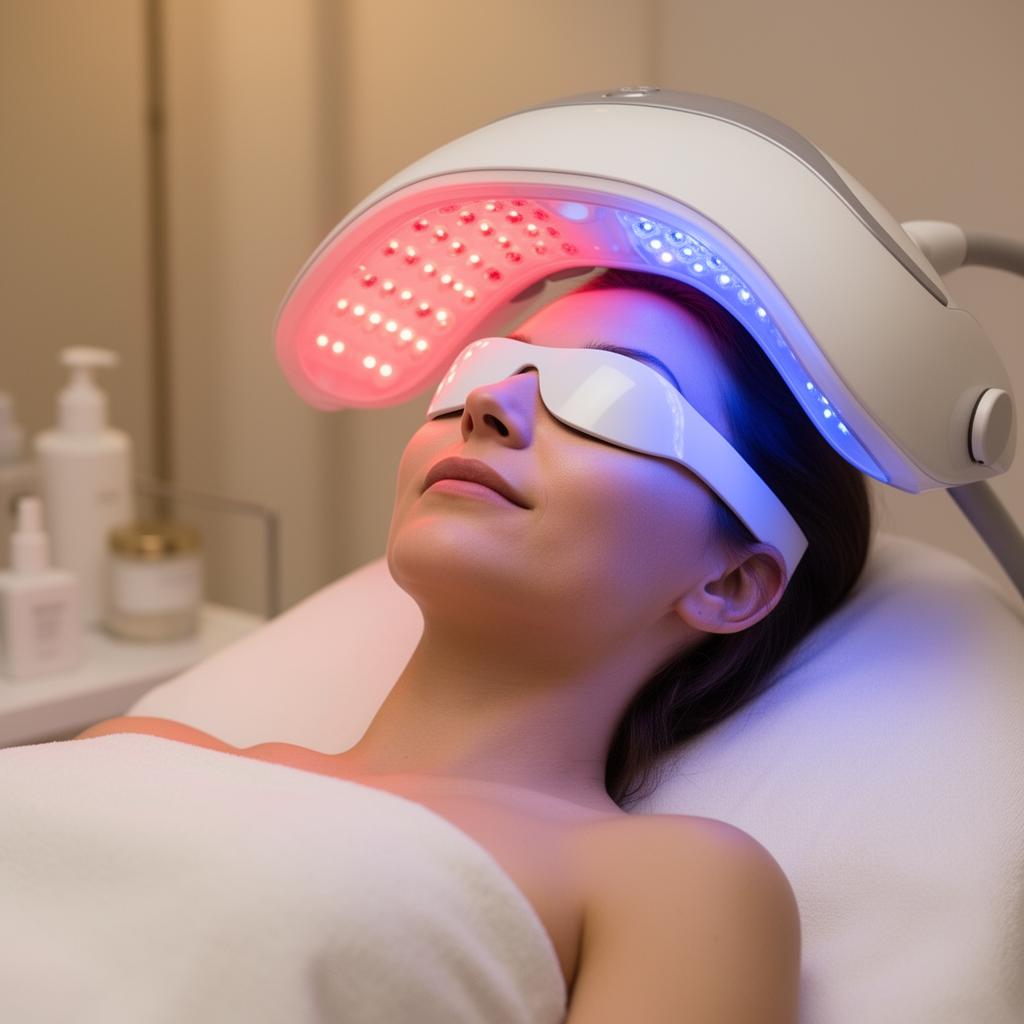
LED Light Therapy: Benefits & Colors Explained (Add-On Guide) — Côte Saint-Luc, Montreal
A complete guide to LED light therapy as a facial add-on at Réhabital — how red, blue, near-infrared, yellow and green light wavelengths heal acne, boost collagen, calm redness and accelerate post-treatment recovery.

Facial Before a Wedding or Big Event: How Many Days Ahead?
Want to glow on the big day? Discover the ideal timeline for booking facials before a wedding, prom, or major event, and avoid last-minute skin mistakes.
Facial Rejuvenation: How the Réhabital Facial Protocol Works
Dermalogica facials, SharpLight photofacial, microneedling, mesotherapy and peels: how we build a realistic facial rejuvenation plan in Côte Saint-Luc, with transparent pricing.
Special Cleansing Gel and Post Extraction Solution: the Dermalogica Pro duo that transforms a facial in Côte Saint-Luc
Why Dermalogica Pro Special Cleansing Gel and Post Extraction Solution are at the heart of every clinical facial at Réhabital — for clear, calm, glowing skin.