
Therapeutic Massage: Types, Benefits and Who It Helps
Deep tissue, Swedish, sports, prenatal or lymphatic drainage: how therapeutic massages differ, what the evidence supports, and how to choose at Réhabital in Côte Saint-Luc.
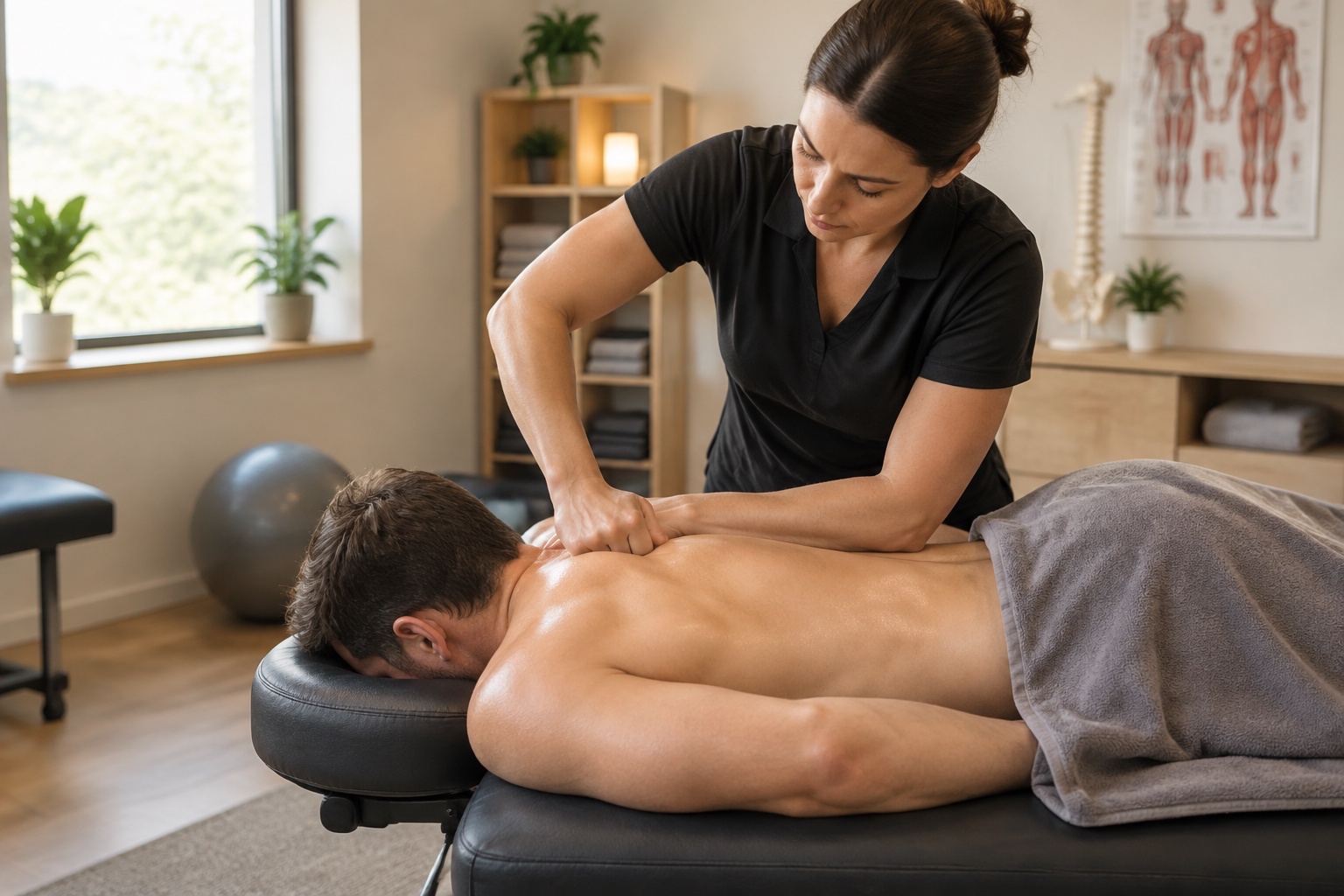
What makes a massage “therapeutic”?
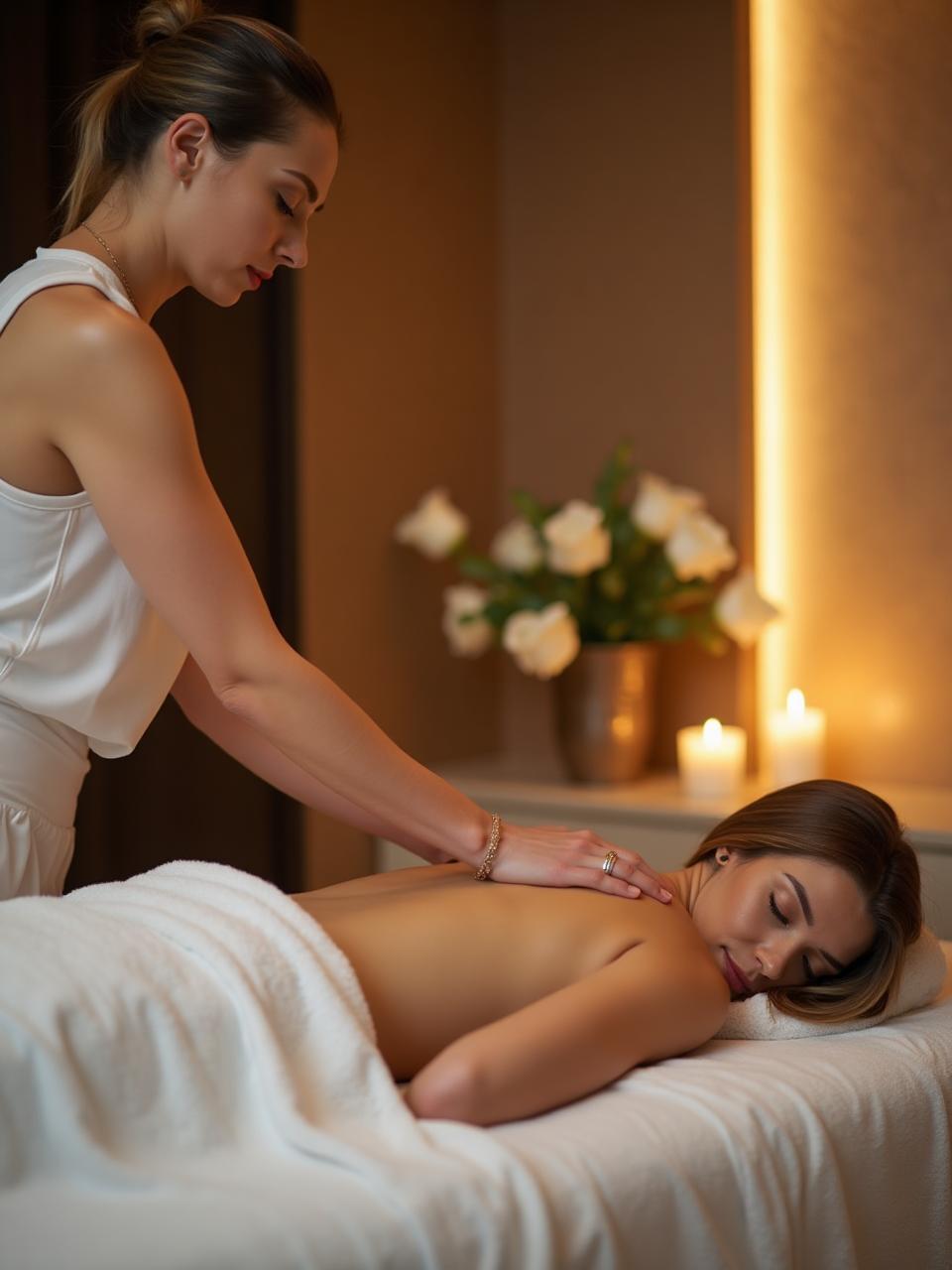
Every massage is pleasant, but not every massage is therapeutic. A relaxation session aims primarily at comfort and stress relief. A therapeutic massage starts from a complaint: a stubborn knot between the shoulder blades, a low back that seizes up after long drives, legs that feel heavy at the end of the day, or a training load your body is struggling to absorb. The therapist assesses the area, chooses techniques accordingly, adapts pressure to your tolerance and checks whether the plan is working from one visit to the next.
At Réhabital in Côte Saint-Luc, on the island of Montréal, therapeutic work is the common thread across our massage therapy services. This guide explains the main types we offer, what each one is genuinely good for, what the research does and does not support, and how to choose the right starting point.
The main types of therapeutic massage
Deep tissue massage uses slow, sustained pressure to reach deeper muscle layers and fascia. It is often chosen for chronic tension in the neck, shoulders and back, or for areas that feel “stuck” despite stretching. Deeper is not automatically better: effective deep tissue work stays within a pressure you can breathe through, and a skilled therapist will back off the moment your muscles guard against the pressure.
Swedish massage is the classic foundation: flowing strokes, kneading and friction that improve circulation and ease general tension. It is the most versatile option and the one we usually suggest for a first massage, for stress-related tightness, or when you want therapeutic benefit without intense pressure.
Sports massage is built around training and recovery: preparing muscles before an event, flushing metabolic waste after hard sessions, and addressing the specific overload patterns of your sport. Our article on sports massage and who benefits goes deeper into timing and use cases.
Prenatal massage adapts positioning and techniques to pregnancy, relieving the back, hip and leg strain that comes with a changing body. It is provided by therapists trained in prenatal care, with side-lying positioning and appropriate precautions for each trimester.
Lymphatic drainage uses very light, rhythmic strokes to encourage lymph flow. It is indicated for heavy legs, post-surgical or post-injury swelling (with medical clearance), and fluid retention — not for deep muscle work. The lightness of the technique surprises many first-time clients, but pressure would collapse the superficial lymphatic vessels it aims to stimulate.
Hot stone and Himalayan salt stone massage add sustained heat to the therapist's hands, which helps muscles release before deeper work begins. Our article on hot salt stone massage for back pain explains how heat changes the session.
Reflexology works through pressure points on the feet, and Ayurvedic (Abhyanga) massage uses warm oil and long rhythmic strokes from the Indian tradition. Both are whole-body approaches chosen for deep relaxation, sleep quality and general well-being rather than for a single painful muscle.
What does the evidence actually say?
Massage research is honest but modest. Systematic reviews, including Cochrane reviews on low-back pain, suggest massage can provide short-term relief of pain and improve function for some people, particularly when combined with exercise and staying active. For tension-type headaches, neck pain and stress, studies generally show small to moderate short-term benefits. What the evidence does not support is the idea that massage “detoxifies” the body, realigns the spine, or permanently fixes a structural problem in one session.
This is why we present massage as one tool among several. It reduces pain and muscle guarding, which creates a window in which movement, strengthening and posture changes become easier. Used that way — as part of a plan rather than a magic fix — its benefits are real and repeatable.
Who tends to benefit most?
The people who get the most out of therapeutic massage usually fall into a few groups. Desk workers with neck, shoulder and upper-back tension from long hours at a screen. Active people and athletes managing training load, DOMS and recurring tight spots. Pregnant clients whose changing posture overloads the low back and hips. People under sustained stress whose muscles never fully switch off, which often shows up as jaw clenching, tension headaches and poor sleep. And anyone with chronic muscular tension that keeps returning despite stretching — our article on muscle knots and cramps explains what those trigger points are and why they form.
What these situations share is a muscular component that hands-on work can genuinely influence. If your pain is primarily joint, nerve or systemic in origin, massage may still help you feel better, but it should not be the only assessment you get.
When massage is not the right tool
A good therapist will sometimes tell you not to book. Massage should be postponed or adapted with fever, infection, acute inflammation, open wounds, recent surgery without clearance, uncontrolled blood pressure, blood clots or a history of deep vein thrombosis, and certain cancers without oncology approval. During pregnancy, only therapists trained in prenatal massage should treat you.
Some symptoms need a doctor before a massage table: unexplained weight loss, night pain that does not change with position, progressive numbness or weakness, loss of bladder or bowel control, or pain after significant trauma. These red flags point to causes that massage cannot address, and a responsible clinic will refer you rather than treat you.
Massage, osteopathy or physiotherapy: how to choose
The three approaches overlap but are not interchangeable. Massage therapy works primarily on muscles and soft tissue — ideal when tension, knots and stress are the main problem. Osteopathy adds joint mobilization and a whole-body structural assessment, useful when pain keeps returning to the same spot or involves several regions at once. Physiotherapy is the choice when rehabilitation, progressive exercise and measurable functional goals are central — after surgery, a sprain, or when weakness rather than tightness is the issue.
Many clients combine them: physiotherapy to rebuild strength, osteopathy to address the pattern, and massage to keep muscles supple between sessions. If you are unsure where to start, our team can point you to the right door — the wrong first choice costs time, not just money.
What happens at a first therapeutic session?
Expect a short health questionnaire and a conversation before any hands-on work: where it hurts, since when, what makes it better or worse, your health history and medications. The therapist then explains what they plan to do and checks your comfort with pressure as the session progresses. Therapeutic work can be intense but should never be something you endure; speak up and the pressure changes.
After the session, mild soreness for a day or two is normal with deeper techniques — similar to post-workout soreness. Drink water, move gently, and note how your body responds over the following days, because that feedback shapes the next session. Lasting change for a chronic problem typically takes a short series of sessions, not one heroic appointment.
How often should you come?
For an acute flare-up, one to three sessions close together often settle things. For chronic tension built over months or years, a common pattern is weekly or biweekly sessions for a few weeks, then spacing out to maintenance as you improve. For stress management and general well-being, monthly sessions are a sustainable rhythm for many people. Your therapist should reassess regularly and tell you honestly when you no longer need to come as often.
How to prepare for your appointment
Arrive a few minutes early, avoid a heavy meal right before the session and wear clothing that is easy to change in and out of. You undress only to your comfort level and stay covered except for the area being worked on. Mention allergies before the therapist chooses an oil or lotion, and bring your insurance card if you plan to claim the receipt. If you are comparing clinics, ask who will actually treat you, which association they belong to and whether the fee you were quoted matches the duration you booked — a low advertised price sometimes hides a thirty-minute session.
Therapeutic massage at Réhabital
Our massage team covers the full range described above. Irina Kushnir (RMQ, 20+ years) offers therapeutic, prenatal, deep tissue, Swedish, lymphatic drainage, Ayurvedic and Reiki. Jeanne Andrea Rahantamalala (FQM) offers therapeutic, Himalayan salt stone, prenatal, deep tissue, sports, Swedish, reflexology, hot stone, lymphatic drainage and abdominal massage. Cedik Elaiba (FQM) focuses on therapeutic, deep tissue, sports and Swedish massage. Elena Caliniuc (AQTN) offers therapeutic, Himalayan salt stone, deep tissue, Swedish, reflexology, hot stone, lymphatic drainage and Ayurvedic massage, and Liliana Ciocoi provides Swedish massage. Each profile on our team page links directly to that therapist's availability.
Pricing is simple: $95 for 60 minutes and $130 for 90 minutes, for every massage type. Insurance receipts are provided for plans that cover massage therapy — check our fee schedule for details. Réhabital offers a 10% discount at your first clinic visit, excluding physiotherapy. You can book online through Jane App or call us to be matched with the right therapist. This article is educational and does not replace an individual assessment.
Sources and further reading
- Cochrane — Massage for low-back pain.
- NCCIH — Massage therapy: what you need to know.
- Cleveland Clinic — Massage therapy: types and benefits.
- American Massage Therapy Association — Massage therapy research roundup.
- NHS — Back pain: when to seek medical help.
These references support general education and do not guarantee an individual result from any specific technique.
Frequently asked questions
Related articles
Muscle Knots and Cramps: Which Massage Type Actually Relieves Each Symptom?
A complete guide to muscle knots, trigger points and cramps: why they form, which massage types relieve them, and when to see a therapist in Côte Saint-Luc.
Therapeutic Massage in Côte Saint-Luc: Relieve Pain, Tension and Stress
Discover how therapeutic massage at Réhabital Clinic relieves muscle pain, improves circulation and restores your body's balance.
Every Type of Massage Therapy We Offer in Côte Saint-Luc — and Who Each One Is Really For
A complete guide to the 10 massage therapy modalities offered at Réhabital in Côte Saint-Luc: therapeutic, Swedish, deep tissue, prenatal, hot stone, Himalayan salt, lymphatic drainage, reflexology, belly massage and Ayurvedic. Who is each one really right for?
Deep Tissue Massage: Relieving Chronic Pain and Muscle Tension
Discover how deep tissue massage targets deep muscle layers to relieve chronic pain, improve mobility and accelerate recovery.
Deep Tissue Massage: Your Comprehensive Guide to Unlocking Relief at Réhabital in Côte Saint-Luc
Explore the world of Deep Tissue Massage. Learn what it is, its benefits, who can benefit and what to expect from a session at Réhabital, your trusted clinic in Côte Saint-Luc, Montreal.

The Complete Guide to Swedish Massage: Unwind and Recharge at Réhabital in Côte Saint-Luc
Discover the soothing world of Swedish Massage at Réhabital in Côte Saint-Luc. This comprehensive guide covers everything from its origins and techniques to its numerous health benefits and what to expect during your session.