
Sports Massage and Strength Training: Soreness, Recovery and Frequency
Soreness, stiff shoulders, a loaded lower back: how sports massage fits into a strength training program, and how to book with Cedik Elaiba in Côte Saint-Luc.
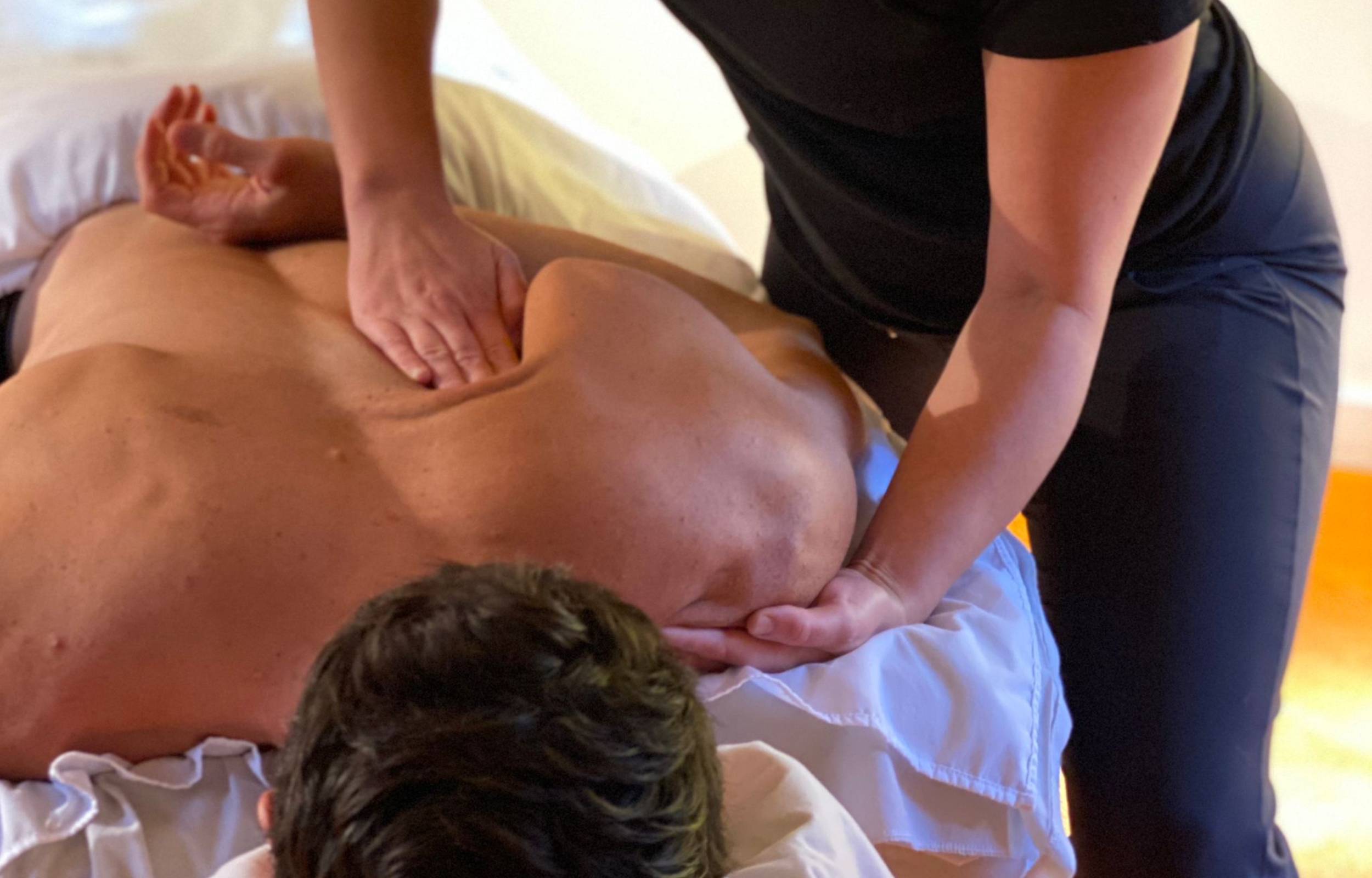
Direct answer: does sports massage help with strength training?
For people who train at the gym, do CrossFit or lift weights, sports massage mainly makes recovery more comfortable: less intense soreness, a renewed sense of mobility in the hips and shoulders, and a chance to spot the areas that build up tension week after week. It does not build muscle and does not replace sleep or load management, but it can help you stay consistent.
At Réhabital in Côte Saint-Luc, Cedik Elaiba, a massage therapist and FQM member, offers sports massage. He sees many active people looking for firmer work on the traps, back, glutes and legs. Book a session with Cedik on Jane App.
Muscle soreness: what it is, and what it isn’t
The soreness that appears 24 to 72 hours after new or harder training is linked to the muscles adapting to unfamiliar effort, especially the controlled lowering phases: the descent of a squat, the bottom of a deadlift, the slow return of a curl. It is not caused by lactic acid, which is cleared within hours of exercise. Nor is it a reliable sign of a good workout: you can progress without being sore.
Research reviews indicate that massage can modestly reduce the intensity of soreness and perceived fatigue. It is a real but limited benefit, best seen as a tool for comfort and consistency rather than a dramatic speed-up of recovery.
The areas most often treated
Upper back and traps: rows, presses and pulls load this region heavily, often on top of desk work. Chest and shoulders: high bench-press volume can come with a closed-in feeling at the front of the shoulder. Lower back and glutes: squats and deadlifts demand a lot from the back extensors and hips. Thighs and calves: especially after leg days or CrossFit-style sessions with jumping and running.
At the start of the session, Cedik takes time to understand your program, your heavy days and the movements that bother you. Pressure is adjusted from light to deep, and you can ask to change it at any time.
When to schedule massage in your week
The simplest option is to book a rest day or a light training day. After a very heavy session, waiting 24 to 48 hours avoids working deeply on a muscle that is still very tender. Before a max-testing day or a competition, choose a shorter, moderate session two to four days ahead rather than intense work the day before.
One session every two to four weeks is a common rhythm during a training block. Sixty minutes suits two or three regions; 75 to 90 minutes leaves time for the whole body.
Massage doesn’t fix everything
If pain keeps returning on the same movement, the issue often lies in load, volume or technique. Temporarily reducing the load, adjusting range of motion or swapping an exercise is often more effective than another massage. Sleep, nutrition and gradual progression remain the main recovery levers.
Sharp pain during a lift, pain lasting more than a few weeks, pain that wakes you at night or that travels into an arm or leg with numbness deserves an assessment. At Réhabital, physiotherapy and osteopathy can take over. See also our guide to returning to lifting with sciatica and our article on shoulder pain.
Sports massage or deep tissue massage?
Deep tissue massage mainly targets chronic tension with slow, deep pressure. Sports massage is organized around your training and calendar, with pressure that varies with the point in your cycle. For people who train regularly, the two often overlap; Cedik practises both and can guide you. If you are wondering whether tenderness after a deep session is normal, read our article on soreness after deep tissue massage.
Booking with Cedik Elaiba
Cedik speaks French, English and Arabic. Book your sports massage with Cedik online or call 438-842-3550. Current fees are listed on our fees page. Insurance receipts are issued; reimbursement depends on your private plan. CNESST and SAAQ claims are not accepted. Cavendish Mall, D4-5800 Cavendish Boulevard, Côte Saint-Luc, free parking.
More in our sports massage series
- Sports massage: what it’s used for and who it’s for
- Runners: preparing for a fall race
- Hockey: hips, groin and lower back
- Skiing: preparing thighs, knees and back
- Sports massage with Cedik Elaiba
Sources and limitations
These sources describe the general effects of massage and recovery, and their limits. They do not validate clinic-specific outcomes. This article is informational and does not replace an individual assessment.
Frequently asked questions
Related articles
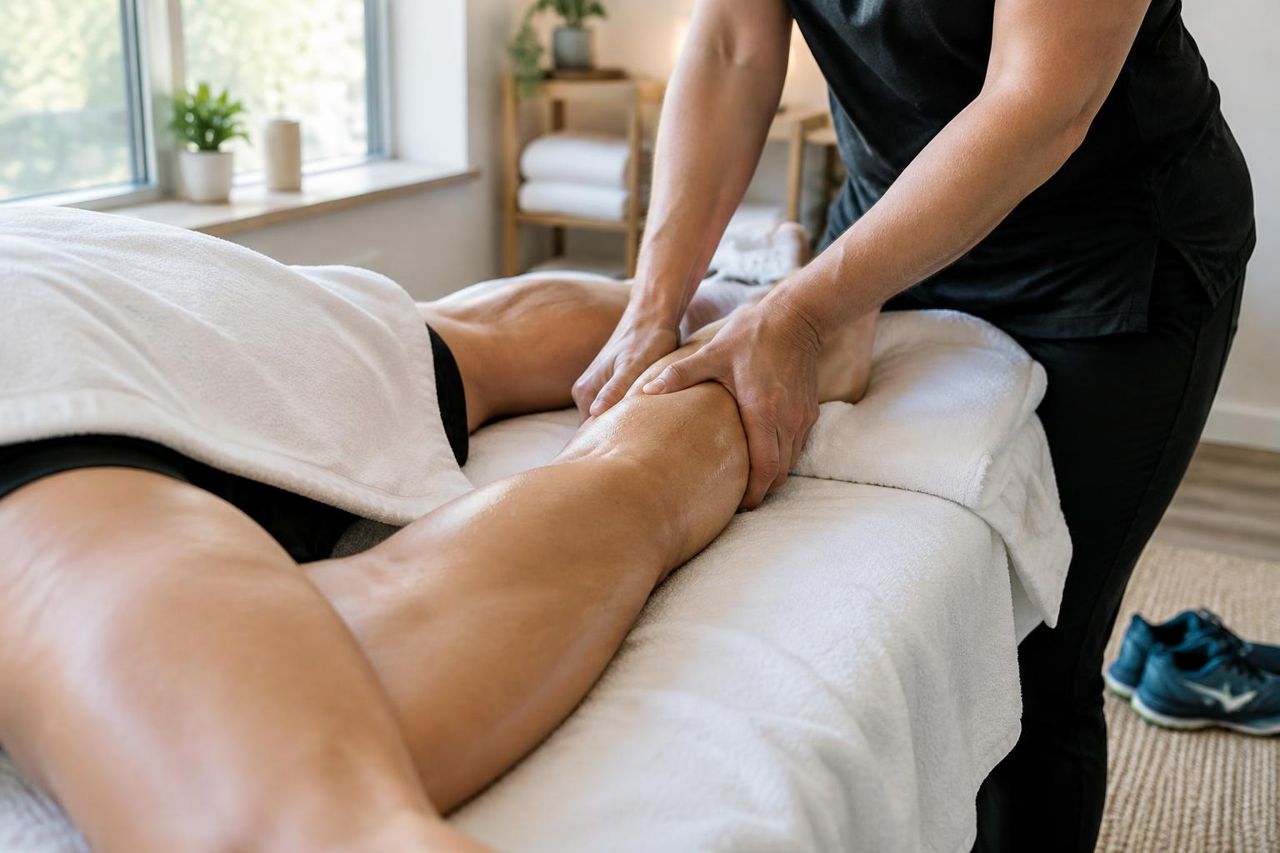
Sports Massage for Runners: Preparing for a Fall Race
August is the heart of training for September and October races. How sports massage fits into a runner’s training plan, with Cedik Elaiba in Côte Saint-Luc.
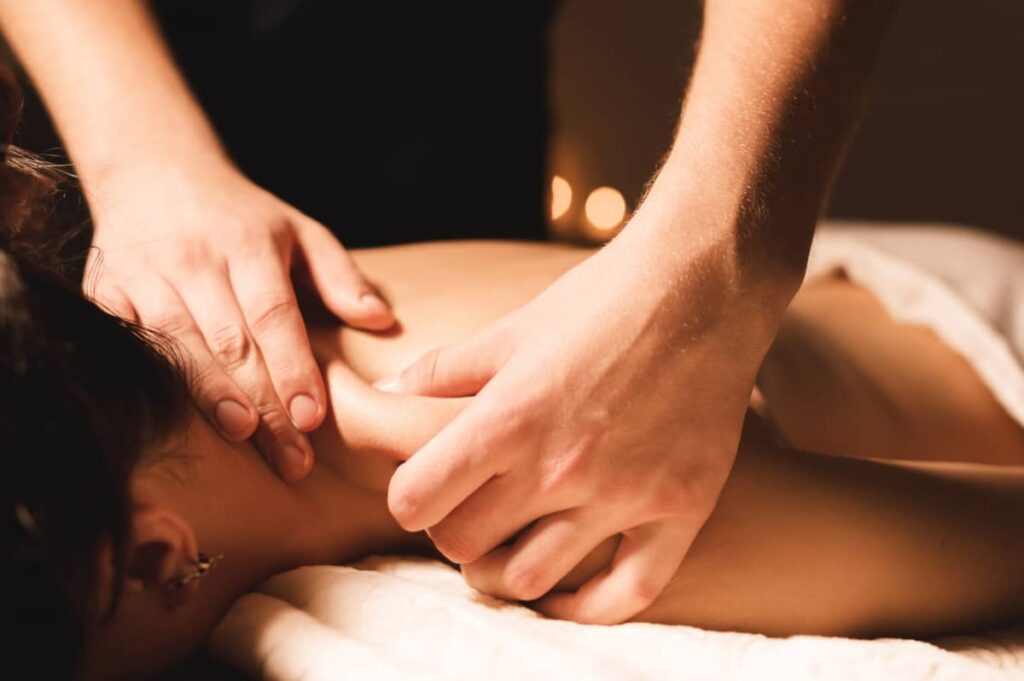
Sports Massage in Côte Saint-Luc: a specialized treatment for athletes with Cedik Elaiba starting in July
Starting in July, Cedik Elaiba joins the Réhabital team to deliver a specialized sports massage: recovery, injury prevention and performance for athletes of every level.
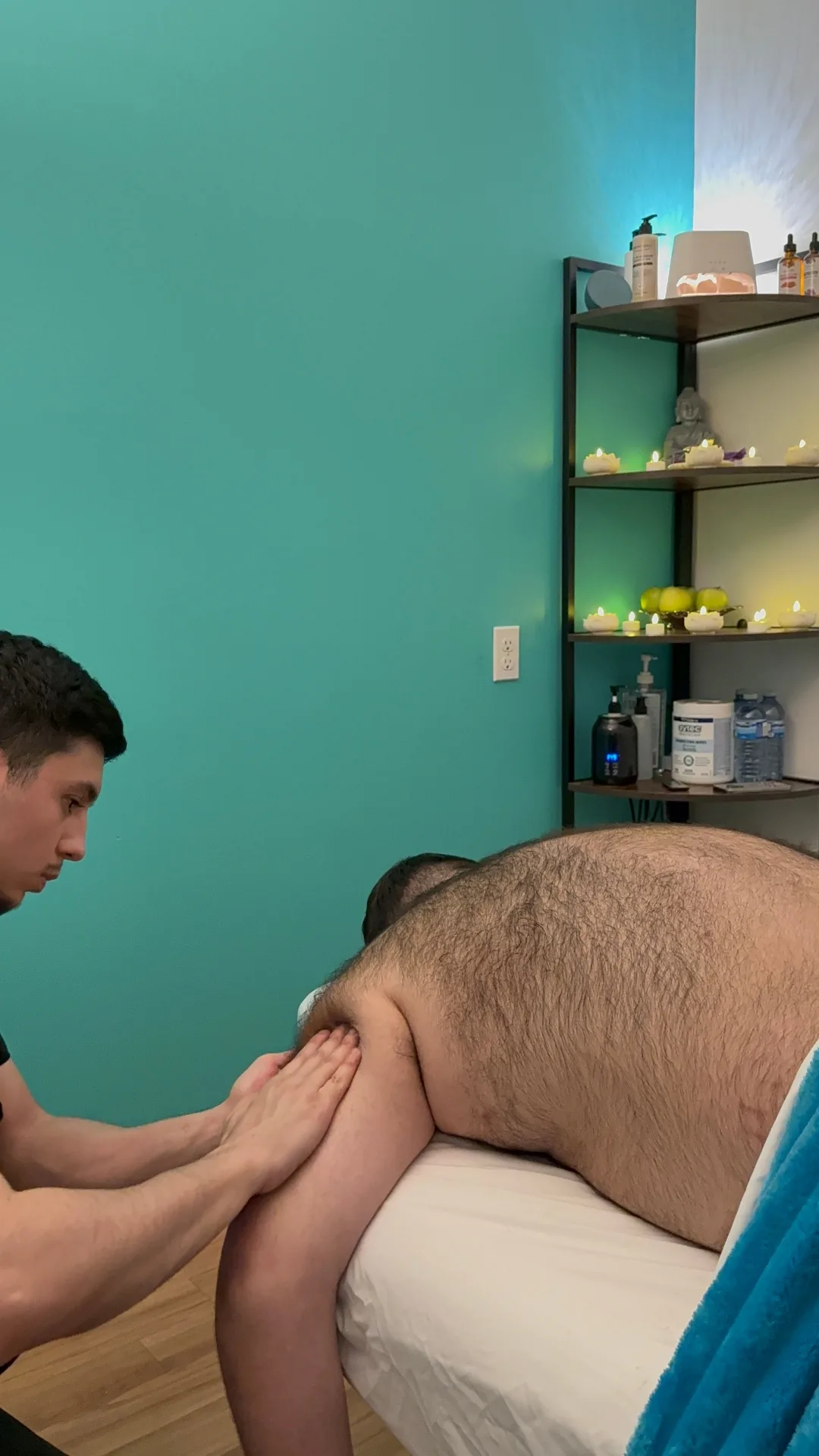
Sports Massage Before Ski Season: Preparing Your Thighs, Knees and Back
The first ski days put heavy demand on thighs, knees and the lower back. How to fit a sports massage before and during the season, with Cedik Elaiba in Côte Saint-Luc.
Deep Tissue Massage: Your Comprehensive Guide to Unlocking Relief at Réhabital in Côte Saint-Luc
Explore the world of Deep Tissue Massage. Learn what it is, its benefits, who can benefit and what to expect from a session at Réhabital, your trusted clinic in Côte Saint-Luc, Montreal.
Sports Massage for Hockey Players: Hips, Groin and Lower Back
The skating stride, the bent-over stance and contact load the hips, groin and back. What sports massage can offer hockey players, and how to book with Cedik Elaiba.
Sports Massage: What It’s Used For and Who It’s For
Preparation, recovery, maintenance: the real uses of sports massage, what research says, who benefits and when to avoid it. A Réhabital guide from Côte Saint-Luc, Montréal.