
Rosacea and Sensitive Skin: What to Avoid and What to Choose Instead
Rosacea and sensitive skin require a tailored routine. Here are the ingredients and treatments to avoid, and the gentle alternatives our aestheticians recommend.
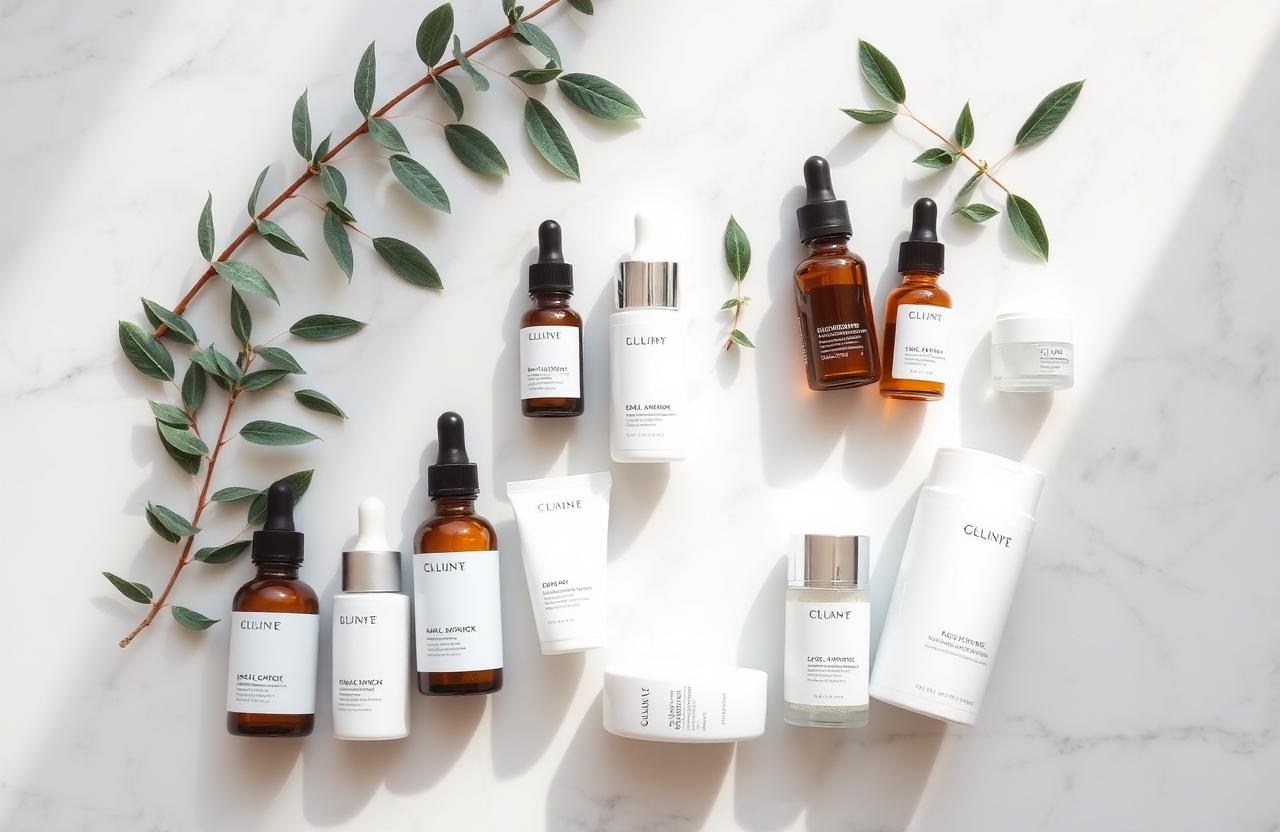
Rosacea and sensitive skin affect a large number of people, often without knowing exactly which products or treatments to choose. Between persistent redness, burning sensations, and reactivity to common products, finding a suitable routine can feel discouraging. This article outlines the ingredients and treatments to avoid, along with the gentle alternatives our aestheticians recommend in Cote Saint-Luc.
Understanding rosacea and sensitive skin
Rosacea is a chronic condition characterized by persistent redness, flushing, and sometimes small bumps or visible blood vessels, primarily on the face. Sensitive skin, on the other hand, may be temporary or reactive to environmental factors, without necessarily involving the same chronic vascular component as rosacea. In both cases, a gentle, personalized approach is essential to avoid worsening symptoms.
Rosacea triggers vary from person to person but often include sun exposure, heat, spicy foods, alcohol, stress, and certain harsh skincare products. Keeping a symptom diary can help you and your aesthetician identify your personal triggers.
Ingredients and treatments to avoid
Certain ingredients are particularly likely to irritate skin prone to rosacea or sensitivity:
- Alcohol-based toners, which dry out and irritate the skin barrier
- Synthetic fragrances, a common cause of allergic or irritant reactions
- Menthol and strong essential oils, which can cause a burning sensation
- Harsh physical exfoliants, such as coarse-grain scrubs
- High-concentration witch hazel, which can dry the skin excessively
- Traditional high-concentration chemical peels, unsuitable for reactive skin
In terms of professional treatments, certain aggressive procedures, such as deep extractions, unsuitable deep peels, or microneedling during an active flare-up, should be avoided or postponed until the skin has stabilized.
Gentle alternatives to prioritize
Fortunately, several options exist for caring for sensitive or rosacea-prone skin without compromising comfort. Professional Dermalogica formulations offer product lines specifically designed for reactive skin, incorporating soothing ingredients like oat, centella asiatica, and niacinamide. Explore our approach to Dermalogica chemical peels, which can be adjusted in concentration according to your tolerance.
Personalized facials, performed by our aestheticians Liliana, Elena, and Farzaneh, are adjusted specifically to your skin, avoiding aggressive manipulation and excessive heat. Rather than applying a standard protocol, each treatment is tailored to your skin's condition at the time of your visit. For more details on our services, visit our aesthetic care in Cote Saint-Luc page.
What about laser treatments?
Many people with rosacea wonder if laser treatments are safe. Generally speaking, laser hair removal targets hair follicles rather than the blood vessels responsible for redness, which often makes it well tolerated. Visit our laser hair removal page to learn more. That said, a patch test and thorough consultation remain essential before any treatment, to confirm your individual tolerance.
Sun protection: a non-negotiable
Sun is one of the most common triggers of rosacea flare-ups. Daily sun protection, ideally mineral-based rather than chemical, is essential to limit redness and prevent long-term worsening of symptoms. Mineral sunscreens, containing zinc oxide or titanium dioxide, are generally better tolerated by reactive skin than chemical formulas.
Building a suitable daily routine
A simple, consistent routine is often more beneficial than layering a multitude of active products. Here are some basic principles recommended by our aestheticians:
- Cleanse with a gentle, soap-free product using lukewarm rather than hot water
- Introduce new products one at a time, monitoring your skin's reaction
- Prioritize fragrance-free, hypoallergenic formulations
- Moisturize daily to strengthen the skin barrier
- Apply mineral sunscreen every morning, even in winter
It is also important to avoid layering multiple active treatments simultaneously, which can overload already fragile skin. A gradual approach, one product at a time, makes it easier to identify what truly works for your skin.
The role of professional guidance
Managing rosacea or sensitive skin can feel complex, but professional guidance greatly simplifies the process. Our aestheticians can assess your skin, identify ingredients to avoid based on your history, and build a personalized routine combining in-clinic treatments with at-home products. Visit our team page to learn more about our aestheticians.
Booking is easy through Jane App, and we invite you to review our policies before your first visit to be well prepared, including avoiding certain actives before your appointment.
What happens beneath the skin during a rosacea flare-up
Rosacea involves an abnormal reactivity of the superficial blood vessels in the face, which dilate more easily and more intensely than in unaffected skin. This excessive dilation, called vasodilation, produces the characteristic redness and flushing of the condition. In some individuals, underlying inflammation and a compromised skin barrier further increase sensitivity, creating a cycle where each additional irritation makes the skin more reactive over time. This is why gentle approaches and barrier reinforcement are central to managing rosacea, rather than simply treating visible symptoms as they appear.
Rosacea through Montreal's seasons
Montreal's climate poses particular challenges for people with rosacea. The harsh winter, with its cold winds and dry indoor air from heating systems, can weaken the skin barrier and intensify redness. Sudden temperature transitions, such as moving from a heated indoor space to freezing outdoor air, are frequently reported as a trigger by our clients in Cote Saint-Luc. Summer, on the other hand, brings its own set of challenges with heat, humidity, and increased sun exposure, all well-documented rosacea triggers. Adapting your routine by season, for example using a richer cream in winter and a lighter but still protective formula in summer, can make a notable difference in managing symptoms year-round.
Building a suitable morning and evening routine
A well-structured routine helps minimize skin fluctuations. In the morning, prioritize gentle cleansing followed by a soothing serum, a moisturizer, and mineral sunscreen. In the evening, focus on fully removing the day's impurities with a non-foaming cleanser, followed by a repairing product that supports the skin barrier overnight, when skin naturally regenerates. It is best to introduce new products gradually, one at a time, spacing each addition out by several days, to easily spot any adverse reaction before it worsens.
Common myths about rosacea and sensitive skin
- «Rosacea only affects fair skin»: although more visible on fair skin, rosacea can affect all skin tones, though it is sometimes underdiagnosed in deeper skin tones.
- «You must stop all active ingredients»: certain well-chosen actives, such as azelaic acid or low-concentration niacinamide, are generally well tolerated and can even help calm symptoms.
- «Rosacea is just temporary redness»: unlike a one-time reaction, rosacea is a chronic condition requiring ongoing long-term management.
- «Natural products are always gentler»: several natural ingredients, such as certain essential oils, can actually be more irritating than clinically tested professional formulations.
When to see a doctor rather than an aesthetician
While our aestheticians can greatly help manage the skin symptoms of rosacea, certain situations call for a medical consultation. If you experience eye pain, dryness, or persistent eye irritation (a condition called ocular rosacea), or if the bumps and pimples associated with your rosacea worsen despite a tailored routine, a dermatologist or physician can assess whether medical treatment, such as topical or oral antibiotics, is needed alongside aesthetic care.
Common scenarios seen in clinic
Here are some typical examples of clients we support. A client with mild to moderate rosacea, mainly triggered by stress and temperature changes, often benefits from a simplified routine combined with monthly soothing facials. A client with very reactive skin but no formal rosacea diagnosis may cautiously explore certain gentle actives under supervision, progressing gradually. A client struggling with persistent redness despite a rigorous at-home routine may be referred for a more thorough evaluation, potentially including a medical referral, to explore complementary options.
The link between stress and rosacea flare-ups
Stress is among the most commonly reported triggers by our clients living with rosacea. When the body is under stress, it releases hormones that can amplify blood vessel dilation, intensifying redness in turn. Incorporating moments of relaxation into your daily life, whether through deep breathing, moderate exercise, or simply adequate sleep, can help reduce the frequency of flare-ups, alongside a suitable skincare routine.
The impact of makeup on rosacea-prone skin
Makeup choice also matters for rosacea-prone skin. Mineral-based, fragrance-free, non-comedogenic formulas are generally better tolerated than classic liquid foundations containing alcohol or synthetic dyes. A green-toned corrector can help visually neutralize redness without requiring a heavy layer of product, reducing the risk of further irritation. It is also recommended to fully remove makeup each evening with a gentle cleanser, rather than using makeup-removing wipes, which can contain irritating ingredients and often require more aggressive rubbing on the skin.
Rosacea and skin aging: care that evolves over time
As skin ages, it generally becomes thinner and its repair capacity slows, which can make rosacea more visible or harder to control for some individuals. Skincare protocols should therefore be periodically reassessed: a product that was well tolerated for years can suddenly become irritating if the skin barrier weakens. This is why we recommend regular check-ins with your aesthetician, who can adjust your routine over time rather than maintaining a fixed protocol that no longer matches your skin's current needs.
Travel and rosacea: managing flights and climate changes
Travel can be particularly challenging for rosacea-prone skin, since air travel exposes the face to dry cabin air, cabin pressure changes, and often disrupted sleep, all of which can trigger a flare-up. Packing a travel-sized barrier cream, a hydrating mist, and avoiding alcohol or very hot beverages during flights can help minimize reactivity. Arriving in a destination with a very different climate than Montreal, whether hotter, more humid, or drier, may also require a temporary adjustment to your routine, such as switching to a lighter moisturizer in humid climates or adding an extra layer of hydration in dry ones.
Keeping a compact skincare kit dedicated to travel, separate from your everyday products, also reduces the temptation to try unfamiliar hotel toiletries that may contain fragrance or harsh surfactants — both common irritants for reactive, rosacea-prone skin This small habit, though simple, can meaningfully lower the odds of an unexpected flare-up disrupting an otherwise relaxing trip..
Conclusion
Rosacea and sensitive skin do not mean giving up on aesthetic care — quite the opposite. By avoiding certain harsh ingredients and treatments, and prioritizing gentle, personalized approaches, it is entirely possible to maintain comfortable, balanced skin. Our team is here to guide you through every step of this journey.
Frequently asked questions
Related conditions we treat
Related articles
Skincare Routine by Skin Type: A Professional Guide with Dermalogica — Côte Saint-Luc
A complete morning and evening skincare routine for dry, oily, combination, sensitive and acne-prone skin — built around Dermalogica Pro products and clinical recommendations from our Montreal aestheticians.
Facial Before a Wedding or Big Event: How Many Days Ahead?
Want to glow on the big day? Discover the ideal timeline for booking facials before a wedding, prom, or major event, and avoid last-minute skin mistakes.
The complete guide to professional facials and daily skincare in Côte Saint-Luc
From Dermalogica Face Mapping to the in-cabin protocol, home routine, and advanced treatments — everything you need to know for healthy, radiant, long-lasting skin in Montreal.
Teen Acne: How Our Dermalogica Essential Facial Helps Teenagers Care for Their Skin
Teen acne isn't just a cosmetic issue — it affects confidence and long-term skin health. Learn how the Dermalogica Essential Facial at Réhabital in Côte Saint-Luc helps teenagers understand their skin, control acne and build lifelong healthy habits.
Chemical Peel Prep & Aftercare: The Complete Pro Power Peel Guide — Côte Saint-Luc
How to prepare your skin in the two weeks before a Pro Power Peel and care for it during the critical post-peel recovery — what to use, what to avoid and how to manage flaking for the best possible results.
The Complete Dermalogica Guide: Why This Brand Is Transforming Skincare in Montreal
Discover why Dermalogica is the global leader in professional skincare and how our aestheticians in Côte Saint-Luc use it to deliver exceptional results.