
Digestive Health and Gut Healing: A Naturopathic Approach in Montreal
Learn how naturopathic medicine addresses IBS, bloating, SIBO, leaky gut, and other digestive disorders through the 5R gut healing protocol, targeted nutrition, and herbal medicine.
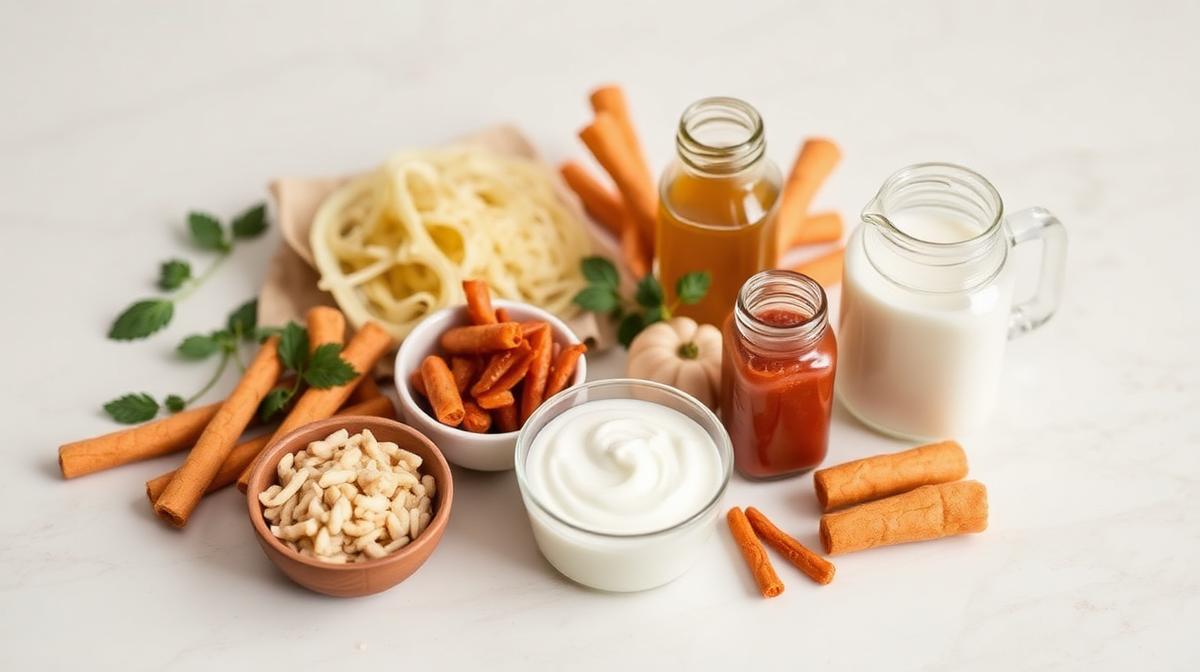
Why Digestive Health Is the Foundation of Overall Wellness
Hippocrates declared over 2,000 years ago that "all disease begins in the gut" — and modern science has remarkably vindicated this ancient wisdom. Research over the past two decades has revealed that digestive health influences virtually every aspect of human wellness: immune function (70% of immune tissue resides in the gut), mental health (95% of serotonin is produced in the gut), hormonal balance, skin health, metabolic function, and even neurological conditions. At Réhabital's Holistic Naturopathy practice in Côte Saint-Luc, Montreal, we consider digestive health the foundational pillar of any comprehensive health protocol — because if your gut isn't working properly, nothing else will either.
Yet digestive disorders have reached epidemic proportions. Irritable bowel syndrome (IBS) affects an estimated 13-20% of Canadians. Inflammatory bowel disease (IBD) rates in Canada are among the highest in the world. GERD, bloating, constipation, food sensitivities, and SIBO (small intestinal bacterial overgrowth) are increasingly common complaints in clinical practice. The conventional medical approach typically focuses on symptom management — antacids for reflux, antispasmodics for IBS, laxatives for constipation — without addressing why the digestive system is malfunctioning in the first place.
Naturopathic medicine takes a fundamentally different approach: we seek to understand and correct the root causes of digestive dysfunction. By restoring optimal conditions for digestive health — proper stomach acid production, healthy enzyme output, balanced gut bacteria, intact intestinal lining, and effective motility — we can often resolve chronic digestive complaints that have persisted for years.
The Gut Ecosystem: More Than Just Digestion
Your gastrointestinal tract is not simply a tube that processes food — it's a complex ecosystem housing approximately 100 trillion microorganisms (collectively called the gut microbiome), containing more neurons than the spinal cord (the enteric nervous system, often called the "second brain"), producing over 30 different neurotransmitters, secreting more than 20 different hormones, and maintaining the body's largest mucosal immune surface.
The gut microbiome alone performs an astonishing range of functions: fermenting dietary fiber into short-chain fatty acids (SCFAs) that nourish the intestinal lining and modulate inflammation, synthesizing vitamins (K, B12, biotin, folate), metabolizing medications, hormones, and environmental chemicals, training and regulating the immune system, producing neurotransmitters that influence mood, cognition, and behavior, and protecting against pathogenic organisms through competitive exclusion and antimicrobial production.
When this ecosystem is disrupted — through antibiotic use, poor diet, chronic stress, infections, or environmental factors — the consequences extend far beyond digestive symptoms. Gut dysfunction is now linked to depression, anxiety, autoimmune diseases, allergies, eczema, metabolic syndrome, and even neurodegenerative conditions.
Common Digestive Disorders: A Naturopathic Perspective
Irritable Bowel Syndrome (IBS): IBS is diagnosed based on symptoms (abdominal pain with altered bowel habits) rather than a specific pathological finding — which means that "IBS" is really a collection of different conditions with different causes that happen to produce similar symptoms. At Réhabital, we don't treat "IBS" — we investigate what's actually causing your symptoms. Common underlying factors include SIBO (present in up to 78% of IBS cases according to some research), food sensitivities (particularly gluten, dairy, and FODMAPs), gut dysbiosis (imbalanced microbiome), stress-related gut dysfunction (via the gut-brain axis), insufficient digestive secretions (low stomach acid, bile, or enzyme production), and post-infectious changes (IBS that develops after gastroenteritis).
Small Intestinal Bacterial Overgrowth (SIBO): SIBO occurs when bacteria that normally reside in the large intestine migrate into the small intestine, where they ferment carbohydrates prematurely, producing hydrogen, methane, or hydrogen sulfide gas. This causes bloating (often extreme and progressive throughout the day), abdominal pain, diarrhea or constipation (depending on the type of gas produced), nutrient malabsorption, and fatigue. Our naturopathic approach to SIBO involves identifying and addressing the underlying cause of bacterial migration (impaired motility, structural issues, low stomach acid, etc.), antimicrobial protocols using herbal agents (berberine, oregano oil, allicin) that are as effective as antibiotics in clinical studies but with fewer side effects, dietary modifications (elemental diet, low-FODMAP, or specific carbohydrate diet), and prokinetic support to restore normal intestinal motility and prevent recurrence.
Intestinal Hyperpermeability (Leaky Gut): The intestinal lining is a selectively permeable barrier — it must allow nutrients to pass into the bloodstream while keeping out bacteria, toxins, and undigested food particles. When the tight junctions between intestinal cells become damaged, this barrier becomes "leaky," allowing inappropriate substances to enter the bloodstream. This triggers systemic inflammation and immune activation that can manifest as food sensitivities, autoimmune conditions, skin problems, joint pain, brain fog, and chronic fatigue.
Factors that damage intestinal permeability include NSAIDs (ibuprofen, aspirin), alcohol, gluten (in susceptible individuals), chronic stress (cortisol directly increases intestinal permeability), dysbiosis, infections, and environmental toxins. Our naturopathic gut healing protocol addresses all of these factors while providing targeted nutrients to repair the intestinal lining.
The 5R Gut Healing Protocol
At Réhabital, we follow the well-established 5R framework for digestive healing — a systematic approach that addresses all aspects of gut dysfunction.
1. Remove: We identify and eliminate factors that are disrupting digestive function. This may include food sensitivities (identified through elimination diets or IgG/IgA testing), pathogenic organisms (bacteria, yeast, parasites — identified through comprehensive stool analysis), medications that damage the gut (when safely possible, in consultation with your physician), and environmental irritants.
2. Replace: We restore digestive secretions that may be deficient. Low stomach acid (hypochlorhydria) is surprisingly common, particularly in individuals over 50, those under chronic stress, or those who have used proton pump inhibitors (PPIs). Symptoms of low stomach acid — bloating after meals, feeling excessively full, undigested food in stool — are often mistakenly attributed to excess acid. We may recommend betaine HCl with pepsin, digestive enzyme supplements, or bile acid support depending on the specific deficiency.
3. Reinoculate: We restore a healthy gut microbiome through targeted probiotic supplementation (specific strains selected for your particular condition), prebiotic-rich foods (garlic, onions, leeks, asparagus, Jerusalem artichokes, green bananas) that selectively nourish beneficial bacteria, and fermented foods that provide diverse live cultures and postbiotic compounds.
4. Repair: We provide the nutrients needed to heal the intestinal lining. L-Glutamine is the primary fuel source for intestinal epithelial cells and has extensive research supporting its role in gut barrier restoration. Zinc Carnosine has been shown to strengthen tight junctions and accelerate mucosal healing. Slippery Elm and Marshmallow Root provide mucilaginous compounds that coat and soothe inflamed intestinal tissue. Aloe Vera (inner leaf) provides anti-inflammatory and healing support. Collagen and Bone Broth provide amino acids (glycine, proline, hydroxyproline) that support connective tissue repair in the gut wall.
5. Rebalance: We address the lifestyle factors that affect gut health long-term. Stress management is critical (the gut-brain axis means that psychological stress directly impairs digestive function). Mindful eating practices (eating slowly, chewing thoroughly, eating in a calm environment) significantly improve digestive efficiency. Sleep optimization supports the gut microbiome's circadian rhythm. And appropriate exercise promotes healthy gut motility.
The Gut-Brain Connection: Why Your Emotions Affect Your Digestion
The gut-brain axis is a bidirectional communication highway between your digestive system and your brain, operating through the vagus nerve, the endocrine system, the immune system, and the microbiome itself. This connection explains why you feel "butterflies" when nervous, why stress causes diarrhea or constipation, and why digestive disorders so frequently coexist with anxiety and depression.
At Réhabital, we always address the gut-brain axis in our digestive protocols. This may include vagus nerve toning exercises (gargling, cold water face immersion, deep breathing), stress-reduction techniques, targeted supplementation for neurotransmitter support, and referral for complementary therapies like visceral osteopathy (which can directly address tension and dysfunction in the digestive organs) or abdominal massage therapy.
Food as Medicine: Eating for Digestive Health
Diet is perhaps the most powerful tool for digestive health — for better or worse. At Réhabital, our naturopath creates individualized dietary protocols that support your specific digestive needs.
Anti-Inflammatory Foundation: Chronic gut inflammation is present in most digestive disorders. An anti-inflammatory diet rich in omega-3 fatty acids, colorful vegetables, berries, turmeric, ginger, and green tea — while low in processed foods, refined sugars, and seed oils — forms the foundation of our approach.
Fiber Optimization: Dietary fiber is essential for gut health — it feeds beneficial bacteria, promotes healthy motility, and supports toxin elimination. However, the type and amount of fiber must be carefully tailored. For individuals with SIBO or severe bloating, sudden increases in fiber can worsen symptoms. We guide patients through a gradual, strategic increase in diverse fiber sources.
Therapeutic Diets: Depending on the specific condition, we may implement the Low-FODMAP diet (for IBS and SIBO), the Specific Carbohydrate Diet (for IBD and severe dysbiosis), an elimination diet (for identifying food sensitivities), or a Mediterranean-style diet (for general digestive optimization). These are always implemented as therapeutic tools with a defined timeline, not permanent restrictions.
Herbal Medicine for Digestive Healing
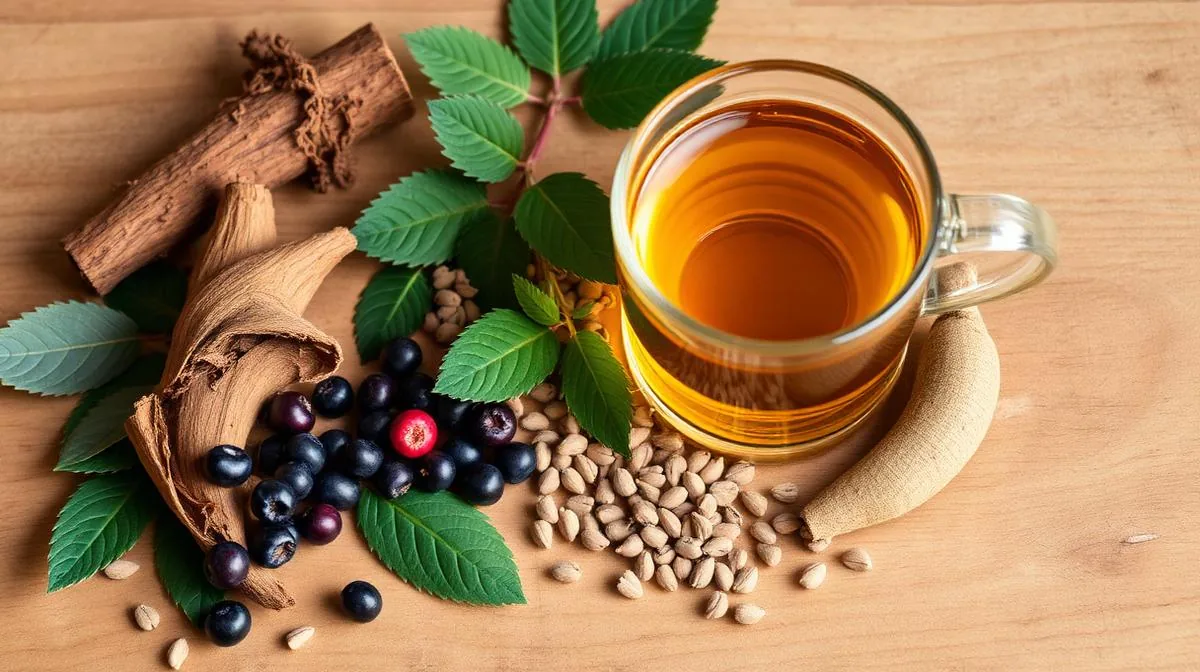
Herbal medicine offers powerful support for digestive function. Berberine (from goldenseal, Oregon grape, or barberry) has broad-spectrum antimicrobial properties effective against SIBO-causing organisms, along with anti-inflammatory and blood sugar-regulating effects. Ginger is a potent prokinetic (promoting healthy gut motility), anti-nausea agent, and anti-inflammatory herb. Peppermint oil (enteric-coated) has Level 1 evidence for reducing IBS symptoms through its antispasmodic action on intestinal smooth muscle. Turmeric (curcumin) reduces intestinal inflammation and has shown benefit in ulcerative colitis and other inflammatory conditions. Chamomile soothes digestive inflammation and reduces spasms. Bitter herbs (gentian, artichoke, dandelion) stimulate digestive secretions — stomach acid, bile, and enzyme production — improving the foundational digestive process.
Your Digestive Healing Journey at Réhabital
Chronic digestive problems are not something you have to live with. At Réhabital in Côte Saint-Luc, our naturopath specializes in identifying and addressing the root causes of digestive dysfunction. Whether you're dealing with IBS, SIBO, food sensitivities, bloating, constipation, or any other digestive complaint, we create a personalized, evidence-based treatment plan designed to restore your gut health for the long term.
Your initial 60-minute consultation includes a comprehensive digestive assessment, dietary analysis, and the beginning of your individualized gut healing protocol. Most patients begin experiencing improvements within 2-4 weeks, with significant healing typically achieved within 3-6 months.
Book your digestive health consultation at Réhabital today and take the first step toward a healthier, happier gut.
Frequently asked questions
Related articles
Naturopathy for Digestive Issues, Hormonal Balance & Chronic Fatigue in Montreal
How naturopathic medicine treats digestive disorders, hormonal imbalances, chronic fatigue and stress naturally. Evidence-based holistic health in Montreal.

Strengthen Your Immune System Naturally: Naturopathic Strategies for Montreal Residents
Discover evidence-based naturopathic strategies to build a resilient immune system — from vitamin D optimization and medicinal mushrooms to gut health and lifestyle factors.
Natural Detoxification Programs: Science-Based Naturopathic Cleansing in Montreal
Understand the science behind naturopathic detoxification — how your liver, kidneys, and lymphatic system work together to eliminate toxins, and how to support them naturally.

Naturopathic Solutions for Better Sleep and Insomnia in Montreal
Learn how naturopathic medicine addresses the root causes of insomnia and poor sleep quality through herbal medicine, sleep hygiene protocols, and nutritional interventions.
Sustainable Weight Management Through Naturopathy: Beyond Diets in Montreal
Discover how naturopathic medicine addresses the root causes of weight resistance — hormonal imbalances, gut health, stress, inflammation, and metabolic dysfunction — for lasting, sustainable results.
Natural Hormonal Balance Through Naturopathy: Solutions for Women and Men in Montreal
Explore how naturopathic medicine addresses hormonal imbalances naturally — from PMS and menopause to thyroid disorders and low testosterone — using targeted nutrition, herbs, and lifestyle protocols.