
Anti-Stress Massage in Côte Saint-Luc: a specialized treatment coming soon to Réhabital
Discover the Anti-Stress massage, a specialized approach coming soon to Réhabital, designed with Jeanne Andrea Rahantamalala, Elena Caliniuc and Irina Kushnir to deeply calm the nervous system.
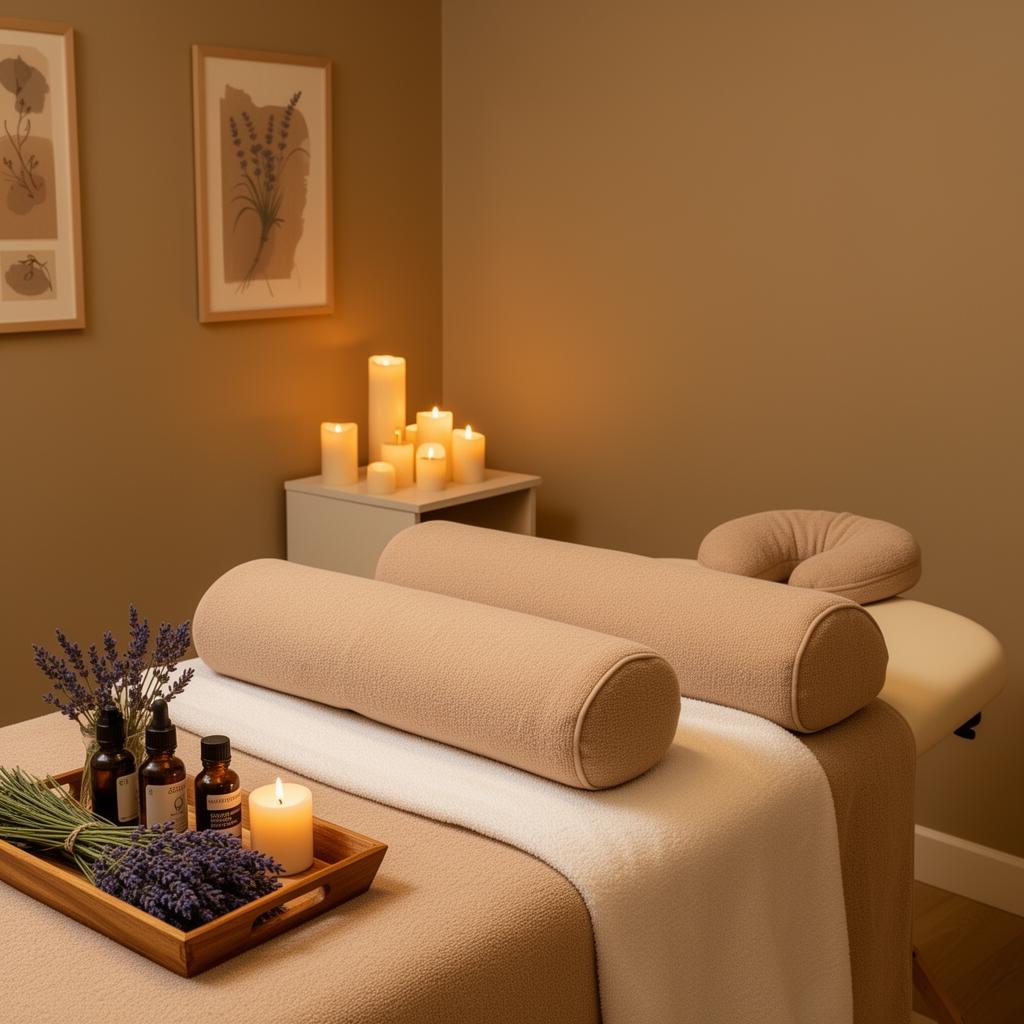
Chronic stress is not just a mental discomfort: it alters breathing, posture, muscle tone, sleep quality, digestion, hormonal regulation and even immune function. When it persists over weeks or months, it literally reshapes the body's biology. To meet this growing need — particularly acute among overloaded professionals, juggling parents and overworked students — Réhabital in Côte Saint-Luc will soon launch a specialized Anti-Stress massage, a protocol designed by our massage therapists Jeanne Andrea Rahantamalala, Elena Caliniuc and Irina Kushnir.
This service is coming soon — stay tuned for the opening of bookings.
1. Why a dedicated “Anti-Stress” massage?
A regular relaxation massage feels good right away, but an Anti-Stress protocol goes much further: it combines targeted techniques to activate the parasympathetic nervous system (the branch of the autonomic nervous system that governs recovery), slow the breath, lower circulating cortisol, stimulate oxytocin release and restore a state of deep calm. The body shifts from “fight-or-flight” (sympathetic) into “rest-and-repair” (parasympathetic), which cascades into a slower heart rate, peripheral vasodilation, improved digestion and a release of postural muscle chains.
Where a classic 60-minute massage can feel brisk and energetic, the Anti-Stress massage rests on slowness, predictability and depth of presence. Every stroke is deliberately slower than in a traditional Swedish session, because the nervous system needs rhythmic repetition to switch out of alert mode.
2. The science behind the protocol
Neurophysiology research shows that slow, sustained, predictable touch — around 3 cm per second — specifically activates the C-tactile fibers of the skin, receptors that project directly to brain regions associated with well-being (insula, orbitofrontal cortex). This is precisely the speed at which we calibrate the main strokes of the Anti-Stress protocol. Multiple clinical trials have also shown that regular massage measurably reduces salivary cortisol (up to –30%), increases heart rate variability (a marker of healthy autonomic function), and improves anxiety and sleep-quality scores.
3. An approach co-designed by three therapists
The protocol was developed jointly by Jeanne Andrea Rahantamalala, Elena Caliniuc and Irina Kushnir, three Réhabital massage therapists with complementary training. Each brings her own signature and expertise: Jeanne Andrea has developed particular finesse in deep cranial and cervical work, able to release very long-standing sub-occipital tensions; Elena excels in long, slow Swedish strokes and reading global myofascial chains; Irina brings her expertise in gentle lymphatic drainage and facial work. The shared goal: every patient leaves with the same quality of release, regardless of which therapist they see.
4. What the 75-minute session includes
• Welcome and guided setup: heated table adjustment, oil selection, opening sound cue.
• Guided breathing at the start (3–5 minutes) to prime the nervous system and lower the heart rate from the very beginning.
• Slow cranial and cervical mobilizations to release sub-occipital tension and the base of the skull.
• Long, flowing Swedish strokes on the back, shoulders, neck and upper arms, at parasympathetic speed.
• Gentle sustained pressure on key tension points (traps, jaw, temples, inter-scapular space).
• Foot work with soothing reflex techniques — a powerful anchor for full-body relaxation.
• Light drainage of the face, scalp and eye contour to finish in a state of full surrender.
• Gentle exit with a few minutes of silence to integrate the experience before sitting up.
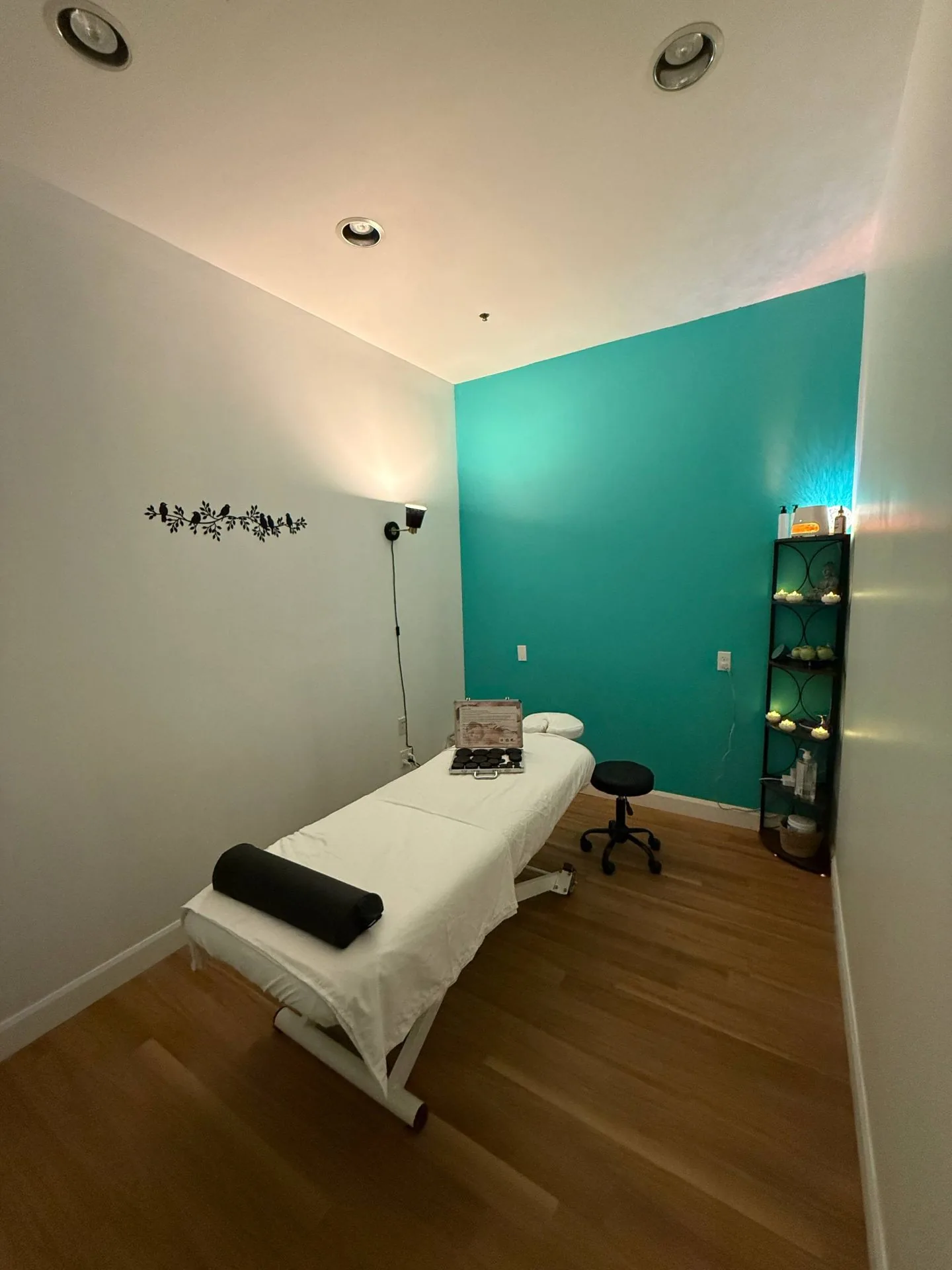
• Immersive ambiance: warm dimmed lighting, music calibrated to 60 BPM, subtle diffusion of soft essential oils (true lavender, petit grain, cedarwood).
5. Who is it for?
Anyone living under sustained stress: professionals in heavy cognitive load (lawyers, doctors, managers, entrepreneurs), students in exam periods, exhausted parents (especially young parents and parents of children with special needs), recovering patients, caregivers, people in grief, or simply anyone craving real disconnection in an overstimulated urban environment. Anti-Stress massage is also an excellent ally for those suffering from chronic tension headaches, bruxism, remote-work neck pain, or insomnia.
It is not indicated (or requires medical adaptation) in cases of fever, active skin infection, recent phlebitis, certain decompensated cardiac conditions, or high-risk first-trimester pregnancy. When in doubt, mention it to your therapist at booking.
6. Expected benefits
Deeper and more continuous sleep starting the very next night, a measurable drop in resting heart rate over 24–48 hours, jaw and shoulder release, significantly fewer tension headaches, sharper mental clarity, improved digestion, reduced feeling of being “on edge", and often a brighter mood in the following days. Effects compound with regularity: a single session brings real relief, but a series of 4 to 6 sessions spaced 2 to 3 weeks apart durably transforms autonomic regulation.
7. Integrating Anti-Stress massage into a recovery routine
To amplify the benefits, we recommend pairing the Anti-Stress massage with simple habits: 10 minutes of daily outdoor walking, a short breathing practice (5-5-5 cardiac coherence) twice a day, a 60-minute screen-free window before bed, and ideally a monthly osteopathy appointment to release the structural restrictions that sustain somatic stress. For particularly depleted profiles, a naturopathy consultation can round out the approach with targeted nutritional support for adrenal fatigue.
8. How often?
During intense stress, one session every 2 weeks for 2 months is usually enough to reverse the dynamic. For maintenance, monthly works well. For patients in established burn-out, a closer rhythm (weekly) over 4 to 6 weeks may be needed at first, then spacing naturally widens as the nervous system regains flexibility.
9. Frequently asked questions about Anti-Stress massage
How is it different from a classic Swedish massage?
Rhythm is slower, techniques are sequenced specifically to activate the parasympathetic system, the sensory environment is calibrated, and the session includes guided breathing and a slow exit.
Will I fall asleep during the session?
It happens often and is perfectly normal — actually a great sign that your nervous system has switched into recovery mode.
Do I need to be fully undressed?
No, you stay in whatever you are comfortable in. Professional draping ensures your privacy throughout.
Is it covered by insurance?
Yes, like any therapeutic massage performed by a member of a recognized association. An official receipt is issued after every visit.
Can I give it as a gift?
Absolutely. Réhabital gift cards are available at reception or by phone — a particularly appreciated gift for holidays, birthdays or as a professional thank-you.
10. Precautions and contraindications
Although gentle, Anti-Stress massage is not indicated in case of fever, active skin infection, recent venous thrombosis, unhealed fracture or high-risk first-trimester pregnancy. For patients on anticoagulants, on chemotherapy or with decompensated cardiac conditions, a prior medical opinion is recommended. Mention any significant background at booking so the therapist can adapt the protocol.
11. Extending the benefits at home
The effects of an Anti-Stress session extend considerably when you put in place a few simple rituals: a warm (not hot) shower the evening of the session, a light and early meal, complete avoidance of screens in the hour before bed, and a cardiac-coherence breathing practice (5 seconds in, 5 seconds out, for 5 minutes) twice a day. For patients prone to neck tension, short self-massage with a soft ball against a wall extends the release obtained during the session. Regularity matters far more than intensity.
12. Testimonials from existing patients
Although the Anti-Stress protocol is new, our patients already followed in Swedish or therapeutic massage by Jeanne Andrea Rahantamalala, Elena Caliniuc and Irina Kushnir regularly report deep effects on sleep, concentration and emotional regulation. A senior executive shared that she had recovered uninterrupted sleep for the first time in two years after a series of six sessions. A medical student described a sharp drop in tension migraines. These returns confirmed for us that a dedicated, structured protocol would bring measurable additional value.
13. Anti-Stress massage and the West Montreal lifestyle
Living and working in Côte Saint-Luc, NDG, Hampstead or Saint-Laurent often means juggling demanding careers, family responsibilities and long commutes through dense traffic. Many of our patients describe a constant background of low-grade tension that they no longer even notice — until it shows up as headaches, restless sleep or a clenched jaw. The Anti-Stress massage is designed precisely for this profile: a tangible, regular tool to discharge the accumulated load before it becomes a clinical problem. Patients who add a session every 2 to 3 weeks for a quarter often describe a noticeable shift not only in their bodies but in how they react to stressors at work and at home. The change is not magical — it is the result of a nervous system that has been trained, repeatedly, to come back to baseline.
14. Beyond the table: a culture of recovery
At Réhabital we believe recovery is a culture, not a one-off service. The Anti-Stress massage fits within a broader ecosystem that includes osteopathy for structural rebalancing, naturopathy for nutritional and hormonal support, and educational content (like this blog) to help patients build sustainable habits. We do not promote dependency on appointments — we equip you to need them less over time.
15. Stay tuned for the launch
Schedule and bookings will be announced very soon. In the meantime, explore our other treatments on the massage therapy in Côte Saint-Luc page or book a Swedish, prenatal, deep-tissue or therapeutic massage right now on Jane App. For any question, call us at 438-842-3550. Réhabital is located at the Cavendish Mall (D4-5800 boulevard Cavendish), Côte Saint-Luc, and welcomes patients from all of West Montreal — NDG, Hampstead, Snowdon, Montréal-Ouest and Saint-Laurent.
Related articles
How Massage Therapy Calms Your Nervous System (Montreal Guide)
Discover how massage therapy works on your nervous system to reduce anxiety, improve sleep and restore balance at our Côte Saint-Luc clinic.
Reiki Massage Therapy in Côte Saint-Luc: Complete 2026 Guide
Discover Reiki Massage Therapy offered by Irina Kushnir at Réhabital in Côte Saint-Luc — benefits, what to expect, the science behind Ki energy and 13 essential questions to know before your first visit.
Massage Therapy for Stress Relief and Deep Relaxation (Montreal)
How massage therapy combats chronic stress and promotes deep relaxation. Discover our treatments at our Côte Saint-Luc clinic in Montreal.
Benefits of Massage Therapy for Stress and Anxiety Relief
How massage therapy reduces cortisol, improves sleep and relieves anxiety. Recommended massage types in Côte Saint-Luc.
The Complete Guide to Swedish Massage: Unwind and Recharge at Réhabital in Côte Saint-Luc
Discover the soothing world of Swedish Massage at Réhabital in Côte Saint-Luc. This comprehensive guide covers everything from its origins and techniques to its numerous health benefits and what to expect during your session.
Sports Massage in Côte Saint-Luc: a specialized treatment for athletes with Cedik Elaiba starting in July
Starting in July, Cedik Elaiba joins the Réhabital team to deliver a specialized sports massage: recovery, injury prevention and performance for athletes of every level.