
Laser and IPL Skin Rejuvenation: Benefits, Safety and Aftercare
Understand IPL photofacials, sun spots, fine lines and realistic results. A practical guide to suitability, risks and aftercare at Réhabital in Côte Saint-Luc.
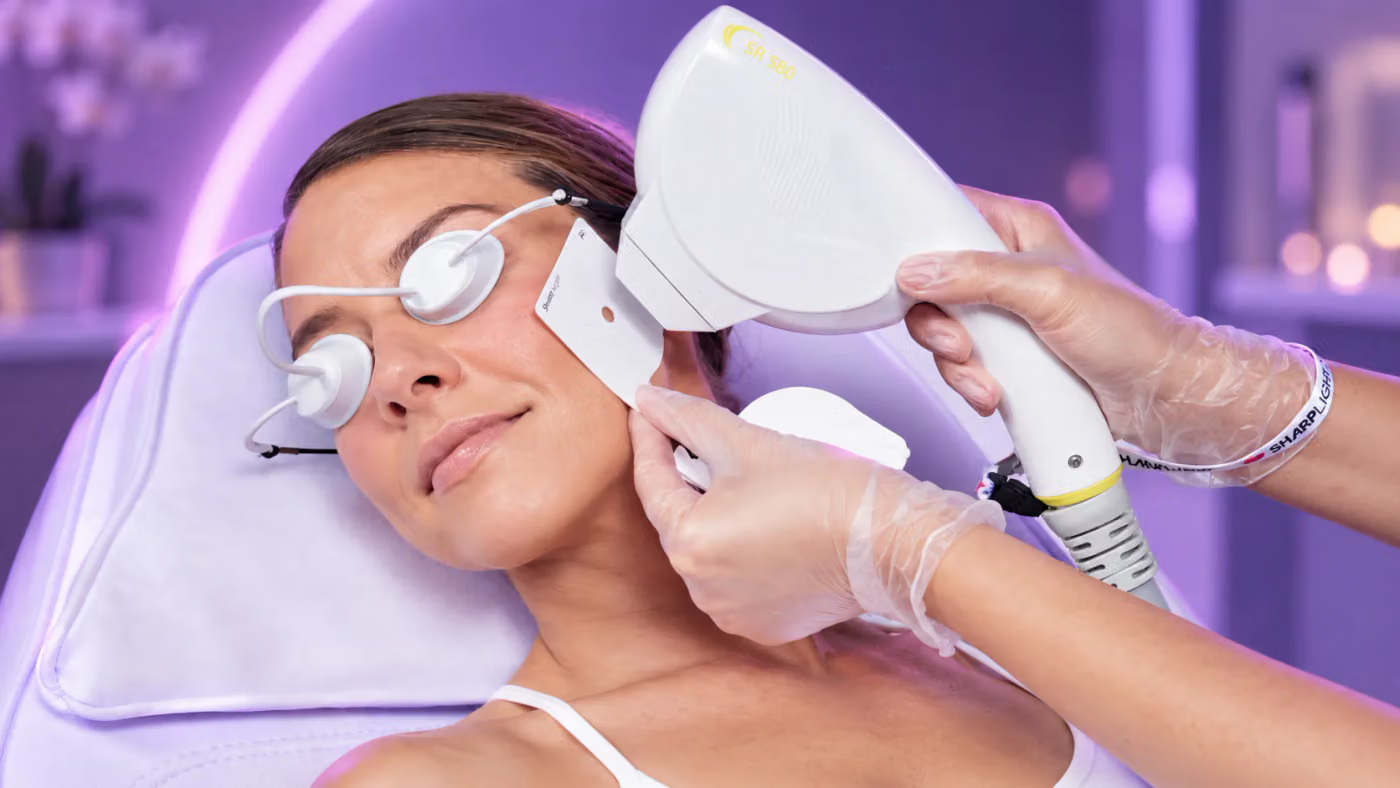
What does “laser skin rejuvenation” actually mean?
People searching for laser skin rejuvenation are often looking for a fresher complexion, fewer visible sun spots or softer fine lines. However, this expression covers several very different technologies. A photofacial using intense pulsed light, a fractional laser treatment and an ablative resurfacing procedure are not interchangeable. They differ in their targets, recovery, risks and the professionals who provide them. Understanding those differences is more useful than choosing a treatment simply because its name sounds powerful.
At Réhabital in Côte Saint-Luc, on the island of Montréal, the SharpLight Rapid DPC Pro platform is used for light-based skin rejuvenation. This article focuses on its IPL photofacial approach. IPL is not technically a laser: it delivers a filtered range of wavelengths rather than a single laser wavelength. Our skin rejuvenation service page explains the clinic’s offer; the guide below helps you decide which questions to ask before booking.
Why sun exposure changes the appearance of skin
Skin aging has several causes. Time, genetics, hormonal changes and repeated facial movements all matter, while ultraviolet exposure adds cumulative damage known as photoaging. Uneven pigmentation, visible small vessels and changes in texture can make a face look tired even when someone feels well. A treatment targeting colour irregularities may therefore improve the impression of freshness without producing a dramatic change in facial shape.
This distinction matters because “younger skin” is not one measurable problem. Ask whether your main concern is colour, texture, dehydration, a deep fold or looseness. An IPL photofacial may be relevant for selected colour-related concerns, whereas significant sagging or deep scars may require a different professional assessment. No cosmetic light treatment stops biological aging or removes the need for sun protection.
How an IPL photofacial works
Filtered light is absorbed by targets in the skin, including melanin associated with certain brown spots and haemoglobin in selected superficial vessels. That absorption produces heat. The device settings, filter, pulse delivery and cooling affect how energy reaches its target while limiting unwanted injury. More energy does not automatically mean a better treatment: the correct settings depend on the concern and the person’s skin.
Some light-based approaches can also support gradual dermal remodelling, but improvement in collagen or fine lines is not a guaranteed result. Evidence about one laser, filter or protocol should not be transferred automatically to every IPL treatment. A useful consultation separates what is reasonably expected for pigmentation from what is less predictable for firmness, instead of promising a complete facelift effect.
Which concerns may benefit?
Selected sun-related spots, an uneven complexion and some visible superficial vessels can be suitable reasons to discuss a photofacial. Assessment is important because brown marks can arise from different processes. Post-inflammatory pigmentation, melasma and a changing pigmented lesion should not all be treated as ordinary sun spots. The same appearance in a photograph does not establish the same diagnosis or treatment.
For redness, light may help selected visible vessels, but persistent flushing or rosacea usually needs a broader plan. IPL does not cure rosacea or replace prescribed care. If active acne, dermatitis or another inflammatory problem is dominating the picture, addressing it first may be more appropriate. See our vascular and pigmented concern service for the related clinic offering.
Fine lines, collagen and realistic expectations
A more even complexion can make fine lines seem less noticeable, but colour improvement and wrinkle reduction are different outcomes. Superficial dehydration lines may respond to better hydration, while expression lines, deep folds and substantial tissue laxity often need other approaches. IPL should not be described as equivalent to surgery, injectable treatments or more intensive resurfacing.
Decide what success would mean before the first session. A realistic goal could be reducing the contrast of selected sun spots rather than removing every mark. Ask how progress will be assessed after the skin has settled. Photographs taken in consistent lighting and without filters are more informative than immediate post-treatment pictures, which may reflect redness, swelling or differences in exposure.
IPL versus ablative and fractional lasers
An ablative laser removes or vaporizes controlled portions of tissue and can involve a more demanding recovery. Fractional treatments deliver energy in separated microscopic zones, but “fractional” alone does not tell you whether a treatment is ablative. These procedures may be considered for concerns that are not best addressed by a photofacial and can require a medical setting.
IPL instead uses broad-spectrum filtered light and is generally discussed for selected pigmentation and vascular concerns. That does not make it risk-free. Before consenting, ask for the exact technology being proposed rather than relying on the word laser. This article does not imply that Réhabital offers every resurfacing procedure mentioned here; those comparisons explain why the names should not be confused.
Who needs extra caution before treatment?
Recent tanning, sunburn, active infection, an irritated skin barrier and certain medications can change whether treatment is appropriate. Explain any history of cold sores, unusual scarring, pigment changes after inflammation or previous reactions to light-based care. Mention recent peels, microneedling, prescription skin products and other aesthetic procedures so that the plan can account for recovery and interactions.
Disclose pregnancy, breastfeeding and any significant health condition. Elective cosmetic light treatments are commonly deferred during pregnancy because safety information is limited, and suitability should be assessed individually. Do not stop a prescribed medication on your own to become eligible. The right outcome of a consultation can be postponement, a different treatment or referral, not necessarily an immediate session.
Skin tone, tanning and melasma
The amount and distribution of melanin affect how light energy is absorbed. Darker skin tones and recently tanned skin can have a higher risk of burns or unwanted pigment changes with certain IPL settings. Device availability does not mean every phototype is suitable for every indication. Ask how your skin tone, tanning history and previous pigmentation reactions influence the proposed approach.
Melasma deserves particular caution because heat and inflammation can worsen or reactivate it. It is not simply a collection of sun spots to erase with stronger pulses. If melasma is suspected, seek an appropriate assessment and discuss alternatives. A test area may inform tolerability when indicated, but it cannot guarantee that an entire treatment will be free of complications.
Preparing for your first appointment
Bring a list of medications, supplements and skincare products, along with information about previous procedures and reactions. Avoid arriving with a fresh tan or sunburn and follow the clinic’s instructions about sun exposure and self-tanning products. Ask which exfoliants or irritating active ingredients should be paused and when; the answer should match your skin and the planned treatment.
Choose a date that leaves room for visible changes rather than scheduling a first photofacial immediately before an important event. Ask about likely redness, temporary darkening of spots and when makeup may be appropriate. You should also understand the treated area, the fee, possible alternatives and how to contact the clinic if recovery differs from the instructions you receive.
What happens during a photofacial?
The visit should begin with confirmation that your skin condition and history still allow treatment. The area is prepared and appropriate eye protection is used. Depending on the device protocol, coupling gel and contact cooling may be involved. Controlled pulses are applied to the agreed area, with settings adapted to the assessment rather than copied from another person’s treatment.
People can experience brief warmth or a snapping sensation, but discomfort varies. Tell the practitioner immediately if you feel intense burning or unexpected pain. Eye protection is essential; treatment near the eyes requires particular caution and should never be improvised. At the end, you should receive aftercare instructions and an explanation of which reactions are expected and which require help.
Recovery and aftercare
Temporary redness, warmth or swelling can occur. Some treated pigmented spots may darken before gradually fading or shedding. Avoid picking or scrubbing them, and do not assume that every skin change is normal. Use gentle care and follow instructions about makeup, hot environments, strenuous activity and restarting active ingredients. Recovery can vary between treatment areas and between people.
Protect the skin from sunlight with shade, clothing and a broad-spectrum sunscreen of at least SPF 30 when appropriate for the recovering skin. Reapplication matters during outdoor exposure. Avoid adding a home peel or abrasive exfoliation to accelerate results. A short expected recovery is not a promise that your face will look unchanged the next morning.
How many sessions are needed, and when do results appear?
The number and spacing of sessions depend on the concern, treatment area, skin response and the technology used. Some changes may become visible after the initial recovery, while others develop gradually. A predetermined series is not proof that everyone needs the same number of appointments. The plan should be reassessed if progress is limited or recovery is more difficult than expected.
Results are not necessarily permanent because new sun exposure, aging and underlying conditions continue. Maintenance should be discussed only after evaluating benefit and tolerance. Ask whether the next session still serves your goal, rather than treating a package as an obligation to continue through adverse reactions. There is no universal percentage improvement or guaranteed duration that applies to every patient.
Risks and warning signs
Possible complications include burns, blisters, persistent pigment changes, infection and, less commonly, scarring. Eye injury is another reason proper protection is non-negotiable. Inform the clinic promptly about increasing pain, significant blistering or a reaction that seems outside the aftercare guidance. Spreading redness, pus or fever may require medical assessment rather than another cosmetic appointment.
A mole or spot that changes shape, size or colour, bleeds or does not heal should be evaluated medically before treatment. A photofacial is not a skin cancer screening procedure, and cosmetic light should not be used to hide a suspicious lesion. Severe symptoms, sudden vision changes or an acute eye injury warrant urgent medical attention.
Combining rejuvenation with facials or microneedling
Hydrating facials can address comfort and dehydration, while microneedling or peels may be discussed for different texture-related goals. These options are not automatically better when combined. Multiple procedures close together can increase irritation and make it harder to identify the cause of a reaction. Sequence care with enough recovery time and a clear reason for each step.
Our facials and skin aging prevention article discusses everyday prevention, and our microneedling preparation guide explains a separate procedure. Neither replaces an individual assessment. Daily sun protection and gentle, sustainable skincare remain important even when you choose professional rejuvenation treatments.
Planning care at Réhabital
Liliana Ciocoi and Elena Caliniuc provide the clinic’s light-based aesthetic care. Explore their Liliana profile and Elena profile, then discuss your main concern and suitability before deciding on a treatment. A full-face photofacial, a neck treatment and a targeted spot appointment are different services; a small-area fee should not be mistaken for a full-face price.
Consult the current fee schedule for the area, duration and standard rate, with taxes as indicated. Réhabital offers a 10% discount at the first clinic visit, excluding physiotherapy; it is not a separate first-visit discount for each specialty. You can book through Jane App once the appropriate service is identified. This guide is educational and does not provide a diagnosis or guarantee an individual result.
Sources and further reading
- American Academy of Dermatology — Skin conditions that lasers and light therapies can treat.
- American Academy of Dermatology — Assessment and treatment of sun-damaged skin.
- American Academy of Dermatology — Lasers and lights for rosacea: benefits and limitations.
- Health Canada — Sun safety.
These references support general education, not a guarantee of results from a specific SharpLight protocol. The accompanying image was provided by the clinic and illustrates a light-based treatment; it is not evidence of an individual outcome.
Frequently asked questions
Related articles
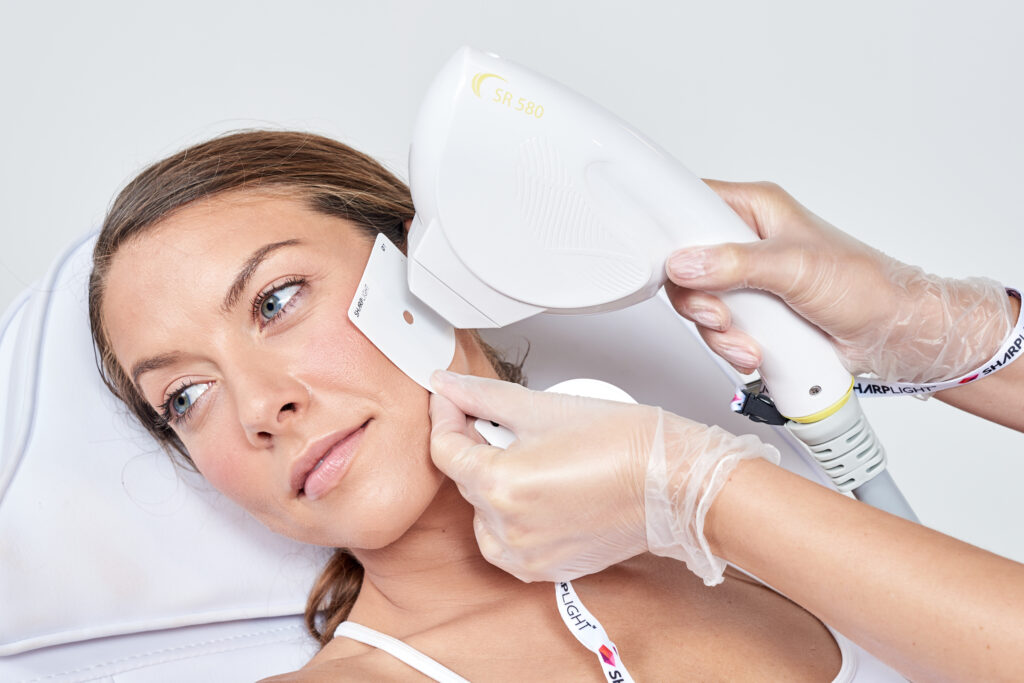
Laser Hair Removal by Skin and Hair Colour: Who Is a Good Candidate?
Skin and hair colour greatly influence laser hair removal results. Réhabital in Côte Saint-Luc explains the Fitzpatrick scale and how SharpLight DPC adapts to each profile.
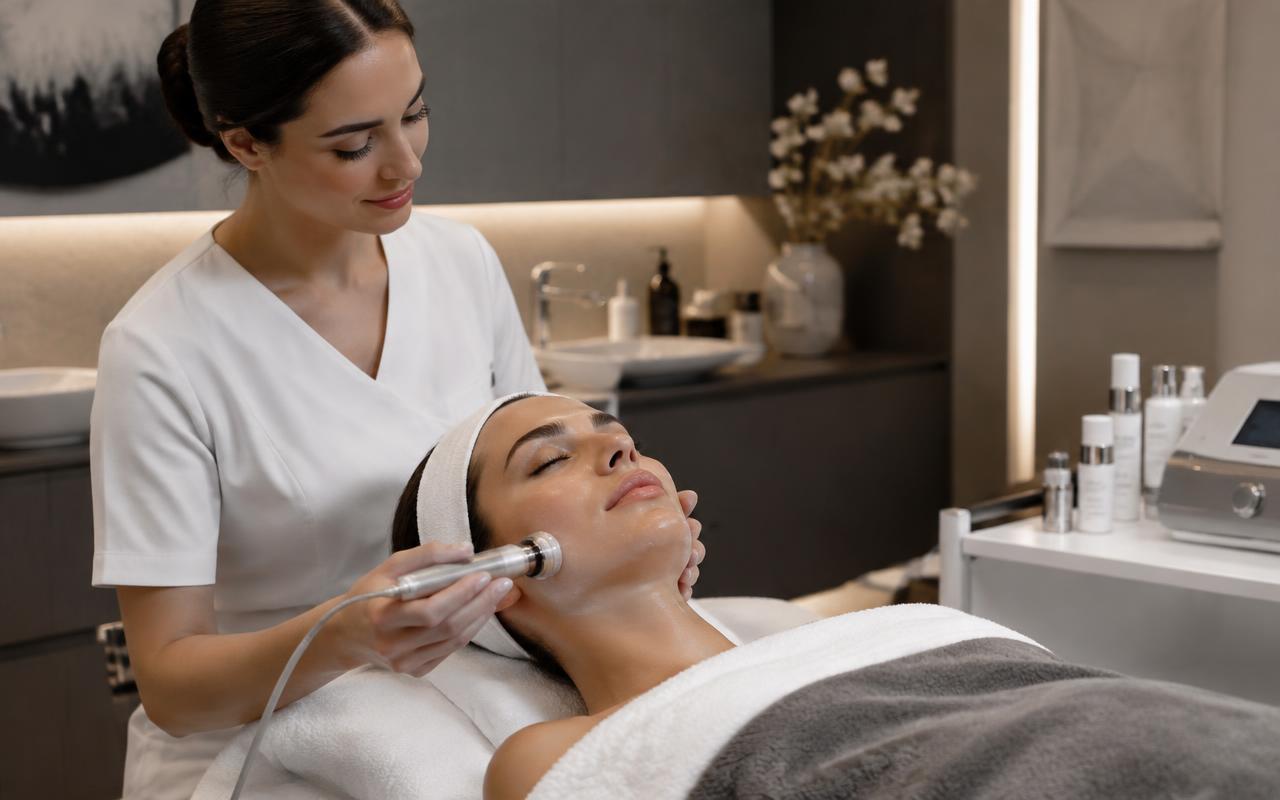
Facial Rejuvenation: How the Réhabital Facial Protocol Works
Dermalogica facials, SharpLight photofacial, microneedling, mesotherapy and peels: how we build a realistic facial rejuvenation plan in Côte Saint-Luc, with transparent pricing.
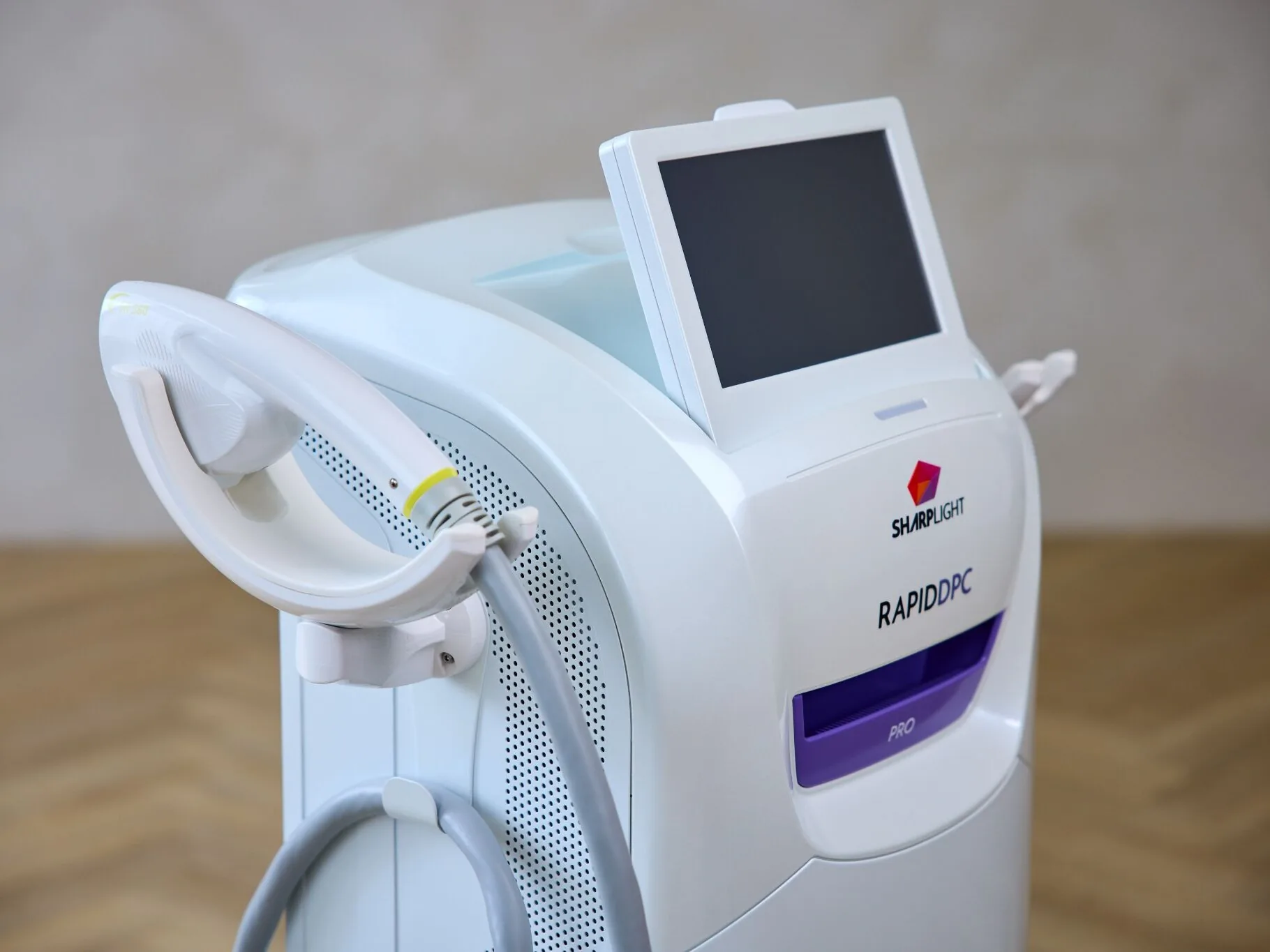
Is Laser Hair Removal Safe? Myths vs. Reality
Side effects, contraindications, SharpLight technology safety. Everything you need to know about laser hair removal safety in Montreal.
SharpLight Rapid DPC Pro: The Skin Rejuvenation Handpiece for Younger-Looking Skin
Discover the Skin Rejuvenation handpiece of the SharpLight Rapid DPC Pro: advanced DPC technology to treat wrinkles, pigmentation and skin laxity.

The Ultimate Guide to Hot Stone Massage: Unwind and Heal with Warmth in Côte Saint-Luc
Discover the soothing power of Hot Stone Massage at Réhabital in Côte Saint-Luc. Learn about its ancient history, how it works, its numerous benefits and what to expect during your therapeutic session.
SharpLight Laser Skin Rejuvenation: Restore Radiant, Youthful Skin
Laser skin rejuvenation with the SharpLight SR handpiece stimulates collagen, reduces pigmentation and restores luminosity and firmness. Available at Réhabital Côte Saint-Luc.